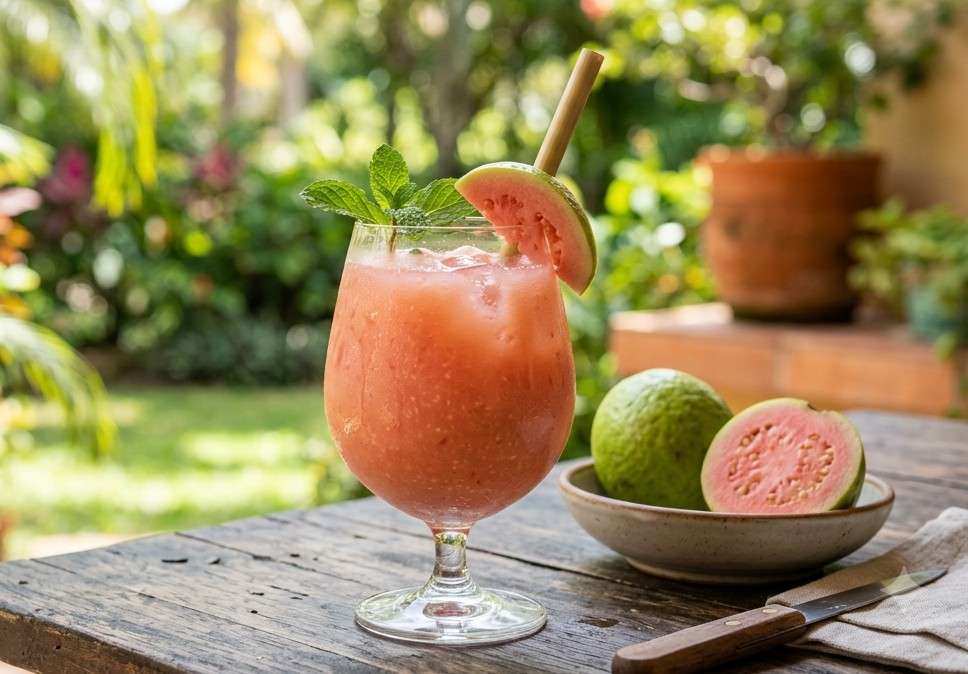
Guava juice is a refreshing tropical beverage made from ripe guava fruit, known for its naturally sweet flavor, pleasant aroma, and impressive nutritional profile. Rich in vitamin C, antioxidants, dietary fiber (when blended with pulp), potassium, and beneficial plant compounds, guava juice can be a healthy addition to a balanced diet when consumed in moderation.
Whether enjoyed as a homemade drink or freshly prepared juice, guava juice offers hydration while providing nutrients that may support immunity, heart health, digestion, skin health, and overall wellness. This guide explores its nutrition, proven health benefits, possible side effects, preparation methods, and practical tips for safe consumption.
What is Guava Juice?
Guava juice is a fruit beverage prepared by blending or extracting juice from ripe guavas (Psidium guajava). It can be made with pink or white guava varieties and may include water, lemon juice, mint, or natural sweeteners depending on personal preference.
Fresh homemade guava juice generally retains more nutrients than many commercially available varieties, which may contain added sugar, preservatives, or artificial flavors.
Nutrition Facts of Guava Juice
Approximate nutrition per 1 cup (240 ml) of fresh homemade guava juice.
| Nutrient | Amount |
|---|---|
| Calories | 110 kcal |
| Carbohydrates | 25 g |
| Natural Sugars | 18 g |
| Protein | 2 g |
| Fat | 0.8 g |
| Dietary Fiber* | 3 g |
| Vitamin C | 250–300 mg |
| Vitamin A | 90 IU |
| Folate | 60 mcg |
| Potassium | 450 mg |
| Magnesium | 24 mg |
| Calcium | 25 mg |
| Iron | 0.4 mg |
Fiber content depends on whether the pulp is retained.
20 Science-Backed Health Benefits of Guava Juice
- Supports Immune Health: Guava juice is exceptionally rich in vitamin C, which helps strengthen immune defenses and supports normal immune cell function.
- Provides Powerful Antioxidants: It contains antioxidants such as lycopene, carotenoids, quercetin, and vitamin C that help reduce oxidative stress.
- Promotes Healthy Skin: Vitamin C supports collagen production, helping maintain healthy, firm, and youthful-looking skin.
- Supports Heart Health: Potassium and antioxidants may help maintain healthy blood pressure and cardiovascular function.
- May Help Lower Blood Pressure: Potassium contributes to healthy blood pressure regulation by balancing sodium levels.
- Supports Digestive Health: Juice prepared with pulp provides dietary fiber that promotes healthy digestion and regular bowel movements.
- May Improve Gut Health: Natural plant compounds may help support a balanced gut microbiome when included in a healthy diet.
- Supports Healthy Blood Sugar Control: Whole-fruit guava and unsweetened juice with pulp may have a lower glycemic impact than many sugary beverages when consumed moderately.
- May Reduce Inflammation: Polyphenols and flavonoids found in guava possess anti-inflammatory properties.
- Supports Eye Health: Vitamin A and carotenoids contribute to maintaining normal vision.
- May Aid Healthy Weight Management: Homemade guava juice without added sugar is relatively filling and can replace high-calorie soft drinks.
- Promotes Healthy Digestion After Meals: Natural enzymes and fiber may help support digestive comfort.
- Supports Brain Function: Vitamin C and antioxidants help protect brain cells from oxidative damage.
- May Improve Iron Absorption: The high vitamin C content enhances the absorption of non-heme iron from plant-based foods.
- Supports Bone Health: Magnesium, calcium, and potassium contribute to maintaining healthy bones.
- Helps Maintain Healthy Hydration: Guava juice provides fluids along with electrolytes that support hydration.
- Supports Healthy Cholesterol Levels: Some research suggests guava fruit may help improve lipid profiles as part of a balanced diet.
- May Help Reduce Cellular Damage: Antioxidants help neutralize free radicals that contribute to cellular aging.
- Supports Healthy Pregnancy Nutrition: Folate and vitamin C can contribute to maternal nutrition when consumed as part of a balanced diet and under healthcare guidance.
- Provides Natural Energy: Natural carbohydrates offer a quick source of energy for daily activities.
10 Side Effects of Guava Juice
- High Natural Sugar: Drinking excessive amounts may increase overall sugar intake.
- Digestive Upset: Large servings may cause bloating or stomach discomfort in sensitive individuals.
- Loose Stools: Excessive intake, especially with pulp, may lead to diarrhea.
- Blood Sugar Concerns: Sweetened commercial guava juice may raise blood glucose more rapidly than fresh homemade juice.
- Possible Allergic Reaction: Although uncommon, some people may experience allergic symptoms after consuming guava.
- Medication Interactions: People taking blood sugar or blood pressure medications should monitor intake and consult their healthcare provider.
- Extra Calories: Regular consumption of sweetened juice may contribute to excess calorie intake.
- Reduced Fiber: Strained juice contains less fiber than whole guava.
- Dental Health Issues: Frequent exposure to natural fruit sugars may increase the risk of tooth decay without proper oral hygiene.
- May Not Suit Sensitive Stomachs: People with digestive disorders may tolerate smaller portions better.
How to Make Guava Juice at Home?
Ingredients:
- 3–4 ripe guavas
- 2 cups chilled water
- 1 tablespoon lemon juice (optional)
- Honey or natural sweetener (optional)
- Ice cubes
- Mint leaves (optional)
Instructions:
- Wash the guavas thoroughly.
- Cut them into small pieces.
- Blend with water until smooth.
- Strain if you prefer a smoother texture, or keep the pulp for extra fiber.
- Add lemon juice if desired.
- Serve chilled with ice.
Tips for Consuming Guava Juice
- Choose ripe, fresh guavas.
- Avoid adding excessive sugar.
- Drink freshly prepared juice whenever possible.
- Retain the pulp for additional fiber.
- Pair with a balanced breakfast or healthy snack.
- Limit packaged juices containing added sugars.
- Consume in moderation as part of a varied diet.
- Refrigerate leftovers promptly.
Other Uses of Guava Juice
- Smoothie ingredient.
- Popsicles and frozen desserts.
- Fruit mocktails.
- Salad dressings.
- Marinades for poultry or seafood.
- Yogurt topping.
- Breakfast smoothie bowls.
- Homemade fruit ice cubes.
- Healthy fruit cocktails without alcohol.
- Dessert sauces.
How Much Guava Juice Can You Drink in a Day?
Most healthy adults can generally enjoy 1 glass (200–250 ml) of fresh, unsweetened guava juice daily as part of a balanced diet.
Individuals with diabetes, kidney disease, digestive disorders, or those following calorie-controlled diets should consult their healthcare provider or registered dietitian for personalized advice.
Best Time to Drink Guava Juice
- Morning with breakfast.
- Mid-morning snack.
- Before exercise for natural energy.
- After exercise for hydration.
- Afternoon refreshment.
- Avoid drinking large quantities immediately before bedtime if it causes digestive discomfort.
Who Should Drink Guava Juice?
- Adults Seeking Better Nutrition: It provides essential vitamins, minerals, and antioxidants.
- People with Low Vitamin C Intake: Guava juice is one of the richest natural sources of vitamin C.
- Athletes: Natural carbohydrates and fluids support hydration and recovery.
- Older Adults: Antioxidants may support healthy aging.
- Vegetarians and Vegans: Vitamin C helps improve iron absorption from plant foods.
- People Looking for Healthier Beverage Choices: Fresh guava juice can replace sugar-sweetened soft drinks.
- Individuals Supporting Skin Health: Vitamin C contributes to normal collagen formation.
- Busy Professionals: It offers convenient nutrition when prepared fresh.
Who Should Avoid Guava Juice?
- People with Guava Allergy: Avoid consumption if allergic reactions occur.
- Individuals with Uncontrolled Diabetes: Consume only under professional dietary guidance.
- People Limiting Sugar Intake: Choose small portions of unsweetened juice.
- Individuals with Sensitive Digestion: Large servings may worsen digestive symptoms.
- People Taking Blood Sugar Medication: Monitor blood glucose and seek medical advice.
- Those Drinking Sweetened Commercial Juice Frequently: Limit intake because of added sugars.
How to Store Guava Juice?
- Refrigerate Immediately: Store fresh juice within two hours of preparation.
- Use an Airtight Container: This helps preserve freshness and flavor.
- Consume Within 24–48 Hours: Fresh juice tastes best and retains more nutrients during this period.
- Keep Away from Heat: Warm temperatures speed up spoilage.
- Freeze for Longer Storage: Freeze in small portions for up to three months.
- Shake Before Serving: Natural separation is normal in fresh juice.
Precautions and Interactions
Although guava juice is nutritious, moderation is important. Fresh homemade juice is generally healthier than sugar-sweetened commercial products. Individuals with diabetes should monitor carbohydrate intake and choose unsweetened varieties.
People taking medications for diabetes or high blood pressure should consult their healthcare provider before making significant dietary changes, as guava may influence blood sugar and blood pressure. Pregnant or breastfeeding women can generally consume juice in moderation as part of a balanced diet, but individualized medical advice is recommended.
Maintaining good food hygiene by washing fresh fruit thoroughly and refrigerating juice promptly helps reduce the risk of foodborne illness.
FAQ’s
What does Guava Juice taste like?
Juice has a naturally sweet, tropical flavor with mild floral notes and a slightly tangy finish. Pink guava is generally sweeter, while white guava has a milder taste.
How long does it take for Guava Juice to work?
Juice provides hydration and natural energy almost immediately, while potential health benefits such as improved immunity, digestion, or skin health are typically seen with regular consumption as part of a balanced diet over several weeks.
What does Guava Juice smell like?
Juice has a fresh, fruity, tropical aroma with sweet floral notes. Ripe pink guavas usually have a stronger and sweeter fragrance than white guavas.
Is guava juice good for you?
Yes. Fresh, unsweetened guava juice is rich in vitamin C, antioxidants, potassium, and other nutrients that support overall health.
Can I drink guava juice every day?
Yes, most healthy adults can drink 1 glass (200–250 ml) of fresh guava juice daily in moderation.
Is guava juice high in vitamin C?
Yes. Juice is one of the richest natural sources of vitamin C, often providing more than the daily recommended intake per serving.
Is guava juice good for weight loss?
It can support weight management when consumed without added sugar as part of a balanced diet.
Can people with diabetes drink guava juice?
Yes, but they should choose unsweetened juice, drink it in moderation, and consult their healthcare provider if needed.
Is homemade guava juice better than packaged juice?
Yes. Homemade guava juice usually contains more nutrients and less added sugar than many commercial varieties.
Can children drink guava juice?
Yes. Fresh, unsweetened juice can be enjoyed by children in age-appropriate portions.
Is guava juice good during pregnancy?
Juice can be a nutritious choice during pregnancy because it contains vitamin C and folate, but pregnant women should consult their healthcare provider for personalized advice.
Does guava juice improve skin health?
Yes. Its high vitamin C content supports collagen production, which helps maintain healthy skin.
Can guava juice boost immunity?
Yes. The vitamin C and antioxidants in juice help support a healthy immune system.
Does guava juice contain fiber?
Yes, if the pulp is retained. Strained guava juice contains much less fiber.
How long does fresh guava juice last?
Fresh homemade guava juice is best consumed within 24–48 hours when refrigerated in an airtight container.
What is Guava Juice good for?
Juice is rich in vitamin C, antioxidants, and potassium, making it beneficial for supporting immunity, heart health, digestion, skin health, hydration, and overall wellness when consumed in moderation.
Sources / References:
- U.S. Department of Agriculture (USDA) FoodData Central
- National Institutes of Health (NIH) – Office of Dietary Supplements (Vitamin C)
- World Health Organization (WHO) – Healthy Diet
- Harvard T.H. Chan School of Public Health – The Nutrition Source
- MedlinePlus – Vitamins and Nutrition
- American Heart Association
- Centers for Disease Control and Prevention (CDC) – Healthy Eating
About the Author:
Written by: Kirti Solanki (Health Content Researcher)
Kirti Solanki is a Health Content Researcher who creates evidence-based, reader-friendly wellness articles using trusted scientific sources and current nutrition research. Every article is carefully reviewed for accuracy, clarity, and practical health guidance.
Disclaimer:
This guide is intended for educational purposes only and should not replace professional medical advice, diagnosis, or treatment. Always consult a qualified healthcare professional before making significant dietary or lifestyle changes, especially if you have a medical condition, are pregnant, breastfeeding, or take prescription medications.
Also Read: