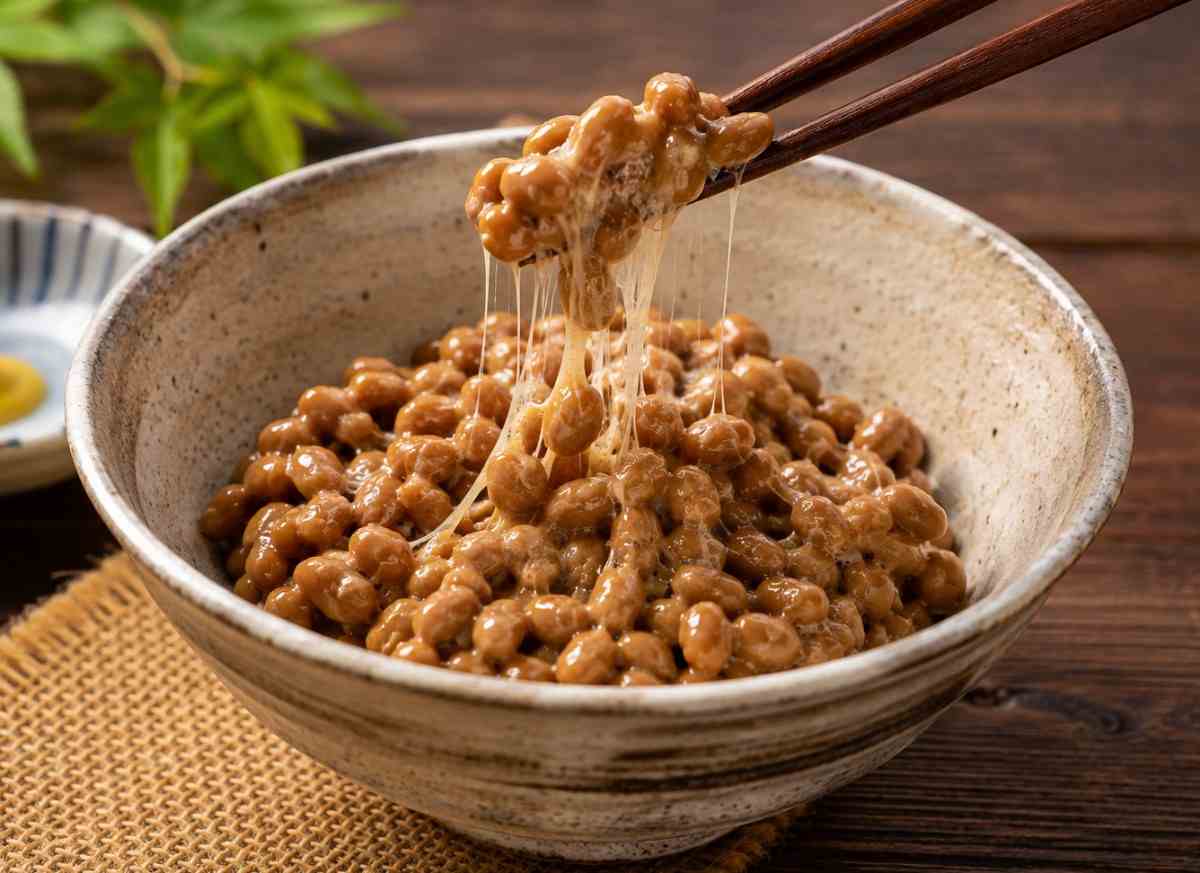
Natto is one of those foods that can seem unusual at first. It is sticky, stringy, strongly flavored, and has a distinctive aroma. But behind its unusual appearance is a nutrient-rich fermented soybean food that has been part of Japanese cuisine for centuries.
Natto is particularly known for its plant-based protein, fiber, vitamin K, minerals, soy isoflavones, and fermentation-derived compounds. It also contains Bacillus subtilis natto, a spore-forming bacterium involved in the fermentation process. Research suggests that fermented soy foods such as natto may support digestive, metabolic, bone, and cardiovascular health, although some of the proposed benefits still require stronger human research.
This guide explains what natto is, its nutritional value, potential health benefits, possible side effects, how to eat it, and important precautions.
What Is Natto?
Natto is a traditional Japanese food made from cooked whole soybeans fermented with Bacillus subtilis var. natto. During fermentation, the bacteria produce compounds that give natto its characteristic sticky texture, strong aroma, and stringy consistency.
Natto is especially recognized for its high vitamin K content, particularly menaquinone-7 (MK-7), a form of vitamin K2. It also contains protein, dietary fiber, iron, magnesium, potassium, calcium, manganese, copper, zinc, and naturally occurring soy compounds.
Traditional natto is usually served with rice and seasonings such as soy sauce, mustard, chopped green onions, or other toppings. Its texture may take some getting used to, but many people enjoy its savory, nutty flavor.
The fermentation process generally involves soaking and cooking soybeans, inoculating them with Bacillus subtilis natto, and allowing them to ferment under controlled conditions.
Nutrition Facts of Natto
The following values are approximate and based on 100 grams of natto. Nutrition can vary depending on the soybean variety, fermentation process, and brand.
| Nutrient | Amount per 100 g |
|---|---|
| Calories | 211 kcal |
| Protein | 19.4 g |
| Total Fat | 11 g |
| Saturated Fat | 1.6 g |
| Carbohydrates | 12.7 g |
| Dietary Fiber | 5.4 g |
| Sugars | 4.9 g |
| Calcium | 217 mg |
| Iron | 8.6 mg |
| Magnesium | 115 mg |
| Phosphorus | 174 mg |
| Potassium | 729 mg |
| Zinc | 3.03 mg |
| Copper | 0.667 mg |
| Manganese | 1.53 mg |
| Selenium | 8.8 mcg |
| Vitamin C | 13 mg |
| Cholesterol | 0 mg |
Natto also provides vitamin K and is particularly notable for its fermented vitamin K2 content. The exact amount of vitamin K2 can vary considerably between products and fermentation conditions.
20 Proven Health Benefits of Natto
1. Supports Bone Health: Natto provides vitamin K, calcium, magnesium, and protein, nutrients that contribute to normal bone maintenance. Vitamin K is particularly important for healthy bones.
2. Provides Plant-Based Protein: Natto supplies about 19.4 grams of protein per 100 grams, making it a useful protein-rich option for people following vegetarian or plant-focused diets.
3. Supports Digestive Health: Its dietary fiber and fermentation-related compounds can contribute to a healthy digestive environment, while research on Bacillus strains suggests potential effects on intestinal microbiota.
4. Provides Beneficial Fermentation Bacteria: Natto contains Bacillus subtilis natto, a spore-forming bacterium that has been studied for its potential probiotic properties.
5. May Support Heart Health: Natto contains protein, fiber, potassium, and unsaturated fats, while observational and experimental research has investigated fermented soy foods in relation to cardiovascular health.
6. May Help Maintain Healthy Cholesterol Levels: Limited human research has reported improvements in some lipid measurements following natto consumption, although larger controlled studies are still needed.
7. Supports Normal Blood Clotting: Vitamin K is essential for normal blood clotting because several clotting proteins depend on it.
8. Supplies Antioxidant Compounds: Soybeans contain isoflavones and other bioactive compounds that contribute antioxidant activity and are being studied for their potential health effects.
9. Supports Muscle Maintenance: Its combination of protein and essential amino acids makes natto a useful food for meeting daily protein requirements and supporting normal muscle maintenance.
10. May Support Blood Pressure Management: Natto provides potassium and magnesium, minerals involved in normal blood pressure regulation, although eating natto alone should not be viewed as a treatment for hypertension.
11. Supports Immune Function: Protein, zinc, copper, and other nutrients in natto contribute to normal immune function, while research is also investigating the immunomodulatory properties of Bacillus subtilis natto.
12. Helps Increase Dietary Fiber Intake: With approximately 5.4 grams of fiber per 100 grams, natto can contribute meaningfully to daily fiber intake.
13. Provides Iron: Natto contains about 8.6 milligrams of iron per 100 grams, making it a useful plant-based source of this essential mineral.
14. Supports Energy Metabolism: Natto supplies magnesium, manganese, copper, protein, and other nutrients involved in normal energy-producing processes.
15. May Support Gut Microbiome Balance: Emerging research suggests Bacillus subtilis and Bacillus natto may influence intestinal microbial communities and gut metabolism, although human evidence remains limited.
16. May Support Healthy Digestion of Nutrients: Fermentation changes soybean proteins and other components, potentially improving their digestibility and producing bioactive compounds.
17. Provides Vitamin K2: Fermentation makes natto an especially notable dietary source of menaquinone-7, a form of vitamin K2.
18. May Support Metabolic Health: Early research has examined natto and Bacillus strains for possible effects on glucose and lipid metabolism, but these findings should not be interpreted as proof that natto prevents or treats metabolic disease.
19. May Contribute to Healthy Aging: Natto’s combination of protein, fiber, minerals, vitamin K, and fermented compounds makes it a nutrient-dense addition to a balanced dietary pattern.
20. Can Add Nutritional Variety to a Plant-Based Diet: Natto combines protein, fiber, minerals, and fermentation-derived compounds in one food, making it an interesting alternative to less varied plant-based protein choices.
10 Side Effects of Natto
Most people can enjoy natto as part of a balanced diet, but it is not suitable for everyone.
1. Digestive Discomfort: Introducing a large amount of natto suddenly may cause gas, bloating, abdominal discomfort, or changes in bowel habits because it contains fiber and fermented compounds.
2. Strong Taste and Smell: Natto has a pungent aroma and sticky texture that some people find unpleasant or difficult to tolerate.
3. Soy Allergy: People with a soy allergy should avoid natto because it is made from soybeans and can trigger allergic reactions.
4. Vitamin K Interaction: Natto contains substantial vitamin K, which can interfere with the effect of warfarin and similar anticoagulant medications when vitamin K intake changes significantly.
5. Possible Food Sensitivity: Some people may experience digestive or other symptoms after consuming fermented soy foods even when they do not have a confirmed soy allergy.
6. Increased Calorie Intake: Although nutrient-dense, natto still contains about 211 calories per 100 grams, so very large portions can add substantial calories to the diet.
7. Sodium From Seasonings: Natto itself can be relatively low in sodium, but packaged natto is often eaten with soy sauce or other salty seasonings that can significantly increase sodium intake.
8. Possible Histamine-Related Symptoms: Fermented foods can contain biogenic amines, and sensitive individuals may experience symptoms after consuming certain fermented foods.
9. Infection Risk in Highly Vulnerable People: Although natto is generally consumed as food, rare reports involving Bacillus species highlight the need for extra caution in severely immunocompromised individuals.
10. Contamination From Improper Preparation: Homemade natto can become unsafe if sanitation, fermentation temperature, or storage conditions are poorly controlled.
How to Eat Natto?
Natto is traditionally eaten without extensive cooking after fermentation.
A simple way to eat it is:
- Open the package and remove the plastic film.
- Stir the natto vigorously with chopsticks or a spoon until it becomes stringy and creamy.
- Add a small amount of soy sauce and mustard if desired.
- Mix in chopped green onions, sesame seeds, seaweed, or other toppings.
- Serve it over warm rice.
- You can also eat it with noodles, vegetables, toast, or a grain bowl.
For someone trying natto for the first time, starting with a small portion and pairing it with familiar foods can make its strong flavor and texture easier to enjoy.
Tips for Consuming Natto
- Start with a small serving if you are unfamiliar with fermented foods.
- Stir natto thoroughly to develop its characteristic texture.
- Use low-sodium soy sauce if you are watching your sodium intake.
- Add green onions, mustard, ginger, sesame seeds, or chili to balance the flavor.
- Pair it with rice or other grains for a satisfying meal.
- Combine it with vegetables for additional fiber and micronutrients.
- Check the ingredient label of flavored varieties because sauces may contain added sugar or sodium.
- If you take warfarin, keep your vitamin K intake consistent and discuss natto with your healthcare professional.
How to Use Natto?
Natto is primarily used as a food rather than a medicinal product. It can be incorporated into breakfast bowls, rice dishes, noodle dishes, salads, sandwiches, wraps, and vegetable meals.
Because natto is already fermented, it is commonly eaten as-is rather than being heavily cooked. Excessive heating may change some of its fermentation-related characteristics.
Other Uses of Natto
- Rice Topping: Natto is traditionally served over steamed rice with seasonings and chopped green onions.
- Noodle Ingredient: You can mix natto into soba, udon, or other noodle dishes for additional protein and texture.
- Breakfast Bowl: Natto can be combined with rice, vegetables, avocado, seaweed, and a protein source for a filling breakfast.
- Salad Addition: A small amount of natto can add protein and a distinctive fermented flavor to vegetable salads.
- Toast Topping: Natto can be spread over toast and paired with avocado, green onions, sesame seeds, or a cooked egg.
- Wrap Filling: Natto can be combined with vegetables and whole-grain wraps for a quick plant-based meal.
- Soup Addition: Natto can be stirred into some soups after cooking to add protein and fermented soybean flavor.
- Bowl Meals: Natto works well in grain bowls containing rice, quinoa, vegetables, seaweed, and other plant proteins.
How to Make Natto?
Making natto at home requires cooked soybeans, a reliable natto starter culture, proper sanitation, and controlled fermentation conditions. A simplified process is:
- Soak the Soybeans: Wash dry soybeans and soak them in plenty of water until they become fully hydrated.
- Cook Thoroughly: Steam or cook the soaked soybeans until they are soft enough to be easily pressed between the fingers.
- Cool the Beans: Allow the cooked beans to cool to the temperature recommended by the starter culture manufacturer.
- Add the Starter: Mix the prepared natto starter evenly throughout the cooked soybeans using clean equipment.
- Ferment: Keep the inoculated beans at the temperature and for the duration specified by the starter manufacturer. Traditional production commonly involves warm fermentation for roughly 18–24 hours.
- Check Fermentation: Properly fermented natto develops the characteristic sticky, stringy texture and distinctive aroma.
- Refrigerate: Once fermentation is complete, refrigerate the natto and allow it to mature according to the starter or recipe instructions.
For food safety, homemade fermentation should be approached carefully. Using a commercially prepared starter with clear instructions is preferable to attempting to culture bacteria from an unknown source.
How Much Natto Can You Eat in a Day?
There is no universally established medical dosage of natto for healthy adults.
A practical serving is around 40–50 grams, which is close to the size of many commercially packaged portions. Some people consume around 50–100 grams per day depending on their overall diet and tolerance.
More is not necessarily better. Natto is nutrient-dense and particularly rich in vitamin K, so people taking anticoagulants should pay attention to consistency rather than simply increasing their intake.
For general dietary use:
| Use | Practical Amount |
|---|---|
| First-time serving | 1–2 tablespoons |
| Typical serving | About 40–50 g |
| Larger food serving | Up to about 100 g |
| Therapeutic dosage | Not established |
If you are using natto because of a specific health condition, it is better to discuss your diet with a qualified healthcare professional rather than treating natto as a supplement.
Best Time to Eat Natto
There is no scientifically established “best” time to eat natto.
Many people traditionally eat it at breakfast, often with rice. However, it can be eaten at lunch or dinner as well.
The most important factor is consistency and how well it fits into your overall diet. If natto causes digestive discomfort, try a smaller portion rather than forcing yourself to eat it at a particular time of day.
Who Should Eat Natto?
- People Looking for Plant Protein: Natto can be a convenient protein-rich food for vegetarians, vegans, and anyone trying to increase plant-based protein intake.
- People Wanting More Fiber: Its fiber content makes natto useful for people who want to increase their intake of fiber-rich foods.
- People Interested in Fermented Foods: Natto provides a distinctive fermented soybean option for people who enjoy including fermented foods in their diet.
- People Seeking Vitamin K-Rich Foods: Natto is particularly notable for vitamin K, including fermentation-derived K2 forms.
- People Eating Plant-Focused Diets: Its combination of protein, minerals, fiber, and soy-based nutrients makes it a useful addition to varied plant-focused meals.
Who Should Not Eat Natto?
- People With Soy Allergy: Anyone with a confirmed soy allergy should avoid natto because it is made from soybeans.
- People Taking Warfarin Without Medical Guidance: Because natto can provide substantial vitamin K, people taking warfarin should discuss regular natto consumption with their healthcare professional and maintain consistent vitamin K intake.
- People With Severe Food Sensitivities: Individuals who consistently experience adverse symptoms from fermented foods or soy should avoid natto until they have discussed the issue with a healthcare professional.
- Severely Immunocompromised Individuals: People with significant immune suppression should ask their healthcare team whether fermented foods containing live microorganisms are appropriate for them. Rare infections involving Bacillus species have been reported in vulnerable individuals.
- People With Difficulty Digesting Soy: Anyone who repeatedly develops significant digestive symptoms after eating soy products should consider avoiding natto and seeking professional advice.
How to Store Natto?
- Refrigerate Promptly: Keep commercially prepared natto refrigerated according to the manufacturer’s instructions.
- Keep the Package Sealed: Store unopened natto in its original packaging until you are ready to eat it.
- Use Clean Utensils: Avoid introducing contaminants by using clean utensils when serving natto.
- Follow the Expiration Date: Check the package’s use-by or best-before information and follow the manufacturer’s storage instructions.
- Freeze When Appropriate: Commercial natto can often be frozen for longer storage, but follow the manufacturer’s instructions because texture may change after thawing.
- Refrigerate Leftovers: If you open a package and do not finish it, place it in a clean, sealed container and refrigerate it promptly.
- Do Not Eat Spoiled Natto: Unusual discoloration, mold, or an odor that differs substantially from the product’s normal fermented aroma can indicate spoilage.
Precautions and Interactions
- Warfarin Interaction: Natto’s vitamin K content can interfere with warfarin therapy if intake changes substantially, so people taking warfarin should maintain consistent vitamin K intake and consult their healthcare provider before making major dietary changes.
- Other Anticoagulants: People taking anticoagulant medications should ask their healthcare professional whether regular high-vitamin-K foods such as natto are appropriate for them.
- Soy Allergy: Avoid natto if you have a diagnosed soy allergy because fermentation does not make it safe for people who are allergic to soy.
- Digestive Sensitivity: If natto causes bloating or abdominal discomfort, reduce the portion and introduce it gradually rather than consuming a large amount immediately.
- Pregnancy and Breastfeeding: Natto can be part of a balanced diet for many people, but anyone with pregnancy-related dietary restrictions, soy allergy, or medication concerns should discuss regular consumption with their healthcare professional.
- Food Safety: Homemade natto requires careful control of fermentation and hygiene because improper fermentation can increase food-safety risks.
- Do Not Treat It as Medicine: Nattokinase and other compounds in natto are being researched, but eating natto should not replace prescribed medications or medical treatment.
- Check Added Ingredients: Some packaged natto products contain sauces, mustard, or other seasonings that may add sodium, sugar, or allergens.
Natto and Vitamin K: An Important Note
One of the biggest reasons natto deserves special attention is its vitamin K content. Vitamin K plays an essential role in normal blood clotting and bone health. Natto is particularly rich in the K2 form known as MK-7.
However, this is also why people taking warfarin or similar vitamin-K-sensitive anticoagulants should not suddenly start or dramatically increase their natto intake. The National Institutes of Health recommends keeping vitamin K intake relatively consistent when taking warfarin because sudden changes can alter the medication’s effectiveness.
FAQ’s
What does natto taste like?
Natto has a strong savory, nutty, and slightly bitter flavor with a distinctive fermented aroma.
What does natto smell like?
Natto has a pungent fermented smell that some people compare to aged cheese or ammonia-like aromas.
Can I eat natto every day?
Most healthy people can eat a moderate serving of natto regularly, provided they tolerate soy and have no relevant medication interactions.
Is natto good for gut health?
Natto contains fiber and Bacillus subtilis natto, which may support a healthy gut environment.
Is natto good for bones?
Natto is rich in vitamin K and also provides calcium, magnesium, and protein, all of which contribute to bone health.
Is natto high in vitamin K2?
Yes. Natto is one of the richest food sources of vitamin K2, particularly the MK-7 form.
Can I eat natto if I take warfarin?
You should speak with your healthcare professional before regularly eating natto because its high vitamin K content can affect warfarin therapy.
Is natto suitable for vegetarians and vegans?
Yes. Traditional natto is made from soybeans and is naturally plant-based, although packaged products should be checked for added ingredients.
Is natto good for weight loss?
Natto can fit into a weight-management diet because it provides protein and fiber, which may help with fullness, but it does not directly cause weight loss.
Can natto improve cholesterol?
Some research suggests fermented soy foods may have favorable effects on cholesterol, but natto should not be considered a treatment for high cholesterol.
Can children eat natto?
Children without soy allergies can generally eat natto as part of a varied diet, but age-appropriate portions and individual dietary needs should be considered.
Is natto safe during pregnancy?
Natto can provide useful nutrients, but pregnant people should consider their individual diet, soy tolerance, food-safety practices, and medications with their healthcare professional.
Does natto contain probiotics?
Natto contains Bacillus subtilis natto, a bacterium associated with fermentation and studied for potential probiotic properties.
Why is natto so sticky?
The sticky, stringy texture develops during fermentation when Bacillus subtilis natto produces extracellular substances around the soybeans.
Can natto be eaten at night?
Yes. There is no established requirement to eat natto at a particular time of day, so it can be included with an evening meal if you tolerate it well.
Does natto need to be cooked?
No. Commercial natto is already fermented and ready to eat. It is commonly eaten directly from the package with rice and seasonings.
Can natto be frozen?
Yes, natto can generally be frozen for longer storage, although freezing and thawing may change its texture. Follow the manufacturer’s storage instructions.
Is natto better than regular soybeans?
Natto offers the nutritional benefits of soybeans along with fermentation-derived compounds and high vitamin K2 content, but both can be nutritious choices.
What is natto good for?
Natto provides protein, fiber, vitamin K2, and minerals and may support bone, digestive, and heart health.
Why do I feel dizzy after eating natto?
Dizziness is not a typical effect of natto and may be related to an allergy, sensitivity, or another cause. If it happens repeatedly, consult a healthcare professional.
Final Thoughts
Natto may have an unusual appearance and texture, but nutritionally it is an impressive fermented food. It provides plant protein, fiber, minerals, vitamin K, soy isoflavones, and fermentation-derived compounds.
Its strongest nutritional feature is its vitamin K content, particularly MK-7, while its probiotic potential and effects on gut, cardiovascular, metabolic, and bone health continue to attract scientific interest. However, many health claims surrounding natto are based on preliminary, observational, animal, or limited human research, so it is better viewed as a nutritious food rather than a cure or treatment.
For most people who tolerate soy, a moderate serving of natto can be an easy way to add variety, protein, fiber, and fermented foods to a balanced diet.
Sources / References
About the Author
Written by: Kirti Solanki (Health Content Researcher)
Kirti Solanki writes evidence-informed health and nutrition content designed to make complex wellness topics easier to understand. Content is researched using reputable scientific and health-information sources, with an emphasis on practical, reader-friendly explanations.
Disclaimer
This article is for general educational purposes only and does not replace professional medical advice, diagnosis, or treatment. If you have a medical condition, soy allergy, or take medications—especially blood thinners such as warfarin—consult a qualified healthcare professional before making significant dietary changes.
Also Read: