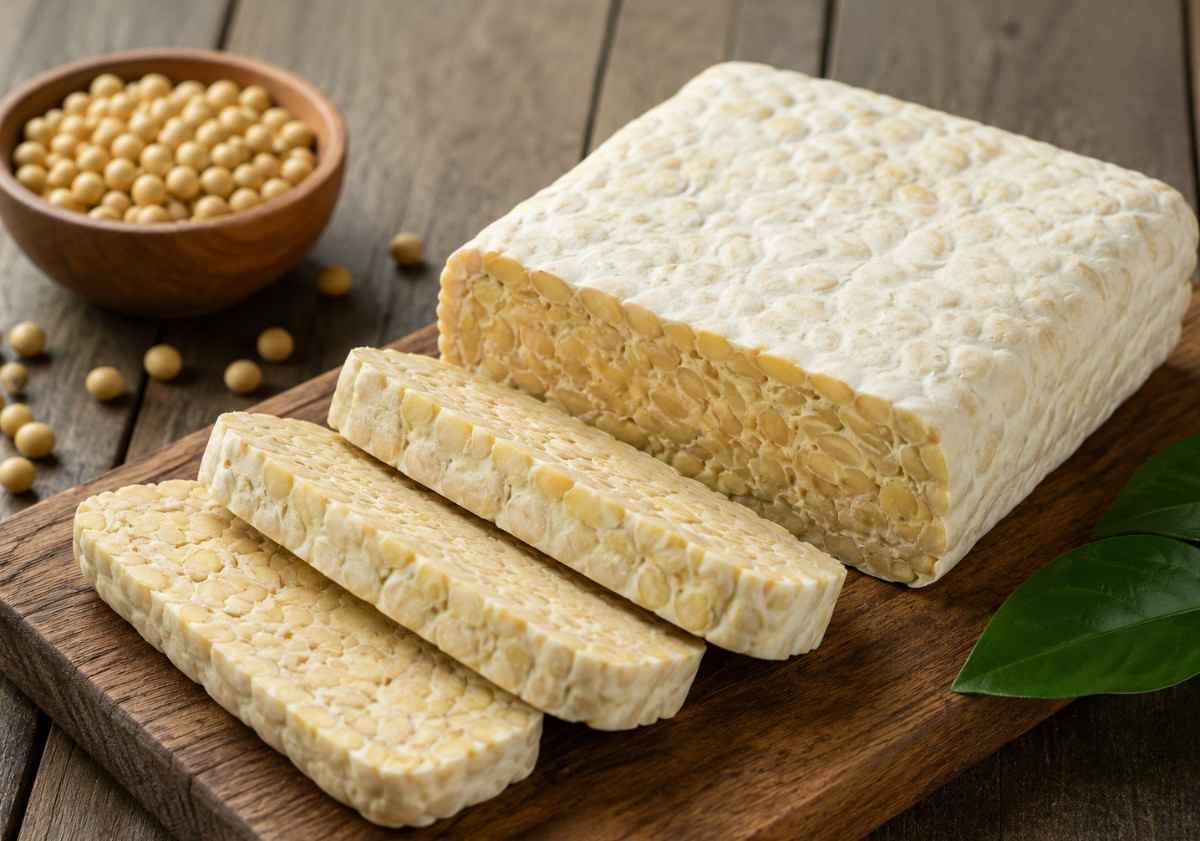
Tempeh (or tempe) is a traditional fermented soy food that has become increasingly popular as a plant-based protein. It has a firm, chewy texture and a nutty, slightly earthy flavor, making it useful in everything from stir-fries and sandwiches to salads and grain bowls.
Unlike tofu, which is made from soy milk, tempeh is made by fermenting whole cooked soybeans. This gives it a distinctive texture and makes it a particularly protein-rich food. Tempeh also provides minerals such as iron, magnesium, phosphorus, and manganese.
What Is Tempeh?
Tempeh is a traditional Indonesian fermented food made primarily from cooked soybeans. During fermentation, a beneficial mold from the Rhizopus genus grows around the beans and binds them together into a firm, cake-like block.
According to the Codex definition, traditional tempeh is produced from dehulled cooked soybeans through solid-state fermentation with Rhizopus species. Properly made tempeh typically has a compact white appearance and a nutty, mushroom-like flavor.
The fermentation process changes the texture and flavor of soybeans and may also make some components easier to digest. Fermented soy foods such as tempeh provide protein and other nutrients while fermentation partially breaks down some proteins and carbohydrates.
Tempeh can be found in refrigerated or frozen sections of many supermarkets and health-food stores. Some varieties also contain grains such as brown rice or other ingredients, so checking the ingredient label is useful if you have allergies or specific dietary requirements.
Nutrition Facts of Tempeh
The exact nutrition profile varies by brand and ingredients. The following values are based on approximately 100 grams of plain tempeh.
| Nutrient | Amount per 100 g |
|---|---|
| Calories | 192 kcal |
| Protein | 20.3 g |
| Carbohydrates | 7.6 g |
| Fat | 10.8 g |
| Calcium | 111 mg |
| Iron | 2.7 mg |
| Magnesium | 81 mg |
| Phosphorus | 266 mg |
| Potassium | 412 mg |
| Sodium | 9 mg |
| Zinc | 1.14 mg |
| Copper | 0.56 mg |
| Manganese | 1.3 mg |
A typical 3-ounce (85-gram) serving provides approximately 163 calories and 17 grams of protein. Tempeh is particularly notable for its protein content. Soy is considered a high-quality plant protein because it contains all nine essential amino acids, although the amount of each amino acid can vary.
20 Proven Health Benefits of Tempeh
1. High in Plant Protein: Tempeh provides around 20 grams of protein per 100 grams, making it a convenient protein source for vegetarian and vegan diets.
2. Supports Muscle Maintenance: Adequate dietary protein provides amino acids needed for maintaining and repairing muscles, especially when combined with regular physical activity.
3. May Support Heart Health: Replacing foods high in saturated fat, particularly processed or red meat, with soy foods can contribute to a more heart-friendly dietary pattern.
4. May Help Maintain Healthy Cholesterol Levels: Research suggests that replacing other protein sources with soy protein may modestly lower LDL cholesterol in some people.
5. Provides Iron: Tempeh contains iron, a mineral needed for hemoglobin production and normal oxygen transport throughout the body.
6. Supports Bone Health: Tempeh provides minerals including calcium, magnesium, and phosphorus that contribute to normal bone structure and maintenance.
7. Provides Magnesium: Magnesium is involved in hundreds of biochemical reactions, including normal muscle and nerve function and energy metabolism.
8. Provides Manganese: Tempeh is a useful dietary source of manganese, which contributes to normal metabolism and protection of cells from oxidative stress.
9. Contains Soy Isoflavones: Tempeh contains naturally occurring soy isoflavones, plant compounds that have been extensively studied for their possible effects on health.
10. May Support Blood Pressure: Research on soy isoflavones suggests they may produce a modest reduction in blood pressure, although effects vary among individuals.
11. May Support Metabolic Health: Soy-rich dietary patterns have been associated with a lower risk of type 2 diabetes in observational research, although this does not prove that tempeh itself prevents diabetes.
12. Helps Increase Plant-Based Food Intake: Using tempeh in place of some animal proteins can make it easier to build meals around legumes, vegetables, whole grains, and other plant foods.
13. May Support Menopausal Health: Soy isoflavones have been studied for menopausal hot flashes, with some research suggesting modest benefits, although findings remain inconsistent.
14. May Support Bone Density After Menopause: Soy isoflavones may have beneficial effects on bone density in postmenopausal women, although they should not replace established osteoporosis treatment.
15. Provides Phosphorus: Tempeh supplies phosphorus, which works with calcium to support bones and teeth and also participates in energy metabolism.
16. Provides Potassium: Potassium helps support normal nerve signaling, muscle function, and fluid balance in the body.
17. May Improve the Protein Quality of a Meal: Pairing tempeh with vegetables and whole grains creates a balanced meal containing protein, complex carbohydrates, fiber, and micronutrients.
18. May Be More Satisfying Than Low-Protein Foods: Its combination of protein and fat can make tempeh a filling addition to meals, potentially helping you stay satisfied between meals.
19. Useful for Meat Reduction: Tempeh’s firm texture and substantial protein content make it an easy substitute for meat in burgers, stir-fries, tacos, sandwiches, and bowls. Harvard Health specifically lists marinated and grilled tempeh as a practical way to replace meat in meals.
20. Fits Many Healthy Eating Patterns: Tempe can fit vegetarian, vegan, high-protein, and plant-forward diets when chosen in an appropriate portion and prepared with nutritious ingredients.
10 Side Effects of Tempeh
Tempeh is generally well tolerated by many people, but it is not suitable for everyone.
1. Soy Allergy: People with a soy allergy can experience allergic reactions after eating tempeh and should avoid it.
2. Digestive Discomfort: Some people may experience gas, bloating, abdominal discomfort, or changes in bowel habits when they first increase their intake of soy foods.
3. Calorie Intake: Although nutrient-dense, tempeh still contains calories, so very large portions can contribute substantially to total calorie intake.
4. Sodium in Seasoned Varieties: Flavored, marinated, or packaged tempe can contain considerably more sodium than plain tempeh, so nutrition labels are worth checking.
5. Added Ingredients: Some commercial products contain sauces, grains, oils, or other ingredients that may not suit people with particular allergies or dietary restrictions.
6. Fermentation Sensitivity: Some individuals may be sensitive to fermented foods and notice digestive symptoms after eating tempe.
7. Spoilage Risk: Fresh tempeh is perishable and should be stored and handled according to the manufacturer’s instructions.
8. Unusual Odor or Appearance: A strong ammonia-like smell or unexpected spoilage should not be ignored because properly produced fresh tempeh should not have an ammonia odor.
9. Excessive Intake: Eating very large quantities of one food can crowd out dietary variety, so tempe is best included as one part of a varied diet.
10. Homemade Fermentation Risks: Homemade tempe requires careful control of hygiene, temperature, moisture, and fermentation conditions because improperly fermented foods can pose food-safety concerns.
How to Eat Tempeh?
Tempeh is versatile and can be prepared in many ways.
Before cooking, you can slice, cube, crumble, or cut it into thin strips. Many people steam or simmer tempe briefly before marinating it because this can soften the texture and help it absorb flavors.
Popular ways to eat tempeh include:
- Pan-frying thin slices until golden.
- Baking marinated tempe.
- Air-frying cubes for a crispy texture.
- Adding crumbled tempe to tacos.
- Mixing tempe into vegetable stir-fries.
- Adding grilled tempe to salads.
- Using tempeh in sandwiches and wraps.
- Adding it to grain bowls.
- Crumbling it into pasta sauces.
- Using it in curries and stews.
Tips for Consuming Tempeh
- Start With a Small Portion: If you have never eaten tempe before, begin with a modest serving and see how your digestive system responds.
- Use Flavorful Marinades: Tempeh absorbs marinades well, so try combinations of ginger, garlic, low-sodium soy sauce, lemon, vinegar, herbs, or spices.
- Cook Until Golden: Pan-frying, baking, or air-frying can give tempe a pleasant crispy exterior.
- Choose Plain Varieties: Plain tempe gives you more control over sodium, sugar, sauces, and other ingredients.
- Pair It With Vegetables: Combine tempe with colorful vegetables and whole grains for a balanced meal.
- Check the Label: Look for the protein content, sodium level, added sugars, and ingredient list.
- Try Different Textures: Thin slices become crispier, while cubes or crumbles work well in curries, bowls, and sauces.
How to Use Tempeh?
Tempeh can be used as a main protein or as an ingredient within a larger meal.
For breakfast, you can add crispy tempe to a vegetable scramble or breakfast wrap. At lunch, use it in a salad, sandwich, or grain bowl. For dinner, it works well in stir-fries, curries, tacos, pasta dishes, and roasted vegetable meals.
Crumbled tempe can also replace some or all of the ground meat in recipes such as tacos, chili, stuffed peppers, or pasta sauce.
Other Uses of Tempeh
- Meat Alternative: Tempe can replace meat in burgers, wraps, sandwiches, tacos, and stir-fries because of its firm texture and high protein content.
- Salad Protein: Cubed or crispy tempe can turn a simple vegetable salad into a more filling meal.
- Breakfast Ingredient: Crumbled tempe can be cooked with vegetables and seasonings as a protein-rich breakfast component.
- Grain Bowl Topping: Roasted tempe works well over rice, quinoa, barley, or other whole grains with vegetables and a flavorful dressing.
- Taco Filling: Seasoned crumbled tempe makes a satisfying plant-based taco filling.
- Pasta Ingredient: Finely crumbled tempe can be incorporated into tomato-based pasta sauces.
- Soup Addition: Cubed tempe can add texture and protein to selected soups and stews.
- Sandwich Filling: Thinly sliced marinated tempe can be baked or pan-fried and added to sandwiches.
- Stir-Fry Protein: Tempeh pairs especially well with vegetables, ginger, garlic, and savory sauces in stir-fried dishes.
- Meal-Prep Protein: Cooked tempe can be portioned with grains and vegetables to create convenient meals for the week.
How to Make Tempeh?
Traditional tempeh requires cooked soybeans and a tempe starter containing Rhizopus spores. The beans are prepared, inoculated with the starter, and incubated under controlled conditions until the white fungal mycelium binds the beans into a firm cake.
A simplified overview is:
1. Soak the Soybeans
Soak dried soybeans until they soften.
2. Remove the Hulls
Traditional methods remove the soybean hulls to help create the appropriate fermentation environment.
3. Cook the Beans
Cook the prepared soybeans thoroughly and drain them well.
4. Cool and Dry
Allow the beans to cool to an appropriate temperature and remove excess surface moisture.
5. Add Tempeh Starter
Mix the beans with a commercially prepared tempe starter according to its instructions.
6. Pack for Fermentation
Place the inoculated beans into appropriate food-safe perforated packaging that allows the fungus to receive oxygen.
7. Ferment Under Controlled Conditions
Maintain appropriate temperature, moisture, airflow, and hygiene while the fermentation takes place.
8. Check the Finished Tempeh
Properly fermented tempe should form a compact cake bound by white mycelium and should have a fresh, nutty or mushroom-like aroma rather than a strong ammonia smell.
Because homemade fermentation can be affected by contamination and temperature control, beginners may find commercially produced tempe a safer and more convenient option.
How Much Tempeh Can You Eat in a Day?
There is no universally established daily serving size specifically for tempeh.
For most healthy adults, about 3 to 4 ounces (85 to 115 grams) in a meal is a practical portion. A 3-ounce serving provides roughly 17 grams of protein.
Some people may comfortably eat tempe more than once a day, while others may prefer smaller portions. Your overall protein requirements, calorie needs, dietary pattern, and tolerance should guide your intake.
Rather than relying on tempe for all your protein, rotate it with beans, lentils, nuts, seeds, dairy or eggs if you eat them, and other protein-rich foods.
Best Time to Eat Tempeh
There is no scientifically established “best” time to eat tempeh.
- Breakfast: Tempe can provide protein that makes a breakfast more substantial.
- Lunch: It works well in salads, wraps, grain bowls, and stir-fries.
- Dinner: Tempe can serve as the primary protein alongside vegetables and whole grains.
- After Exercise: A meal containing tempe can contribute protein to your overall daily intake, which is more important than a specific clock time.
In other words, choose the timing that fits your routine and digestion rather than worrying about a special window for eating tempe.
Who Should Eat Tempeh?
- Vegetarians: Tempe provides a convenient plant-based protein option for vegetarian meals.
- Vegans: Plain tempeh can fit naturally into vegan diets and provides substantial protein.
- People Reducing Meat: Tempe can replace some red or processed meat in meals while maintaining a substantial protein component.
- Active Adults: Its protein content makes tempe useful for people who need adequate dietary protein to support training and muscle maintenance.
- People Following Plant-Forward Diets: Tempe makes it easier to include soy and legumes as regular protein sources.
- People Seeking Nutrient-Dense Foods: Tempe provides protein along with minerals such as iron, magnesium, phosphorus, and manganese.
Who Should Not Eat Tempeh?
- People With Soy Allergy: Anyone with a confirmed soy allergy should avoid tempe unless their healthcare professional has specifically advised otherwise.
- People With a Known Reaction to Tempeh: Stop eating it and seek medical advice if you develop symptoms suggesting an allergic reaction.
- People Following a Soy-Free Diet: Tempe made from soybeans is not appropriate for a strict soy-free diet.
- People With Certain Dietary Restrictions: Some tempe products contain grains or other ingredients, so ingredient labels should be checked carefully.
- People With Significant Digestive Sensitivity: If tempe repeatedly causes substantial bloating or discomfort, reduce the portion or discuss your symptoms with a healthcare professional.
- People Eating Spoiled Tempeh: Tempe with unexpected mold, severe spoilage, or a strong unpleasant odor should be discarded rather than consumed.
How to Store Tempeh?
- Refrigerate Promptly: Keep fresh tempe refrigerated according to the package instructions.
- Follow the Package Date: The manufacturer’s storage instructions and date are important because commercial products vary in packaging and shelf life.
- Use an Airtight Container After Opening: Store leftover tempeh in a clean, sealed container in the refrigerator.
- Freeze for Longer Storage: If you will not use tempe soon, freezing can be a practical option depending on the product’s instructions.
- Check for Spoilage: Discard tempe if it develops an unexpected foul odor, sliminess, or unusual mold growth.
- Do Not Rely on Smell Alone: Food can sometimes harbor harmful microorganisms without obvious sensory changes, so proper refrigeration and handling remain important.
Fresh tempe is perishable, and food-safety guidance emphasizes prompt refrigeration and proper handling of perishable foods.
A white coating is expected on traditionally fermented tempe because the Rhizopus mycelium binds the beans together. However, unexpected green, blue, pink, or fuzzy mold should not be treated as normal. When a perishable food has significant unwanted mold growth, USDA guidance recommends discarding it rather than simply cutting away the affected portion.
Precautions and Interactions
- Soy Allergy Precaution: Avoid tempe if you have a diagnosed soy allergy because tempeh is traditionally made from soybeans.
- Thyroid Medication Consideration: People taking thyroid medication should discuss regular high intakes of soy foods with their healthcare professional, particularly if they have difficulty maintaining stable thyroid levels.
- Medication Review: If you take several medications or have a chronic medical condition, discuss major dietary changes with your healthcare professional.
- Hormone-Sensitive Conditions: Soy contains isoflavones with estrogen-like activity, but whole soy foods have not been shown to have the same effects as estrogen medications; people with specific hormone-sensitive medical conditions should discuss individual concerns with their clinician.
- Choose Whole Soy Foods: Whole or minimally processed soy foods such as tempe are generally preferred over relying on concentrated soy-isoflavone supplements.
- Watch Sodium: Flavored tempe products can contain more sodium than plain versions, so check the nutrition label.
- Food Safety Matters: Homemade tempe requires careful sanitation and fermentation control because poor fermentation conditions can compromise food safety.
- Pregnancy and Breastfeeding: Tempe can be part of a balanced diet for many people during pregnancy or breastfeeding, but those with soy allergies or specific medical or dietary restrictions should discuss their intake with their healthcare professional.
- Do Not Use Tempeh as a Treatment: Although soy foods have been studied for cholesterol, blood pressure, menopause, bone health, and other outcomes, tempe should not be used to treat or prevent a disease on its own.
- Diversify Your Diet: Tempe is nutritious, but eating a variety of legumes, vegetables, fruits, whole grains, nuts, seeds, and other protein sources provides a broader range of nutrients.
Is Tempeh Healthy?
Yes, tempeh can be a healthy food for most people. It is particularly useful because it combines substantial plant protein with minerals and the nutritional characteristics of soy.
The strongest practical benefit may come from what tempe replaces. Using tempe instead of processed meat or large amounts of red meat can improve the overall nutritional profile of a meal. Research on soy foods suggests generally beneficial or neutral associations with several health outcomes, although not every claimed benefit has been conclusively established. For the best results, choose minimally processed tempe, prepare it with vegetables and whole grains, and keep your overall diet varied.
FAQ’s
Is tempeh good for weight loss?
Tempe can support a weight-management diet because its protein content may help increase fullness, but overall calorie intake and dietary habits matter most.
Is tempeh better than tofu?
Neither is always better. Tempe is firmer and made from whole fermented soybeans, while tofu is softer and made from soy milk.
Can I eat tempeh every day?
Most healthy adults can eat tempe regularly as part of a varied, balanced diet.
Is tempeh a complete protein?
Yes. Soy protein contains all nine essential amino acids, making tempe a high-quality plant protein.
Does tempeh need to be cooked?
Cooking tempe is recommended for better flavor and texture. Follow the preparation instructions on the package.
Does tempeh contain probiotics?
Tempe is fermented, but the amount and survival of live microorganisms can vary depending on processing and cooking.
Is tempeh good for vegetarians and vegans?
Yes. Plain tempe is naturally plant-based and is an excellent protein option for vegetarian and vegan meals.
Does tempeh taste like tofu?
No. Tempe usually has a stronger nutty, earthy flavor and firmer texture, while tofu tends to have a mild taste.
Can tempeh cause gas or bloating?
It can cause gas or bloating in some people, particularly when first introduced or eaten in large portions.
Is tempeh gluten-free?
Traditional soy-only tempe is naturally gluten-free, but some commercial varieties contain grains or sauces containing gluten, so check the label.
Is tempeh high in protein?
Yes. About 100 grams of tempe provides roughly 20 grams of protein, although amounts vary by product.
Can people with soy allergies eat tempeh?
No. Traditional tempe is made from soybeans, so people with a soy allergy should avoid it.
Is tempeh good for muscle building?
Tempe can contribute to muscle growth and maintenance because it provides substantial protein and essential amino acids, particularly when combined with resistance exercise and adequate overall nutrition.
What is the best way to cook tempeh?
Baking, pan-frying, steaming, grilling, and air-frying are popular methods. Marinating it first can improve its flavor.
Can tempeh be eaten at night?
Yes. There is no established reason that healthy adults need to avoid tempe at night. Choose the timing that suits your routine and digestion.
Does tempeh have more protein than tofu?
Tempe is often more protein-dense by weight than many types of tofu, but the exact amounts depend on the product and preparation.
How long does tempeh last in the refrigerator?
Follow the manufacturer’s storage instructions and use it by the recommended date. Once opened, keep it refrigerated in a clean, sealed container.
Can tempeh replace meat?
Yes. Tempe can replace meat in dishes such as tacos, stir-fries, sandwiches, salads, burgers, pasta sauces, and grain bowls.
Is Tempeh Safe for Pregnant Women?
Yes, tempe can generally be included in pregnancy as a nutritious source of protein, provided it is properly stored, thoroughly cooked, and made from safe ingredients. Pregnant women with soy allergies or specific medical concerns should consult their healthcare provider.
Is Tempeh Safe for Children?
Tempe can be part of a child’s balanced diet when appropriately prepared and served in an age-appropriate portion. Introduce it according to the child’s developmental stage and watch for possible soy allergy symptoms.
What Is Tempeh Good For?
Tempe is particularly good for providing plant-based protein, iron, magnesium, phosphorus, and other nutrients. It can also be a useful alternative to meat in a balanced diet.
What Does Tempeh Taste Like?
Tempe has a firm, chewy texture and a naturally nutty, earthy flavor. Marinating and cooking it can make the flavor milder and more savory.
What Is Tempeh in India?
In India, tempe is a relatively newer plant-based protein made primarily from fermented soybeans. It is increasingly available in supermarkets, health-food stores, and online grocery platforms.
Is Tempeh Healthier Than Paneer?
Neither is automatically healthier. Tempe provides plant-based protein and soy nutrients, while paneer provides protein, calcium, and other nutrients but is generally higher in saturated fat. The better choice depends on your overall diet and nutritional needs.
Why Is Tempeh So Expensive?
Tempe can be more expensive because it requires controlled fermentation, specialized starter cultures, refrigeration, and relatively smaller-scale production compared with common soy products.
Which Country Eats the Most Tempeh?
Indonesia is traditionally considered the world’s largest consumer and producer of tempe. Tempe has been an important part of Indonesian cuisine for centuries.
Is Tempeh Harder to Digest Than Tofu?
Not necessarily. Fermentation may make some components of soybeans easier to digest, but individual responses vary. Some people may find tempe easier to tolerate, while others may experience gas or bloating.
Does Eating Tempeh Increase Estrogen?
Tempe contains soy isoflavones, which have some estrogen-like activity, but they are not the same as human estrogen. Current evidence does not show that eating normal amounts of soy foods causes harmful increases in estrogen in healthy adults.
Is Tempeh Inflammatory?
Tempe is not generally considered an inflammatory food. Soy foods have been studied for potentially beneficial effects on inflammation and metabolic health, although individual responses can differ.
Can Tempeh Cause Weight Gain?
Tempe itself does not automatically cause weight gain. However, eating very large portions or preparing it with substantial amounts of oil, sugary sauces, or other high-calorie ingredients can increase total calorie intake.
Is Tempeh Good for Your Kidneys?
For many healthy people, tempe can be part of a balanced diet. However, people with chronic kidney disease may have specific protein, phosphorus, potassium, or other dietary requirements and should follow their healthcare professional’s dietary recommendations.
Can Diabetics Eat Tempeh?
Yes, tempe can generally fit into a diabetes-friendly eating pattern because it provides protein and relatively few carbohydrates. Portion size and the other foods in the meal still matter.
Should I Soak Tempeh Before Cooking It?
No, soaking is not required. You can cook tempe directly, although steaming or briefly simmering it before marinating can soften its texture and help it absorb flavors.
Is It Necessary to Boil Tempeh?
No, boiling is not necessary for most commercially prepared tempe. Steaming, baking, pan-frying, grilling, or air-frying are common preparation methods.
How Do I Know If Tempeh Is Fully Cooked?
Cooked tempe should be hot throughout and develop a firm, tender texture with a lightly browned or crisp exterior when fried, baked, or grilled. Follow the cooking instructions provided on the package.
Which Country Is Tempeh Originally From?
Tempe originated in Indonesia, particularly on the island of Java, where it has been part of traditional cuisine for generations.
Is tempeh good for vegetarians?
Yes. Its high protein content and firm texture make it particularly useful in vegetarian meals.
Sources / References:
- Harvard T.H. Chan School of Public Health
- National Center for Complementary and Integrative Health
- Harvard Health Publishing
- USDA Food Safety and Inspection Service
- Tempeh.com
Disclaimer:
This article is for general educational purposes only and does not replace professional medical advice. If you have a soy allergy, medical condition, take medications, or have specific dietary concerns, consult a qualified healthcare professional before making significant dietary changes.
Also Read: