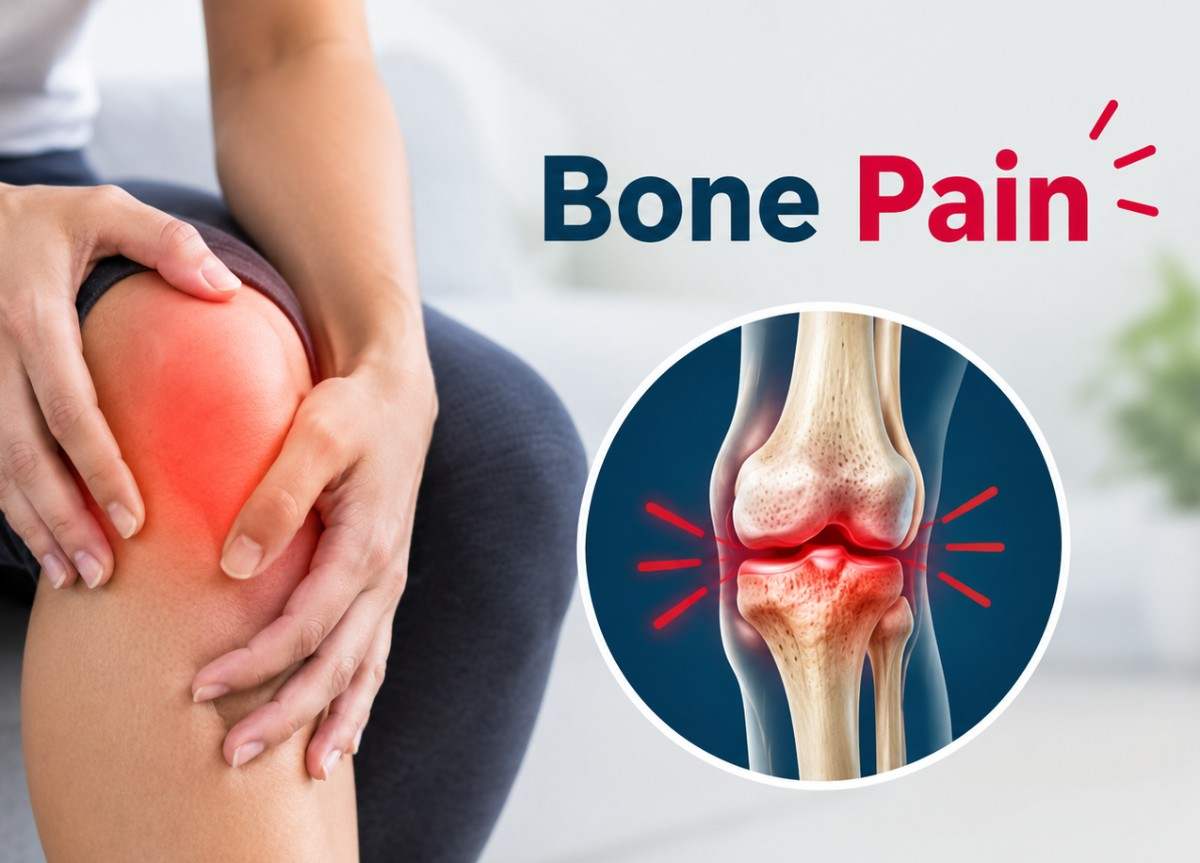
Bone pain can feel deep, aching, tender, or sharp, and it may affect one bone or several areas of the body. Unlike ordinary muscle soreness or joint pain, pain that truly comes from the bone deserves attention, especially when it is persistent or unexplained.
Bone pain can happen after an injury, but it may also be linked to infections, weakened bones, nutritional problems, blood disorders, or other medical conditions. Because the treatment depends heavily on the underlying cause, ongoing or unexplained bone pain should not simply be ignored.
This guide explains the common causes of bone pain, symptoms to watch for, how doctors diagnose it, treatment options, lifestyle measures, and when medical care is important.
What Is Bone Pain?
Bone pain is discomfort, aching, or tenderness that originates from bone tissue. It can occur in a specific location, such as the hip or shin, or affect multiple bones.
Bone pain is less common than muscle or joint pain. This is one reason persistent pain that seems to be coming directly from a bone should be evaluated rather than automatically attributed to exercise, aging, or everyday aches.
People may describe bone pain as:
- A deep, dull ache
- Tenderness when the area is touched
- A sharp or stabbing sensation
- Throbbing discomfort
- Pain that becomes worse with movement or weight-bearing
- Persistent pain that may continue even when resting
Common Causes of Bone Pain
There are many possible causes of bone pain. Some are temporary, while others require medical treatment.
1. Bone Injury or Fracture
A fall, accident, sports injury, or direct blow can damage a bone and cause significant pain. Fractures may also occur from relatively minor trauma when bones have become weak.
2. Overuse and Repetitive Stress
Repeated physical activity can place excessive stress on bones. Stress injuries can develop gradually, particularly in people who suddenly increase running, jumping, or other high-impact activities.
3. Osteoporosis
Osteoporosis reduces bone density and makes bones more fragile. It often has no obvious symptoms until a fracture occurs, but compression fractures of the spine can cause significant back or bone pain.
4. Osteomyelitis
Osteomyelitis is an infection of the bone. It can cause bone pain along with symptoms such as fever, chills, swelling, redness, warmth, or drainage from an affected area.
5. Vitamin D Deficiency and Poor Nutrition
Adequate vitamin D, calcium, protein, and other nutrients are important for maintaining healthy bones. Severe nutritional deficiencies can contribute to poor bone mineralization and skeletal problems.
However, it is important not to assume that every case of bone pain is caused by a vitamin deficiency. Testing may be needed to identify an actual deficiency.
6. Paget’s Disease of Bone
Paget’s disease can cause abnormal bone remodeling. Some people have no symptoms, while others may experience bone pain, deformity, or complications such as fractures.
7. Blood Disorders
Certain blood disorders can affect bones and cause pain. For example, sickle cell disease can interfere with blood flow and lead to painful episodes.
8. Hyperparathyroidism
Problems involving the parathyroid glands can alter calcium and bone metabolism. In some cases, prolonged hyperparathyroidism can contribute to bone pain and weakened bones.
9. Cancer
Bone cancer or cancer that has spread to the bones can cause bone pain. Persistent, unexplained pain does not automatically mean cancer, but symptoms that do not have an obvious explanation should be medically assessed.
10. Leukemia and Other Conditions
Some blood cancers and systemic illnesses can produce bone or bone-marrow-related discomfort. The presence of other symptoms and medical history helps doctors determine whether additional testing is necessary.
Symptoms of Bone Pain
Bone pain can vary depending on its cause.
Common symptoms include:
- Deep or aching pain
- Localized tenderness
- Pain that persists at rest
- Pain that becomes worse with activity
- Swelling around the affected area
- Difficulty walking or putting weight on a limb
- Reduced movement
- Unexplained fractures
- Weakness or fatigue
- Fever or chills when infection is involved
Some people experience pain in only one bone, while others may have discomfort in several areas.
Bone Pain vs. Muscle or Joint Pain
It can be difficult to determine whether pain is actually coming from a bone, muscle, tendon, or joint.
Bone pain is often described as deeper and more localized.
Muscle pain commonly feels sore, tight, or tender and may follow physical activity.
Joint pain is usually centered around a joint and may be accompanied by swelling, stiffness, warmth, or pain with movement.
Because these symptoms can overlap, persistent pain should be evaluated rather than self-diagnosed.
When Is Bone Pain Serious?
Unexplained bone pain should be taken seriously, particularly when it persists, worsens, or occurs with other symptoms. Contacting a healthcare professional for unexplained bone pain or tenderness.
Seek prompt medical attention if bone pain occurs with:
- A suspected fracture
- Severe or rapidly worsening pain
- Significant swelling or deformity
- Fever or chills
- Redness and warmth over the painful area
- An open wound near the bone
- Unexplained weight loss
- Persistent fatigue or weakness
- Recurrent fractures
- Pain that continues without an obvious injury
Emergency Warning Signs of Bone Pain
Get emergency medical help after a serious injury if a limb looks deformed, the bone is visible through the skin, or the affected area becomes numb, cold, blue, or severely difficult to move. These can be signs of a serious fracture or impaired circulation.
How Is Bone Pain Diagnosed?
A healthcare professional will usually begin by asking about:
- Where the pain occurs
- When it started
- Whether it followed an injury
- Whether it is getting worse
- What makes it better or worse
- Whether pain occurs during activity or at rest
- Other symptoms you may have
- Your medical and medication history
A physical examination may then be performed.
Depending on the suspected cause, testing can include:
1. Blood Tests
Blood tests may help identify infection, inflammation, nutritional problems, blood disorders, or abnormalities involving calcium and other substances.
2. X-Ray
An X-ray may help identify fractures, structural changes, or certain bone abnormalities.
3. MRI or CT Scan
These imaging tests can provide more detailed information when an X-ray does not explain the pain or when a more complicated problem is suspected.
4. Bone Scan
A bone scan may be used in selected situations to identify areas of abnormal bone activity.
5. Bone Density Testing
A DEXA scan can measure bone mineral density and help assess osteoporosis and fracture risk.
Treatment for Bone Pain
There is no single treatment for bone pain because treatment depends on its underlying cause.
1. Rest and Activity Modification
If pain is related to overuse or an injury, temporarily reducing activities that aggravate the area may help. Complete prolonged bed rest is not appropriate for every condition, so activity recommendations should be individualized.
2. Pain-Relieving Medicines
Depending on the cause and your health history, a healthcare professional may recommend pain-relieving or anti-inflammatory medicines. Some medicines are not appropriate for people with certain kidney, stomach, heart, liver, or bleeding conditions, so they should be used according to professional advice.
3. Antibiotics
Bone infections may require prescription antibiotics and, in some cases, surgery to remove infected or damaged tissue.
4. Osteoporosis Treatment
When bone pain is related to osteoporosis or fractures caused by weak bones, treatment may include measures to improve bone strength and reduce future fracture risk.
5. Physical Therapy
Physical therapy may help restore strength, flexibility, balance, and movement after certain injuries or fractures.
6. Surgery
Severe fractures, complicated infections, certain tumors, or structural problems may require surgery.
Can Diet Help Support Bone Health?
A nutritious diet supports normal bone maintenance, although food alone cannot treat every cause of bone pain.
Include a balanced diet containing:
- Milk, yogurt, and other calcium-rich foods
- Leafy green vegetables
- Beans and legumes
- Nuts and seeds
- Eggs
- Fish
- Lean protein
- Fortified foods when appropriate
- Fruits and vegetables
Vitamin D helps the body absorb calcium and is important for bone health. Depending on individual circumstances, vitamin D may come from sunlight exposure, foods, or supplements.
It is best to discuss supplementation with a healthcare professional rather than taking high-dose calcium or vitamin D without a reason.
Lifestyle Habits for Stronger Bones
Healthy daily habits can support long-term skeletal health.
1. Choose Weight-Bearing Exercise
Walking, resistance training, and other appropriate weight-bearing activities can help support bone strength.
2. Build Muscle Strength
Stronger muscles can support movement and help improve stability and balance.
3. Avoid Smoking
Smoking is associated with poorer bone health and can interfere with normal bone maintenance.
4. Limit Excessive Alcohol
Heavy alcohol consumption can negatively affect bone health and increase the risk of falls and fractures.
5. Maintain a Healthy Weight
Both inadequate nutrition and certain patterns of excessive weight can affect skeletal health. A balanced diet and appropriate physical activity are important.
Exercises for Bone Pain Relief
Exercise can support bone strength and mobility, but the right activity depends on why the bone hurts. If you have unexplained, severe, or persistent bone pain, a suspected fracture, or a diagnosed bone condition, get medical advice before exercising.
1. Walking
Walking is a simple weight-bearing activity that can help maintain bone strength and overall mobility. Start with 10–15 minutes and gradually increase as comfortable.
2. Chair Squats
Stand in front of a sturdy chair, lower yourself slowly toward the seat, then stand back up. Try 8–10 repetitions.
3. Wall Push-Ups
Place your hands against a wall and slowly bend and straighten your elbows. This provides gentle resistance for the upper body.
4. Heel Raises
Hold a stable surface and slowly rise onto your toes, then lower your heels. Repeat 10–15 times to strengthen the lower legs.
5. Step-Ups
Using a low, secure step, step up and down slowly while maintaining good balance. Begin with 5–10 repetitions per leg.
6. Resistance-Band Exercises
Gentle resistance-band exercises can strengthen the muscles that support your bones and joints. Begin with light resistance.
7. Balance Exercises
Standing near a sturdy chair or countertop, practice balancing on one leg for 10–20 seconds. Balance training can help reduce fall risk.
8. Gentle Stretching
Gentle stretching can improve flexibility and reduce stiffness around painful areas. Avoid forcing a stretch or exercising directly through sharp pain.
9. Low-Impact Cycling
Stationary cycling can improve fitness without placing as much impact on the bones and joints as running. It is particularly useful when weight-bearing exercise is uncomfortable.
10. Swimming
Swimming is excellent for general fitness and muscle conditioning, although it is not a weight-bearing exercise, so it should complement rather than replace bone-strengthening activities when appropriate.
Exercises to Avoid During Active Bone Pain
Avoid high-impact activities such as running, jumping, heavy lifting, or contact sports if they increase your pain or if you have a suspected fracture or weakened bones. With osteoporosis or a known fracture, exercise should be individualized by a healthcare professional or physical therapist.
Important: Stop exercising and seek medical advice if pain becomes severe, suddenly worsens, causes swelling, or continues after exercise.
Can Bone Pain Be Caused by a Vitamin Deficiency?
Vitamin deficiencies can contribute to skeletal problems, but bone pain should not automatically be blamed on a lack of vitamins.
Vitamin D is particularly important for calcium absorption and bone health. Severe deficiency can contribute to impaired bone mineralization.
If bone pain is persistent, a healthcare professional may decide whether blood tests are appropriate based on your symptoms and risk factors.
How Long Does Bone Pain Last?
The duration depends on its cause.
Pain from a minor injury may improve as the injury heals. Stress injuries and fractures can take weeks or longer to recover. Pain caused by infection, osteoporosis-related fractures, metabolic conditions, or other underlying diseases may continue until the condition is treated.
Persistent pain without an obvious explanation should be evaluated rather than waiting indefinitely for it to disappear.
Prevention of Bone Problems
You cannot prevent every cause of bone pain, but several habits can help protect bone health:
- Eat a balanced diet
- Get adequate calcium and vitamin D
- Exercise regularly
- Include resistance and weight-bearing activities when appropriate
- Avoid smoking
- Limit excessive alcohol
- Reduce fall hazards at home
- Maintain muscle strength and balance
- Follow treatment plans for osteoporosis or other bone conditions
- Seek medical attention after significant injuries
FAQ’s
Can dehydration cause bone pain?
Dehydration is not generally considered a common direct cause of bone pain. However, dehydration can contribute to other symptoms such as muscle cramps and weakness.
What does bone pain feel like?
Bone pain often feels deep, aching, tender, sharp, or throbbing and may worsen with movement or pressure.
Can vitamin D deficiency cause bone pain?
Yes. Severe vitamin D deficiency can weaken bones and contribute to bone or muscle discomfort.
Is bone pain a sign of cancer?
Bone pain can occur with bone cancer or cancer spread to the bones, but most bone pain has other causes.
When should I worry about bone pain?
See a doctor if pain is severe, persistent, unexplained, worsening, or accompanied by swelling, fever, weakness, weight loss, or fractures.
Can stress cause bone pain?
Stress itself does not usually cause direct bone pain, but repetitive physical activity or muscle tension associated with stress may cause nearby discomfort.
Can osteoporosis cause bone pain?
Osteoporosis usually has no symptoms until a fracture occurs. Fractures caused by weakened bones can lead to significant pain.
Is bone pain normal with aging?
Occasional aches can become more common with age, but persistent or unexplained bone pain should not be considered a normal part of aging.
How can you relieve bone pain?
Relief depends on the cause. Rest, gentle activity, appropriate pain medicine, and treating underlying problems such as vitamin D deficiency or osteoporosis may help. Persistent or unexplained pain should be evaluated by a doctor.
What should you eat to help with bone pain?
Choose calcium- and vitamin D-rich foods such as dairy products, fortified foods, leafy greens, fatty fish, eggs, beans, nuts, and seeds. A balanced diet also provides protein and other nutrients needed for bone health.
Can a B12 deficiency cause bone pain?
Vitamin B12 deficiency is not usually a direct cause of bone pain. However, it can cause nerve-related symptoms, weakness, numbness, and other discomfort that may sometimes be mistaken for bone or muscle pain.
Which vitamin is best for bone pain?
Vitamin D is particularly important for bone health because it helps the body absorb calcium. Calcium is a mineral rather than a vitamin, but it is also essential for maintaining strong bones. Supplements should be taken when a deficiency or increased need has been identified.
Sources / References:
Disclaimer:
This guide is for educational purposes only and does not replace professional medical advice, diagnosis, or treatment. Persistent, severe, or unexplained bone pain should be evaluated by a qualified healthcare professional.
Also Read: