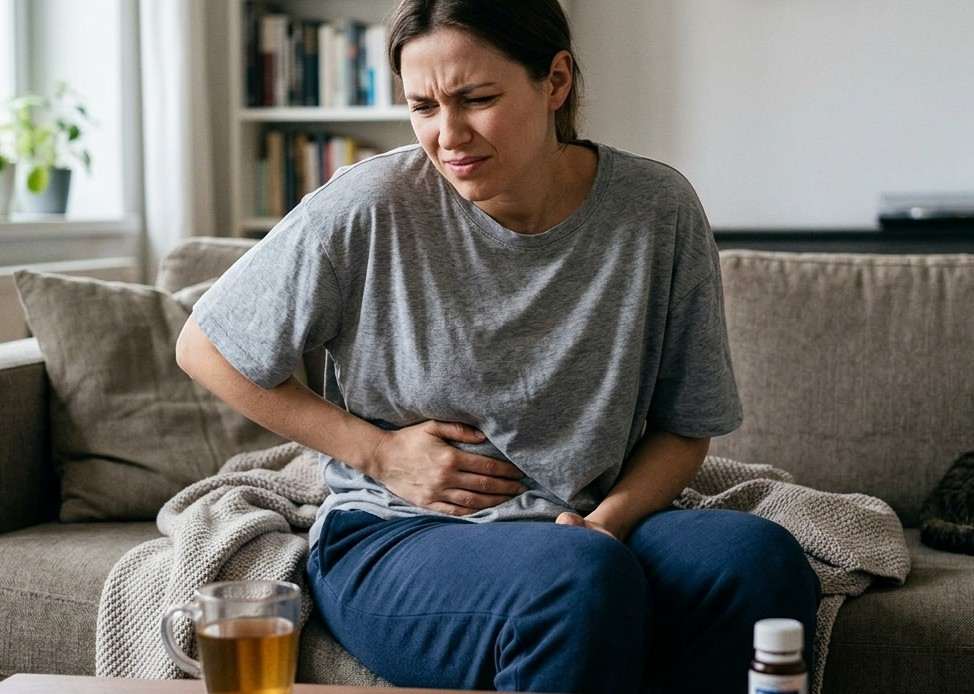
Ovulation pain is a type of lower abdominal or pelvic pain that some people experience around the middle of their menstrual cycle. It is commonly called mittelschmerz, a German term meaning “middle pain.”
For some people, ovulation feels like a mild cramp or pressure. For others, it may feel like a sudden sharp pain on one side of the lower abdomen. The discomfort can last only a few minutes, several hours, or occasionally up to one or two days.
Although ovulation pain is often harmless, not every mid-cycle pelvic pain is caused by ovulation. Conditions such as ovarian cysts, endometriosis, pelvic inflammatory disease, appendicitis, and ectopic pregnancy can sometimes cause similar symptoms.
Understanding the timing, location, severity, and accompanying symptoms can help you recognize typical ovulation pain and know when medical evaluation is important.
What Is Ovulation Pain?
Ovulation pain is discomfort that occurs around the time an ovary releases an egg. It usually happens around the middle of the menstrual cycle, although the exact timing varies from person to person.
The pain commonly occurs on one side of the lower abdomen because ovulation generally occurs from one ovary at a time. The side may change from one cycle to another, although it does not necessarily alternate predictably.
Some people experience ovulation pain regularly, while others notice it only occasionally. Many people do not experience any noticeable pain during ovulation.
What Does Ovulation Pain Feel Like?
Ovulation pain can feel different from person to person. Common descriptions include:
- A dull ache in the lower abdomen
- A sharp or sudden twinge
- Cramping similar to mild menstrual cramps
- Pressure or discomfort in the pelvic area
- A brief stabbing sensation
- Pain on only one side of the lower abdomen
- Pain that comes and goes
- Mild discomfort that gradually disappears
Occasionally, light vaginal spotting or increased vaginal discharge may occur around ovulation.
Where Is Ovulation Pain Located?
Ovulation pain is usually felt in the lower abdomen or pelvic area, often on one side.
For example, if the right ovary is releasing an egg, the discomfort may be felt on the lower right side of the abdomen. If ovulation occurs from the left ovary, the discomfort may occur on the lower left side.
However, the location of pain alone cannot confirm that ovulation is the cause. Other abdominal and pelvic conditions can produce similar symptoms.
When Does Ovulation Pain Occur?
Ovulation pain typically occurs around the middle of the menstrual cycle.
For someone with a 28-day cycle, ovulation may occur around day 14, although actual ovulation timing can vary. It is often described as occurring approximately 14 days before the next menstrual period rather than necessarily on day 14 of every cycle.
People with shorter or longer cycles may ovulate at different times.
Tracking your periods and recording when pain occurs can help you identify whether your symptoms follow a recurring mid-cycle pattern.
How Long Does Ovulation Pain Last?
Ovulation pain may last for:
- A few minutes
- Several hours
- Most of a day
- Occasionally up to one or two days
The duration can vary between individuals and even from one cycle to another.
Pain that is severe, persistent, progressively worsening, or repeatedly occurs outside your usual pattern should not automatically be attributed to ovulation.
What Causes Ovulation Pain?
The exact reason some people experience pain during ovulation is not completely understood.
One possible explanation is that the growing ovarian follicle stretches the surface of the ovary before the egg is released. Another possibility is that fluid or a small amount of blood released when the follicle ruptures can irritate nearby tissues.
In other words, the discomfort may be related to the physical changes occurring around the ovary during egg release.
Common Symptoms That May Occur With Ovulation
Ovulation pain may occur by itself, but some people notice other changes around the same time.
1. One-Sided Lower Abdominal Pain
Pain is commonly felt on one side of the lower abdomen and may correspond with the ovary releasing an egg.
2. Mild Cramping
The sensation may resemble a mild menstrual cramp or an aching feeling.
3. Sharp Twinges
Some people experience a sudden, short-lived sharp sensation.
4. Light Spotting
A small amount of vaginal bleeding can sometimes occur around ovulation.
5. Changes in Vaginal Discharge
Some people notice increased or different cervical mucus around ovulation.
6. Pelvic Pressure
A feeling of fullness or pressure may accompany lower abdominal discomfort.
These symptoms can vary considerably, so they should not be used alone to determine whether ovulation has occurred.
Ovulation Pain vs. Period Cramps
Ovulation pain and menstrual cramps occur at different points in the menstrual cycle.
Ovulation pain usually occurs around the middle of the cycle, often on one side of the lower abdomen.
Period cramps generally occur around the beginning of menstruation and are caused largely by uterine contractions associated with shedding the uterine lining.
Keeping a menstrual symptom diary can make the difference easier to recognize.
Is Ovulation Pain Normal?
For many people, mild, short-lasting ovulation pain is normal and does not require medical treatment.
However, “normal ovulation pain” should generally be mild or manageable and follow a recognizable pattern.
If you suddenly develop intense pain, pain that lasts longer than usual, fever, vomiting, fainting, heavy bleeding, or other concerning symptoms, another condition may be responsible.
Home Remedies for Ovulation Pain
Mild ovulation pain can often be managed with simple measures.
1. Use a Heating Pad
Applying gentle warmth to the lower abdomen may help relax muscles and ease cramping.
2. Take a Warm Bath
A warm bath can provide temporary relief from pelvic discomfort and help the body relax.
3. Rest
If the pain is uncomfortable, taking a break from strenuous activity may help until symptoms settle.
4. Stay Hydrated
Drinking enough fluids supports general health and may help you feel better when experiencing abdominal discomfort.
5. Track Your Symptoms
Record the date, location, duration, and severity of your pain. This can help you recognize patterns and provide useful information to a healthcare professional if the pain changes.
Medical Treatment for Ovulation Pain
Most cases of mild ovulation pain do not require prescription treatment and improve on their own. When the pain is frequent, severe, or interferes with daily activities, a healthcare professional may recommend treatment based on the underlying cause.
1. Over-the-Counter Pain Relievers
Medicines such as paracetamol (acetaminophen) or certain NSAIDs, including ibuprofen or naproxen, may help relieve mild ovulation-related pain. Use them only as directed and make sure they are appropriate for you.
2. Hormonal Birth Control
For people who experience recurrent ovulation pain, hormonal contraceptives may be considered. Methods that prevent ovulation can reduce or eliminate pain associated with the release of an egg.
Options may include:
- Combined birth control pills
- Progestin-only methods
- Hormonal implants
- Certain hormonal contraceptive methods
The best option depends on your health history, medications, risk factors, and whether you are trying to become pregnant.
3. Treatment for an Underlying Condition
Sometimes what appears to be ovulation pain is caused by another condition. Treatment may therefore focus on the actual cause, such as:
- Ovarian cysts: Monitoring or treatment may be recommended depending on the cyst and symptoms.
- Endometriosis: Treatment can include pain management, hormonal therapy, or other approaches depending on severity.
- Pelvic inflammatory disease: Antibiotics may be required when an infection is diagnosed.
- Urinary or digestive conditions: Treatment depends on the specific diagnosis.
4. Medical Evaluation for Severe Pain
If pain is unusually severe, persistent, or different from your normal cycle, a healthcare professional may perform an examination and may recommend tests such as a pregnancy test or pelvic ultrasound to identify other possible causes.
5. When Treatment Is Urgent
Severe pelvic or abdominal pain accompanied by fainting, dizziness, heavy bleeding, fever, persistent vomiting, or possible pregnancy requires prompt medical assessment. These symptoms can indicate conditions that are more serious than typical ovulation pain.
Important Note:
Do not repeatedly self-treat severe or recurring pelvic pain as “ovulation pain” without getting it evaluated. A proper diagnosis is important because ovarian cysts, endometriosis, infections, appendicitis, and ectopic pregnancy can cause similar symptoms.
10 Exercises for Ovulation Pain Relief
If ovulation pain is mild, gentle movement may help reduce pelvic tension and discomfort. Avoid strenuous exercise if movement makes the pain worse.
1. Walking
A gentle 10–20 minute walk can keep the body moving without putting excessive pressure on the abdomen.
2. Child’s Pose
Kneel and slowly lower your upper body toward the floor while extending your arms forward. Hold for 20–30 seconds and breathe comfortably.
3. Cat-Cow Stretch
Start on your hands and knees. Slowly alternate between gently arching and rounding your back. Repeat 8–10 times.
4. Knees-to-Chest Stretch
Lie on your back and gently bring your knees toward your chest. Hold for 15–30 seconds without forcing the stretch.
5. Pelvic Tilts
Lie on your back with your knees bent. Gently tighten your abdominal muscles and flatten your lower back against the floor. Hold briefly, then relax. Repeat 8–10 times.
6. Butterfly Stretch
Sit with the soles of your feet together and allow your knees to gently move toward the floor. Hold for 20–30 seconds.
7. Gentle Hip Stretch
A comfortable hip-flexor or seated hip stretch may help release tension around the pelvis. Keep the movement gentle and stop if pain increases.
8. Deep Breathing
Lie comfortably or sit upright. Take slow, deep breaths while relaxing your abdomen and pelvic muscles for several minutes.
9. Gentle Yoga
Low-intensity yoga movements can encourage relaxation and flexibility. Avoid poses that cause abdominal or pelvic discomfort.
10. Light Stretching
Gentle full-body stretching may help you relax when mild cramps or pelvic tension accompany ovulation.
Exercises to Avoid During Ovulation Pain
If you are experiencing significant ovulation discomfort, temporarily avoid:
- Heavy weightlifting
- High-intensity interval training
- Sprinting
- Intense abdominal exercises
- Exercises that involve repeated jumping
- Any movement that makes the pain sharper or stronger
Important: Exercise should not be used to push through severe pelvic pain. If pain is sudden, intense, persistent, worsening, or accompanied by fever, vomiting, heavy bleeding, dizziness, fainting, or possible pregnancy, seek medical evaluation rather than exercising through it.
Warning Signs of Ovulation Pain
Most ovulation pain is mild and short-lived. However, pelvic or abdominal pain should be medically evaluated if you experience any of these warning signs:
- Severe or sudden pain: Pain that is intense, sharp, or starts suddenly should not automatically be assumed to be ovulation pain.
- Pain that keeps getting worse: Increasing pain may indicate another abdominal or pelvic condition.
- Pain lasting several days: Pain that continues longer than your usual mid-cycle discomfort deserves medical attention.
- Fever or chills: These can occur with infections and require evaluation.
- Persistent vomiting or severe nausea: Especially when accompanied by significant abdominal pain.
- Heavy vaginal bleeding: Bleeding that is unusually heavy or accompanied by severe pain should be assessed.
- Dizziness or fainting: These can be signs of a potentially serious condition.
- Shoulder-tip pain: Pelvic or abdominal pain with shoulder-tip pain can be an emergency, particularly if pregnancy is possible.
- Pain when pregnancy is possible: Abdominal or pelvic pain during possible pregnancy requires prompt medical assessment because ectopic pregnancy can be dangerous.
- Unusual vaginal discharge: Foul-smelling discharge with pelvic pain may indicate an infection.
- Pain with urination: Pelvic pain accompanied by burning or difficulty urinating may point to a urinary problem.
- Pain that repeatedly interferes with daily life: Frequent or disabling pelvic pain may need investigation for conditions such as endometriosis or ovarian cysts.
When Should You See a Doctor for Ovulation Pain?
You should consider medical evaluation if your pelvic or abdominal pain:
- Is severe or suddenly becomes intense
- Does not improve with usual measures
- Keeps coming back and is becoming more troublesome
- Lasts longer than your usual ovulation pain
- Occurs with fever
- Occurs with significant nausea or vomiting
- Is associated with heavy vaginal bleeding
- Causes fainting, severe weakness, or dizziness
- Occurs when you may be pregnant
Severe or persistent pelvic pain can have causes other than ovulation and may require prompt evaluation.
Ovulation Pain and Pregnancy
Ovulation pain itself is not a sign that you are pregnant. Ovulation occurs before pregnancy can begin.
However, pelvic pain in someone who could be pregnant should be taken seriously, particularly if the pain is severe or occurs with bleeding, dizziness, fainting, or shoulder pain. An ectopic pregnancy is one possible cause of pelvic pain during pregnancy and requires urgent medical attention.
If pregnancy is possible and you develop significant abdominal or pelvic pain, contact a healthcare professional promptly.
Can Ovulation Pain Be a Sign of a Fertile Period?
Ovulation pain may occur around the time an egg is released, so someone who experiences a predictable mid-cycle pain pattern may notice that it coincides with their fertile period.
However, ovulation pain is not a reliable standalone method for determining exactly when ovulation occurs.
If you are trying to become pregnant, fertility awareness may involve tracking several signs, such as menstrual cycles, cervical mucus, basal body temperature, and ovulation-predictor tests.
If you are trying to avoid pregnancy, do not rely solely on ovulation pain as contraception.
Conditions That Can Mimic Ovulation Pain
Not every mid-cycle abdominal or pelvic pain is caused by ovulation.
Possible causes include:
1. Ovarian Cysts
Ovarian cysts can sometimes cause pelvic discomfort or pain.
2. Endometriosis
Endometriosis can cause pelvic pain and painful periods and may sometimes be confused with other menstrual-cycle-related discomfort.
3. Pelvic Inflammatory Disease
Pelvic inflammatory disease can cause pelvic or lower abdominal pain and may require medical treatment.
4. Appendicitis
Appendicitis can cause abdominal pain that may become progressively worse and requires urgent medical evaluation.
5. Urinary Tract Problems
Urinary tract infections and other urinary conditions can cause lower abdominal or pelvic discomfort.
6. Gastrointestinal Problems
Constipation, irritable bowel syndrome, and other digestive conditions can produce abdominal or pelvic pain.
7. Ectopic Pregnancy
An ectopic pregnancy occurs when a pregnancy develops outside the uterus. It can cause pelvic or abdominal pain and can become a medical emergency.
How Is Ovulation Pain Diagnosed?
There is usually no single test that confirms ordinary ovulation pain.
A healthcare professional may ask about:
- The timing of your menstrual cycles
- Where the pain occurs
- How long the pain lasts
- How severe it is
- Whether it happens every month
- Whether you have vaginal bleeding or discharge
- Whether pregnancy is possible
- Other symptoms such as fever, nausea, vomiting, dizziness, or urinary symptoms
Depending on your symptoms, a physical or pelvic examination and additional testing may be recommended to rule out other causes.
How to Track Ovulation Pain?
Keeping a simple cycle diary can help you understand your symptoms.
Record:
| What to Track | What to Note |
|---|---|
| Period start date | First day of menstrual bleeding |
| Pain date | When abdominal or pelvic pain begins |
| Pain location | Left, right, or central |
| Pain intensity | Mild, moderate, or severe |
| Duration | Minutes, hours, or days |
| Other symptoms | Spotting, discharge, nausea, fever, etc. |
| Cycle length | Number of days between periods |
After several cycles, you may notice whether the pain consistently occurs around the middle of your cycle.
This information can also be useful during a medical appointment.
Can Ovulation Pain Be Prevented?
There is no guaranteed way to prevent natural ovulation pain.
Because the pain is associated with the ovulatory process, treatments that suppress ovulation may reduce or prevent it in some people. Certain hormonal contraceptives work by suppressing ovulation and may be considered when pain is frequent or particularly bothersome.
However, recurrent pelvic pain should first be assessed when the diagnosis is uncertain.
FAQ’s
Can ovulation pain be a sign of pregnancy?
No. Ovulation occurs before pregnancy begins. Pelvic pain when pregnancy is possible should be assessed because other conditions, including ectopic pregnancy, can cause pain.
Can ovulation pain happen every month?
Yes. Some people experience ovulation pain regularly, while others notice it only occasionally or never experience it.
Can ovulation pain be on both sides?
Ovulation pain is typically one-sided, but pain on both sides can occur for other reasons. Persistent or significant pain should be checked.
Can ovulation pain be severe?
Ovulation pain is usually mild, although some people may experience stronger discomfort. Sudden or severe abdominal or pelvic pain requires medical evaluation.
What is the best way to relieve ovulation pain?
A heating pad, warm bath, rest, and appropriate over-the-counter pain medicine may help relieve mild ovulation pain.
Can ovulation pain cause nausea?
Mild discomfort may sometimes occur with other symptoms, but significant nausea or vomiting with abdominal pain should not automatically be attributed to ovulation.
Can ovulation pain happen without ovulation?
Yes. Similar pelvic pain can be caused by ovarian cysts, endometriosis, infections, digestive problems, urinary conditions, and other health issues.
Does ovulation pain mean the egg has been released?
Not necessarily. Ovulation pain may occur around ovulation, but the pain itself cannot accurately confirm the exact time the egg was released.
Can ovulation pain affect fertility?
Typical ovulation pain does not usually affect fertility. However, recurring pelvic pain may sometimes be related to an underlying condition that requires evaluation.
Can you get ovulation pain after ovulation?
Yes. Discomfort can sometimes continue for a short time after ovulation, but persistent pain may have another cause.
Is ovulation pain worse than period cramps?
It varies. Some people barely notice ovulation pain, while others experience discomfort that feels similar to or stronger than mild menstrual cramps.
Can ovulation pain occur on the right side?
Yes. Ovulation pain can occur on either side of the lower abdomen. Right-sided pain, however, can also have other causes, such as appendicitis, so severe or worsening pain should be evaluated.
Can ovulation pain be treated permanently?
If pain is caused by ovulation, treatments that suppress ovulation, including certain hormonal contraceptives, may help prevent recurrent symptoms. A healthcare professional can determine whether this is appropriate.
Should I see a doctor for recurring ovulation pain?
If the pain repeatedly interferes with your daily activities, becomes more severe, lasts longer than usual, or changes from your normal pattern, consult a healthcare professional.
Is ovulation pain a good sign?
Mild, predictable mid-cycle pain can occur during normal ovulation, but pain is not necessary for healthy ovulation and is not a measure of fertility.
How do I know if my pain is from ovulation?
Ovulation pain is more likely when mild lower abdominal pain occurs around the middle of your cycle, is usually one-sided, and resolves within a short period. However, other conditions can cause similar pain.
Can ovulation pain be very painful?
Ovulation pain is usually mild, but it can occasionally be more noticeable. Severe or persistent pain should not automatically be assumed to be ovulation pain and should be evaluated.
Can ovulation pain last two days?
Yes. Ovulation pain can sometimes last up to one or two days.
Is it normal for ovulation to be painful?
Yes. Mild, short-term pain around ovulation can be normal. Severe or persistent pain should be evaluated.
What are the best foods to eat during ovulation pain?
Eat a balanced diet with fruits, vegetables, whole grains, healthy fats, protein, and plenty of fluids.
Is ovulation pain too late to conceive?
Not necessarily. You may still be fertile around the time of ovulation, but the fertile window is limited.
What is mistaken for ovulation pain?
Ovarian cysts, endometriosis, infections, digestive problems, appendicitis, and ectopic pregnancy can cause similar pain.
Can PCOS cause ovulation pain?
PCOS does not always cause ovulation pain. Persistent pelvic pain in people with PCOS should be evaluated.
Final Thought
Ovulation pain, or mittelschmerz, is a common type of mid-cycle pelvic discomfort that may occur when an ovary releases an egg. It is often one-sided, mild, and short-lived, and many people do not need medical treatment.
The important distinction is between predictable, mild ovulation discomfort and unusual or severe pelvic pain. Pain that is intense, persistent, worsening, associated with fever or vomiting, or occurring when pregnancy is possible deserves medical attention.
Keeping track of your menstrual cycle and symptoms can help you understand your individual pattern and make it easier to recognize when something has changed.
Sources / References:
About the Author:
Written by: Kirti Solanki (Health Content Researcher)
Kirti Solanki is a health content researcher who focuses on creating reader-friendly, evidence-informed articles covering women’s health, reproductive health, nutrition, wellness, and common health concerns. Her content is developed using reputable medical and public-health sources and is written to make complex health information easier for general readers to understand.
Disclaimer:
This guide is for general educational purposes only and does not replace professional medical advice, diagnosis, or treatment. Severe, persistent, or unusual pelvic or abdominal pain should be evaluated by a qualified healthcare professional.
Also Read: