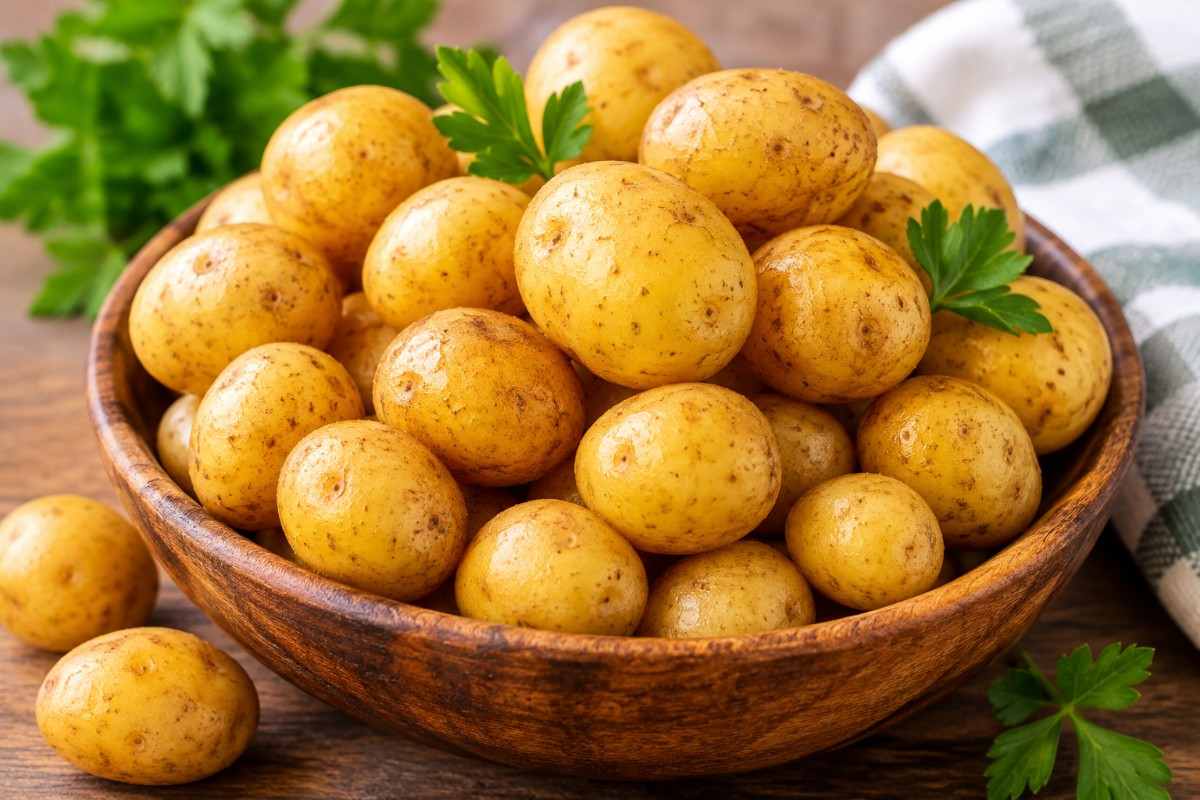
Baby potatoes are small, tender potatoes with thin skin and a naturally creamy texture. They are popular in many kitchens because they cook quickly and taste delicious in roasted, boiled, baked, and grilled dishes.
Despite their small size, baby potatoes contain several important nutrients, including potassium, vitamin C, vitamin B6, and dietary fiber. They can provide energy, support digestion, and contribute to a balanced diet.
But are baby potatoes healthy? What nutrients do they contain, and how many should you eat daily? Let’s explore their nutrition facts, health benefits, possible side effects, and different ways to enjoy them.
What Are Baby Potatoes?
Baby potatoes are small, immature potatoes harvested before they reach their full size. They belong to the same plant species as regular potatoes (Solanum tuberosum) but are generally harvested earlier in their growing season.
They are also commonly called new potatoes, petite potatoes, or creamers, although these terms can refer to slightly different types of small potatoes.
Baby potatoes come in several varieties, including red, yellow, white, and purple. Their skin is usually thin and delicate, so peeling is often unnecessary. Their flesh can be creamy, buttery, and slightly sweet, depending on the variety.
Unlike regular mature potatoes, baby potatoes are often preferred for roasting and boiling because their small size allows them to cook relatively quickly.
Common characteristics of baby potatoes:
- Size: Usually around 1–2 inches in diameter, although sizes vary.
- Color: Available in red, yellow, white, and purple varieties.
- Texture: Tender, smooth, and creamy when cooked.
- Taste: Mild, earthy, slightly sweet, and buttery.
- Skin: Thin and generally edible.
- Availability: Commonly available in grocery stores and farmers’ markets.
Nutrition Facts of Baby Potatoes
Baby potatoes provide carbohydrates, fiber, vitamins, and minerals that support everyday body functions. Here is the approximate nutritional value of 100 grams of raw potatoes with skin
| Nutrient | Amount per 100 g |
|---|---|
| Calories | 77 kcal |
| Carbohydrates | 17.5 g |
| Protein | 2.1 g |
| Total Fat | 0.1 g |
| Dietary Fiber | 2.1 g |
| Natural Sugars | 0.8 g |
| Potassium | 425 mg |
| Vitamin C | 19.7 mg |
| Vitamin B6 | 0.3 mg |
| Magnesium | 23 mg |
| Phosphorus | 57 mg |
| Iron | 0.8 mg |
| Calcium | 12 mg |
| Sodium | 6 mg |
| Folate | 15 mcg |
Source: USDA FoodData Central. Values are approximate and may differ among potato varieties and preparation methods.
20 Proven Health Benefits of Baby Potatoes
Baby potatoes contain several nutrients that support heart health, digestion, muscles, and overall wellness. Here are 20 potential health benefits of including them in your diet.
- Supports Heart Health: Baby potatoes contain potassium, which helps maintain normal heart function.
- Helps Control Blood Pressure: Their potassium content helps balance sodium levels in the body.
- Provides Energy: Their carbohydrates give your body energy for daily activities.
- Supports Digestion: Their dietary fiber helps maintain regular bowel movements.
- Supports Immunity: Vitamin C helps your immune system function properly.
- Promotes Muscle Function: Potassium helps your muscles contract and work normally.
- Supports Nerve Health: Potassium and vitamin B6 contribute to normal nerve function.
- Maintains Bone Health: They provide magnesium and phosphorus, which support healthy bones.
- Maintains Fluid Balance: Potassium helps regulate fluid levels inside your cells.
- Supports Red Blood Cell Formation: Vitamin B6 and folate help your body produce healthy blood cells.
- Provides Antioxidants: Vitamin C helps protect your cells from oxidative damage.
- Supports Skin Health: Vitamin C helps your body produce collagen for healthy skin.
- Supports Brain Function: Vitamin B6 helps produce chemicals needed for normal brain activity.
- Supports Metabolism: Vitamin B6 helps your body process proteins, fats, and carbohydrates.
- Improves Fiber Intake: Eating the skin provides additional dietary fiber.
- Helps You Feel Full: Boiled potatoes can help you feel satisfied after meals.
- Provides Folate: Folate supports normal cell growth and development.
- Naturally Low in Fat: Plain baby potatoes contain very little fat.
- Supports Electrolyte Balance: Their potassium helps maintain normal muscle and nerve activity.
- Adds Nutritional Variety: Baby potatoes provide several nutrients that complement a balanced diet.
10 Side Effects of Baby Potatoes
Baby potatoes are generally safe to eat, but excessive portions, unhealthy preparation methods, or certain medical conditions may cause problems. Here are 10 possible side effects to consider.
- Blood Sugar Spikes: Large portions may increase blood sugar levels.
- Bloating: Eating too many may cause digestive discomfort in some people.
- Weight Gain: Frequent consumption with high-calorie toppings may increase calorie intake.
- High Sodium Intake: Excessive salt can make potato dishes less heart-friendly.
- Allergic Reactions: Some people may experience itching, swelling, or other allergy symptoms.
- Glycoalkaloid Poisoning: Green or bitter potatoes may cause nausea, vomiting, and diarrhea.
- High Potassium Levels: People with kidney problems may struggle to remove excess potassium.
- Acid Reflux: Fatty potato dishes may trigger heartburn in some individuals.
- Excess Calorie Intake: Deep-fried potatoes contain more calories than boiled or steamed versions.
- Digestive Discomfort: Some people may experience stomach discomfort after eating potatoes.
Important: Never eat baby potatoes that taste bitter or have extensive green discoloration or heavy sprouting. Cooking does not reliably eliminate potato glycoalkaloids.
How to Eat Baby Potatoes?
Baby potatoes are easy to include in everyday meals. You can enjoy them in several delicious ways.
- Boiled: Serve them with black pepper, herbs, and a little olive oil.
- Roasted: Toss them with garlic, rosemary, and olive oil.
- Mashed: Mash cooked potatoes with a little milk or yogurt.
- Potato Salad: Mix them with cucumber, onions, and fresh herbs.
- Air-Fried: Cook seasoned potatoes until golden and crispy.
- Grilled: Add partially boiled potatoes to vegetable skewers.
- Potato Soup: Add them to homemade vegetable soup.
- Breakfast Bowl: Combine roasted baby potatoes with eggs and vegetables.
- Stuffed Potatoes: Fill cooked potatoes with vegetables or beans.
- Potato Curry: Cook them with tomatoes, onions, ginger, garlic, and spices.
Tips for Consuming Baby Potatoes
A few simple practices can help you enjoy baby potatoes while maintaining a balanced diet.
- Keep the Skin On: The skin provides additional dietary fiber.
- Choose Fresh Potatoes: Pick firm potatoes without green patches or heavy sprouts.
- Control Portions: Avoid eating very large quantities in one sitting.
- Choose Healthy Cooking Methods: Prefer boiling, steaming, baking, or air-frying.
- Limit Salt: Use herbs, garlic, and black pepper for extra flavor.
- Add Protein: Pair them with eggs, beans, chicken, fish, or tofu.
- Include Vegetables: Serve them with broccoli, carrots, or leafy greens.
- Avoid Excess Butter: Use a small amount of olive oil instead.
- Eat Properly Cooked Potatoes: Cooking makes their texture easier to digest.
- Check for Bitterness: Never eat potatoes that taste bitter or cause a burning sensation.
How to Cook Baby Potatoes?
Baby potatoes are easy to prepare because their small size reduces cooking time. You can boil, roast, steam, or air-fry them depending on your preferred texture.
1. How to Boil Baby Potatoes
- Wash approximately 500 grams of baby potatoes under running water.
- Place them in a saucepan and cover them with water.
- Add a small amount of salt if desired.
- Bring the water to a boil.
- Simmer for approximately 12–18 minutes, depending on their size.
- Check tenderness by inserting a fork or knife.
- Drain the water and allow them to cool slightly.
- Season with black pepper, herbs, and olive oil.
2. How to Roast Baby Potatoes
- Preheat your oven to 400°F (200°C).
- Wash and dry approximately 500 grams of baby potatoes.
- Cut larger potatoes in half.
- Toss them with 1–2 tablespoons of olive oil.
- Add garlic powder, rosemary, black pepper, and a little salt.
- Spread them in a single layer on a baking tray.
- Roast for approximately 25–35 minutes, turning halfway through.
- Remove when they are golden brown and tender inside.
3. How to Air-Fry Baby Potatoes
- Wash and dry the baby potatoes.
- Cut them into halves if they are relatively large.
- Add a small amount of olive oil and your preferred seasonings.
- Preheat the air fryer to 380°F (193°C).
- Arrange the potatoes in the basket without overcrowding.
- Cook for approximately 15–20 minutes, shaking the basket halfway through.
- Check that they are fully tender before serving.
4. How to Steam Baby Potatoes
- Wash the potatoes thoroughly.
- Add water to a steamer pot.
- Place the potatoes in the steaming basket.
- Cover and steam for approximately 15–20 minutes.
- Check tenderness with a fork.
- Serve with herbs, lemon juice, or a small amount of olive oil.
Cooking times vary depending on potato size and equipment. Always check that the potatoes are cooked through.
Other Uses of Baby Potatoes
Besides being served as a side dish, baby potatoes can be used in several everyday recipes and food preparations.
- Potato Salads: Their small size makes them perfect for warm and cold salads.
- Vegetable Soups: Add them to soups for extra texture and flavor.
- Breakfast Recipes: Use them in breakfast bowls with eggs and vegetables.
- Indian Curries: Cook them with tomatoes, onions, and traditional spices.
- Party Appetizers: Serve seasoned roasted potatoes as bite-sized snacks.
- Grilled Dishes: Combine them with other vegetables on skewers.
- Meal Preparation: Cook them in advance for quick meals during the week.
- Casseroles: Mix them with vegetables and protein for a baked meal.
How Many Baby Potatoes Should You Eat in a Day?
There is no official daily serving recommendation specifically for baby potatoes. However, 100–150 grams of cooked baby potatoes can be a reasonable starting portion for many healthy adults.
Here is a simple portion guide:
| Serving Size | Approximate Amount |
|---|---|
| Small portion | 75 grams |
| Moderate portion | 100–150 grams |
| Larger portion | 200 grams |
Your ideal portion depends on your activity level, nutritional needs, and overall diet. People with diabetes or kidney disease may need personalized portion guidance.
Best Time to Eat Baby Potatoes
Baby potatoes can be eaten at different times of the day. There is no scientifically established best time to consume them for maximum health benefits.
- Breakfast: Boiled or roasted baby potato can provide carbohydrates to start your day.
- Lunch: Add them to a vegetable bowl, chicken salad, or balanced lunch plate.
- Before Exercise: A moderate portion can provide carbohydrates that help fuel physical activity.
- After Exercise: Pair them with eggs, chicken, fish, or beans to provide carbohydrates and protein.
- Dinner: Enjoy a moderate serving with vegetables and a protein-rich food.
The overall quality and portion size of your meals matter more than the exact time you eat baby potato.
Who Should Eat Baby Potatoes?
Baby potatoes can fit into many healthy eating patterns when prepared appropriately.
- Healthy Adults: They provide carbohydrates, potassium, and vitamin C.
- Active Individuals: Their carbohydrates help fuel physical activities.
- Vegetarians: They add variety and useful nutrients to vegetarian meals.
- Older Adults: Properly cooked potatoes can be a soft and convenient food.
- Growing Children: They provide energy and nutrients for everyday activities.
- People Seeking Low-Fat Foods: Plain baby potato naturally contain very little fat.
- People Needing Potassium: They provide potassium for normal muscle and nerve function, provided there are no dietary restrictions.
- People Following Balanced Diets: They are an easy way to add variety to everyday meals.
Who Should Not Eat Baby Potatoes?
Most people can safely eat properly prepared baby potato. However, some individuals should avoid them or follow specific dietary recommendations.
- People With Potato Allergies: They should avoid baby potato to prevent allergic reactions.
- People With Advanced Kidney Disease: They may need to limit potassium-rich foods.
- People With High Potassium Levels: Excess potassium may worsen their condition.
- People With Diabetes: They should monitor portions because potatoes contain carbohydrates.
- People With Potato Intolerance: They may need to avoid potatoes if they repeatedly cause digestive symptoms.
- People Following Restricted Diets: They should follow their healthcare provider’s dietary recommendations.
- People Exposed to Green or Bitter Potatoes: They should avoid eating potatoes that may contain excessive glycoalkaloids.
How to Store Baby Potatoes?
Proper storage helps maintain the freshness, texture, and quality of baby potato while reducing sprouting and spoilage.
- Choose a Cool Place: Store fresh potatoes in a cool, dry location.
- Avoid Sunlight: Keep them away from direct light to reduce greening.
- Use Breathable Bags: Paper or mesh bags allow air to circulate.
- Keep Them Dry: Avoid washing potatoes before storing them.
- Remove Spoiled Potatoes: Separate soft or rotten potatoes immediately.
- Avoid Airtight Containers: Proper ventilation helps prevent moisture buildup.
- Keep Away From Heat: Avoid storing them near ovens or stoves.
- Check Regularly: Look for sprouts, green patches, and soft spots.
- Refrigerate Cooked Potatoes: Store leftovers in a covered container within two hours of cooking.
- Use Leftovers Promptly: Refrigerated cooked potatoes are generally best consumed within 3–4 days.
Precautions and Interactions
Although baby potatoes are nutritious, a few precautions are important, especially if you have an existing medical condition or take regular medication.
- Monitor Potassium Intake: People with kidney disease may need to restrict potassium.
- Watch Blood Sugar: People with diabetes should consider the carbohydrate content.
- Avoid Green Potatoes: Green discoloration can indicate increased glycoalkaloid levels.
- Discard Heavily Sprouted Potatoes: Cooking does not reliably remove harmful glycoalkaloids.
- Avoid Bitter Potatoes: Stop eating potatoes that taste bitter or cause a burning sensation.
- Wash Before Cooking: Rinse potatoes under running water to remove dirt.
- Limit Added Salt: Excess sodium can negatively affect blood pressure.
- Choose Healthy Preparations: Limit deep-frying and excessive butter or cream.
- Check Medication Advice: ACE inhibitors, ARBs, and potassium-sparing diuretics can increase blood potassium levels in some people.
- Follow Medical Guidance: Consult a healthcare professional if you have dietary restrictions or an existing medical condition.
FAQ’s
Are baby potatoes safe for children?
Yes, baby potatoes are generally safe for children when thoroughly cooked and cut into age-appropriate pieces.
What are baby potatoes good for?
Baby potato provide energy, potassium, vitamin C, and fiber, which support overall health.
What do baby potatoes taste like?
Baby potato have a mild, earthy, slightly sweet flavor with a creamy and buttery texture.
What are baby potatoes called?
Baby potatoes are also known as petite potatoes, creamer potatoes, or new potatoes, depending on their variety and harvesting stage.
Are baby potatoes healthier than regular potatoes?
Both have similar nutritional value, including potassium, vitamin C, and carbohydrates.
Are baby potatoes good for weight loss?
Yes, boiled baby potato can help you feel full and fit into a balanced weight-loss diet.
Can you eat baby potatoes with the skin?
Yes, their thin skin is edible and provides additional dietary fiber.
Are baby potatoes good for diabetics?
They can be eaten in moderate portions, but people with diabetes should monitor their blood sugar levels.
Are baby potatoes good for your heart?
Yes, their potassium content supports normal heart function and healthy blood pressure.
Can you eat baby potatoes every day?
Yes, most healthy adults can enjoy moderate portions as part of a balanced diet.
Are baby potatoes better boiled or roasted?
Both are healthy options. Boiled potatoes require no added oil, while roasted potatoes have a crispy texture.
Can you eat raw baby potatoes?
It is better to eat them cooked because cooking improves their texture and digestibility.
Are baby potatoes good for digestion?
Yes, they contain dietary fiber that helps support regular bowel movements.
Can pregnant women eat baby potatoes?
Yes, pregnant women can generally enjoy properly washed and thoroughly cooked baby potato as part of a balanced diet.
Are baby potatoes gluten-free?
Yes, plain baby potatoes are naturally gluten-free and suitable for most gluten-free diets.
Do baby potatoes increase blood sugar?
Yes, their carbohydrates can raise blood sugar levels, especially when eaten in large portions.
Can baby potatoes cause weight gain?
Eating large portions regularly, especially with butter, cheese, or excessive oil, can contribute to weight gain.
Can you freeze baby potatoes?
Yes, you can blanch them, cool them, and freeze them in airtight freezer-safe containers.
Why do baby potatoes turn green?
Exposure to light can cause greening and increase natural toxins called glycoalkaloids. Avoid potatoes with extensive green discoloration.
What is the healthiest way to cook baby potatoes?
Boiling, steaming, baking, and air-frying with minimal added oil are healthy preparation methods.
Sources / References:
- USDA FoodData Central
- NIH Office of Dietary Supplements
- Health Canada
- USDA Food Safety and Inspection Service
Disclaimer
This article is for educational purposes only and should not replace professional medical advice. Consult a qualified healthcare professional for personalized dietary guidance.
Also Read:
1 thought on “Baby Potatoes: Nutrition, 20 Benefits, Side Effects & How to Cook”