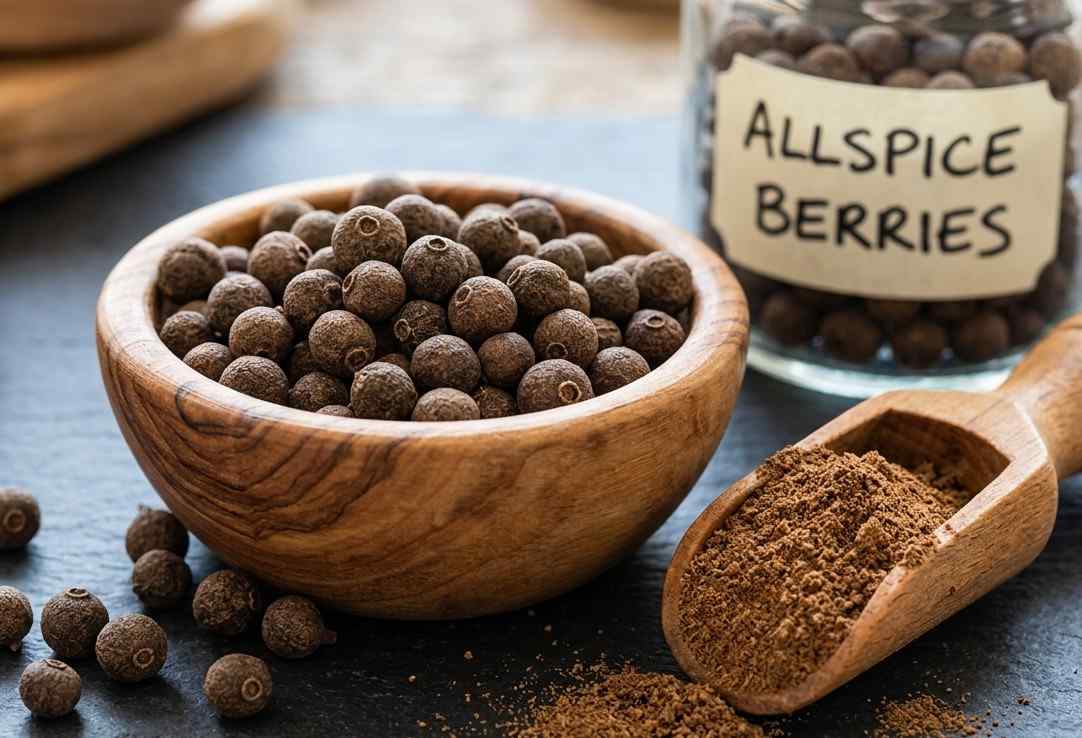
Allspice (also known as Jamaica pepper, myrtle pepper, pimento, pimento berry, or newspice) is one of the most fascinating spices in the culinary world. Despite its name, it is not a blend of spices. Instead, it comes from the dried berries of an evergreen tree native to the Caribbean, Central America, and parts of Mexico. Its unique flavor resembles a combination of cinnamon, cloves, nutmeg, and black pepper, which is why early European explorers called it “allspice.”
Beyond its warm and aromatic taste, allspice has been valued for centuries in traditional medicine. It contains beneficial plant compounds, antioxidants, vitamins, and minerals that may support overall health. Whether used in baking, soups, sauces, teas, or savory dishes, allspice offers both flavor and potential health benefits.
What is Allspice?
Allspice is the dried unripe berry of the allspice tree, scientifically known as Pimenta dioica. It belongs to the myrtle family and is widely used in Caribbean, Middle Eastern, Latin American, and Western cuisines.
The berries are harvested while still green and then dried until they become brown and wrinkled. They can be used whole or ground into powder. The spice has a rich aroma that combines the scents of cinnamon, cloves, nutmeg, and pepper, making it a versatile ingredient in both sweet and savory recipes.
Nutrition Facts of Allspice
The following table shows the approximate nutritional value of 100 grams of ground allspice.
| Nutrient | Amount |
|---|---|
| Calories | 263 kcal |
| Carbohydrates | 72.1 g |
| Protein | 6.1 g |
| Fat | 8.7 g |
| Dietary Fiber | 21.6 g |
| Calcium | 661 mg |
| Iron | 7.1 mg |
| Magnesium | 135 mg |
| Phosphorus | 113 mg |
| Potassium | 1044 mg |
| Sodium | 77 mg |
| Zinc | 1.0 mg |
| Vitamin C | 39.2 mg |
| Vitamin A | 540 IU |
Values are approximate and may vary slightly depending on growing conditions and processing methods.
20 Proven Health Benefits of Allspice
- Rich in Antioxidants: Jamaica pepper contains powerful antioxidants that help protect cells from oxidative stress and free radical damage.
- Supports Digestive Health: The natural compounds in allspice may help stimulate digestive enzymes and improve digestion.
- May Reduce Inflammation: Allspice contains eugenol and other anti-inflammatory compounds that may help reduce inflammation in the body.
- Promotes Healthy Immunity: Its antioxidant and vitamin content may contribute to stronger immune system function.
- May Help Relieve Pain: Traditional medicine has long used Jamaica pepper for easing muscle aches, joint pain, and discomfort.
- Supports Heart Health: Potassium in Jamaica pepper may help maintain healthy blood pressure levels and cardiovascular function.
- May Improve Blood Circulation: Certain plant compounds in allspice may promote better circulation throughout the body.
- Supports Bone Strength: Calcium and other minerals in Jamaica pepper contribute to healthy bones and teeth.
- May Help Fight Harmful Microbes: Jamaica pepper possesses natural antimicrobial properties that may help inhibit certain bacteria and fungi.
- Supports Oral Health: Eugenol found in Jamaica pepper has been traditionally used to support healthy gums and teeth.
- May Ease Digestive Discomfort: Allspice tea has historically been consumed to help reduce bloating and gas.
- May Support Blood Sugar Balance: Some research suggests allspice compounds may assist healthy glucose metabolism.
- Promotes Respiratory Wellness: The warming properties of Jamaica pepper may help soothe respiratory discomfort.
- May Support Healthy Cholesterol Levels: Antioxidant-rich spices like allspice may contribute to healthier cholesterol profiles.
- Helps Protect Cellular Health: Its phytonutrients may help shield cells from environmental stressors.
- May Reduce Nausea: Traditional herbal practices have used Jamaica pepper to help ease mild nausea and stomach upset.
- Supports Skin Health: Antioxidants in Jamaica pepper may contribute to healthier-looking skin.
- May Enhance Metabolism: Certain compounds in allspice may support normal metabolic activity.
- Supports Healthy Aging: The antioxidant content may help combat age-related oxidative damage.
- May Promote Overall Wellness: Regular moderate consumption of Jamaica pepper can be part of a healthy and balanced diet.
10 Side Effects of Allspice
- Allergic Reactions: Some individuals may experience allergic symptoms after consuming Jamaica pepper.
- Digestive Irritation: Excessive intake may cause stomach discomfort, nausea, or digestive upset.
- Heartburn Risk: Large amounts of allspice may trigger acid reflux or heartburn in sensitive individuals.
- Skin Sensitivity: Direct application of concentrated Jamaica pepper preparations may irritate the skin.
- Mouth Irritation: Consuming excessive amounts may cause burning sensations in the mouth.
- Drug Interactions: Jamaica pepper compounds may interact with certain medications, especially blood-thinning drugs.
- Headaches in Sensitive Individuals: Strong spices may occasionally trigger headaches in susceptible people.
- Pregnancy Concerns: Excessive medicinal use during pregnancy should be avoided unless advised by a healthcare professional.
- Liver Stress from Overuse: Extremely high intake over long periods may place additional stress on the liver.
- Potential Toxicity in Large Quantities: Consuming unusually large amounts may lead to adverse effects due to its active compounds.
How to Eat Allspice?
There are many delicious ways to include allspice in your diet:
- Add ground allspice to cakes, cookies, and muffins.
- Sprinkle it into oatmeal or porridge.
- Mix it into smoothies for extra flavor.
- Use it in soups and stews.
- Add it to marinades for meat and poultry.
- Brew allspice tea using whole berries.
- Include it in spice rubs for grilling.
- Use it in curries and rice dishes.
- Add it to homemade sauces.
- Mix it into warm beverages during winter.
Tips for Consuming Allspice
- Use fresh allspice whenever possible for maximum flavor.
- Store it properly to maintain its aroma.
- Start with small amounts if you are new to the spice.
- Combine it with cinnamon, cloves, and nutmeg for richer flavor.
- Grind whole berries just before use.
- Avoid excessive consumption.
- Use organic products when available.
- Add it gradually to recipes to avoid overpowering other flavors.
- Pair it with fruits, vegetables, and lean proteins.
- Consume as part of a balanced diet.
Other Uses of Allspice
- Natural Air Freshener: The pleasant aroma of Jamaica pepper can help freshen indoor spaces.
- Homemade Potpourri: Allspice berries are commonly used in fragrant potpourri blends.
- Herbal Tea Ingredient: Jamaica pepper can be brewed into warming herbal beverages.
- Traditional Remedy: Various cultures have used Jamaica pepper in folk medicine practices.
- Aromatherapy Blends: Its warm scent is sometimes included in aromatic mixtures.
- Pickling Spice: Jamaica pepper is a popular ingredient in pickling recipes.
- Holiday Decorations: Whole berries are often used in seasonal crafts and decorations.
- Flavoring Agent: It enhances the taste of sauces, desserts, and beverages.
- Natural Insect Deterrent: The aroma may help discourage certain insects.
- Spice Mix Component: Jamaica pepper is a key ingredient in many seasoning blends worldwide.
How Much Allspice Can You Eat in a Day?
For most healthy adults, using allspice as a culinary spice in normal food amounts is considered safe.
- Typical culinary use: ¼ to 1 teaspoon daily.
- Moderate intake: Up to 2 teaspoons daily in food.
- Medicinal quantities should only be used under professional guidance.
Excessive consumption is not recommended because concentrated amounts may increase the risk of digestive discomfort and other side effects.
Allspice Dosage
The appropriate dosage depends on age, health status, and purpose of use.
| Form | Suggested Amount |
|---|---|
| Ground Allspice | ¼–1 teaspoon daily |
| Whole Berries | 3–6 berries daily |
| Allspice Tea | 1–2 cups daily |
| Culinary Use | As needed in recipes |
Always follow product instructions and seek medical advice before using therapeutic doses.
Best Time to Eat Allspice
- Morning: Can be added to oatmeal, tea, or smoothies.
- With Meals: Helps complement digestion when consumed with food.
- Afternoon: Works well in snacks and beverages.
- Evening: Can be included in soups, stews, or herbal teas.
There is no strict best time; consistency and moderation are more important.
Who Should Eat Allspice?
- People Seeking Antioxidants: Individuals looking to increase antioxidant intake may benefit from Jamaica pepper.
- Those Interested in Digestive Support: People seeking natural digestive support may find Jamaica pepper useful.
- Adults Following Healthy Diets: Jamaica pepper can complement balanced eating plans.
- People Who Enjoy Cooking: Home cooks can use allspice to enhance flavor naturally.
- Individuals Seeking Variety in Spices: It offers a unique taste profile compared to common spices.
- People Interested in Herbal Teas: Jamaica pepper tea can provide a warming beverage option.
- Those Supporting Bone Health: Its mineral content may contribute to bone wellness.
- Individuals Looking for Flavor Without Excess Salt: Jamaica pepper can improve taste without added sodium.
Who Should Not Eat Allspice?
- People with Allspice Allergies: Anyone allergic to Jamaica pepper should avoid it completely.
- Individuals with Severe Acid Reflux: Strong spices may worsen symptoms in some people.
- People Sensitive to Spices: Those who react poorly to spices should use caution.
- Individuals Taking Certain Medications: Some medications may interact with compounds found in Jamaica pepper.
- Pregnant Women Using Medicinal Doses: High supplemental amounts should only be used with professional guidance.
- Breastfeeding Mothers Using Large Amounts: Excessive intake should be discussed with a healthcare provider.
- People with Chronic Digestive Disorders: Some digestive conditions may be aggravated by strong spices.
- Young Children in Large Quantities: Children should consume only small culinary amounts.
How to Store Allspice?
- Keep in an Airtight Container: Airtight storage helps preserve freshness and aroma.
- Store in a Cool Place: Heat can reduce flavor and potency over time.
- Avoid Direct Sunlight: Sunlight may degrade beneficial compounds and aroma.
- Keep Away from Moisture: Moisture can cause clumping and spoilage.
- Use Dark Glass Jars: Dark containers help protect the spice from light exposure.
- Label Storage Dates: Recording dates helps monitor freshness.
- Store Whole Berries Longer: Whole berries generally retain flavor longer than ground Jamaica pepper.
- Avoid Frequent Opening: Limiting exposure to air helps maintain quality.
Precautions and Interactions
- Use Moderately: Excessive consumption may increase the risk of side effects.
- Monitor Allergic Reactions: Stop use if allergic symptoms occur.
- Consult Before Medicinal Use: Therapeutic doses should be discussed with a healthcare professional.
- Be Careful with Blood Thinners: Jamaica pepper may potentially interact with anticoagulant medications.
- Pregnancy Precaution: Pregnant women should avoid high supplemental doses.
- Breastfeeding Consideration: Large medicinal amounts should be used cautiously.
- Check for Drug Interactions: Individuals taking medications should seek medical advice before regular medicinal use.
- Avoid Self-Treatment of Serious Conditions: Allspice should not replace prescribed medical treatment.
- Use Quality Products: Choose reputable sources for purity and safety.
- Discontinue if Symptoms Develop: Stop use and consult a healthcare provider if adverse effects occur.
Conclusion
Allspice is a flavorful and aromatic spice that offers much more than culinary appeal. Rich in antioxidants, minerals, and beneficial plant compounds, it may support digestion, immunity, heart health, and overall wellness when consumed as part of a balanced diet. While generally safe in normal food amounts, moderation remains important, especially for individuals with allergies, digestive sensitivities, or specific medical conditions.
Whether added to baked goods, savory dishes, teas, or spice blends, Jamaica pepper is a versatile ingredient that can enhance both flavor and nutrition. By understanding its benefits, potential side effects, dosage recommendations, and storage methods, you can enjoy this remarkable spice safely and effectively.
FAQ’s
Why is it called allspice?
It is called allspice because its aroma and taste resemble a combination of several spices, including cinnamon, cloves, and nutmeg.
What does allspice taste like?
Jamaica pepper has a warm, sweet, slightly peppery flavor with hints of cinnamon, cloves, and nutmeg.
Is allspice good for health?
Yes, Jamaica pepper contains antioxidants, vitamins, minerals, and plant compounds that may support overall health when consumed in moderation.
Can allspice help with digestion?
Jamaica pepper has traditionally been used to support digestion and may help reduce bloating, gas, and mild stomach discomfort.
Is allspice the same as mixed spice?
No, Jamaica pepper is a single spice made from dried berries, while mixed spice is a blend of several spices.
Does allspice contain caffeine?
No, Jamaica pepper is naturally caffeine-free.
Can allspice help with inflammation?
Jamaica pepper contains compounds such as eugenol that may have anti-inflammatory properties.
Is allspice good for weight loss?
Jamaica pepper is low in calories and may support a healthy diet, but it is not a direct weight-loss remedy.
Can diabetics consume allspice?
People with diabetes can generally use Jamaica pepper in culinary amounts, but they should consult their healthcare provider before using large medicinal doses.
Is allspice safe during pregnancy?
Using Jamaica pepper in normal food amounts is generally considered safe, but medicinal quantities should only be used under medical supervision.
Can children eat allspice?
Yes, children can consume small amounts of Jamaica pepper in foods and recipes.
Can allspice cause allergies?
Yes, although uncommon, some individuals may experience allergic reactions to Jamaica pepper.
Is allspice good for toothache?
Traditionally, Jamaica pepper has been used for dental discomfort due to its eugenol content, but it should not replace professional dental care.
Can I use allspice instead of cinnamon?
In some recipes, Jamaica pepper can be used as a substitute for cinnamon, though the flavor will be slightly different.
How long does allspice stay fresh?
Ground allspice typically stays fresh for 1–2 years, while whole allspice berries can last up to 3–4 years when stored properly.
What foods pair well with allspice?
Jamaica pepper pairs well with baked goods, soups, stews, meats, curries, rice dishes, fruits, and herbal teas.
Can I eat allspice raw?
Yes, ground Jamaica pepper can be consumed raw in small amounts, although it is most commonly used as a seasoning in foods and beverages.
What is Allspice good for?
Jamaica pepper is commonly used to support digestion, provide antioxidants, enhance flavor in foods, and may help promote overall wellness when consumed as part of a balanced diet.
What is allspice called in India?
Allspice is commonly known as Kababchini, Kabab Chini, or Cubeb Pepper in some Indian markets, although true allspice and cubeb pepper are different spices. Allspice is often sold simply as “Allspice” in India.
What is the closest spice to allspice?
The closest substitute for allspice is a mixture of cinnamon, cloves, and nutmeg, as allspice naturally tastes like a combination of these spices.
Can I replace allspice with cloves?
Yes, cloves can replace allspice in some recipes, but they have a stronger and more intense flavor. Use about half the amount of cloves compared to the amount of allspice called for.
Does allspice taste like ginger?
Not exactly. Jamaica pepper has a warm, sweet, and slightly peppery flavor that resembles cinnamon, cloves, and nutmeg more than ginger, although some people notice a mild spicy note similar to ginger.
Can I replace nutmeg with allspice?
Yes, Jamaica pepper can be used as a substitute for nutmeg in many recipes. Use an equal amount, keeping in mind that allspice has a slightly more complex flavor profile.
Also Read: