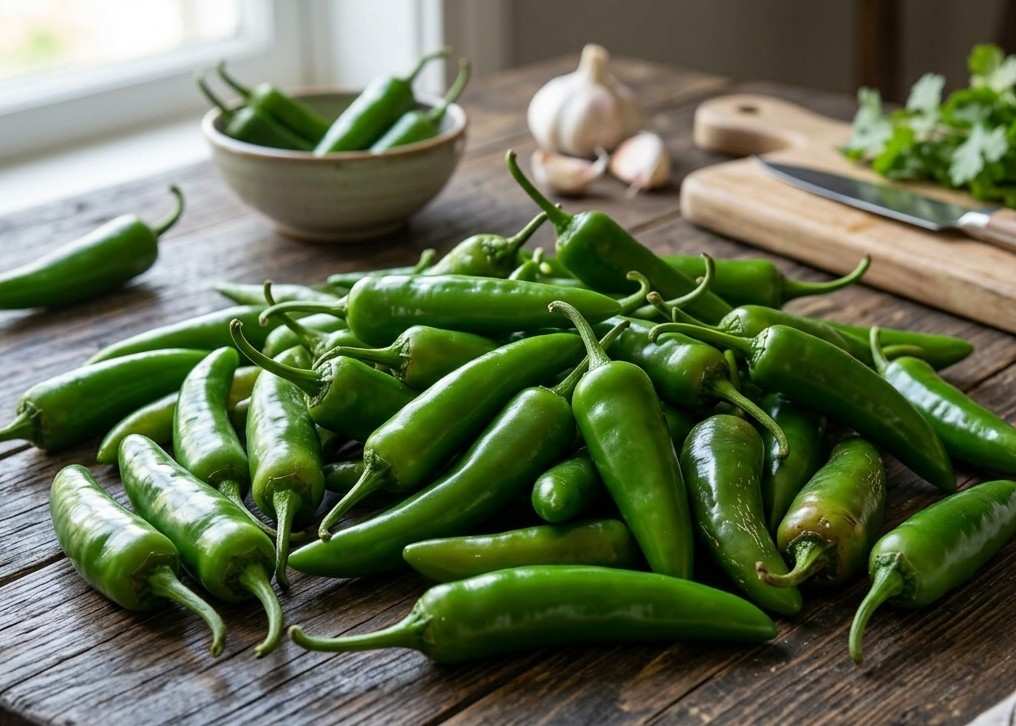
Green chili is one of the most widely used spices in the world, especially in Asian, Mexican, and Middle Eastern cuisines. Known for its fiery flavor and vibrant green color, green chili not only enhances the taste of food but also provides several health benefits. Rich in vitamins, antioxidants, and bioactive compounds, green chili can support immunity, metabolism, and overall wellness when consumed in moderation.
This guide explores everything you need to know about green chili (also known as chile peppers, finger chillies, hot peppers, or chili), including its nutritional value, science-backed health benefits, side effects, dosage, storage methods, and more.
What is Green Chili?
Green chili is the immature fruit of various pepper plants belonging to the Capsicum species. Unlike red chilies, green chilies are harvested before they fully ripen. They contain capsaicin, the compound responsible for their spicy taste and many of their health-promoting properties.
Green chilies vary in size, shape, heat level, and flavor depending on the variety. Popular types include jalapeño, serrano, bird’s eye chili, Anaheim pepper, and Indian green chili. They are commonly consumed fresh, cooked, pickled, dried, or blended into sauces.
Nutrition Facts of Green Chili
The following nutritional values are approximately based on 100 grams of fresh green chili.
| Nutrient | Amount per 100g |
|---|---|
| Calories | 40 kcal |
| Water | 88 g |
| Carbohydrates | 9 g |
| Protein | 2 g |
| Fat | 0.4 g |
| Fiber | 1.5 g |
| Vitamin C | 242 mg |
| Vitamin A | 952 IU |
| Vitamin K | 14 mcg |
| Folate | 23 mcg |
| Potassium | 340 mg |
| Calcium | 18 mg |
| Magnesium | 25 mg |
| Iron | 1.2 mg |
| Phosphorus | 43 mg |
Green chili is particularly rich in vitamin C, antioxidants, and capsaicin while remaining very low in calories.
20 Proven Health Benefits of Green Chili
- Boosts Immunity: Chili contains high amounts of vitamin C that help strengthen the immune system and support the body’s defense against infections.
- Enhances Metabolism: Capsaicin may increase metabolic rate and help the body burn calories more efficiently.
- Supports Weight Management: The spicy nature of chili can promote satiety and reduce overall calorie intake.
- Rich in Antioxidants: Green chili provides antioxidants that help protect cells from oxidative stress and free radical damage.
- Promotes Heart Health: Regular consumption may support healthy blood circulation and cardiovascular function.
- Improves Digestion: Green chili can stimulate digestive juices and improve digestive efficiency.
- Supports Eye Health: Vitamin A and carotenoids in chili contribute to healthy vision.
- May Help Regulate Blood Sugar: Some studies suggest capsaicin may help improve insulin sensitivity.
- Encourages Healthy Skin: The vitamins and antioxidants in chili support skin health and collagen production.
- Supports Brain Function: Certain compounds in chili may help improve blood flow to the brain.
- May Reduce Inflammation: Capsaicin possesses anti-inflammatory properties that may help reduce inflammation in the body.
- Promotes Better Circulation: Chili can improve blood flow throughout the body.
- Supports Respiratory Health: The spicy compounds may help clear nasal passages and ease congestion.
- May Relieve Pain: Capsaicin is commonly used in topical products for pain management.
- Helps Fight Free Radicals: Antioxidant compounds help minimize cellular damage.
- Supports Healthy Aging: The nutrient-rich profile may contribute to overall longevity and wellness.
- May Improve Mood: Consumption of spicy foods may trigger the release of endorphins that promote feelings of well-being.
- Contributes to Bone Health: Green chili contains nutrients that support strong bones.
- Supports Healthy Cholesterol Levels: Some evidence suggests capsaicin may contribute to improved lipid profiles.
- May Have Antimicrobial Properties: Certain compounds in chili may help inhibit the growth of harmful microorganisms.
10 Side Effects of Green Chili
- Stomach Irritation: Excessive consumption may irritate the stomach lining and cause discomfort.
- Heartburn: Chili can trigger acid reflux and heartburn in sensitive individuals.
- Digestive Upset: Eating too much may lead to bloating, cramps, or diarrhea.
- Mouth Burning Sensation: Capsaicin can cause intense burning in the mouth and throat.
- Skin Irritation: Direct contact with green chili may irritate sensitive skin.
- Worsened Ulcer Symptoms: People with existing digestive conditions may experience increased discomfort.
- Increased Sweating: The spicy compounds can stimulate sweating and body heat production.
- Allergic Reactions: Some individuals may develop allergic symptoms after consumption.
- Eye Irritation: Touching the eyes after handling chilies can cause severe irritation.
- Potential Medication Interactions: Capsaicin may interact with certain medications in some cases.
How to Eat Green Chili?
Chili can be enjoyed in various ways:
- Add finely chopped chilies to salads.
- Use them in curries and stir-fries.
- Blend them into sauces and chutneys.
- Stuff and roast larger chilies.
- Add to soups for extra flavor.
- Include them in sandwiches and wraps.
- Mix into marinades for meat and vegetables.
- Pickle green chilies for long-term use.
- Use them in salsa and dips.
- Add small amounts to rice and noodle dishes.
Tips for Consuming Green Chili
- Start with small quantities if you are sensitive to spicy foods.
- Remove seeds to reduce heat intensity.
- Pair chili with yogurt or dairy products if the spice feels overwhelming.
- Wash hands thoroughly after handling fresh chilies.
- Drink milk rather than water to relieve burning sensations.
- Consume green chili as part of balanced meals.
- Choose fresh, firm chilies for the best flavor and nutrition.
- Avoid excessive consumption on an empty stomach.
- Store properly to maintain freshness.
- Adjust intake according to your spice tolerance.
Other Uses of Green Chili
- Natural Flavor Enhancer: Chili adds heat and flavor to countless dishes.
- Pickling Ingredient: Chili is commonly preserved in vinegar or brine.
- Sauce Preparation: It is widely used in hot sauces and condiments.
- Marinade Component: Chili adds depth and spice to marinades.
- Food Preservation Aid: Its antimicrobial compounds may help support food preservation.
- Chutney Ingredient: Chili is a key ingredient in many traditional chutneys.
- Salsa Base: Fresh green chili is often used in homemade salsas.
- Spice Paste Preparation: It serves as an important ingredient in spice pastes.
- Seasoning Ingredient: Chili is used to season soups, stews, and curries.
- Culinary Garnish: Fresh slices can be used as a flavorful garnish for meals.
How Much Green Chili Can You Eat in a Day?
There is no universally established daily requirement for green chili. For most healthy adults, consuming 1–3 fresh chilies per day is generally considered reasonable and safe.
Individuals with a higher tolerance for spicy foods may consume more, while those with digestive sensitivities may need to limit intake.
Moderation is important because excessive consumption may increase the risk of digestive discomfort and irritation.
The appropriate dosage depends on age, health status, and spice tolerance. General Guidelines:
- Beginners: ½ to 1 green chili daily.
- Moderate consumers: 1–3 green chilies daily.
- Experienced consumers: Up to 4–5 chilies daily if well tolerated.
- Culinary use: Small amounts added to meals as seasoning.
People with gastrointestinal conditions should consult a healthcare professional regarding appropriate intake.
Best Time to Eat Green Chili
The best time to consume chili depends on personal preference and tolerance.
With Lunch or Dinner
Chili is often best consumed alongside meals to reduce the risk of stomach irritation.
During Main Meals
Combining chili with proteins, vegetables, and healthy fats may improve tolerance.
Before Exercise
Some people enjoy spicy foods before workouts due to their metabolism-boosting effects.
Avoid on an Empty Stomach
Eating green chili without food may increase digestive discomfort in sensitive individuals.
Avoid Late at Night
For people prone to acid reflux, consuming spicy foods close to bedtime may worsen symptoms.
Who Should Eat Green Chili?
- Healthy Adults: Chili can be a nutritious addition to a balanced diet for most healthy adults.
- Weight Management Seekers: Individuals aiming to control calorie intake may benefit from its satiating effects.
- People Seeking More Vitamin C: Green chili provides exceptionally high levels of vitamin C.
- Athletes and Active Individuals: The nutrient content may support overall physical wellness.
- Those Wanting Flavor Without Calories: Chili adds strong flavor while contributing very few calories.
- People Seeking Antioxidants: Chili contains several antioxidant compounds that support cellular health.
- Individuals with Healthy Digestion: Those without digestive issues generally tolerate chili better.
- Home Cooks and Food Enthusiasts: Chili can enhance the taste of a wide variety of dishes.
Who Should Not Eat Green Chili?
- People with Acid Reflux: Chili may worsen heartburn and reflux symptoms.
- Individuals with Gastritis: The spicy compounds can aggravate stomach irritation.
- Those with Peptic Ulcers: Chili may increase discomfort in some individuals.
- People with Irritable Bowel Syndrome: Spicy foods may trigger digestive symptoms.
- Individuals with Spice Sensitivity: Some people naturally tolerate spicy foods poorly.
- People Recovering from Gastrointestinal Surgery: Spicy foods may not be suitable during recovery.
- Those Experiencing Chronic Heartburn: Frequent spicy food consumption may worsen symptoms.
- People with Chili Allergies: Anyone allergic to chili peppers should avoid chili completely.
How to Store Green Chili?
- Refrigeration Storage: Keep fresh chilies in the refrigerator to maintain freshness for up to two weeks.
- Paper Towel Method: Wrap chilies in a dry paper towel before refrigeration to reduce moisture buildup.
- Airtight Container Storage: Store them in airtight containers to help preserve quality.
- Freezer Storage: Freeze chopped chilies for long-term use.
- Dry Storage for Short Periods: Fresh chilies can remain at room temperature briefly if used quickly.
- Avoid Excess Moisture: Moisture may accelerate spoilage and mold growth.
- Separate from Damaged Chilies: Remove spoiled chilies to prevent contamination of healthy ones.
- Use Clean Containers: Clean storage containers help reduce microbial growth.
Precautions and Interactions
- Start Slowly: Gradually increase intake if you are not accustomed to spicy foods.
- Monitor Digestive Symptoms: Reduce consumption if you experience persistent stomach discomfort.
- Use Gloves When Handling: Gloves can help prevent skin irritation from capsaicin.
- Avoid Eye Contact: Wash hands thoroughly after touching fresh chilies.
- Consult a Doctor for Digestive Disorders: Individuals with gastrointestinal conditions should seek professional guidance.
- Be Cautious with Blood-Thinning Medications: Green chili may have mild effects on blood clotting in some individuals.
- Monitor Allergic Reactions: Stop use immediately if allergy symptoms occur.
- Pregnancy Considerations: Pregnant individuals should consume chili according to personal tolerance and medical advice.
- Watch for Medication Interactions: Discuss high chili intake with a healthcare provider if taking prescription medications.
- Practice Moderation: Excessive consumption increases the likelihood of adverse effects.
Conclusion
Green chili is far more than a spicy ingredient. It is a nutrient-rich food packed with vitamin C, antioxidants, and capsaicin, offering numerous potential health benefits ranging from immune support and improved metabolism to enhanced digestion and cardiovascular wellness. However, moderation remains essential, as excessive intake may cause digestive discomfort and irritation.
When incorporated sensibly into a balanced diet, chili can be a flavorful and health-supportive addition to daily meals. Whether used fresh, cooked, pickled, or blended into sauces, this vibrant pepper continues to be one of the most popular culinary ingredients worldwide.
FAQ’s
Is it healthy to eat green chili every day?
Yes, eating chili in moderation every day can provide vitamins, antioxidants, and capsaicin that may support overall health.
What is green chili good for?
Chili may help support immunity, metabolism, digestion, heart health, and antioxidant protection.
Is green chili good for weight loss?
Chili may support weight management by increasing satiety and slightly boosting calorie expenditure.
Can green chili increase metabolism?
Yes, capsaicin in chili may temporarily increase metabolic rate and fat oxidation.
What does Green Chili taste like?
Chili has a fresh, slightly grassy flavor with varying levels of heat ranging from mild to very spicy, depending on the variety.
Is green chili full of vitamin C?
Yes, chili is an excellent source of vitamin C and can provide a significant amount of your daily vitamin C needs, helping support immunity and overall health.
Is green chili good for digestion?
In moderate amounts, chili may stimulate digestive juices and support digestion, though excessive intake can cause irritation.
Can diabetics eat green chili?
Yes, most people with diabetes can enjoy chili as part of a balanced diet, but they should follow their healthcare provider’s advice.
Does green chili raise blood pressure?
No, chili does not typically raise blood pressure and may even support healthy circulation.
Can green chili cause acidity?
Yes, consuming large amounts of chili may trigger acidity, heartburn, or acid reflux in sensitive individuals.
Is green chili good for the heart?
Chili contains antioxidants and capsaicin, which may support cardiovascular health when consumed as part of a healthy diet.
Can green chili help boost immunity?
Yes, its high vitamin C content can help support normal immune function.
Is it safe to eat green chili on an empty stomach?
It is generally better to eat chili with meals, as consuming it on an empty stomach may cause stomach discomfort.
Which is healthier: green chili or red chili?
Both are nutritious, but chili typically contains more vitamin C, while red chili contains higher levels of certain carotenoids.
Can green chili cause stomach pain?
Yes, excessive consumption may irritate the digestive tract and cause stomach pain in some people.
Is green chili good for skin health?
The vitamins and antioxidants in chili may help support healthy skin and collagen production.
Can children eat green chili?
Children can eat small amounts if they tolerate spicy foods, but very spicy chilies may be too intense for them.
What should I drink if green chili feels too spicy?
Milk, yogurt, or other dairy products can help reduce the burning sensation caused by capsaicin.
Can pregnant women eat green chili?
Yes, pregnant women can generally eat chili in moderation if it does not cause discomfort, unless advised otherwise by a healthcare provider.
How long does fresh green chili stay good?
When stored properly in the refrigerator, fresh chilies can remain fresh for about 1–2 weeks.
Also Read: