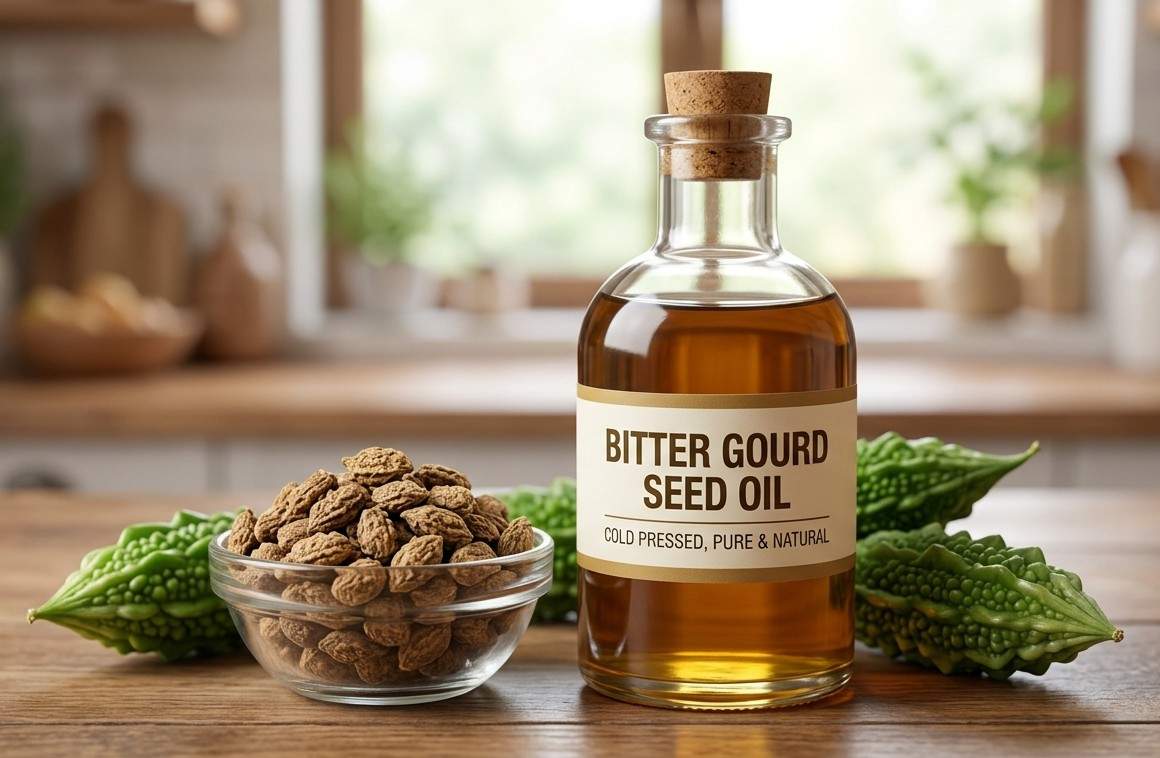
Bitter gourd has long been valued in traditional wellness systems for its powerful effects on blood sugar, digestion, and overall vitality. While most people are familiar with the vegetable itself, the oil extracted from its seeds is gaining attention for its concentrated nutrients and therapeutic potential. Bitter Gourd Seed Oil is emerging as a natural remedy that supports metabolic health, skin care, hair nourishment, and internal wellness.
In this guide, we will explore everything you need to know about Bitter Gourd Seed Oil, including its nutrition profile, science-backed health benefits, possible side effects, dosage, usage methods, storage tips, and safety precautions.
What is Bitter Gourd Seed Oil?
Bitter Gourd Seed Oil is a nutrient-rich oil extracted from the seeds of bitter gourd, scientifically known as Momordica charantia. Bitter gourd is also called bitter melon, karela (in India), or balsam pear.
The oil is typically extracted using cold-pressing methods to preserve its natural bioactive compounds. Unlike many vegetable oils, Bitter Gourd Seed Oil contains unique fatty acids such as conjugated linolenic acid (CLnA), particularly alpha-eleostearic acid, along with antioxidants, phytosterols, and polyphenols.
It has a slightly bitter, nutty aroma and is commonly used in:
- Herbal medicine
- Nutritional supplements
- Skin and hair formulations
- Functional health products
Because the seeds are especially rich in bioactive compounds, the oil is considered more concentrated than consuming the vegetable alone.
Nutrition Facts of Bitter Gourd Seed Oil (Per 100g)
| Nutrient | Approximate Amount |
|---|---|
| Energy | 884 kcal |
| Total Fat | 100 g |
| Saturated Fat | 15–20 g |
| Monounsaturated Fat | 10–15 g |
| Polyunsaturated Fat | 60–70 g |
| Conjugated Linolenic Acid (CLnA) | 40–50 g |
| Omega-6 Fatty Acids | 10–20 g |
| Omega-9 Fatty Acids | 5–10 g |
| Phytosterols | 500–800 mg |
| Vitamin E | 15–25 mg |
| Polyphenols | Trace amounts |
| Protein | 0 g |
| Carbohydrates | 0 g |
Note: Values may vary depending on extraction method and seed quality.
The most remarkable component is conjugated linolenic acid (CLnA), which has been studied for metabolic and anti-inflammatory benefits.
20 Proven Benefits of Bitter Gourd Seed Oil
- Supports Healthy Blood Sugar Levels – Bitter Gourd Seed Oil may help regulate blood glucose by improving insulin sensitivity and supporting pancreatic function.
- Boosts Metabolism – The presence of conjugated fatty acids may enhance fat metabolism and promote better energy utilization.
- Promotes Weight Management – It may assist in reducing fat accumulation by influencing lipid metabolism pathways.
- Improves Heart Health – Its healthy fatty acids and phytosterols may help reduce bad cholesterol levels and support cardiovascular wellness.
- Reduces Inflammation – The oil contains anti-inflammatory compounds that may help calm chronic inflammation.
- Enhances Immune Function – Antioxidants in the oil may strengthen the immune system and improve resistance to infections.
- Supports Liver Detoxification – Bitter Gourd Seed Oil may help protect liver cells and support detox processes.
- Improves Skin Hydration – When applied topically, it helps moisturize and restore dry or damaged skin.
- Reduces Acne and Breakouts – Its antimicrobial and anti-inflammatory properties may help control acne-causing bacteria.
- Strengthens Hair Roots – Massaging the oil into the scalp may nourish hair follicles and reduce hair fall.
- Improves Digestive Health – It may support digestive enzyme activity and promote better nutrient absorption.
- Balances Hormones – The oil’s fatty acid composition may assist in hormonal balance, especially in metabolic conditions.
- May Support Anti-Cancer Activity – Certain compounds in bitter gourd seeds have shown potential anti-tumor effects in preliminary studies.
- Improves Circulation – Healthy fats in the oil may enhance blood flow and vascular function.
- Supports Joint Health – Anti-inflammatory effects may help reduce joint stiffness and discomfort.
- Enhances Skin Elasticity – Vitamin E and antioxidants may improve collagen support and skin firmness.
- May Help Manage PCOS Symptoms – By supporting insulin sensitivity, it may assist women dealing with PCOS-related metabolic issues.
- Protects Against Oxidative Stress – The oil’s antioxidant profile helps combat free radicals in the body.
- Supports Healthy Cholesterol Levels – It may help lower LDL cholesterol while supporting HDL cholesterol.
- Promotes Overall Vitality – Regular controlled use may improve energy, metabolism, and general well-being.
10 Side Effects of Bitter Gourd Seed Oil
Although natural, Bitter Gourd Seed Oil is potent and may cause side effects in certain individuals.
- Hypoglycemia Risk – It may excessively lower blood sugar levels, especially in people taking diabetes medications.
- Digestive Discomfort – Some individuals may experience nausea, diarrhea, or stomach cramps.
- Allergic Reactions – Rarely, skin rashes or itching may occur in sensitive individuals.
- Headaches – High doses may trigger mild headaches.
- Dizziness – Sudden drops in blood sugar may cause lightheadedness.
- Interaction with Medications – It may interfere with anti-diabetic or blood pressure medications.
- Pregnancy Concerns – Excessive intake may not be safe during pregnancy due to potential uterine stimulation.
- Low Blood Pressure – It may reduce blood pressure too much in susceptible individuals.
- Liver Strain in High Doses – Overconsumption may stress liver function.
- Electrolyte Imbalance – Long-term misuse may disturb mineral balance.
How to Use Bitter Gourd Seed Oil?
Bitter Gourd Seed Oil can be used both internally and externally.
Internal Use:
- Add a few drops to warm water.
- Mix into smoothies.
- Blend with salad dressings.
- Use in capsule supplement form.
External Use:
- Apply directly to skin as a moisturizer.
- Use as a scalp massage oil.
- Blend with carrier oils for facial application.
Always start with small amounts to assess tolerance.
Other Uses of Bitter Gourd Seed Oil
Beyond internal health, this oil is also used in:
- Herbal formulations
- Anti-aging skincare products
- Hair strengthening oils
- Natural acne treatments
- Functional nutrition supplements
- Massage therapy blends
Its antioxidant and anti-inflammatory profile makes it versatile in wellness industries.
Tips for Consuming Bitter Gourd Seed Oil
- Start with a very small dose.
- Take it after meals to reduce stomach discomfort.
- Monitor blood sugar levels if diabetic.
- Use cold-pressed, organic varieties for best quality.
- Do not overheat the oil as high temperatures may destroy nutrients.
How to Take Bitter Gourd Seed Oil?
You can take it:
- Directly by spoon (small amount).
- Mixed in warm water.
- In capsule form (as per label instructions).
- Added to food without cooking at high heat.
Consult a healthcare professional before regular use.
How to Make Bitter Gourd Seed Oil?
Making oil at home is challenging but possible on a small scale.
Step 1: Collect and wash bitter gourd seeds.
Step 2: Dry them thoroughly in sunlight.
Step 3: Roast lightly to remove moisture.
Step 4: Grind seeds into a paste.
Step 5: Press using a manual oil press or cheesecloth method.
Step 6: Filter and store in a dark glass bottle.
Cold pressing is preferred to preserve nutrients.
How Much Bitter Gourd Seed Oil Can You Use Per Day?
For general wellness:
- ½ to 1 teaspoon per day is typically considered moderate.
- In capsule form, follow manufacturer instructions.
Exceeding recommended doses may increase side effects.
Bitter Gourd Seed Oil Dosage
General guideline:
- Beginners: 5–10 drops daily
- Regular users: Up to 1 teaspoon daily
- Therapeutic use: Only under medical supervision
Dosage varies depending on age, health condition, and purpose.
Best Time to Use Bitter Gourd Seed Oil
- Morning on an empty stomach for metabolic support.
- After meals to support digestion.
- At night when used topically for skin repair.
Diabetic individuals should monitor glucose levels closely.
Who Should Use Bitter Gourd Seed Oil?
- Individuals with metabolic syndrome
- People managing high cholesterol
- Those seeking natural blood sugar support
- Individuals wanting natural skin nourishment
- Adults looking for plant-based anti-inflammatory support
Who Should Not Use Bitter Gourd Seed Oil?
- Pregnant or breastfeeding women without medical advice
- Children unless prescribed
- Individuals with low blood sugar
- People on insulin or strong anti-diabetic medication
- Those with known seed allergies
How to Store Bitter Gourd Seed Oil?
Proper storage ensures potency and prevents rancidity.
- Store in a dark glass bottle.
- Keep away from sunlight.
- Refrigerate after opening for longer shelf life.
- Close lid tightly after each use.
Shelf life typically ranges from 6 to 12 months if stored properly.
Precautions and Interactions
- Monitor blood sugar regularly if diabetic.
- Avoid combining with strong hypoglycemic herbs without supervision.
- Discontinue use before surgery.
- Do not exceed recommended dosage.
- Consult a doctor if you have chronic liver or kidney conditions.
Final Thoughts
Bitter Gourd Seed Oil is a powerful plant-based oil packed with unique fatty acids, antioxidants, and metabolic-supporting compounds. While it offers promising benefits for blood sugar regulation, heart health, skin nourishment, and inflammation reduction, it must be used responsibly. Natural does not always mean risk-free. Starting with small doses, monitoring your body’s response, and consulting a healthcare provider are essential steps.
FAQ’s
What is Bitter Gourd Seed Oil also known as?
Bitter Gourd Seed Oil is also known as Bitter Melon Seed Oil, Karela Seed Oil, Goya Oil, Balsam Pear Oil, and Momordica charantia Seed Oil.
What does Bitter Gourd Seed Oil smell like?
Bitter Gourd Seed Oil has a mildly bitter, earthy, and slightly nutty aroma with a subtle herbal undertone.
What is Bitter Gourd Seed Oil good for?
Bitter Gourd Seed Oil is mainly used to support healthy blood sugar levels, improve metabolism, promote heart health, reduce inflammation, and nourish skin and hair due to its rich content of conjugated fatty acids and antioxidants.
Can Bitter Gourd Seed Oil help manage diabetes?
It may help support blood sugar regulation by improving insulin sensitivity, but it should not replace prescribed diabetes medications and must be used under medical supervision.
Is Bitter Gourd Seed Oil safe for daily use?
Yes, it can be safe for daily use in small, recommended amounts, but excessive intake may lead to side effects such as low blood sugar or digestive discomfort.
Can Bitter Gourd Seed Oil lower blood sugar too much?
Yes, especially in people already taking anti-diabetic medications, it may cause hypoglycemia if not monitored properly.
Is Bitter Gourd Seed Oil safe during pregnancy?
It is not recommended during pregnancy unless approved by a healthcare professional, as bitter gourd extracts may stimulate uterine activity.
Can children use Bitter Gourd Seed Oil?
Children should only use it under medical guidance, as its strong bioactive compounds may not be suitable for young individuals.
Does Bitter Gourd Seed Oil help with weight loss?
It may support weight management by influencing fat metabolism and improving insulin sensitivity, but it works best when combined with a healthy diet and exercise.
Can I apply Bitter Gourd Seed Oil on my face?
Yes, it can be applied topically in small amounts to help moisturize skin and reduce acne, but a patch test is recommended before full application.
Does Bitter Gourd Seed Oil help with hair growth?
It may support scalp health and strengthen hair roots due to its nourishing fatty acids and antioxidant content.
Can Bitter Gourd Seed Oil improve cholesterol levels?
Its healthy fatty acid profile and phytosterols may help reduce LDL cholesterol and support heart health when used consistently.
How long does it take to see results?
Some people may notice improvements in energy or digestion within a few weeks, while metabolic changes such as blood sugar improvement may take longer with consistent use.
Can Bitter Gourd Seed Oil cause digestive issues?
In some individuals, it may cause nausea, diarrhea, or mild stomach cramps, especially when taken in large amounts.
Is Bitter Gourd Seed Oil better than eating bitter gourd?
The oil is more concentrated in certain fatty acids, but whole bitter gourd provides fiber and additional nutrients, so both can complement each other.
Can it help with PCOS?
Because it may support insulin sensitivity, it could be beneficial for women managing PCOS-related metabolic issues, though medical advice is recommended.
Can I cook with Bitter Gourd Seed Oil?
It is best used without high heat, as excessive cooking temperatures may destroy its beneficial compounds.
Is Bitter Gourd Seed Oil suitable for vegetarians and vegans?
Yes, it is plant-derived and suitable for both vegetarians and vegans.
Also Read: