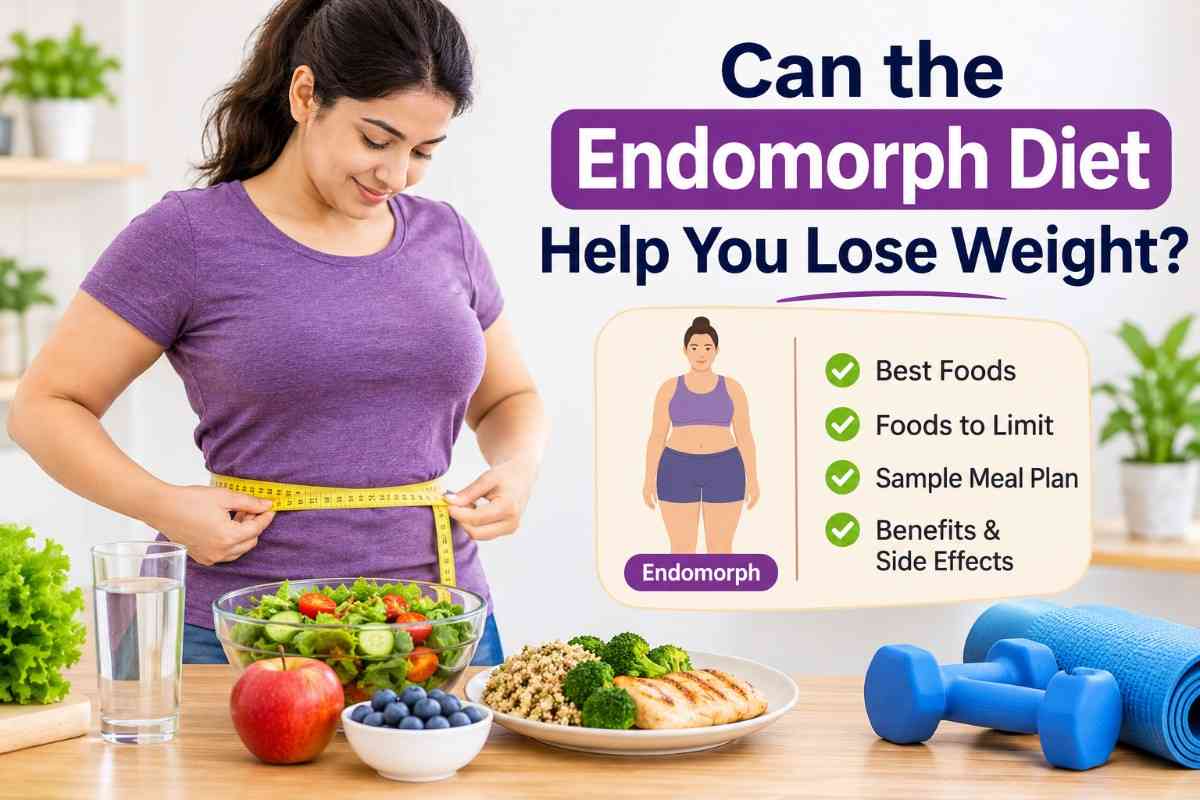
Losing weight can feel challenging, especially when you feel that your body stores fat more easily than others. If you have a naturally fuller body shape, gain weight around your waist, or struggle to lose excess pounds, you may have come across something called the endomorph diet.
The endomorph diet is a popular eating approach based on the idea that people with certain body types may benefit from eating more protein, choosing healthy fats, and controlling their carbohydrate intake.
But does this diet actually help with weight loss? Is there scientific evidence behind eating according to your body type, or is it another fitness trend?
The good news is that some of the eating habits associated with the endomorph diet can support healthy weight management. However, your body type does not determine whether you can lose weight.
Let’s explore what the endomorph diet is, what to eat, which foods to limit, its potential benefits, and whether it is worth trying.
What Is an Endomorph Diet?
The endomorph diet is a dietary approach designed for people who identify with an endomorph body type.
In the traditional somatotype classification, there are three body types:
- Ectomorph: Typically described as having a naturally lean body structure and difficulty gaining weight.
- Mesomorph: Traditionally associated with a naturally muscular or athletic build.
- Endomorph: Commonly described as having a rounder or fuller body shape and a tendency to store more body fat.
The endomorph diet generally emphasizes protein-rich foods, vegetables, fiber, healthy fats, and carefully chosen carbohydrates.
Some versions recommend reducing refined carbohydrates and focusing on whole, minimally processed foods.
However, there is an important distinction: these body-type classifications are not scientifically established tools for determining an individual’s metabolism, calorie requirements, or ideal macronutrient intake.
Your genetics, hormones, activity level, eating habits, sleep, medications, and overall health can all influence your weight.
Can the Endomorph Diet Help You Lose Weight?
Yes, the endomorph diet may help you lose weight if it encourages a balanced eating pattern that creates a sustainable calorie deficit.
For example, replacing sugary drinks, refined snacks, and highly processed foods with vegetables, lean proteins, whole grains, and healthy fats may help you manage your calorie intake.
Eating enough protein and fiber can also help you feel satisfied after meals, making it easier to avoid unnecessary snacking.
However, there is currently no strong scientific evidence that people classified as endomorphs need a special diet to lose weight.
Weight loss depends more on your overall energy intake, food quality, physical activity, and ability to maintain healthy habits than on your body-type classification.
According to the National Institute of Diabetes and Digestive and Kidney Diseases (NIDDK), a healthy eating plan combined with regular physical activity can support weight loss and long-term weight management.
How Does the Endomorph Diet Work?
The endomorph diet generally focuses on improving food choices and managing carbohydrate portions rather than completely eliminating carbohydrates.
Here are some common principles:
1. Prioritize Protein-Rich Foods
Protein is an important nutrient for maintaining muscle mass and supporting overall health.
Including protein in your meals may also help you feel fuller for longer, which can make it easier to manage your food intake.
Good options include eggs, fish, chicken, Greek yogurt, tofu, beans, lentils, and cottage cheese.
2. Choose High-Fiber Foods
Fiber supports digestive health and can help increase feelings of fullness.
Vegetables, fruits, oats, beans, lentils, and whole grains are useful additions to a balanced weight-loss diet.
3. Choose Healthy Fats
Healthy fats provide essential fatty acids and help your body absorb fat-soluble vitamins.
Good choices include avocados, olive oil, almonds, walnuts, chia seeds, and flaxseeds.
Remember that healthy fats are still calorie-dense, so portion sizes matter.
4. Be Mindful of Refined Carbohydrates
Some versions of the endomorph diet recommend limiting refined carbohydrates.
Examples include sugary cereals, pastries, white bread, sweetened drinks, and highly processed snacks.
However, carbohydrates are not automatically unhealthy. Whole grains, fruits, beans, and vegetables can all be part of a healthy weight-loss plan.
5. Maintain a Sustainable Calorie Intake
Eating more calories than your body uses over time can contribute to weight gain, regardless of your body type.
A moderate, personalized calorie deficit can help you lose weight without unnecessarily eliminating important food groups.
Best Foods to Eat on an Endomorph Diet
The best food choices are nutritious, satisfying, and easy to include in your everyday routine.
| Food Category | Recommended Foods |
|---|---|
| Protein | Eggs, chicken, fish, tofu, Greek yogurt |
| Vegetables | Spinach, broccoli, carrots, cauliflower, cucumber |
| Fruits | Apples, berries, oranges, kiwi, pears |
| Whole grains | Oats, quinoa, brown rice, whole-wheat bread |
| Legumes | Chickpeas, lentils, kidney beans, black beans |
| Healthy fats | Avocados, almonds, walnuts, olive oil |
| Seeds | Chia seeds, pumpkin seeds, flaxseeds |
| Dairy | Plain yogurt, cottage cheese, low-fat milk |
You do not need to purchase expensive diet foods. Everyday ingredients can provide the nutrients needed for a balanced eating pattern.
Foods to Limit on an Endomorph Diet
No food needs to be completely forbidden for weight loss. However, limiting foods that provide many calories without much nutritional value can help.
Consider reducing your intake of:
- Sugary Drinks: Soda, sweetened juices, energy drinks, and sweetened coffee beverages can add calories without providing much fullness.
- Refined Carbohydrates: White bread, pastries, cakes, and sugary breakfast cereals may be less filling than fiber-rich alternatives.
- Highly Processed Snacks: Chips, packaged crackers, and some convenience snacks can make portion control difficult.
- Deep-Fried Foods: Regularly eating fried foods can increase your overall calorie intake.
- Processed Meats: Sausages, bacon, and some deli meats may contain high amounts of sodium and saturated fat.
- Sugary Desserts: Ice cream, cookies, candy, and other desserts are best enjoyed in moderate portions.
- Excessive Alcohol: Alcoholic beverages can add calories and may make it harder to maintain healthy eating habits.
The goal is to improve your overall eating pattern rather than follow unnecessary food restrictions.
Sample 7-Day Endomorph Diet Meal Plan
If you want to try the eating principles associated with the endomorph diet, the following sample plan can help you get started.
It includes protein, fiber-rich carbohydrates, vegetables, fruits, and healthy fats.
| Day | Breakfast | Lunch | Dinner |
|---|---|---|---|
| Monday | Scrambled eggs and whole-wheat toast | Grilled chicken and vegetable salad | Baked fish with brown rice |
| Tuesday | Greek yogurt with berries and chia seeds | Lentil soup and whole-grain bread | Chicken with steamed broccoli |
| Wednesday | Oatmeal with almonds and apple | Chickpea and cucumber salad | Grilled tofu with quinoa |
| Thursday | Vegetable omelet | Brown rice with kidney beans | Baked salmon and roasted vegetables |
| Friday | Greek yogurt and walnuts | Grilled chicken wrap | Lentil curry with a moderate portion of rice |
| Saturday | Overnight oats with fruit | Tuna salad with whole-grain toast | Grilled chicken with sweet potato |
| Sunday | Boiled eggs and whole-wheat toast | Quinoa and chickpea bowl | Vegetable soup with tofu |
Snack ideas:
- A small handful of almonds.
- Plain Greek yogurt.
- An apple with peanut butter.
- Carrot and cucumber sticks with hummus.
- A boiled egg.
- Fresh fruit.
Important: This is a general meal-plan example, not an individualized calorie prescription. Adjust portions according to your nutritional needs, activity level, preferences, and health conditions.
Potential Benefits of the Endomorph Diet
The endomorph diet may offer several benefits when it encourages balanced food choices and sustainable habits.
- Supports Weight Management: Choosing filling, nutrient-rich foods may help you maintain a calorie deficit.
- Increases Protein Intake: Protein-rich meals support muscle maintenance and can improve meal satisfaction.
- Encourages Fiber Consumption: Vegetables, fruits, legumes, and whole grains provide fiber that supports digestive health.
- Reduces Added Sugar Intake: Limiting sugary drinks and desserts may help reduce unnecessary calorie consumption.
- Supports Muscle Maintenance: Combining sufficient protein with resistance training can help preserve muscle during weight loss.
- Encourages Better Food Choices: Focusing on minimally processed foods can improve overall dietary quality.
- Supports Digestive Health: Fiber-rich foods help maintain normal bowel movements.
- Promotes Meal Planning: Planning meals ahead can make consistent eating habits easier.
- May Improve Blood Sugar Management: Replacing sugary and refined foods with fiber-rich alternatives can support healthier blood glucose patterns.
- Encourages Long-Term Habits: A flexible approach can be easier to maintain than restrictive crash diets.
Does the Endomorph Diet Have Any Side Effects?
The endomorph diet is not necessarily harmful, but overly restrictive versions may create nutritional and lifestyle problems.
Potential concerns include:
- Low Energy: Severely restricting carbohydrates or total calories may leave you feeling tired.
- Constipation: Reducing fiber-rich fruits, vegetables, and whole grains can affect bowel movements.
- Nutritional Deficiencies: Eliminating entire food groups may reduce your intake of essential vitamins and minerals.
- Food Cravings: Extremely restrictive eating can increase cravings and make the diet difficult to maintain.
- Muscle Loss: Losing weight too quickly without adequate protein and resistance training may contribute to muscle loss.
- Diet Fatigue: Following complicated food rules may become frustrating over time.
- Unnecessary Food Restrictions: Believing that certain foods are unsuitable for your body type may make eating unnecessarily stressful.
A balanced approach is generally preferable to strict carbohydrate elimination or very-low-calorie dieting.
Best Exercises for People Following an Endomorph Diet
Diet is only one part of weight management. Regular physical activity supports cardiovascular health, muscle strength, and overall fitness.
You do not need an intense exercise routine to get started.
Consider including these activities:
- Brisk Walking: A simple way to increase daily movement and improve cardiovascular fitness.
- Strength Training: Exercises such as squats, lunges, push-ups, and resistance-band workouts help maintain muscle.
- Cycling: A low-impact activity that can improve cardiovascular endurance.
- Swimming: Provides a full-body workout while reducing impact on the joints.
- Yoga: Helps improve flexibility, balance, and mobility.
- Dancing: An enjoyable way to increase physical activity.
- Resistance Band Exercises: A convenient option for building strength at home.
For general health, the CDC recommends at least 150 minutes of moderate-intensity aerobic activity each week, along with muscle-strengthening activities on at least two days.
Start at a comfortable level and gradually increase your activity.
Is the Endomorph Diet Better Than Other Weight-Loss Diets?
Not necessarily.
The endomorph diet is one of several eating approaches that emphasize protein, vegetables, healthy fats, and carbohydrate management.
Other dietary patterns, including the Mediterranean diet, higher-protein diets, and calorie-controlled balanced diets, can also support weight loss.
The most important factor is whether your eating plan:
- Provides enough essential nutrients.
- Helps you manage your overall calorie intake.
- Includes foods you enjoy.
- Fits your lifestyle and budget.
- Can be followed consistently.
There is no single best diet for everyone. A plan that works well for one person may not be suitable for another.
Who Should Be Careful Before Trying the Endomorph Diet?
Although many of its general food recommendations are suitable for healthy adults, certain people should seek professional guidance before making significant dietary changes.
- People With Diabetes: Changes in carbohydrate intake may affect blood glucose levels and medication requirements.
- People With Kidney Disease: Protein intake may need individual adjustment.
- Pregnant or Breastfeeding Women: Nutritional requirements change during these stages, and intentional weight-loss diets may not be appropriate.
- People With Eating Disorder Histories: Strict food rules and restrictive dieting may worsen unhealthy eating patterns.
- People Taking Certain Medications: Some medications can affect appetite, blood glucose, and body weight.
A registered dietitian can help develop an eating plan based on your individual nutritional needs.
FAQ’s
Can endomorphs eat rice?
Yes. Brown rice and white rice can both fit into a balanced diet. Portion size and overall food intake matter more than body-type classification.
Should endomorphs avoid carbohydrates?
No. Carbohydrates are an important energy source. Choose nutritious options such as oats, fruits, beans, vegetables, and whole grains.
What is the best breakfast for an endomorph?
Eggs, oatmeal, Greek yogurt, fruit, and whole-grain toast are nutritious breakfast options that provide protein and fiber.
Can endomorphs lose belly fat?
Yes. People with any body shape can reduce overall body fat through sustainable nutrition and physical activity. However, exercises cannot specifically target belly fat.
How many meals should an endomorph eat per day?
There is no fixed number. Three meals with optional snacks or smaller, more frequent meals can both work. Choose a routine that helps you manage hunger and calorie intake.
Is intermittent fasting good for endomorphs?
Intermittent fasting may help some people manage their calorie intake, but there is no established evidence that it works better specifically for endomorphs.
Can endomorphs build muscle?
Yes. Strength training, adequate protein, sufficient recovery, and consistent exercise can help people of all body types build and maintain muscle.
Is the endomorph diet scientifically proven?
The specific endomorph diet has limited scientific evidence. Its general recommendations, such as eating more vegetables, choosing lean protein, and limiting added sugars, are consistent with established healthy eating principles.
How long does it take to lose weight on an endomorph diet?
Results vary depending on calorie intake, activity, genetics, sleep, and other factors. Gradual weight loss is generally more sustainable than trying to lose weight quickly.
Can endomorphs lose weight quickly?
Yes, endomorphs can lose weight, but the speed depends on calorie intake, physical activity, genetics, and lifestyle habits. Gradual weight loss is generally safer and more sustainable.
What is the best diet for an endomorph to lose weight?
A balanced diet containing lean protein, vegetables, fruits, whole grains, and healthy fats can support weight loss. Maintaining a sustainable calorie deficit is more important than following a specific body-type diet.
Why do endomorphs gain weight easily?
People who identify as endomorphs may experience weight gain due to genetics, eating habits, physical activity levels, sleep, and other metabolic or hormonal factors. However, the endomorph body-type classification does not scientifically establish a tendency to gain weight easily.
Sources / References:
Disclaimer:
This article is for educational purposes only and does not replace professional medical or dietary advice. Consult a qualified healthcare professional or registered dietitian before starting a weight-loss diet, especially if you have an existing medical condition.
Also Read: