Microplastics: Sources, Health Effects, Risks & Prevention
Microplastics

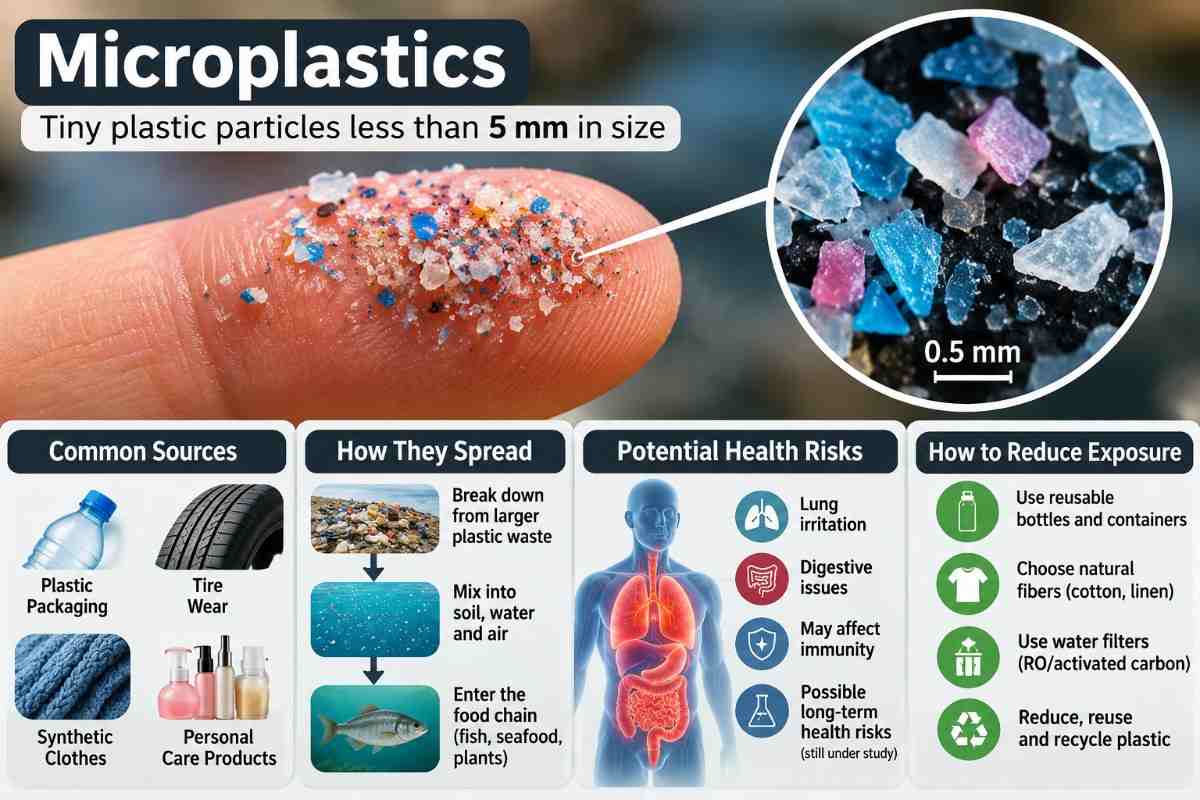
Microplastics are tiny plastic particles that have become an increasing concern for environmental and human health. They are found in everyday surroundings, including drinking water, food, household dust, oceans, and even the air we breathe. Because these particles are so small, people can unknowingly come into contact with them through ordinary daily activities. From plastic … Read more
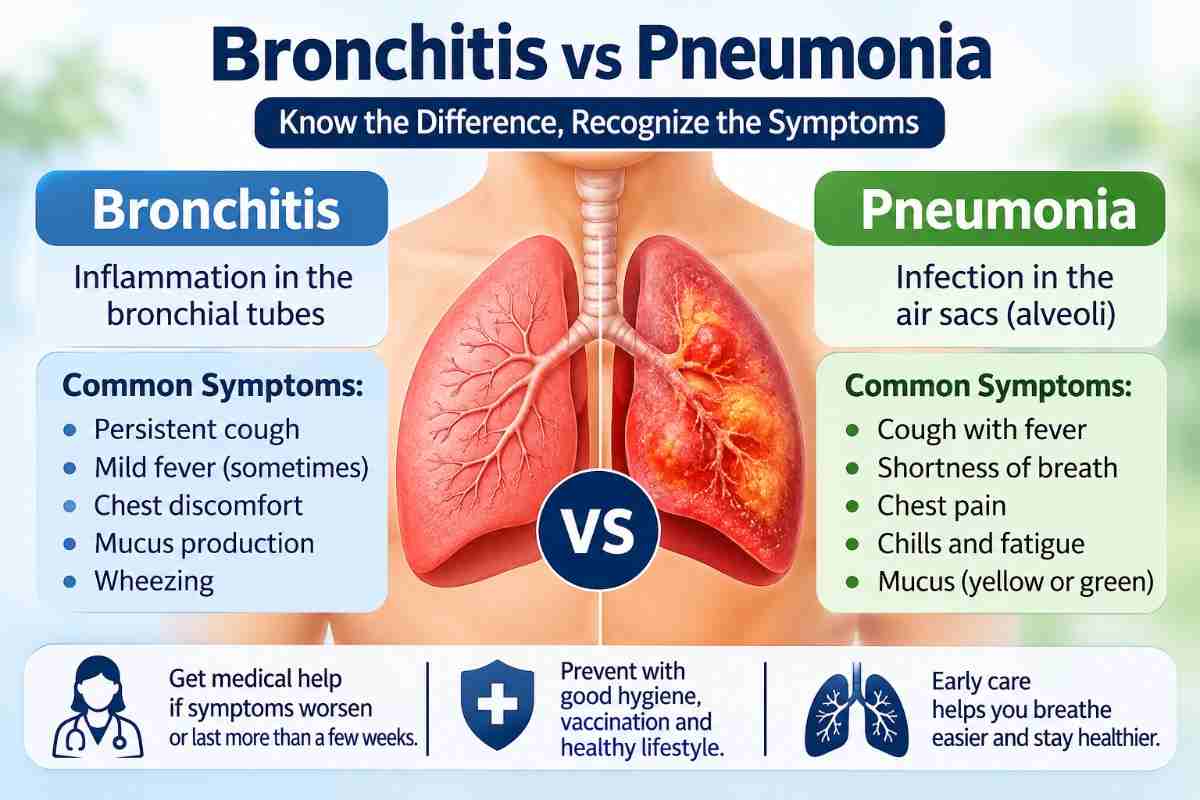
Bronchitis vs Pneumonia: 10 Key Differences You Should Know

Bronchitis vs Pneumonia

Bronchitis and pneumonia are two common respiratory illnesses that can cause coughing, chest discomfort, breathing difficulties, and fatigue. Because their symptoms often overlap, it can be difficult to tell which condition someone may have. However, bronchitis and pneumonia are not the same. Bronchitis mainly affects the bronchial tubes that carry air into the lungs, while … Read more

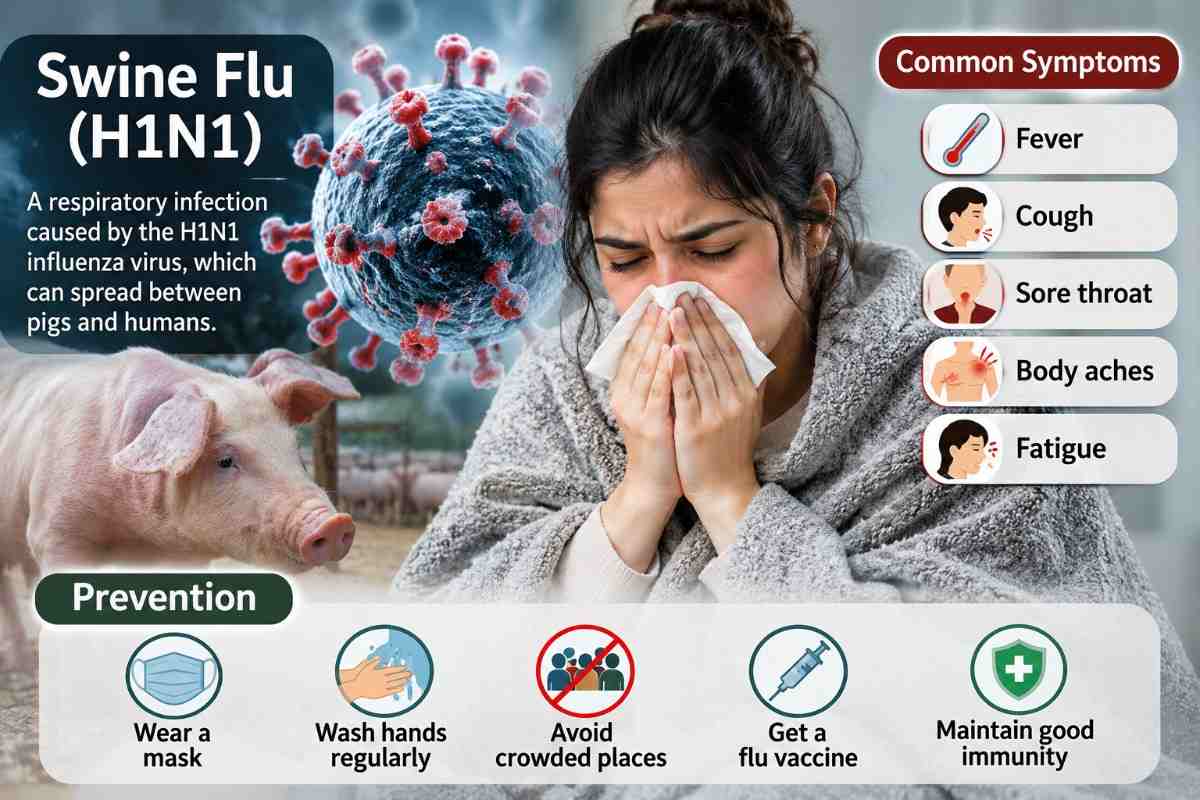
Swine Flu: Symptoms, Causes, Treatment, Risks & Prevention

Swine Flu

Swine flu is a contagious respiratory infection caused by certain influenza viruses. It became widely known after the 2009 H1N1 influenza pandemic, which spread across many countries and affected millions of people. Although the virus was initially associated with pigs, the H1N1 strain responsible for the 2009 pandemic became capable of spreading easily from person … Read more

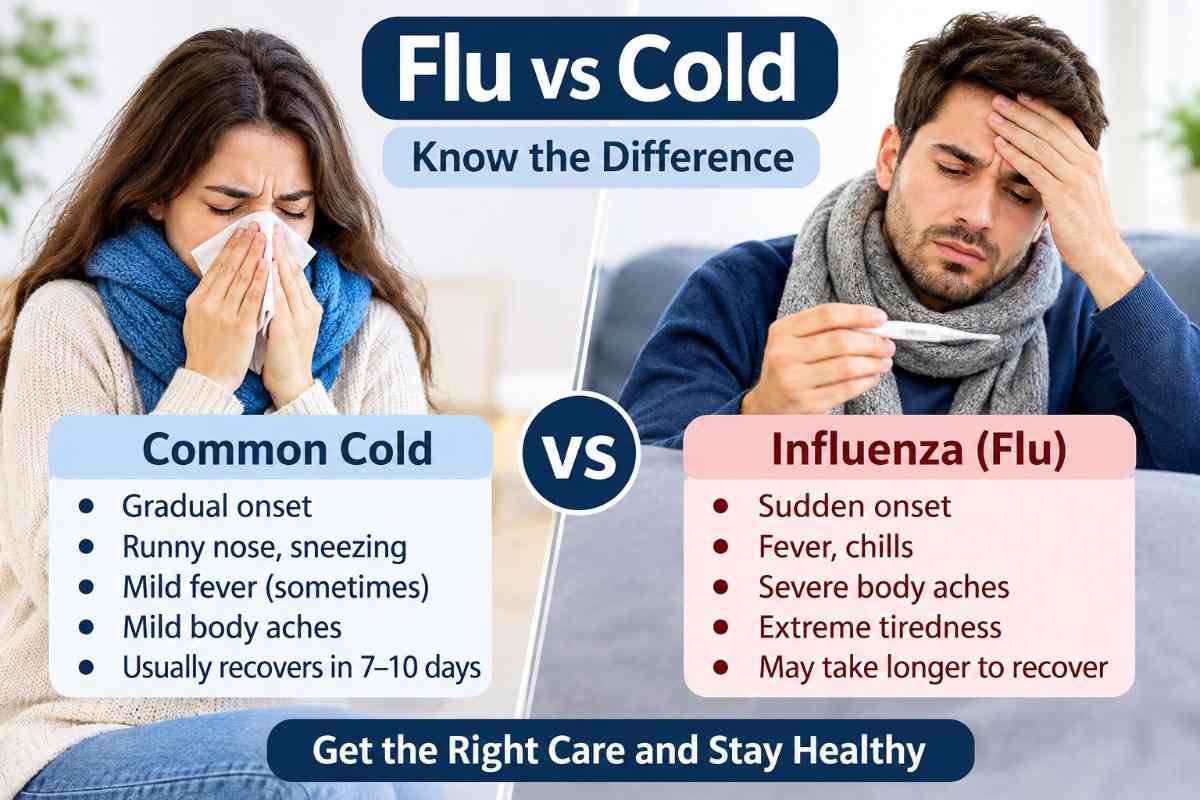
Flu vs Cold: 10 Key Differences, Causes, Symptoms & Treatment

Flu vs Cold

A runny nose, sore throat, cough, and tiredness can make you wonder whether you have the flu or a common cold. Although both illnesses affect the respiratory system and share several symptoms, they are not the same. The flu usually develops suddenly and can cause more severe symptoms, while a common cold generally develops gradually … Read more

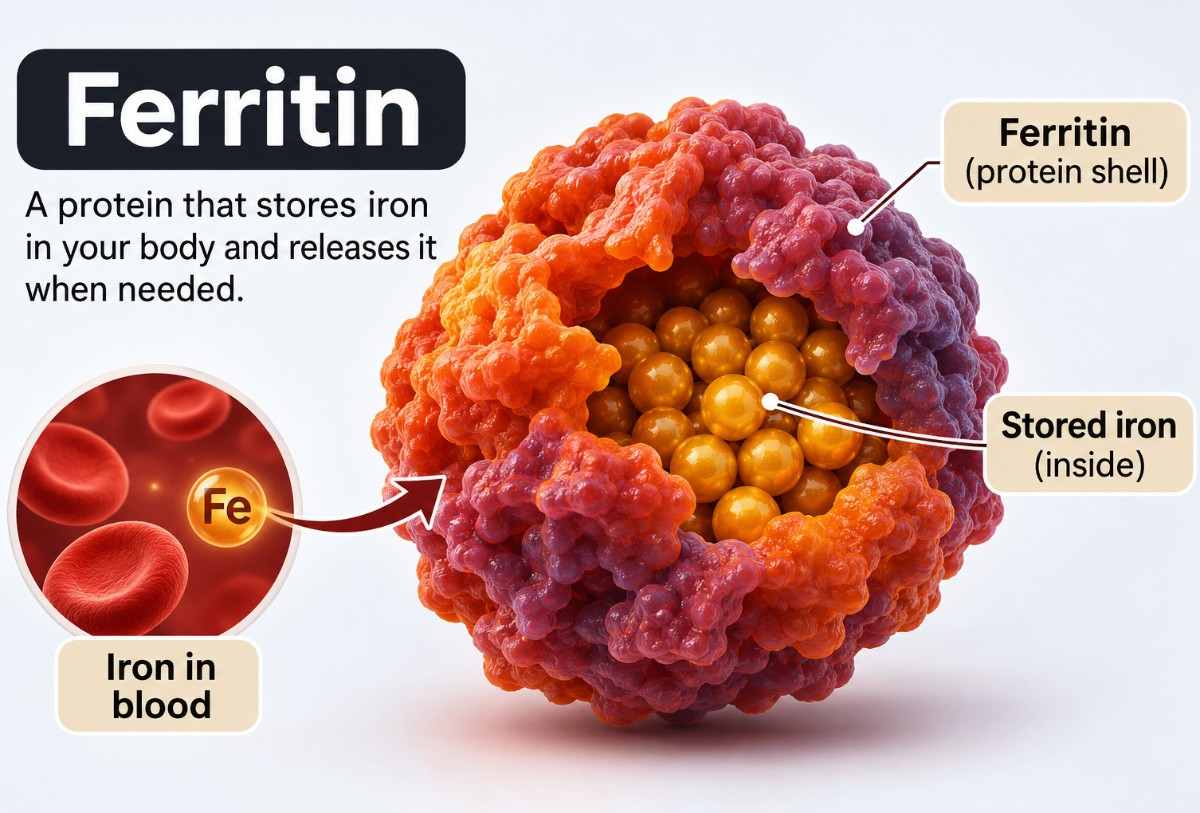
Ferritin: Normal Levels, Low and High Symptoms, Causes & Treatment

Ferritin

Ferritin is an important protein that helps your body store iron and release it whenever needed. Iron plays a major role in producing healthy red blood cells, carrying oxygen throughout the body, and supporting energy levels. When ferritin levels become too low or too high, they may indicate an underlying health issue that needs attention. … Read more

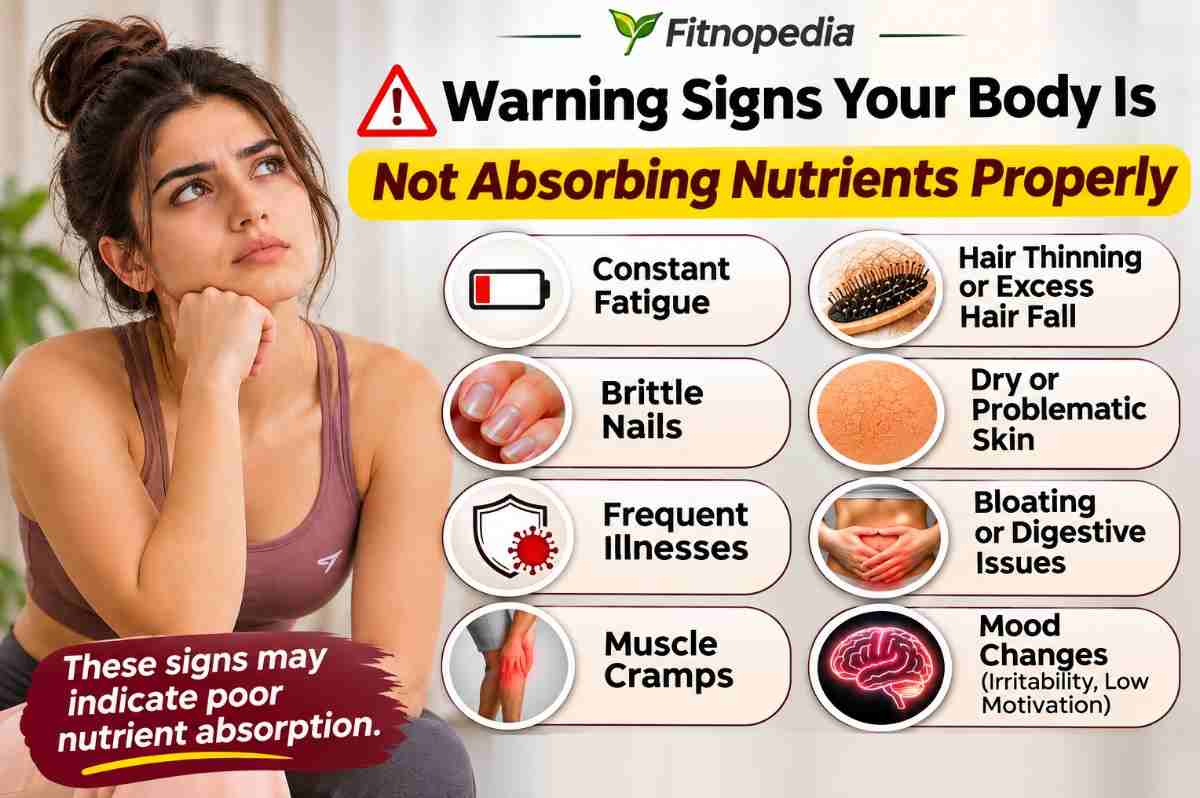
15 Warning Signs Your Body Is Not Absorbing Nutrients

Signs Your Body Is Not Absorbing Nutrients

Eating a healthy, balanced diet is important for maintaining good health. However, have you ever wondered why you still feel tired, weak, or physically unwell even when you eat nutritious foods regularly? Sometimes, the problem may not be what you eat but how well your body absorbs nutrients from food. Your digestive system breaks down … Read more

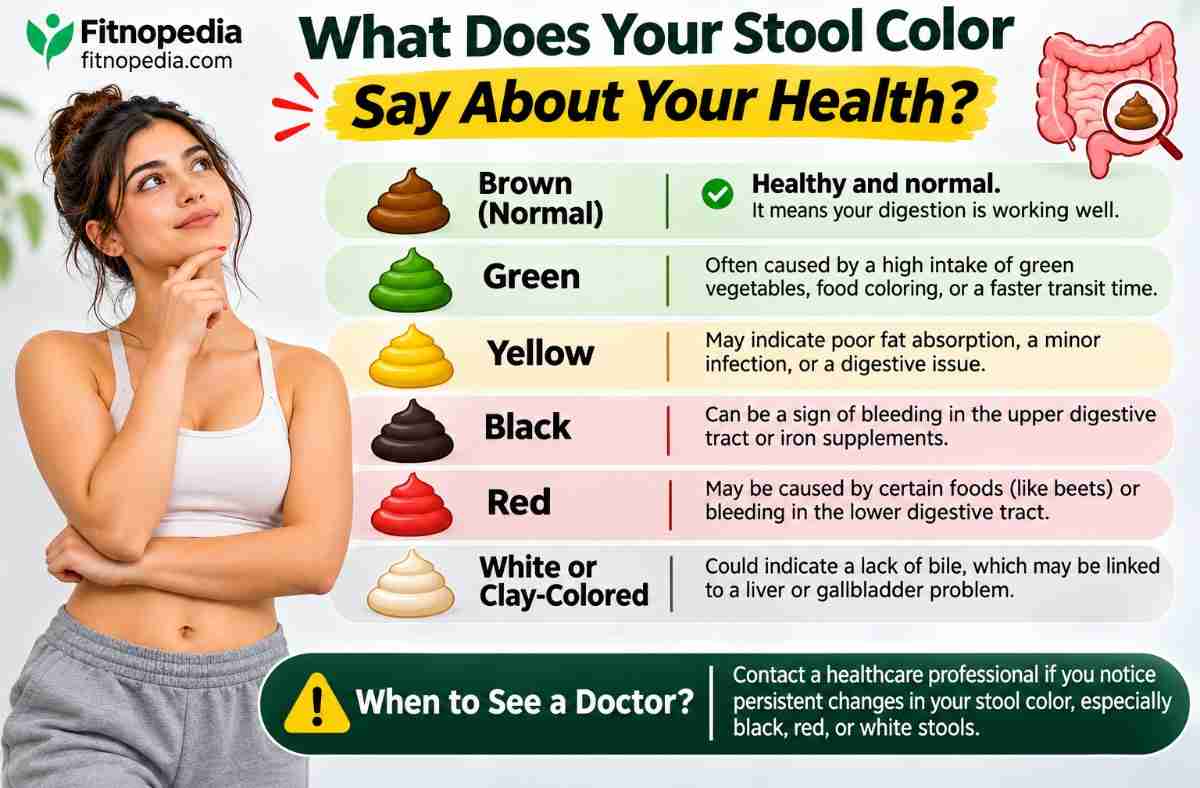
What Does Your Stool Color Say About Your Health?

Stool Color

Your stool can reveal more about your digestive health than you might think. Although it may not be a comfortable topic to discuss, checking your stool color occasionally can help you notice changes in your body. From brown and green to yellow, red, black, or pale, different stool colors can provide clues about digestion, food … Read more

Hot Feet at Night: 10 Reasons & Ways to Find Relief

Hot Feet at Night

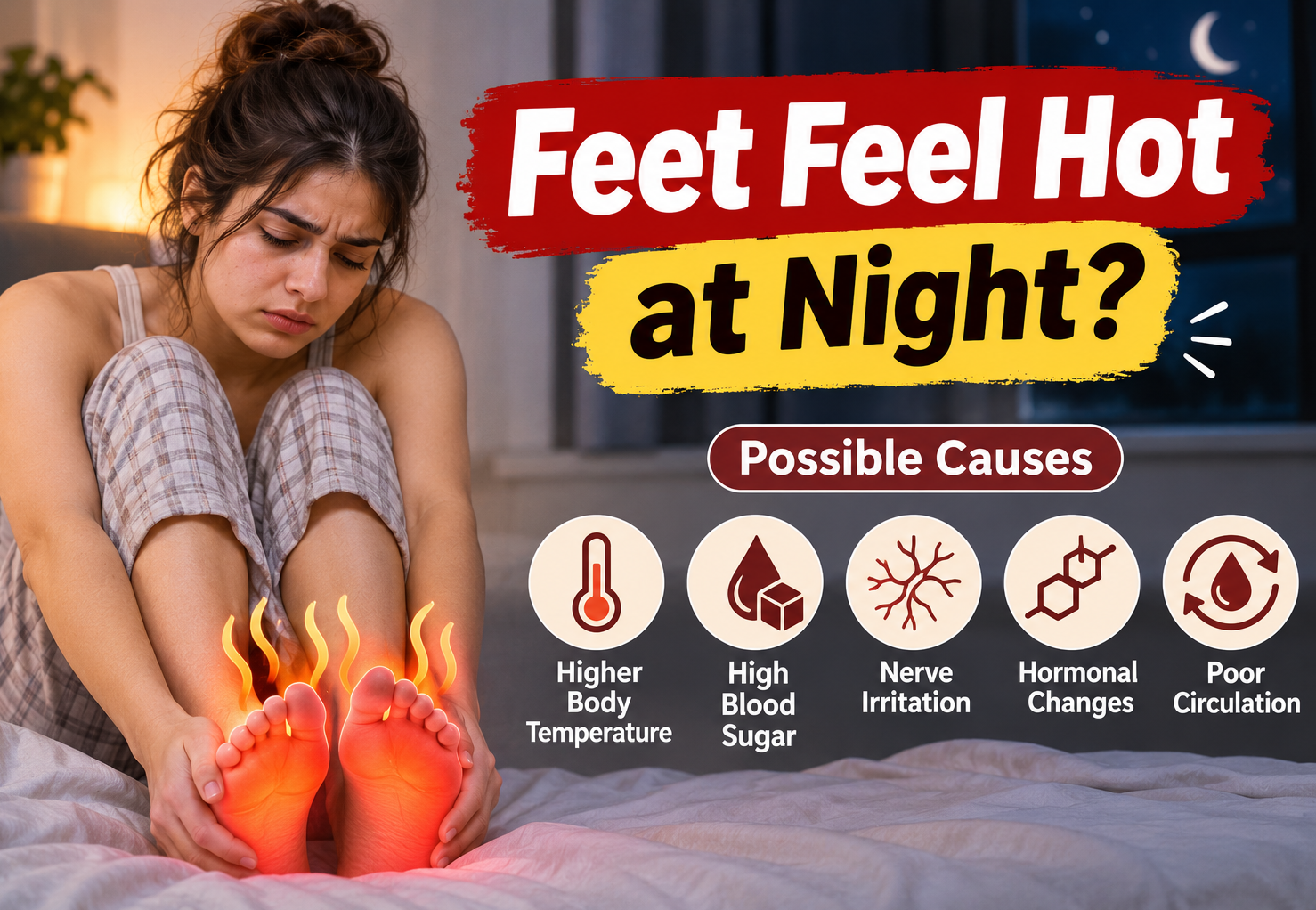
Have you ever gone to bed feeling tired, only to notice that your feet suddenly feel hot, warm, or burning? You may feel an uncomfortable sensation on the soles of your feet, around your toes, or throughout your feet, even when the rest of your body feels perfectly normal. Hot feet at night can be … Read more

Why Do I Feel Tired Even After 8 Hours of Sleep? 15 Reasons

Feel Tired Even After 8 Hours of Sleep

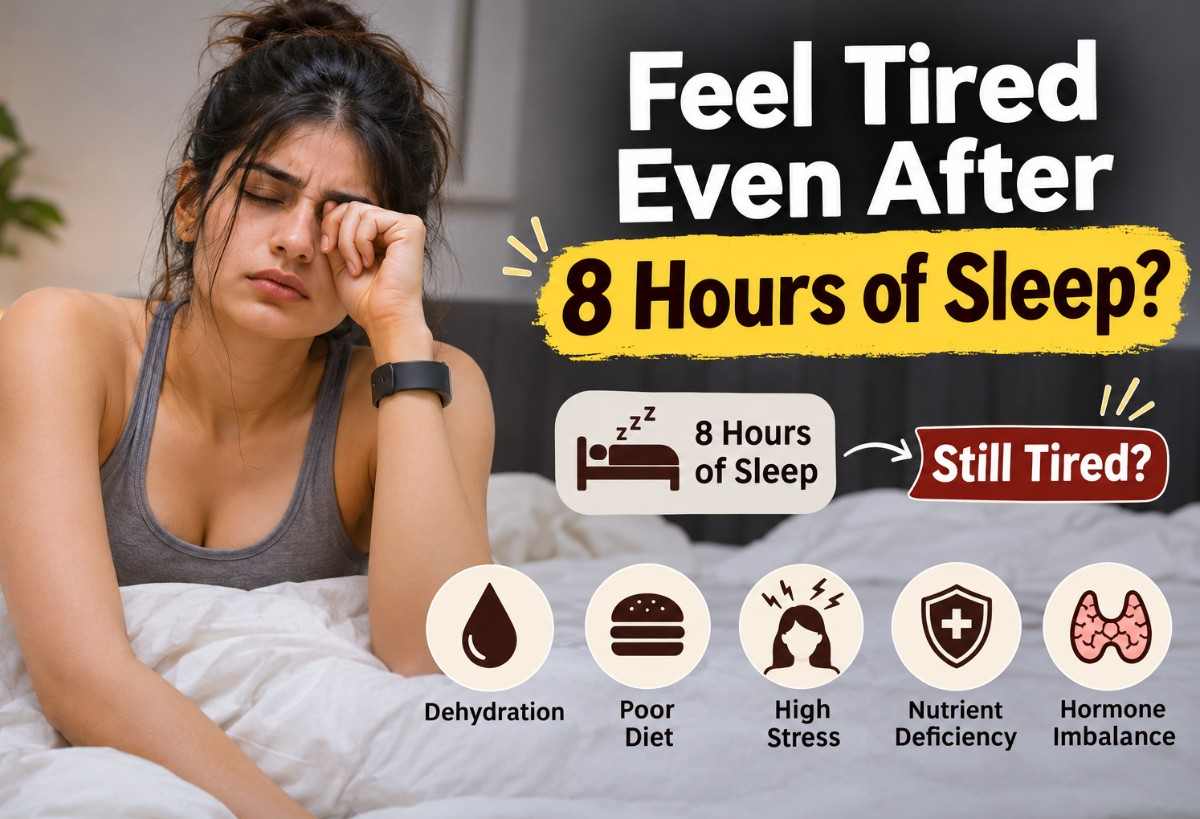
Getting eight hours of sleep every night but still waking up feeling exhausted can be frustrating. You go to bed on time, get what seems like enough rest, and expect to wake up refreshed. However, instead of feeling energetic, you experience morning fatigue, heavy eyes, brain fog, or a constant desire to go back to … Read more

10 Warning Signs of Low Oxygen Levels in Your Body

Warning Signs of Low Oxygen Levels

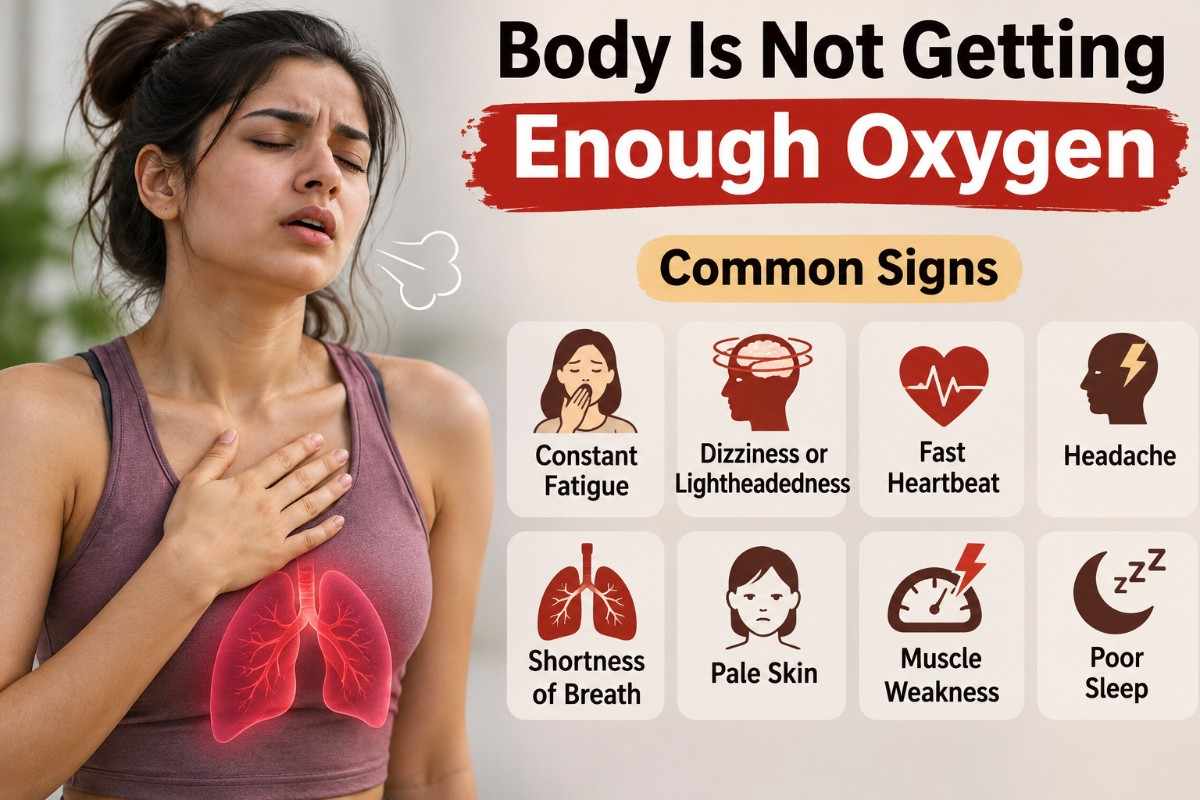
Oxygen is essential for every cell, tissue, and organ in your body. Your lungs bring oxygen into your bloodstream, and your heart pumps oxygen-rich blood throughout your body. When this process is disrupted, your organs may not receive the oxygen they need to function properly. Low oxygen levels in the blood are medically known as … Read more