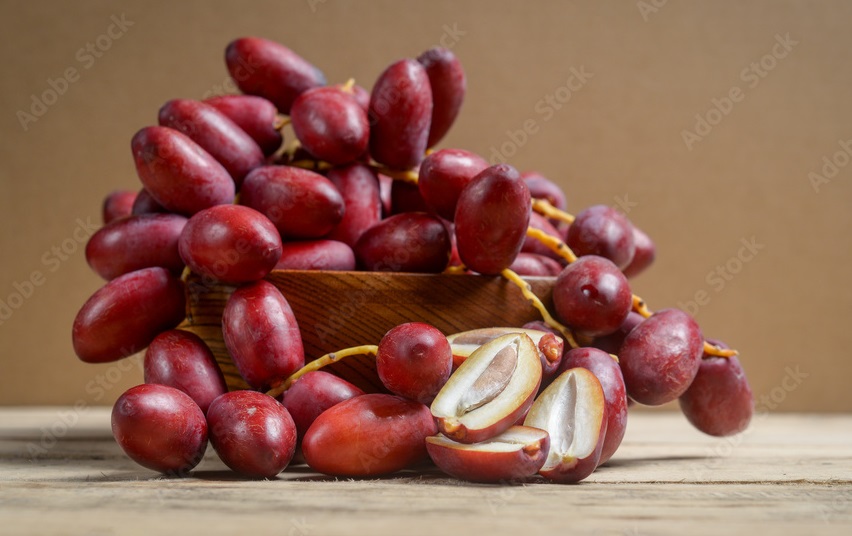
Jujube is a small fruit that has been enjoyed as both food and traditional medicine for centuries. Fresh jujube is crisp and mildly sweet, while ripe or dried jujube becomes softer, chewier, and noticeably sweeter. It is commonly known as Chinese date, red date, or Chinese jujube, and the botanical name of the commonly cultivated species is Ziziphus jujuba.
Jujube is particularly interesting from a nutrition perspective because it provides vitamin C, carbohydrates, minerals, and several plant compounds such as polyphenols, flavonoids, polysaccharides, and triterpenic compounds. Research has investigated its antioxidant, anti-inflammatory, gastrointestinal, metabolic, and other potential biological effects.
What Is Jujube?
Jujube is the edible fruit of the Ziziphus jujuba tree, a member of the Rhamnaceae family. It is widely cultivated in parts of Asia and is also grown in other warm regions.
Fresh jujubes can have green, yellow-green, or reddish skin depending on their stage of ripeness. Their texture is often compared with a crisp apple, while fully ripe and dried fruits become wrinkled and chewy, with a flavor that can resemble dates.
Jujube can be eaten fresh, dried, cooked, or incorporated into teas, desserts, soups, jams, and other preparations. Dried jujube is especially common in East Asian culinary and traditional herbal practices.
Jujube should not be confused with sour jujube or wild jujube (Ziziphus jujuba var. spinosa), whose seeds have been particularly studied in traditional medicine and sleep-related research.
Nutrition Facts of Jujube
The following values are based mainly on USDA data for raw jujube per 100 grams of edible portion. Nutritional values can vary according to variety, ripeness, growing conditions, and processing.
| Nutrient | Amount per 100 g |
|---|---|
| Calories | 79 kcal |
| Water | 77.86 g |
| Carbohydrates | 20.23 g |
| Protein | 1.20 g |
| Total Fat | 0.20 g |
| Calcium | 21 mg |
| Iron | 0.48 mg |
| Magnesium | 10 mg |
| Phosphorus | 23 mg |
| Potassium | 250 mg |
| Sodium | 3 mg |
| Zinc | 0.05 mg |
| Vitamin C | 69 mg |
| Thiamin (B1) | 0.02 mg |
| Riboflavin (B2) | 0.04 mg |
| Niacin (B3) | 0.90 mg |
| Vitamin B6 | 0.081 mg |
| Vitamin A | 2 µg RAE |
20 Proven Health Benefits of Jujube
- Rich in Antioxidants: Jujube contains vitamin C, polyphenols, flavonoids, and other compounds that can contribute to antioxidant activity and help protect cells from oxidative stress.
- Supports Immune Function: Its vitamin C and various bioactive compounds may support normal immune-system function as part of a balanced diet.
- May Support Digestive Health: Jujube contains carbohydrates and plant compounds that have been investigated for gastrointestinal-protective effects.
- Provides Vitamin C: Fresh jujube is a notable source of vitamin C, with about 69 mg per 100 g in USDA data.
- May Help Protect Against Oxidative Stress: Polyphenols and flavonoids found in jujube have demonstrated antioxidant activity in experimental research.
- Supports Normal Skin Health: Vitamin C contributes to normal collagen formation, while antioxidant compounds may help protect cells from oxidative damage.
- May Support Heart Health: Jujube contains potassium and plant compounds that have been investigated for cardiovascular and metabolic effects, although clinical evidence remains limited.
- May Support Healthy Blood Lipids: Experimental studies have reported lipid-lowering effects from jujube and its constituents, but more human research is needed.
- May Support Healthy Blood Sugar: Certain jujube compounds have demonstrated glucose-related effects in experimental research, but jujube should not replace diabetes treatment.
- May Have Anti-Inflammatory Properties: Jujube’s flavonoids, polysaccharides, and other phytochemicals have demonstrated anti-inflammatory activity in preclinical studies.
- May Support Liver Health: Animal and laboratory research has investigated potentially hepatoprotective effects of jujube and its bioactive compounds.
- May Support Brain Health: Research on jujube compounds has identified potential neuroprotective effects, although human evidence is still developing.
- May Promote Relaxation: Jujube has a long history of traditional use for calming and soothing purposes, while modern studies have investigated possible sedative-related effects.
- May Support Healthy Sleep: Some research on wild or sour jujube, particularly its seeds, has investigated sleep-related effects, but this should not be generalized to ordinary fresh jujube fruit.
- May Support Healthy Weight Management: Experimental studies have investigated anti-obesity and lipid-metabolism effects of jujube compounds, but there is not enough evidence to consider jujube a weight-loss treatment.
- Provides Potassium: Jujube supplies approximately 250 mg of potassium per 100 g, contributing to normal muscle, nerve, and fluid-balance functions.
- Provides Several B Vitamins: Raw jujube contains small amounts of thiamin, riboflavin, niacin, and vitamin B6 that contribute to overall nutrient intake.
- May Have Antimicrobial Activity: Laboratory research has identified antimicrobial activity among compounds derived from jujube, although this does not mean eating the fruit treats infections.
- May Support Healthy Aging: Its combination of vitamin C and plant antioxidants makes jujube an interesting fruit for a diet focused on antioxidant-rich foods.
- May Provide Broad Protective Phytochemicals: Jujube contains polysaccharides, polyphenols, flavonoids, triterpenic acids, amino acids, and other compounds that are being investigated for multiple biological activities.
10 Side Effects of Jujube
Jujube is generally consumed as a food, but eating large amounts, choosing heavily sweetened dried products, or using concentrated extracts may create different considerations.
- Digestive Discomfort: Eating a large quantity may cause bloating, abdominal discomfort, or changes in bowel habits in sensitive individuals.
- Blood Sugar Rise: Dried Red dates contains concentrated carbohydrates and can raise blood glucose more substantially than a small serving of fresh fruit.
- Excess Calories: Large portions of dried jujube can provide considerably more calories than the same weight of fresh fruit because drying removes water.
- Allergic Reactions: Although uncommon, people with a food allergy can potentially react to jujube and should stop eating it if allergy symptoms occur.
- Dental Concerns: Sticky dried jujube can cling to teeth, and frequent consumption of sweet dried fruit may contribute to dental problems when oral hygiene is poor.
- Loose Stools: A large amount of fruit or dried fruit may cause loose stools in some people.
- Medication Considerations: Concentrated Red dates preparations may interact with medicines differently from ordinary food portions, so people taking regular medication should seek professional advice before using extracts.
- Possible Sedative Effects: Some research involving jujube preparations has investigated sedative activity, so caution is appropriate when combining concentrated products with sedating medicines.
- Added Sugar in Processed Products: Candied or sweetened jujube products can contain substantial added sugar and should not be treated nutritionally like fresh fruit.
- Seed-Related Choking Risk: Whole jujubes contain a hard pit that should be removed before eating, particularly when serving the fruit to young children.
How to Eat Jujube?
Fresh jujube can be eaten much like a small apple after washing it thoroughly. Depending on the variety and ripeness, you can eat the skin, but the hard seed or pit should be removed.
Here are some simple ways to enjoy it:
- Eat fresh jujube as a snack.
- Slice it and add it to fruit salads.
- Mix chopped Red dates with yogurt or oatmeal.
- Add dried jujube to porridge or cereal.
- Use dried Red dates in tea or herbal infusions.
- Add it to soups and stews.
- Blend fresh jujube into smoothies.
- Cook it into sauces, jams, or chutneys.
Jujube is traditionally consumed fresh and dried, and it has also been incorporated into products such as juices, vinegar, and other foods.
Tips for Consuming Jujube
- Choose fresh jujubes that are firm, clean, and free from mold or significant bruising.
- Wash fresh fruit before eating.
- Remove the hard pit before serving.
- Start with a small portion if you have never eaten jujube before.
- Prefer whole fresh fruit over heavily sweetened or candied products.
- Remember that dried Red dates is more calorie- and carbohydrate-dense than fresh jujube.
- If using jujube tea, avoid automatically assuming that a concentrated herbal preparation has the same effects as eating the fruit.
- Pairing dried Red dates with protein- or fat-containing foods may make it a more balanced snack.
Other Uses of Jujube
- Tea: Dried Red dates can be simmered or infused to make a naturally sweet herbal beverage.
- Desserts: Jujube can be added to puddings, baked foods, sweet soups, and other desserts.
- Porridge: Dried Red dates is commonly cooked with rice or grains in various culinary traditions.
- Soups: Sliced dried jujube can add sweetness and flavor to soups and broths.
- Jams and Preserves: Ripe Red dates can be cooked into spreads, jams, and preserves.
- Juice: Jujube can be processed into fruit beverages and juice-based products.
- Vinegar: Red dates has traditionally been used in some regions to produce fruit vinegar.
- Traditional Herbal Preparations: Red dates fruit has a long history of use in traditional medicine and herbal formulations.
- Functional Food Products: Researchers are investigating jujube polysaccharides and other compounds for possible use in functional foods and supplements.
- Animal Feed and Agricultural Uses: Red dates by-products and different plant parts have also been investigated for broader food and agricultural applications.
How Much Jujube Can You Eat in a Day?
There is no universally established medical dosage for ordinary jujube fruit. For most healthy adults, a practical food portion is around 50–100 g of fresh jujube, depending on the rest of the diet.
Because dried jujube is much more concentrated, a smaller serving such as 20–30 g may be more appropriate as a snack. This is a general food portion rather than a medically established therapeutic dose.
People with diabetes or those monitoring carbohydrate intake should pay particular attention to portion size, especially with dried Red dates.
Best Time to Eat Jujube
There is no scientifically established “best time” to eat jujube.
- Morning: Fresh jujube can be a convenient addition to breakfast.
- Afternoon: It can work as a naturally sweet snack.
- After meals: A small portion can be included as fruit.
- Evening: Jujube can be eaten as part of an evening snack, although claims that ordinary fruit will directly improve sleep should not be overstated.
If you are monitoring blood sugar, portion size and the overall carbohydrate content of your meal matter more than a specific time of day.
Who Should Eat Jujube?
- Healthy Adults: Fresh jujube can be included as part of a varied, balanced diet.
- People Seeking Vitamin C: Red dates provides a substantial amount of vitamin C for a fruit.
- People Who Enjoy Naturally Sweet Snacks: Fresh jujube can provide sweetness without added sugar.
- People Looking for Fruit Variety: Red dates offers a different nutritional and culinary profile from commonly eaten fruits.
- People Interested in Antioxidant-Rich Foods: Red dates contains vitamin C and several phytochemicals with antioxidant activity.
- People Using Dried Fruit in Moderation: A small amount of unsweetened dried jujube can be incorporated into meals or snacks.
Who Should Not Eat Jujube?
- People With a Jujube Allergy: Anyone who develops allergy symptoms after eating jujube should avoid it and seek medical advice.
- People With Poorly Controlled Blood Sugar: Dried Red dates can be carbohydrate-dense, so portion size may need to be carefully controlled.
- People With Food Intolerances: Individuals who repeatedly experience digestive symptoms after eating jujube should avoid it until the cause is clarified.
- Young Children: Whole jujubes with pits can present a choking hazard, so they should be prepared appropriately.
- People Taking Multiple Medicines: Anyone considering concentrated jujube extracts should discuss them with a healthcare professional because laboratory research has raised potential drug-metabolism concerns.
- People Following a Medically Restricted Diet: Those on specialized diets should account for jujube’s carbohydrate and calorie content.
How to Store Jujube?
- Fresh Jujube: Keep fresh fruit refrigerated to extend its shelf life.
- Refrigeration: Store fresh Red dates in a clean, breathable container or produce bag and avoid trapping excess moisture.
- Dried Jujube: Keep dried fruit in an airtight container in a cool, dry, dark place.
- Long-Term Storage: Refrigerating or freezing dried jujube can help preserve quality for longer storage.
- Check for Mold: Discard Red dates that develop visible mold, unusual odors, or significant spoilage.
- Prevent Moisture: Keep dried Red dates away from humidity because moisture can encourage mold growth.
- Separate Strong Odors: Store dried fruit away from foods with strong odors because dried fruit can absorb surrounding smells.
Precautions and Interactions
- Medication Interactions: Experimental research has found that Red dates extracts affected CYP1A2 activity in rats, suggesting that concentrated preparations could potentially affect medicines metabolized through this pathway; human relevance is uncertain.
- Diabetes Medication: People taking glucose-lowering medicines should monitor portions of dried Red dates because its carbohydrate concentration is substantially higher than that of fresh fruit.
- Sedative Medicines: Concentrated Red dates or wild-jujube preparations with sedative properties should be discussed with a healthcare professional before combining them with sedating medicines.
- Pregnancy: Food amounts are generally different from medicinal extracts, but pregnant people should consult their healthcare professional before using concentrated jujube supplements.
- Breastfeeding: Because evidence on concentrated Red dates preparations during breastfeeding is limited, professional advice is appropriate before supplementation.
- Surgery: If using concentrated herbal preparations, tell your healthcare professional before surgery so potential interactions can be assessed.
- Extracts and Supplements: Do not assume that evidence for whole fruit automatically applies to concentrated extracts or capsules.
- Fruit Pits: Always remove the hard pit before eating and take extra care when preparing Red dates for children.
- Food Allergies: Stop consuming jujube and seek medical care if symptoms such as swelling, difficulty breathing, or widespread hives occur.
- Medical Conditions: Red dates should complement, rather than replace, prescribed treatment for diabetes, cardiovascular disease, liver disease, or other medical conditions.
Jujube vs Dried Jujube: Which Is Better?
Both forms can fit into a healthy diet, but they are quite different nutritionally.
| Feature | Fresh Jujube | Dried Jujube |
|---|---|---|
| Water | High | Much lower |
| Calories | Lower per 100 g | Higher per 100 g |
| Carbohydrates | Lower concentration | Highly concentrated |
| Texture | Crisp and juicy | Chewy and dense |
| Vitamin C | Good source | Processing/storage can alter vitamin C |
| Portion control | Generally easier | More important |
| Best use | Fresh snack, salads | Tea, porridge, soups, snacks |
USDA-derived data list approximately 79 kcal per 100 g for raw jujube compared with about 281 kcal per 100 g for dried Chinese Red dates.
Final Thoughts
Jujube is a nutritious fruit that can add variety to a balanced diet. Fresh Red dates provides vitamin C, potassium, carbohydrates, and small amounts of protein and minerals, while its polyphenols, flavonoids, polysaccharides, and other plant compounds have attracted considerable scientific interest.
Research has identified antioxidant, anti-inflammatory, metabolic, gastrointestinal, liver-protective, and neuroprotective potential, but many of these findings are still based on laboratory or animal studies. Current reviews emphasize the need for stronger human clinical evidence before Red dates can be considered a treatment for specific health conditions.
For everyday eating, fresh jujube in moderate portions is a simple way to enjoy this fruit, while dried Red dates is best treated as a concentrated dried fruit and eaten in smaller amounts.
FAQ’s
What is jujube good for?
Red dates provides vitamin C, potassium, carbohydrates, and antioxidant plant compounds that can support a balanced and nutritious diet.
Can I eat jujube every day?
Yes, fresh Red dates can generally be eaten daily in moderate portions as part of a balanced diet.
Is jujube high in sugar?
Red dates contains naturally occurring sugars, and dried jujube has a much higher carbohydrate concentration than fresh jujube because most of its water has been removed.
Is jujube good for the stomach?
Red dates contains fiber and plant compounds that may support digestive health, although eating large amounts can cause digestive discomfort in some people.
Does jujube help with sleep?
Some research on Red dates and particularly sour-jujube seeds has investigated sleep-related effects, but more human research is needed and these findings should not automatically be applied to ordinary fresh fruit.
Is jujube good for the skin?
Red dates provides vitamin C, which contributes to normal collagen formation, while its antioxidant compounds may help protect cells from oxidative stress.
Is jujube good for weight loss?
Red dates can be included in a weight-conscious diet, but there is not enough human evidence to show that eating jujube directly causes weight loss.
Is fresh jujube better than dried jujube?
Fresh Red dates is lower in calories and carbohydrates per 100 grams because it contains more water, while dried jujube is more concentrated and should be consumed in smaller portions.
What does jujube taste like?
Fresh Red dates is usually crisp, juicy, and mildly sweet, while fully ripe or dried jujube has a softer, chewier texture and a sweeter flavor similar to dates.
Can children eat jujube?
Children can eat properly prepared Red dates, but the hard pit should always be removed to reduce the risk of choking.
Can pregnant women eat jujube?
Red dates eaten as a normal food may be different from concentrated jujube supplements or herbal preparations, so pregnant women should consult their healthcare professional before using medicinal amounts.
Is jujube good for diabetes?
Fresh Red dates can contain naturally occurring sugars and carbohydrates, while dried jujube is particularly concentrated, so people with diabetes should pay attention to portion size and their overall carbohydrate intake.
Can I eat jujube at night?
Yes, Red dates can be eaten at night as part of a balanced snack, but there is not enough evidence to claim that ordinary jujube fruit reliably improves sleep.
Is jujube good for immunity?
Red dates contains vitamin C and other plant compounds that contribute to a nutritious diet and may support normal immune function.
Does jujube have vitamin C?
Yes, raw Red dates is a notable source of vitamin C, providing approximately 69 mg per 100 grams according to USDA-derived nutrient data.
Can I eat jujube seeds?
The hard pit inside the fruit should not be eaten like the edible flesh; remove it before consuming the fruit.
What is dried jujube used for?
Dried Red dates is commonly used in teas, soups, porridges, desserts, snacks, and traditional food and herbal preparations.
Is jujube the same as a Chinese date?
Yes. Red dates is commonly called Chinese date or Chinese jujube because its ripe and dried fruit resembles dates in appearance and sweetness.
Is jujube a fruit or a berry?
Red dates is botanically a drupe, a type of fleshy fruit containing a hard central pit.
Is jujube good for the liver?
Laboratory and animal research has investigated potential liver-protective effects of Red dates compounds, but stronger human clinical evidence is needed before making therapeutic claims.
What is jujube called in India?
In India, jujube is commonly known as ber or Indian jujube, although names can vary by region; Ziziphus mauritiana is the species commonly referred to as Indian jujube.
Does jujube increase estrogen?
There is not enough reliable human evidence to show that eating jujube significantly increases estrogen levels, so it should not be considered an estrogen-boosting food.
Can we eat jujube directly?
Yes, fresh Red dates can be eaten directly after washing it thoroughly, but the hard seed or pit should be removed before eating.
Is jujube good for kidneys?
Red dates can be part of a balanced diet, but there is no strong human evidence that jujube directly improves kidney function or treats kidney disease; people with kidney disease should consider their individual potassium and dietary restrictions before eating large amounts.
Sources / References:
Disclaimer:
This guide is for informational and educational purposes only and does not replace professional medical advice, diagnosis, or treatment. Consult a qualified healthcare professional before using jujube for medicinal purposes, especially if you are pregnant, have a medical condition, or take medications.
Also Read: