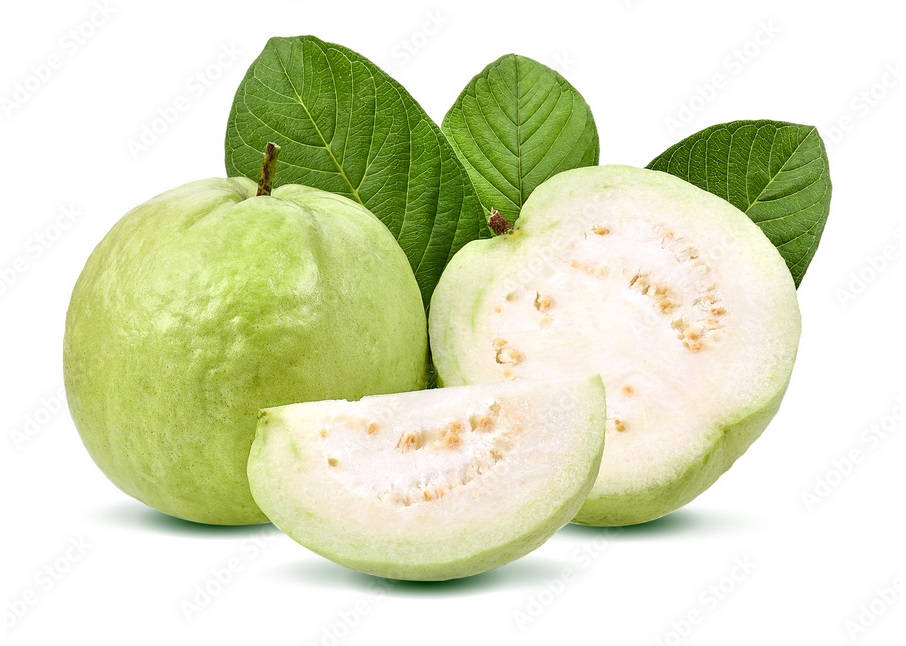
Guava is one of the most nutritious tropical fruits, valued for its sweet flavor, refreshing aroma, and impressive nutrient profile. Native to Central and South America, guava is now widely grown in India, Southeast Asia, Africa, and many tropical regions around the world. Rich in Vitamin C, dietary fiber, antioxidants, and essential minerals, guava supports overall health and fits easily into a balanced diet.
Whether eaten fresh, blended into smoothies, or added to salads, guava is a delicious way to boost your daily nutrient intake.
What is Guava?
Guava (Psidium guajava) is a tropical fruit belonging to the Myrtaceae family. It grows on small evergreen trees and is available in several varieties with green or yellow skin and white, pink, or red flesh. The fruit has edible seeds and a unique sweet-tart flavor.
Guava is especially known for its exceptionally high vitamin C content, making it one of the best fruits for supporting immunity. Besides the fruit, guava leaves have also been traditionally used in herbal remedies and teas.
Nutrition Facts of Guava (Per 100 g)
| Nutrient | Amount |
|---|---|
| Calories | 68 kcal |
| Carbohydrates | 14.3 g |
| Protein | 2.6 g |
| Fat | 1.0 g |
| Dietary Fiber | 5.4 g |
| Vitamin C | 228 mg |
| Vitamin A | 31 µg |
| Folate | 49 µg |
| Potassium | 417 mg |
| Magnesium | 22 mg |
| Calcium | 18 mg |
| Iron | 0.26 mg |
| Water | 80.8 g |
Values are approximate and may vary by variety and ripeness.
Types of Guava
Guava comes in many varieties that differ in flesh color, sweetness, aroma, and texture. Here are some of the most popular types:
- White Guava – Has white or cream-colored flesh with a mild, sweet flavor and crisp texture.
- Pink Guava – Features pink flesh, a sweeter taste, and a fragrant aroma. It is one of the most widely consumed varieties.
- Red Guava – Contains deep pink to red flesh and is rich in lycopene, a powerful antioxidant.
- Apple Guava – The most common guava species (Psidium guajava), known for its round shape and balanced sweet-tart flavor.
- Strawberry Guava – A smaller variety with dark red skin and a flavor similar to strawberries and guava.
- Lemon Guava – Also called Yellow Strawberry Guava, this variety has yellow skin and a tangy, citrus-like taste.
- Thai Guava – Large, crisp, pale green guava with white flesh that is often eaten fresh with salt or chili seasoning.
- Mexican Cream Guava – A creamy white-fleshed variety with a soft texture and exceptionally sweet flavor.
- Pineapple Guava (Feijoa) – Although not a true guava, it has a unique tropical flavor resembling pineapple, mint, and guava.
- Ruby Supreme Guava – A premium variety with bright pink flesh, juicy texture, and rich sweetness, commonly grown in tropical regions.
20 Proven Health Benefits of Guava
- Boosts Immunity: Guava is exceptionally rich in vitamin C, which strengthens the immune system and helps protect against infections.
- Supports Digestive Health: Its high fiber content promotes healthy digestion and regular bowel movements.
- Improves Heart Health: Potassium and antioxidants may help maintain healthy blood pressure and support cardiovascular function.
- Helps Control Blood Sugar: The fiber in guava slows sugar absorption and may support healthy blood glucose levels.
- Rich in Antioxidants: Guava contains vitamin C, lycopene, quercetin, and other antioxidants that protect cells from oxidative stress.
- Promotes Healthy Skin: Vitamin C supports collagen production, helping maintain firm and youthful-looking skin.
- Supports Weight Management: Low calories and high fiber help increase fullness and reduce unnecessary snacking.
- Improves Eye Health: Vitamin A and antioxidant compounds contribute to maintaining healthy vision.
- May Reduce Inflammation: Natural plant compounds in guava may help reduce chronic inflammation.
- Supports Brain Function: Vitamins and antioxidants help protect brain cells and support cognitive health.
- Strengthens Bones: Guava provides magnesium, calcium, and phosphorus that contribute to bone health.
- Promotes Healthy Pregnancy: Folate supports healthy fetal development when consumed as part of a balanced pregnancy diet.
- Supports Healthy Blood Pressure: Potassium helps maintain normal blood pressure by balancing sodium levels.
- Encourages Healthy Cholesterol Levels: Soluble fiber may help lower LDL cholesterol as part of a heart-healthy diet.
- Improves Gut Microbiome: Dietary fiber nourishes beneficial gut bacteria that support digestive wellness.
- May Lower Cancer Risk: Antioxidants may help reduce oxidative damage associated with certain chronic diseases.
- Supports Wound Healing: Vitamin C plays an essential role in tissue repair and wound healing.
- Helps Prevent Constipation: The fruit’s fiber and water content support comfortable bowel movements.
- Keeps You Hydrated: Guava contains a high percentage of water, contributing to daily hydration.
- Supports Overall Wellness: Its combination of vitamins, minerals, antioxidants, and fiber makes guava an excellent addition to a healthy diet.
10 Side Effects of Guava
- Digestive Discomfort: Eating excessive amounts may cause bloating or stomach discomfort.
- Loose Stools: Too much dietary fiber may contribute to diarrhea in sensitive individuals.
- Gas Formation: Some people may experience increased gas after consuming large portions.
- Abdominal Cramps: Excess fiber intake may lead to mild stomach cramps.
- Blood Sugar Changes: People taking diabetes medications should monitor blood sugar when increasing guava intake.
- Possible Allergic Reaction: Rare allergies may cause itching, swelling, or skin irritation.
- Seed Discomfort: Hard seeds may be uncomfortable for individuals with dental problems or swallowing difficulties.
- Medication Interactions: Guava leaf supplements may interact with certain medications and should be used carefully.
- Overconsumption of Vitamin C: Very large amounts may contribute to digestive upset in some individuals.
- Unripe Fruit Irritation: Eating very unripe guava may cause mild stomach discomfort in sensitive people.
How to Eat Guava?
- Wash the fruit thoroughly before eating.
- Eat ripe guava with or without the peel.
- Consume the edible seeds unless advised otherwise by your healthcare provider.
- Slice it into salads for extra nutrition.
- Blend it into smoothies or fresh juices.
- Add diced guava to yogurt or oatmeal.
- Prepare fruit bowls with Amrood and other seasonal fruits.
- Make homemade guava jam or jelly with limited added sugar.
- Use guava in desserts or healthy snacks.
- Enjoy it fresh as a convenient midday snack.
Tips for Consuming Guava
- Choose ripe fruits with a pleasant aroma.
- Wash thoroughly before cutting.
- Eat the peel for additional fiber and antioxidants.
- Consume in moderation as part of a balanced diet.
- Pair guava with nuts or yogurt for a satisfying snack.
- Refrigerate ripe guava to maintain freshness.
- Avoid spoiled or damaged fruits.
- Stay hydrated when increasing dietary fiber intake.
Other Uses of Guava
- Guava Leaf Tea: Amrood leaves are commonly brewed into herbal tea.
- Fresh Juice: Guava makes a naturally refreshing beverage.
- Smoothie Ingredient: It blends well with bananas, berries, and yogurt.
- Fruit Salad Addition: Amrood adds sweetness and texture to mixed fruit salads.
- Jam and Jelly: The fruit is widely used to prepare homemade preserves.
- Desserts: Guava can be used in cakes, pastries, and puddings.
- Sauces: It creates flavorful sauces for sweet and savory dishes.
- Face Masks: Mashed guava is sometimes used in homemade skincare recipes.
- Chutneys: Amrood makes delicious sweet and spicy chutneys.
- Frozen Treats: It can be turned into sorbets, popsicles, and frozen desserts.
How Much Guava Can You Eat in a Day?
Most healthy adults can safely enjoy 1–2 medium guavas (about 150–300 grams) daily as part of a balanced diet. Individuals with digestive sensitivity may prefer smaller portions. People with medical conditions should consult their healthcare provider for personalized recommendations.
| Group | Recommended Amount |
| Healthy Adults | 1–2 medium guavas daily |
| Children | ½–1 small guava |
| Older Adults | 1 medium guava |
| Pregnant Women | Moderate intake as advised by a healthcare provider |
| Athletes | 1–2 guavas as part of a balanced diet |
Best Time to Eat Guava
- Mid-morning snack.
- Afternoon snack.
- Before exercise for natural carbohydrates.
- After meals in moderate portions.
- As part of breakfast with other healthy foods.
Who Should Eat Guava?
- People Seeking Better Immunity: The high vitamin C content supports immune health.
- Individuals Managing Weight: Fiber promotes fullness with relatively few calories.
- People with Digestive Concerns: Fiber supports healthy digestion.
- Heart-Conscious Individuals: Potassium and antioxidants support cardiovascular wellness.
- Active Individuals: Guava provides vitamins, minerals, and natural carbohydrates.
- Older Adults: Nutrients support overall healthy aging.
- Children: Guava offers important vitamins and minerals for growth.
- Pregnant Women: Folate contributes to healthy fetal development when consumed appropriately.
- People Wanting Healthier Skin: Vitamin C supports collagen production.
- Anyone Following a Balanced Diet: Amrood fits well into most healthy eating plans.
Who Should Not Eat Guava?
- People with Guava Allergy: Avoid Amrood if allergic reactions have occurred previously.
- Individuals with Severe Digestive Disorders: Large amounts of fiber may worsen symptoms.
- People Recovering from Certain Gastrointestinal Surgeries: Follow medical advice regarding fiber intake.
- Individuals with Difficulty Swallowing Seeds: Seedless preparations may be more suitable.
- People Taking Certain Herbal Supplements: Consult a healthcare provider before using concentrated guava leaf products.
- Individuals Experiencing Active Diarrhea: High-fiber foods may not be appropriate until symptoms improve.
- People with Specific Medical Restrictions: Follow personalized dietary advice from your healthcare provider.
- Infants: Whole guava pieces may present a choking hazard.
- People Sensitive to High-Fiber Foods: Introduce Amrood gradually.
- Anyone Advised to Limit Certain Fruits: Follow guidance from a qualified healthcare professional.
How to Store Guava?
- Store Unripe Guava at Room Temperature: Allow it to ripen naturally.
- Refrigerate Ripe Guava: Store in the refrigerator for up to several days.
- Keep Dry: Avoid excess moisture before storage.
- Use an Airtight Container: Store cut Amrood in a sealed container.
- Consume Quickly After Cutting: Fresh-cut guava is best eaten within 1–2 days.
- Freeze for Longer Storage: Freeze slices for smoothies and desserts.
- Avoid Direct Sunlight: Store away from heat to slow ripening.
- Inspect Regularly: Remove overripe fruit to prevent spoilage.
Precautions and Interactions
- Practice Portion Control: Avoid excessive intake to reduce digestive discomfort.
- Wash Before Eating: Proper washing helps remove dirt and residues.
- Monitor Blood Sugar: People with diabetes should track their response to fruit intake.
- Consult During Pregnancy: Seek medical advice if dietary restrictions exist.
- Be Careful with Supplements: Amrood leaf extracts may interact with certain medications.
- Increase Fiber Gradually: Introduce higher fiber slowly to reduce bloating.
- Choose Fresh Fruit: Avoid spoiled or moldy guava.
- Stay Hydrated: Adequate water intake supports healthy digestion.
- Seek Medical Advice for Allergies: Stop use if allergic symptoms develop.
- Follow Professional Guidance: Individuals with chronic medical conditions should consult their healthcare provider before major dietary changes.
FAQ’s
What does guava taste like?
Amrood has a sweet, slightly tangy flavor with a tropical aroma. Its taste is often described as a mix of pear, strawberry, and pineapple.
Is guava high in sugar?
No. Amrood contains natural sugars but is relatively low in sugar compared to many tropical fruits and is high in fiber.
Why does my stomach hurt after eating guava?
Stomach discomfort may occur from eating too much Amrood, consuming unripe fruit, or having sensitivity to its high fiber content.
Which guava is best, red or white?
Both are nutritious. Red guava generally contains more lycopene and antioxidants, while white guava is often slightly higher in vitamin C and has a milder flavor.
Is guava good for liver problems?
Amrood can be part of a healthy diet because it provides antioxidants and vitamin C, but it is not a treatment for liver disease. Consult your healthcare provider if you have a liver condition.
Is guava good for cholesterol?
Yes. Guava’s soluble fiber and antioxidants may help support healthy cholesterol levels when included in a balanced diet.
Can a high BP patient eat guava?
Yes. Amrood is rich in potassium and low in sodium, making it a heart-friendly fruit that may help support healthy blood pressure as part of an overall healthy diet.
Which is better, pomegranate or guava?
Both fruits are highly nutritious. Guava is higher in vitamin C and fiber, while pomegranate is especially rich in polyphenol antioxidants. The better choice depends on your nutritional needs and personal preference.
What is guava good for?
Amrood is rich in vitamin C, fiber, antioxidants, and potassium, making it beneficial for immunity, digestion, heart health, and healthy skin.
Can I eat guava every day?
Yes. Most healthy adults can enjoy 1–2 medium guavas daily as part of a balanced diet.
Is guava good for weight loss?
Yes. Amrood is low in calories and high in fiber, which helps keep you full and may support healthy weight management.
Is it okay to eat guava with the skin?
Yes. Guava skin is edible and contains additional fiber, antioxidants, and nutrients. Wash it thoroughly before eating.
Can people with diabetes eat guava?
Yes. Guava can be included in a diabetes-friendly diet in moderation, but individuals should monitor their blood sugar and follow their healthcare provider’s advice.
Is guava good for digestion?
Yes. Its high fiber content supports healthy digestion and helps prevent constipation.
Can pregnant women eat guava?
Yes. Guava is generally safe during pregnancy when eaten in moderation and provides vitamin C and folate. Consult your healthcare provider if you have dietary concerns.
Does guava boost immunity?
Yes. Amrood is one of the richest natural sources of vitamin C, which helps support a healthy immune system.
Can I eat guava at night?
Yes. Amrood can be eaten at night in moderate portions as part of a healthy diet.
Are guava seeds safe to eat?
Yes. Amrood seeds are edible for most people, although those with dental issues or difficulty swallowing may prefer to avoid them.
Is guava good for the skin?
Yes. The vitamin C and antioxidants in guava support collagen production and help protect the skin from oxidative damage.
Can children eat guava?
Yes. Amrood is nutritious for children, but it should be cut into small pieces to reduce the risk of choking.
How do I know when a guava is ripe?
A ripe Amrood has a pleasant aroma, yields slightly to gentle pressure, and may change from bright green to a lighter green or yellow color depending on the variety.
What is guava also known as?
Guava is also known as Apple Guava or Common Guava. Its scientific name is Psidium guajava, and in India it is commonly called Amrood (or Amrud) in Hindi.
Sources / References:
- U.S. Department of Agriculture (USDA)
- Harvard T.H. Chan School of Public Health – The Nutrition Source
- World Health Organization (WHO)
- National Institutes of Health (NIH)
- MedlinePlus
About the Author:
Written by: Kirti Solanki (Health Content Researcher)
Kirti Solanki researches evidence-based nutrition and wellness topics, creating easy-to-understand health content based on trusted scientific sources and current nutrition guidance.
Disclaimer:
This guide is for educational purposes only and is not intended to replace professional medical advice, diagnosis, or treatment. Always consult a qualified healthcare professional before making significant dietary or health-related changes, especially if you are pregnant, breastfeeding, taking medications, or managing a medical condition.
Recommended Articles :