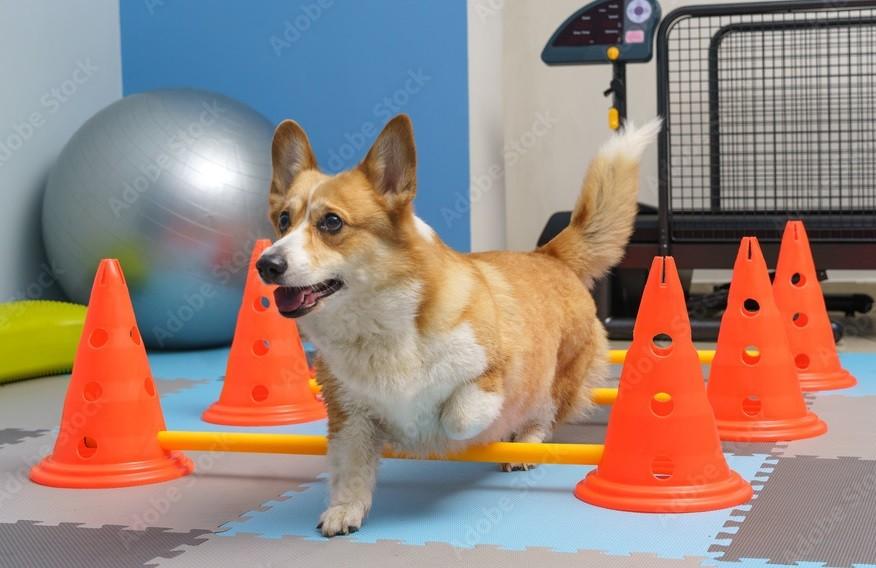
Exercise is one of the most important yet misunderstood aspects of dog care. Many dog owners believe that a short walk around the block is enough, while others overdo physical activity without considering breed, age, or health conditions. The truth lies somewhere in between. Just like humans, dogs need the right type and amount of exercise to stay physically fit, mentally stimulated, and emotionally balanced.
Dog exercise is not only about burning energy. It plays a vital role in preventing behavioral issues, managing weight, supporting joint health, improving digestion, strengthening the immune system, and even increasing a dog’s lifespan. A well-exercised dog is more relaxed, attentive, and confident, making daily life easier for both the dog and the owner. This guide will help you understand what dog exercise really means, why it matters, how much exercise your dog needs, and how to create an exercise routine that suits your dog’s unique needs.
What Is Dog Exercise?
Dog exercise refers to any physical or mental activity that helps a dog use energy, strengthen muscles, improve cardiovascular health, and engage the mind. Exercise can include walking, running, playing, swimming, training sessions, puzzle games, and even scent work.
There are two main types of exercise for dogs:
- Physical exercise, which involves body movement such as walking, running, or playing fetch.
- Mental exercise, which stimulates the brain through problem-solving, learning, and sensory activities.
A balanced exercise routine should include both physical and mental components. Physical exercise alone may tire a dog temporarily, but without mental stimulation, dogs often remain restless and develop destructive behaviors.
Why Dog Exercise Is Essential?
1. Supports Physical Health
Regular exercise helps dogs maintain a healthy weight, reducing the risk of obesity-related issues such as diabetes, heart disease, and joint problems. It improves muscle tone, strengthens bones, and enhances flexibility. Active dogs generally have better digestion, stronger immune systems, and improved circulation.
2. Improves Mental Well-Being
Dogs are intelligent animals that need mental engagement. Exercise helps reduce stress, anxiety, boredom, and frustration. Mental stimulation through exercise prevents issues like excessive barking, chewing, digging, and hyperactivity.
3. Prevents Behavioral Problems
Many behavioral problems stem from pent-up energy. Dogs that do not get enough exercise often show signs of aggression, destructiveness, or attention-seeking behaviors. A properly exercised dog is calmer, more obedient, and easier to train.
4. Strengthens the Human-Dog Bond
Exercising together builds trust and deepens the emotional connection between you and your dog. Activities like walking, playing, and training create shared experiences that strengthen your relationship.
How Much Exercise Does a Dog Need?
There is no one-size-fits-all answer. Exercise needs depend on several factors, including breed, age, size, health, and temperament.
Exercise Needs by Age
Puppies:
Puppies have lots of energy but delicate growing bones and joints. Short, frequent play sessions are better than long workouts. Over-exercising puppies can cause joint and bone problems later in life.
General guideline:
5 minutes of structured exercise per month of age, up to twice a day.
Adult Dogs:
Adult dogs usually need the most exercise. Depending on breed and energy level, this can range from 30 minutes to 2 hours daily.
Senior Dogs:
Older dogs still need exercise, but it should be gentler and lower impact. Regular movement helps maintain mobility, muscle mass, and mental sharpness.
Exercise Needs by Breed
Different breeds were developed for different purposes, and their exercise needs reflect that history.
High-Energy Breeds:
Breeds such as Border Collies, German Shepherds, Labradors, Huskies, and Australian Shepherds need intense daily exercise and mental challenges. Without it, they often develop behavioral issues. Recommended activities include running, agility training, fetch, advanced obedience training, and interactive games.
Moderate-Energy Breeds:
Breeds like Beagles, Bulldogs, Cocker Spaniels, and Boxers need regular daily exercise but not excessive intensity. Brisk walks, playtime, and training sessions usually meet their needs.
Low-Energy Breeds:
Breeds such as Shih Tzus, Pugs, Basset Hounds, and Maltese require shorter and gentler exercise sessions. Over-exertion can cause breathing or joint issues, especially in flat-faced breeds.
Types of Dog Exercise
1. Walking
Walking is the most basic and essential form of exercise. It provides physical movement, mental stimulation through new smells, and social exposure.
A proper walk should allow your dog to sniff and explore rather than just rush forward. Sniffing is mentally enriching and helps reduce stress.
2. Running and Jogging
Running is ideal for high-energy dogs with strong joints. It improves cardiovascular health and burns excess energy quickly. Always build stamina gradually and avoid running on hard surfaces for long periods.
3. Playing Fetch
Fetch is excellent for dogs that love chasing and retrieving. It builds endurance and muscle strength. However, repetitive throwing can strain joints, so moderation is key.
4. Swimming
Swimming is a low-impact, full-body workout. It is ideal for dogs with joint problems, arthritis, or weight issues. Always supervise swimming sessions and ensure water safety.
5. Agility Training
Agility training combines physical exercise with mental focus. It improves coordination, confidence, and obedience while providing an intense workout.
6. Tug-of-War
When played correctly, tug-of-war is safe and beneficial. It strengthens muscles and builds engagement. Teaching clear rules helps prevent aggression.
Mental Exercise for Dogs
Mental exercise is just as important as physical activity. Some dogs become tired faster from thinking than from running.
1. Training Sessions
Obedience training, trick training, and command practice stimulate the brain while reinforcing good behavior. Short daily sessions are highly effective.
2. Puzzle Toys
Puzzle feeders and interactive toys challenge dogs to solve problems to get rewards. These are especially useful for dogs that spend time alone.
3. Scent Work
Dogs experience the world through smell. Hiding treats or toys and encouraging your dog to find them provides deep mental satisfaction.
4. Interactive Play
Games that involve decision-making, such as hide-and-seek, help improve focus and confidence.
Signs Your Dog Is Not Getting Enough Exercise
Dogs often show clear signs when their exercise needs are not met.
Common signs include:
- Destructive chewing or digging
- Excessive barking or whining
- Hyperactivity indoors
- Weight gain
- Restlessness or pacing
- Attention-seeking behavior
- Difficulty settling down
Addressing exercise needs often resolves these issues without additional training or behavior correction.
Signs of Over-Exercising a Dog
Too much exercise can be just as harmful as too little.
Warning signs include:
- Limping or stiffness
- Excessive panting
- Reluctance to move
- Sore muscles
- Changes in behavior
- Loss of appetite
Always allow rest days and observe your dog’s comfort level.
Creating a Balanced Dog Exercise Routine
A good exercise routine includes variety, consistency, and rest.
Daily Structure
A balanced day might include:
- One or two walks
- One active play session
- One mental stimulation activity
- Short training session
Consistency helps dogs feel secure and reduces anxiety.
Weekly Variety
Changing activities prevents boredom and overuse injuries. Rotate between walking routes, games, and training challenges.
Rest and Recovery
Dogs need downtime to recover physically and mentally. Quality sleep and rest days are essential, especially for active dogs.
Exercising Dogs in Different Living Environments
Apartment Dogs
Even without a yard, dogs can stay fit through structured walks, stair climbing, indoor games, and mental enrichment.
House with Yard
A yard is helpful but should not replace walks. Free roaming does not provide enough stimulation or structured exercise.
Urban vs Rural Settings
Urban dogs benefit from social exposure and leash training, while rural dogs often need recall training and boundaries to stay safe.
Seasonal Considerations for Dog Exercise
Summer
Avoid exercising during peak heat hours. Provide water breaks and choose early morning or evening walks.
Winter
Cold weather can still allow exercise, but protect paws from ice and salt. Shorter, more frequent sessions work well.
Rainy Days
Indoor games, training, and mental enrichment become especially important during bad weather.
Special Exercise Considerations
Overweight Dogs
Start slowly with low-impact exercise like walking or swimming. Gradually increase duration and intensity.
Dogs with Arthritis or Health Conditions
Consult a veterinarian before starting an exercise routine. Gentle movement often helps more than complete rest.
Pregnant or Recovering Dogs
Exercise should be limited and guided by a vet to ensure safety.
Common Dog Exercise Myths
Myth: A yard is enough exercise
Reality: Dogs need structured, interactive activity.
Myth: Tired dogs are well-exercised dogs
Reality: Mental satisfaction matters as much as physical fatigue.
Myth: Puppies should run as much as they want
Reality: Controlled exercise protects developing joints.
The Long-Term Benefits of Proper Dog Exercise
Dogs that receive appropriate exercise tend to live longer, healthier lives. They show fewer behavioral problems, maintain healthier weights, and develop stronger bonds with their owners. Exercise also reduces veterinary costs over time by preventing chronic health issues. A well-exercised dog is not just physically fit but emotionally stable, mentally sharp, and socially confident.
Final Thoughts
Dog exercise is not about exhausting your dog; it is about meeting their physical and mental needs in a balanced, thoughtful way. Every dog is unique, and the best exercise routine is one that respects age, breed, health, and personality.
By committing to regular, appropriate exercise, you are investing in your dog’s long-term happiness, health, and quality of life. Whether it is a daily walk, a game of fetch, a training session, or a scent-finding challenge, every moment of movement contributes to a stronger, healthier, and happier dog.
FAQ’s
How much exercise does a dog need every day?
The amount of exercise a dog needs depends on its age, breed, size, and health. On average, most adult dogs need 30 minutes to 2 hours of exercise daily. High-energy breeds may require more intense activity, while low-energy or small breeds may need shorter sessions.
Is walking enough exercise for dogs?
Walking is essential, but it may not be enough for all dogs. While walks provide physical movement and mental stimulation through sniffing, many dogs also need playtime, training, or interactive games to fully meet their exercise needs.
How much exercise does a puppy need?
Puppies should have short, controlled exercise sessions to protect their developing joints. A common guideline is 5 minutes of structured exercise per month of age, up to twice a day, along with free play and mental stimulation.
Can dogs be over-exercised?
Yes, over-exercising can lead to joint strain, muscle soreness, exhaustion, and long-term health problems. Signs include limping, excessive panting, stiffness, and reluctance to move. Rest and balance are just as important as activity.
What are the best exercises for dogs?
The best exercises include walking, playing fetch, swimming, agility training, tug-of-war, and interactive games. Mental exercises such as training sessions, puzzle toys, and scent work are also highly beneficial.
Do indoor dogs need exercise?
Yes, indoor dogs still need regular exercise. Living indoors does not reduce a dog’s physical or mental needs. Daily walks, indoor play, and mental enrichment are essential for indoor dogs.
How can I exercise my dog indoors?
Indoor exercise options include hide-and-seek, stair climbing, tug-of-war, obedience training, trick training, and puzzle toys. Mental games can be especially effective on days when outdoor exercise is limited.
How does exercise affect dog behavior?
Proper exercise helps reduce behavioral problems such as excessive barking, chewing, digging, hyperactivity, and aggression. A well-exercised dog is calmer, more focused, and easier to train.
Is mental exercise important for dogs?
Yes, mental exercise is just as important as physical activity. Mental stimulation prevents boredom, reduces anxiety, and satisfies a dog’s natural instincts. Training, puzzle toys, and scent games are excellent mental workouts.
How should senior dogs be exercised?
Senior dogs benefit from gentle, low-impact exercise such as short walks, light play, and stretching. Regular movement helps maintain joint health, muscle strength, and mental sharpness, but intensity should be adjusted based on comfort and health.
Can overweight dogs exercise safely?
Yes, exercise is essential for overweight dogs, but it should start slowly. Low-impact activities like walking and swimming are ideal. Gradually increasing duration and intensity helps prevent injury and supports healthy weight loss.
Should dogs exercise every day?
Most dogs benefit from daily exercise, even if it is light on some days. Consistent movement supports physical health, mental well-being, and emotional balance.
Also Read: