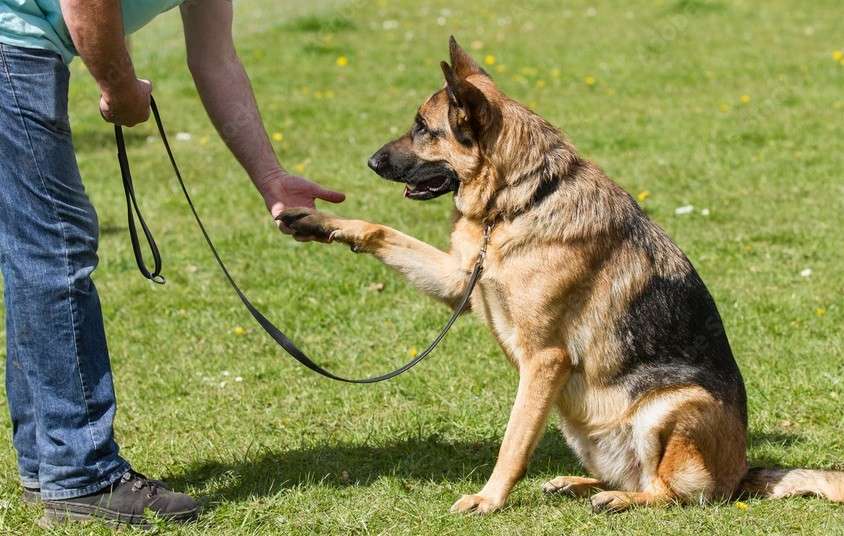
German Shepherds are one of the most intelligent, loyal, and versatile dog breeds in the world. Known for their courage, obedience, and strong work ethic, they excel as family companions, guard dogs, police and military dogs, and service animals. However, owning a German Shepherd comes with responsibility. Their intelligence and energy mean they require proper training, structure, and consistent guidance from an early age.
This guide to German Shepherd training covers everything you need to know, from understanding the breed’s temperament to puppy training, obedience basics, advanced skills, behavior management, and common mistakes to avoid. Whether you are a first-time dog owner or an experienced handler, this guide will help you raise a well-behaved, confident, and balanced German Shepherd.
Understanding the German Shepherd Breed
Before starting training, it is essential to understand the natural traits of German Shepherds. Training becomes much more effective when it aligns with the breed’s instincts and personality.
Intelligence and Trainability
German Shepherds rank among the top intelligent dog breeds. They learn commands quickly and enjoy mental challenges. This intelligence means they respond well to structured training but can become bored or destructive if under-stimulated.
Protective Instincts
German Shepherds are naturally protective of their families. While this makes them excellent guard dogs, improper training or lack of socialization can lead to fear-based aggression or over-guarding behaviors.
Energy Levels
This breed is highly energetic and needs daily physical exercise and mental stimulation. Training sessions should be engaging and paired with regular walks, playtime, and tasks.
Loyalty and Bonding
German Shepherds form strong bonds with their owners. They thrive on leadership, consistency, and positive reinforcement. Harsh training methods can damage trust and lead to behavioral issues.
When to Start German Shepherd Training
Training should begin the moment your German Shepherd comes home.
Puppy Training (8 Weeks to 6 Months)
Early training focuses on basic commands, socialization, and house rules. Puppies are highly impressionable during this stage, making it the best time to shape good habits.
Adolescent Training (6 Months to 18 Months)
This phase often comes with stubbornness and testing boundaries. Consistency is critical. Reinforcing obedience and managing behavioral challenges is essential during adolescence.
Adult Training
Adult German Shepherds can still learn new skills and behaviors. While it may take more time to correct bad habits, consistent training and patience can produce excellent results.
Essential Principles of German Shepherd Training
Successful training depends on a few core principles.
Consistency
Commands, rules, and routines should remain the same. Inconsistent training confuses your dog and slows progress.
Positive Reinforcement
Reward-based training using treats, praise, or toys is highly effective for German Shepherds. It encourages learning and strengthens the bond between dog and owner.
Clear Leadership
German Shepherds respect confident and calm leadership. Leadership does not mean dominance or punishment, but setting clear boundaries and expectations.
Short and Focused Sessions
Training sessions should be short, especially for puppies. Ten to fifteen minutes per session, multiple times a day, works best.
Basic German Shepherd Puppy Training
House Training
House training should begin immediately.
- Take your puppy outside frequently, especially after meals, naps, and playtime.
- Choose a consistent potty spot.
- Reward your puppy immediately after successful elimination.
- Avoid punishment for accidents; instead, reinforce positive behavior.
Consistency and patience usually result in successful house training within a few months.
Crate Training
Crate training provides a safe space for your German Shepherd and helps with house training.
- Choose a crate large enough for your puppy to stand and turn around.
- Introduce the crate gradually with treats and positive associations.
- Never use the crate as punishment.
Proper crate training reduces anxiety and prevents destructive behavior.
Socialization
Socialization is critical for German Shepherds.
- Introduce your puppy to different people, environments, sounds, and animals.
- Ensure experiences are positive and controlled.
- Early socialization reduces fear and aggression later in life.
Teaching Basic Obedience Commands
Sit
Sit is one of the easiest commands to teach and forms the foundation for other training.
- Hold a treat close to your dog’s nose.
- Move it upward so your dog naturally sits.
- Say the command and reward immediately.
Stay
Stay teaches impulse control.
- Ask your dog to sit.
- Hold your hand out and say the command.
- Take a step back and reward if your dog stays.
Gradually increase distance and duration.
Come
A reliable recall command is essential for safety.
- Use a cheerful tone.
- Reward generously when your dog comes to you.
- Never punish your dog after calling them to you.
Down
Down encourages calm behavior.
- Start from a sitting position.
- Guide your dog into a lying position using a treat.
- Reward once your dog is fully down.
Leash Training Your German Shepherd
German Shepherds grow into large, powerful dogs, making leash training essential.
- Start leash training early.
- Use a sturdy leash and comfortable collar or harness.
- Reward loose-leash walking.
- Stop walking if your dog pulls and resume when the leash is relaxed.
Consistent leash training prevents pulling and makes walks enjoyable.
Advanced German Shepherd Training
Off-Leash Training
Off-leash training requires a strong foundation in obedience and recall.
- Practice in secure areas first.
- Gradually introduce distractions.
- Reinforce recall regularly.
Protection and Guard Training
German Shepherds are natural protectors, but professional guidance is recommended for protection training.
- Avoid encouraging aggression without proper training.
- Work with certified trainers for guard or protection work.
- Focus on controlled and disciplined behavior.
Service and Working Roles
German Shepherds excel as service dogs, therapy dogs, and working dogs.
- Training for specialized roles requires consistency and patience.
- Advanced obedience and task-specific training are essential.
Managing Common Behavior Problems
Excessive Barking
German Shepherds may bark due to boredom, fear, or alertness.
- Identify the cause of barking.
- Provide adequate exercise and mental stimulation.
- Teach the quiet command using positive reinforcement.
Chewing and Destructive Behavior
Chewing is common, especially in puppies.
- Provide appropriate chew toys.
- Puppy-proof your home.
- Redirect inappropriate chewing.
Jumping
German Shepherds may jump to greet people.
- Ignore jumping behavior.
- Reward calm greetings.
- Teach the sit command for greetings.
Exercise and Mental Stimulation
Training alone is not enough. German Shepherds need daily exercise and mental challenges.
- Long walks or runs
- Obedience training sessions
- Puzzle toys
- Agility training
- Fetch and interactive play
A well-exercised German Shepherd is calmer, happier, and easier to train.
Nutrition and Its Role in Training
Proper nutrition supports learning and behavior.
- Feed high-quality dog food appropriate for age and activity level.
- Maintain a consistent feeding schedule.
- Avoid overfeeding treats during training.
Healthy dogs learn better and maintain higher energy levels.
Common German Shepherd Training Mistakes to Avoid
- Inconsistent commands and rules
- Using punishment-based methods
- Skipping socialization
- Neglecting mental stimulation
- Expecting immediate results
Training is a long-term commitment that requires patience and understanding.
Training an Older or Rescue German Shepherd
Rescue German Shepherds may come with past trauma or bad habits.
- Build trust before demanding obedience.
- Use positive reinforcement.
- Be patient and consistent.
- Seek professional help if needed.
With time and dedication, rescue dogs can become loyal and well-behaved companions.
The Importance of Professional Training
While many owners successfully train their German Shepherds at home, professional trainers can be valuable.
- Group classes improve socialization.
- Private sessions address specific issues.
- Professional guidance helps prevent serious behavioral problems.
Final Thoughts
Training a German Shepherd is both a responsibility and a rewarding experience. Their intelligence, loyalty, and eagerness to learn make them exceptional companions when trained properly. By starting early, using positive reinforcement, maintaining consistency, and meeting their physical and mental needs, you can raise a confident, obedient, and well-balanced German Shepherd.
German Shepherd training is not a one-time task but a lifelong journey. With patience, commitment, and understanding, your German Shepherd will not only learn commands but also develop into a trusted family member and companion.
FAQ’s
How early should I start training my German Shepherd?
You should start training your German Shepherd as early as 8 weeks old. Early training helps establish good habits, improves socialization, and prevents behavior problems later in life. Basic commands, house training, and positive interactions should begin immediately.
Are German Shepherds easy to train?
Yes, German Shepherds are considered one of the easiest dog breeds to train due to their high intelligence, eagerness to learn, and strong bond with their owners. However, they require consistent training, mental stimulation, and firm but positive leadership.
How long does it take to train a German Shepherd?
Basic obedience training can take 3 to 6 months with consistent practice. Advanced training, behavior correction, or specialized training may take longer depending on the dog’s age, temperament, and training goals.
What is the best training method for German Shepherds?
Positive reinforcement training is the most effective method for German Shepherds. Rewarding good behavior with treats, praise, or toys helps reinforce learning and builds trust. Harsh punishment-based methods should be avoided.
Can German Shepherds be trained at home?
Yes, German Shepherds can be successfully trained at home using consistent routines, clear commands, and regular practice. However, professional training or group classes can be helpful for socialization and addressing specific behavioral issues.
How much exercise does a German Shepherd need during training?
German Shepherds require at least 1 to 2 hours of physical activity daily, along with mental stimulation. Adequate exercise helps reduce behavioral problems and improves focus during training sessions.
How do I stop my German Shepherd from pulling on the leash?
Leash pulling can be reduced by teaching loose-leash walking, stopping when your dog pulls, and rewarding calm walking. Starting leash training early and remaining consistent is key to success.
Is socialization important for German Shepherd training?
Yes, socialization is extremely important. Proper socialization helps prevent fear, aggression, and anxiety. German Shepherds should be exposed to different people, animals, sounds, and environments from a young age.
Can German Shepherds be aggressive if not trained properly?
Without proper training and socialization, German Shepherds may develop aggressive or overly protective behaviors. Early training, clear boundaries, and positive exposure help ensure a calm and well-balanced temperament.
Is professional training necessary for German Shepherds?
Professional training is not mandatory but can be very beneficial, especially for first-time owners, behavior correction, or advanced training such as protection or service work.
Can older German Shepherds still be trained?
Yes, older German Shepherds can be trained successfully. While it may take more time and patience, consistent positive reinforcement can help modify behavior and teach new commands at any age.
Also Read: