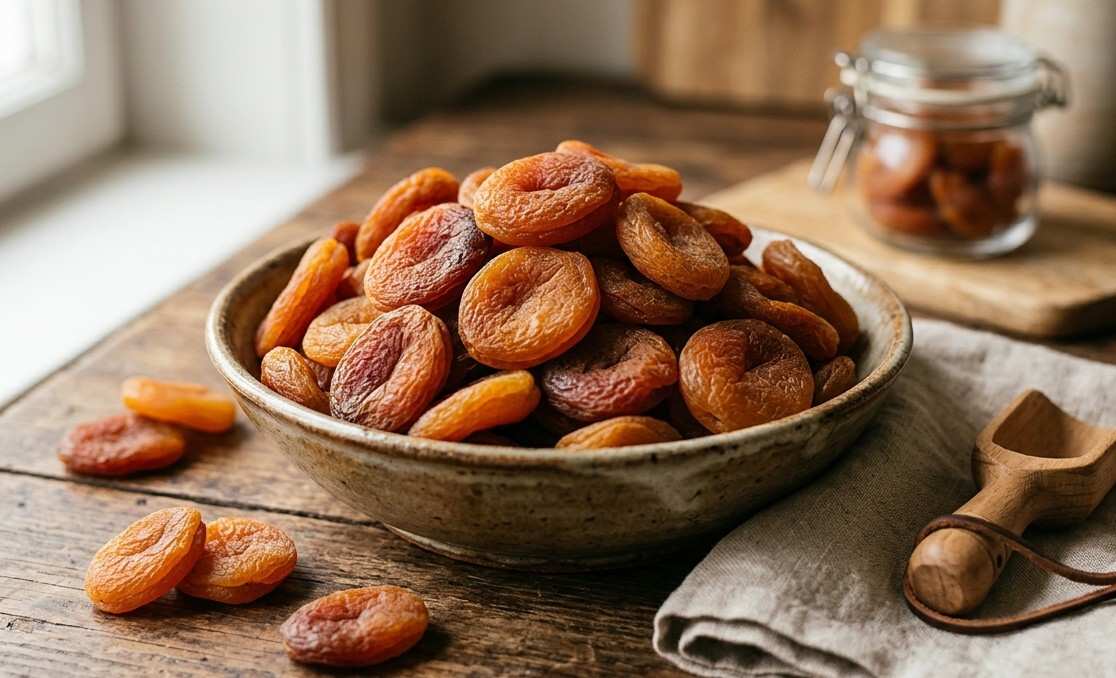
Dried apricots are one of those simple, humble foods that quietly deliver impressive health benefits. Sweet, chewy, and packed with nutrients, they’ve been used for centuries in traditional diets across the Middle East, Central Asia, and Mediterranean regions. Whether you eat them as a snack, add them to recipes, or soak them in water for a natural tonic, dried apricots can be a valuable addition to a balanced lifestyle.
This guide explores everything you need to know—from nutrition and proven health benefits to side effects, preparation methods, and daily usage.
What is Dried Apricots?
Dried apricots are fresh apricots that have had most of their water content removed through natural sun-drying or dehydrating processes. The result is a smaller, concentrated fruit with a chewy texture and intensified sweetness.
Apricots themselves come from the fruit of the apricot tree (Prunus armeniaca). When dried, their nutrients become more concentrated, making them a dense source of vitamins, minerals, and antioxidants.
There are two common types:
- Sulfur-treated (bright orange): Preserved with sulfur dioxide to maintain color and shelf life
- Unsulfured (dark brown): Natural, organic variety without preservatives
Nutrition Facts of Dried Apricots
| Nutrient | Amount (Per 100g) |
|---|---|
| Calories | 241 kcal |
| Carbohydrates | 63 g |
| Natural Sugars | 53 g |
| Dietary Fiber | 7 g |
| Protein | 3.4 g |
| Fat | 0.5 g |
| Vitamin A | 3600 IU |
| Vitamin C | 1 mg |
| Vitamin E | 4.3 mg |
| Potassium | 1160 mg |
| Iron | 2.7 mg |
| Calcium | 55 mg |
| Magnesium | 32 mg |
20 Science-Backed Benefits of Dried Apricots
1. Supports Eye Health
Rich in vitamin A and beta-carotene, dried apricots help maintain vision and reduce the risk of age-related eye disorders.
2. Improves Digestion
High fiber content promotes healthy bowel movements and prevents constipation.
3. Boosts Immunity
Antioxidants strengthen the immune system and help fight infections.
4. Promotes Skin Health
Vitamin E and antioxidants support glowing, youthful skin.
5. Supports Heart Health
Potassium helps regulate blood pressure and reduces cardiovascular risks.
6. Helps in Anemia Prevention
Iron content supports red blood cell production.
7. Aids Weight Management
Fiber promotes satiety and reduces unnecessary snacking.
8. Improves Bone Strength
Calcium and magnesium contribute to stronger bones.
9. Regulates Blood Pressure
Potassium balances sodium levels in the body.
10. Enhances Energy Levels
Natural sugars provide quick and sustained energy.
11. Supports Liver Health
Antioxidants help detoxify and protect liver cells.
12. Reduces Inflammation
Polyphenols help combat inflammation in the body.
13. Promotes Gut Health
Fiber acts as a prebiotic, feeding beneficial gut bacteria.
14. Supports Pregnancy Nutrition
Provides essential nutrients like iron and folate.
15. Helps Manage Blood Sugar (in moderation)
Low glycemic load when eaten in controlled portions.
16. Improves Hair Health
Nutrients support hair strength and growth.
17. Prevents Oxidative Stress
Antioxidants neutralize harmful free radicals.
18. Supports Kidney Function
Potassium helps maintain electrolyte balance.
19. May Reduce Cancer Risk
Phytonutrients may help protect against certain cancers.
20. Enhances Overall Vitality
Regular intake contributes to general wellness and energy.
10 Side Effects of Dried Apricots
1. High Sugar Content
Excess intake may spike blood sugar levels.
2. Digestive Issues
Overeating can cause bloating or diarrhea.
3. Weight Gain
Calorie-dense if consumed in large quantities.
4. Sulfite Sensitivity
Some people may react to sulfur preservatives.
5. Tooth Decay
Sticky sugars can promote dental issues.
6. Allergic Reactions
Rare but possible in sensitive individuals.
7. Potassium Overload
Too much may affect kidney function in certain individuals.
8. Gastrointestinal Discomfort
High fiber may cause cramps if consumed excessively.
9. Medication Interactions
May interfere with certain blood pressure or diuretic drugs.
10. Risk for Diabetics
Needs portion control due to natural sugar concentration.
How to Make Dried Apricots?
Traditional Sun-Drying Method
- Wash fresh apricots thoroughly
- Cut them in half and remove pits
- Place them skin-side down on trays
- Dry under direct sunlight for 2–4 days
- Store in airtight containers
Oven Method
- Preheat oven to 90–100°C
- Place apricot halves on a tray
- Dry for 8–12 hours
- Let cool before storing
Dehydrator Method
- Arrange apricots evenly
- Set temperature to 55–60°C
- Dry for 10–12 hours
How to Eat Dried Apricots for Maximum Health Benefits?
- Eat dried apricots as a quick and naturally sweet snack in small portions.
- Soak dried apricots overnight to make them softer and easier to digest.
- Add chopped dried apricots to oatmeal, porridge, or cereal for extra flavor and nutrition.
- Mix them into yogurt or curd for a healthy and filling breakfast or snack.
- Combine dried apricots with nuts and seeds to create a balanced trail mix.
- Use them in baking recipes like cakes, muffins, and cookies for natural sweetness.
- Chop and sprinkle them over salads to add a sweet and tangy twist.
- Include them in rice dishes, curries, or stews for a rich flavor.
- Blend soaked dried apricots into smoothies for added nutrients and taste.
- Make a paste or spread from soaked apricots as a natural alternative to sugar.
Tips for Consuming Dried Apricots
- Soak them overnight for better digestion
- Pair with nuts for balanced nutrition
- Add to oatmeal, salads, or smoothies
- Avoid overconsumption
- Choose unsulfured varieties when possible
Other Uses of Dried Apricots
- Natural sweetener in desserts
- Ingredient in baked goods
- Added to rice dishes and curries
- Used in chutneys and sauces
- Energy snacks and trail mixes
How Much Dried Apricots Can You Eat in a Day?
If consumed as soaked apricot water or along with the fruit:
- Recommended amount: 4–6 dried apricots per day
- Soaked version: 1 glass of soaked apricot water with 4–5 fruits
Moderation is key due to high sugar and calorie content.
Best Time to Eat Dried Apricots
- Morning (empty stomach): Improves digestion and energy
- Midday snack: Sustains energy levels
- Avoid late-night consumption if you have digestion issues
Who Should Eat Dried Apricots?
- Individuals with constipation
- People with low iron levels
- Those needing quick energy
- Athletes and active individuals
- People aiming for better skin and hair health
Who Should Avoid Dried Apricots?
- People with diabetes (unless controlled portions)
- Individuals with sulfite allergies
- Those with kidney disorders (due to potassium)
- People on strict low-sugar diets
How to Store Dried Apricots?
- Store in an airtight container
- Keep in a cool, dry place
- Refrigerate for longer shelf life
- Avoid moisture exposure
- Use within 6–12 months
Precautions and Interactions
- Consult a doctor if on medications, especially for blood pressure or kidneys
- Monitor intake if diabetic
- Avoid excessive consumption
- Choose organic, unsulfured varieties when possible
- Introduce gradually if you have a sensitive digestive system
Final Thoughts
Dried apricot are a nutrient-rich, convenient, and versatile food that can easily fit into your daily routine. From boosting digestion and heart health to enhancing skin and energy levels, their benefits are extensive. However, like any concentrated food, they should be consumed mindfully.
FAQ’s
What do dried apricots taste like?
Dry apricots have a naturally sweet and slightly tangy flavor with a chewy texture. Unsulfured ones taste deeper and more caramel-like, while sulfur-treated ones are brighter and slightly sharper in taste.
Are dried apricots healthier than fresh apricots?
Both are healthy, but dry apricots are more concentrated in nutrients like fiber, iron, and potassium. However, they also contain more natural sugar and calories due to water loss.
Can I eat dried apricots every day?
Yes, you can eat them daily in moderation. A safe amount is about 4–6 pieces per day to avoid excess sugar and calorie intake.
Is it better to eat dried apricots soaked or raw?
Soaked dried apricot are easier to digest and may improve nutrient absorption. They are especially beneficial for people with sensitive digestion or constipation.
Do dried apricots help with constipation?
Yes, they are rich in dietary fiber, which promotes regular bowel movements and helps relieve constipation naturally.
Are dried apricots good for weight loss?
They can support weight loss when eaten in small portions because their fiber helps you feel full. However, overeating may lead to weight gain due to high calorie content.
Can diabetics eat dried apricots?
Yes, but only in controlled portions. Dry apricots contain natural sugars, so diabetics should monitor their intake and consult a healthcare professional if needed.
Are dried apricots good for skin?
Yes, they are rich in antioxidants and vitamin E, which help improve skin texture, reduce signs of aging, and promote a healthy glow.
Do dried apricots increase hemoglobin levels?
They contain iron, which supports red blood cell production and may help improve hemoglobin levels when included as part of a balanced diet.
Can dried apricots be eaten at night?
Yes, but it’s better to consume them earlier in the day. Eating them at night may cause digestive discomfort for some people due to their fiber content.
Are dried apricots safe during pregnancy?
Yes, in moderation. They provide essential nutrients like iron and potassium, but excessive intake should be avoided.
Can dried apricots cause gas or bloating?
Yes, eating too many can lead to gas or bloating due to their high fiber content. Start with small amounts if you’re not used to fiber-rich foods.
Are dried apricots good for heart health?
Yes, their potassium and antioxidant content help regulate blood pressure and support cardiovascular health.
Can children eat dried apricots?
Yes, children can eat them in small amounts. Ensure they are cut into smaller pieces to avoid choking hazards.
Do dried apricots help in detoxifying the body?
They support natural detox processes by aiding digestion and promoting regular bowel movements, but they are not a standalone detox solution.
How many calories are in dried apricots?
Approximately 240 calories per 100 grams, though portion size matters significantly.
Can I use dried apricots in cooking?
Yes, they are widely used in desserts, salads, rice dishes, and even savory recipes for added sweetness and texture.
How do I know if dried apricots have gone bad?
Spoiled dried apricot may develop a sour smell, mold, or an overly hard texture. Always store them properly and check before consumption.
What does dried apricots smell like?
Dry apricots have a naturally sweet, fruity aroma with slightly tangy and honey-like notes. Unsulfured dried apricot often smell richer and more caramel-like, while sulfur-treated ones have a lighter, fresher scent.
What is dried apricots good for?
Dry apricots are good for supporting digestion, improving gut health, boosting energy, and promoting healthy skin. They are also beneficial for heart health due to their potassium content and can help prevent constipation because of their high fiber levels.
Also Read: