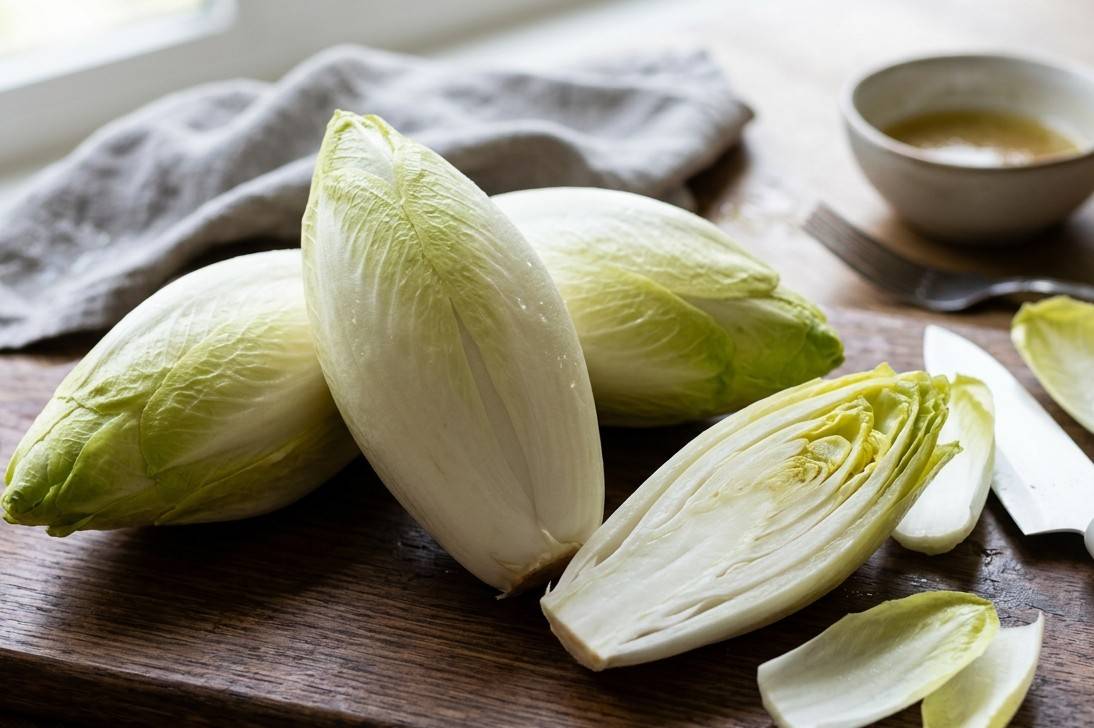
Endive is a crisp, slightly bitter leafy vegetable that belongs to the chicory family. Known for its crunchy texture and refreshing flavor, endive (also known as chicory endive, Belgian endive, curly endive, frisée, or escarole) is commonly used in salads, soups, appetizers, and healthy side dishes. It is low in calories yet packed with vitamins, minerals, antioxidants, and dietary fiber, making it a valuable addition to a balanced diet.
This versatile vegetable has been enjoyed for centuries in European cuisine and is now gaining popularity worldwide due to its impressive nutritional profile and health-supporting properties. Whether eaten raw or cooked, endive can contribute to digestive health, heart health, weight management, and overall wellness.
What is Endive?
Endive is a leafy vegetable from the chicory family, scientifically known as Cichorium endivia. It is closely related to escarole and radicchio. Endive typically has pale green or yellow leaves with a slightly bitter taste and crisp texture.
There are several common types of endive:
- Belgian Endive
- Curly Endive (Frisée)
- Escarole Endive
Belgian endive is shaped like a small torpedo with tightly packed leaves, while curly endive has frilly leaves and a stronger bitter flavor. Escarole has broader, milder leaves.
Escarole is widely appreciated for its nutritional value and culinary versatility. It can be eaten raw in salads, grilled, roasted, sautéed, or added to soups and casseroles.
Nutrition Facts of Endive
| Nutrient | Amount per 100g |
|---|---|
| Calories | 17 kcal |
| Carbohydrates | 3.4 g |
| Protein | 1.3 g |
| Fat | 0.2 g |
| Dietary Fiber | 3.1 g |
| Vitamin A | 108% DV |
| Vitamin K | 288% DV |
| Folate | 35% DV |
| Vitamin C | 11% DV |
| Potassium | 314 mg |
| Calcium | 52 mg |
| Magnesium | 15 mg |
| Iron | 0.8 mg |
| Water Content | About 93% |
20 Proven Health Benefits of Endive
- Supports Digestive Health: Escarole contains dietary fiber that helps improve digestion, supports bowel regularity, and reduces constipation.
- Promotes Weight Loss: Endive is very low in calories and high in fiber, helping you stay full for longer periods.
- Improves Heart Health: The potassium and antioxidants in endive may help maintain healthy blood pressure and support cardiovascular wellness.
- Strengthens Bones: Escarole is rich in vitamin K, which plays a vital role in maintaining strong and healthy bones.
- Boosts Immunity: Vitamin C and antioxidants in Escarole help strengthen the immune system and protect against infections.
- Supports Eye Health: Vitamin A and beta-carotene in endive contribute to healthy vision and may reduce eye strain.
- Helps Control Blood Sugar: The fiber content in Escarole may slow glucose absorption and support stable blood sugar levels.
- Reduces Inflammation: Escarolecontains plant compounds with anti-inflammatory properties that may help reduce chronic inflammation.
- Improves Liver Function: Certain compounds in endive may support liver detoxification and overall liver health.
- Supports Healthy Skin: Vitamins and antioxidants in Escarole may help improve skin texture and reduce signs of aging.
- Enhances Hydration: With high water content, Escarole helps keep the body hydrated and refreshed.
- Supports Brain Health: Folate and antioxidants in Escarole may contribute to better cognitive function and brain health.
- May Lower Cholesterol: Fiber in Escarole can help reduce bad cholesterol levels and improve heart health.
- Aids Healthy Pregnancy: Folate in endive supports fetal development and helps reduce the risk of neural tube defects.
- Supports Healthy Metabolism: B vitamins in Escarole assist the body in converting food into usable energy.
- May Reduce Cancer Risk: Antioxidants and phytonutrients in endive may help protect cells from oxidative damage.
- Promotes Healthy Blood Circulation: Iron and folate help support healthy red blood cell production and circulation.
- Supports Kidney Health: The water and potassium content may help maintain healthy kidney function.
- Improves Appetite Control: Fiber-rich Escarole can help reduce overeating and support portion control.
- Encourages Detoxification: Escarole may assist the body in naturally removing toxins through improved digestion and hydration.
10 Side Effects of Endive
- Digestive Discomfort: Eating too much Escarole may cause bloating, gas, or stomach discomfort due to its fiber content.
- Possible Allergic Reactions: Some people may experience allergic symptoms such as itching or swelling after consuming endive.
- May Interfere with Blood Thinners: High vitamin K levels in Escarole can affect blood-thinning medications.
- Can Cause Bitter Taste Sensitivity: The natural bitterness of endive may be unpleasant for sensitive individuals.
- Potential Diarrhea: Excessive intake may lead to loose stools in some people.
- May Trigger Oral Allergy Syndrome: Individuals allergic to pollen may react to raw endive.
- Possible Low Blood Sugar: Large amounts may contribute to reduced blood sugar levels in sensitive individuals.
- Can Cause Cramping: Sudden increases in fiber intake may lead to abdominal cramps.
- May Contain Pesticide Residue: Non-organic Escarole may carry pesticide traces if not washed properly.
- Possible Nutrient Imbalance: Excessive dependence on Escarole alone may reduce dietary variety and nutrient balance.
How to Eat Endive?
Escarole can be enjoyed in many delicious ways:
- Add raw Escarole leaves to fresh salads.
- Use endive leaves as healthy wraps or appetizer cups.
- Grill or roast Escarole with olive oil and herbs.
- Add chopped Escarole to soups and stews.
- Mix Escarole into pasta dishes or casseroles.
- Sauté endive with garlic and butter.
- Pair Escarole with cheese, nuts, fruits, or citrus dressings.
- Blend small amounts into green smoothies.
- Use Escarole in sandwiches and tacos for extra crunch.
Tips for Consuming Endive
- Wash Escarole thoroughly before eating.
- Start with small portions if you are new to bitter vegetables.
- Pair endive with sweet fruits to balance bitterness.
- Combine with healthy fats for better nutrient absorption.
- Eat fresh Escarole for maximum crispness and flavor.
- Store properly to maintain freshness.
- Use both raw and cooked forms for variety.
- Include Escarole in balanced meals instead of eating it alone.
Other Uses of Endive
- Natural Garnish: Escarole leaves are commonly used as decorative garnishes for elegant dishes.
- Healthy Appetizer Base: The cup-shaped leaves can hold dips, seafood, or salads for appetizers.
- Soup Ingredient: Endive adds texture and flavor to soups and broths.
- Sandwich Addition: Crisp Escarole leaves can replace lettuce in sandwiches and wraps.
- Cooking Ingredient: Endive can be grilled, roasted, baked, or sautéed in many recipes.
- Low-Carb Wrap Alternative: Escarole leaves work well as low-carb taco or wrap shells.
- Juicing Ingredient: Some people add Escarole to vegetable juices for extra nutrients.
- Diet Meal Ingredient: Endive is commonly included in calorie-controlled meal plans.
- Decorative Food Plating: Chefs often use endive for attractive restaurant presentations.
- Companion Vegetable in Salads: Escarole pairs well with spinach, arugula, apples, walnuts, and citrus fruits.
How Much Endive Can You Eat in a Day?
Most healthy adults can safely consume about 1 to 2 cups of endive daily as part of a balanced diet. Moderate consumption provides fiber, vitamins, and antioxidants without causing digestive discomfort.
People with sensitive digestion should start with smaller amounts and gradually increase intake.
General dietary recommendations include:
- Raw endive: 1–2 cups daily
- Cooked endive: ½–1 cup daily
- Endive juice: Small servings occasionally
Consumption should vary depending on age, health condition, and dietary needs.
Best Time to Eat Endive
Endive can be eaten at various times throughout the day:
- Morning: In smoothies or breakfast salads
- Lunch: Added to salads, wraps, or sandwiches
- Dinner: Cooked as a side dish or soup ingredient
- Before Meals: Fiber-rich endive may help improve satiety and appetite control
There is no strict best time, but eating Escarole regularly in balanced meals is most beneficial.
Who Should Eat Endive?
- People Trying to Lose Weight: Low-calorie and fiber-rich Escarole supports healthy weight management.
- Individuals with Digestive Issues: The fiber content may help improve bowel regularity.
- People with High Blood Pressure: Potassium in Escarole may support healthy blood pressure levels.
- Pregnant Women: Folate in endive supports fetal growth and development.
- Athletes and Active Individuals: Nutrients and hydration support energy and recovery.
- People Seeking Heart Health: Fiber and antioxidants contribute to cardiovascular wellness.
- Older Adults: Vitamins and minerals help support healthy aging and bone strength.
- Diabetics: Fiber may help support better blood sugar control when eaten in moderation.
- Vegetarians and Vegans: Escarole adds nutrients and variety to plant-based diets.
- People Looking for Healthy Snacks: Crunchy Escarole leaves make a nutritious low-calorie snack option.
Who Should Not Eat Endive?
- People Allergic to Chicory Family Plants: Individuals sensitive to chicory-related vegetables should avoid endive.
- Those Taking Blood Thinners: High vitamin K content may interfere with anticoagulant medications.
- Individuals with Sensitive Digestion: Excess fiber may cause bloating or discomfort.
- People with Oral Allergy Syndrome: Some individuals may react to raw Escarole.
- Individuals with Severe IBS: Bitter leafy vegetables may aggravate symptoms in some cases.
- People Prone to Kidney Stones: Certain compounds in leafy greens may need moderation in sensitive individuals.
- Children with Digestive Sensitivity: Large portions may cause stomach discomfort.
- People Sensitive to Bitter Foods: The strong flavor may be difficult to tolerate.
- Individuals on Restricted Diets: Medical conditions may require personalized dietary guidance.
- People with Chronic Gastrointestinal Disorders: Consult a healthcare professional before increasing fiber intake significantly.
How to Store Endive?
- Refrigerate Immediately: Store endive in the refrigerator to maintain freshness.
- Use a Plastic Bag: Keep Escarole in a perforated or loosely closed plastic bag.
- Avoid Excess Moisture: Too much moisture may cause spoilage.
- Keep Away from Ethylene-Producing Fruits: Apples and bananas may speed up wilting.
- Do Not Wash Before Storage: Wash only before use to prevent sogginess.
- Store in Crisper Drawer: The vegetable drawer helps preserve texture and freshness.
- Use Within One Week: Fresh Escarole tastes best when consumed quickly.
- Remove Damaged Leaves: Discard wilted leaves to prevent spoilage spread.
- Keep Cut Endive Covered: Cover exposed sections tightly to reduce drying.
- Avoid Freezing Raw Endive: Freezing may damage texture and flavor.
Precautions and Interactions
- Monitor Vitamin K Intake: People taking blood-thinning medication should maintain consistent vitamin K consumption.
- Introduce Slowly: Gradually increase intake to avoid digestive discomfort from fiber.
- Wash Thoroughly: Proper washing helps reduce pesticide residue and dirt.
- Check for Allergies: Stop consumption if allergic symptoms occur.
- Consult During Pregnancy: Pregnant women should discuss dietary changes with healthcare providers.
- Use Moderation with Digestive Disorders: Large amounts may worsen IBS or bloating.
- Avoid Spoiled Endive: Wilted or slimy leaves should not be eaten.
- Balance with Other Vegetables: Variety supports better nutrition and dietary balance.
- Monitor Blood Sugar Carefully: Diabetics should track dietary changes and glucose response.
- Consult a Doctor for Medical Conditions: Individuals with chronic illnesses should seek professional guidance before major dietary adjustments.
Conclusion
Endive is a nutritious, crunchy, and versatile leafy vegetable that offers numerous health benefits. Rich in fiber, vitamins, minerals, and antioxidants, it supports digestion, heart health, weight management, immunity, and overall wellness. Its low calorie content makes it an excellent choice for healthy eating plans.
While endive is generally safe for most people, moderation is important, especially for individuals with digestive sensitivity or those taking blood-thinning medications. Including Escarole in salads, soups, wraps, and cooked dishes can add both flavor and nutrition to your daily meals.
FAQ’s
What does endive taste like?
Escarole has a mildly bitter, crisp, and refreshing taste. Belgian endive is usually milder, while curly endive has a stronger bitter flavor.
Can you eat endive raw?
Yes, Escarole is commonly eaten raw in salads, wraps, and appetizers because of its crunchy texture.
Is endive healthy?
Yes, Escarole is low in calories and rich in fiber, vitamins A, C, and K, folate, and antioxidants that support overall health.
Is endive good for weight loss?
Yes, Escarole is low in calories and high in fiber, which may help promote fullness and reduce overeating.
Can diabetics eat endive?
Yes, Escarole can be a good choice for diabetics because its fiber content may help support stable blood sugar levels.
Is endive the same as lettuce?
No, Escarole is different from lettuce. It belongs to the chicory family and has a slightly bitter taste compared to most lettuces.
What is the best way to eat endive?
Escarole is often enjoyed raw in salads, but it can also be grilled, roasted, or used as a healthy wrap alternative.
Can you cook endive?
Yes, Escarole can be grilled, roasted, sautéed, steamed, or added to soups and casseroles.
Is endive good for digestion?
Yes, the fiber in Escarole may help improve digestion and support regular bowel movements.
Can pregnant women eat endive?
Yes, pregnant women can usually eat Escarole in moderation because it contains folate and important nutrients, but proper washing is important.
How do you reduce the bitterness of endive?
You can reduce bitterness by pairing Escarole with sweet fruits, honey-based dressings, cheese, or lightly cooking it.
Is endive keto-friendly?
Yes, Escarole is low in carbohydrates and can fit well into a keto or low-carb diet.
Can endive be eaten every day?
Yes, moderate daily consumption of Escarole is generally safe for most healthy people.
How long does endive last in the refrigerator?
Fresh Escarole usually lasts about 5 to 7 days when stored properly in the refrigerator.
Does endive contain iron?
Yes, Escarole contains small amounts of iron that may help support healthy blood circulation.
Can children eat endive?
Yes, children can eat Escarole in moderate amounts, though some may dislike its slightly bitter flavor.
Is endive good for heart health?
Yes, potassium, fiber, and antioxidants in Escarole may support healthy blood pressure and cardiovascular function.
Does endive help with hydration?
Yes, Escarole has a high water content that can contribute to daily hydration.
Can endive cause allergies?
Yes, some people may experience allergic reactions, especially those sensitive to plants in the chicory family.
What foods pair well with endive?
Escarole pairs well with apples, pears, walnuts, citrus fruits, cheese, olive oil, garlic, and roasted vegetables.
What is Endive good for?
Escarole is good for digestion, heart health, weight management, hydration, and immunity because it is rich in fiber, vitamins, minerals, and antioxidants.
Why is endive so expensive?
Escarole can be expensive because it requires specialized growing methods, careful harvesting, and controlled storage conditions, especially Belgian endive.
Also Read: