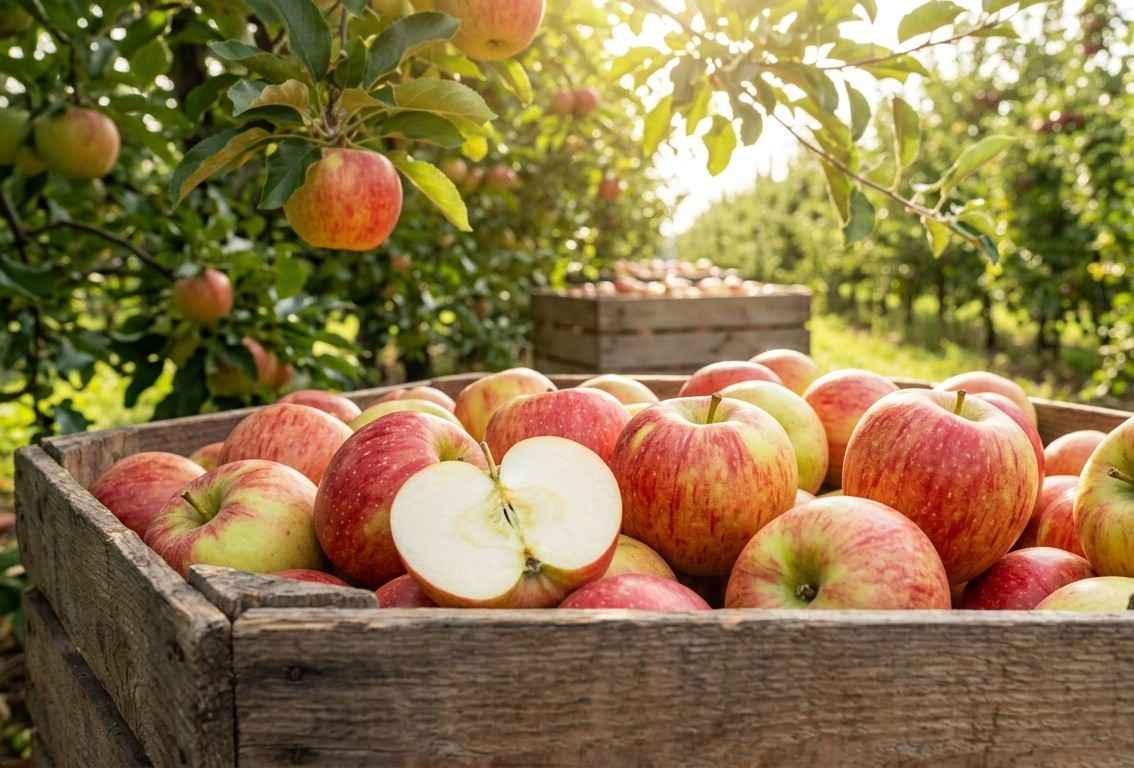
Honeycrisp apples are among the most loved apple varieties in the world because of their sweet flavor, extra-juicy texture, and satisfying crunch. These apples are popular in fresh fruit bowls, salads, smoothies, desserts, and healthy snack recipes. Beyond their refreshing taste, Honeycrisp apples are packed with fiber, antioxidants, vitamins, and plant compounds that support overall health and wellness.
Whether you enjoy them raw, sliced with peanut butter, baked into pies, or blended into smoothies, Honeycrisps can be a nutritious addition to a balanced diet. This guide explores everything you need to know about Honeycrisp apples, including their nutrition, science-backed health benefits, possible side effects, storage methods, and the best ways to consume them.
What is Honeycrisp Apples?
Honeycrisp apples are a variety of apple developed for their unique balance of sweetness and tartness. They were originally created in Minnesota, United States, and are known for their large size, crisp skin, and juicy flesh.
These apples usually have a red-and-yellow mottled appearance and a firm texture that makes them excellent for both fresh eating and cooking. Their natural sweetness makes them popular among children and adults alike.
Honeycrisp apples belong to the rose family and are scientifically related to other apple cultivars. They are harvested mainly during the fall season but are available year-round in many grocery stores due to controlled storage techniques.
Because of their nutrient profile and versatility, Honeycrisp apples are commonly included in healthy diets focused on weight management, heart health, digestive wellness, and immune support.
Nutrition Facts of Honeycrisp Apples
Below is the approximate nutrition for one medium Honeycrisp apple (about 200 grams).
| Nutrient | Amount |
|---|---|
| Calories | 95 |
| Carbohydrates | 25 g |
| Natural Sugars | 19 g |
| Dietary Fiber | 4 g |
| Protein | 0.5 g |
| Fat | 0.3 g |
| Vitamin C | 8 mg |
| Potassium | 195 mg |
| Calcium | 11 mg |
| Magnesium | 9 mg |
| Phosphorus | 20 mg |
| Water Content | Approximately 85% |
| Antioxidants | High |
| Cholesterol | 0 mg |
| Sodium | 2 mg |
Nutritional values may vary slightly depending on size and ripeness.
20 Proven Health Benefits of Honeycrisp Apples
- Supports Digestive Health: Honeycrisp apples contain dietary fiber that helps improve digestion and promotes regular bowel movements.
- Boosts Immunity: The vitamin C and antioxidants in Honeycrisp apples help strengthen the immune system against infections.
- Promotes Heart Health: Regular consumption may help lower bad cholesterol levels and support healthy blood circulation.
- Aids Weight Management: Their high fiber and water content help you feel full for longer, reducing overeating.
- Improves Gut Bacteria: The pectin fiber in apples supports beneficial gut bacteria and digestive balance.
- Helps Control Blood Sugar: Fiber slows sugar absorption, which may help maintain steadier blood glucose levels.
- Rich in Antioxidants: Honeycrisp apples contain plant compounds that help protect cells from oxidative stress.
- Supports Brain Function: Antioxidants may help reduce inflammation associated with cognitive decline.
- Keeps the Body Hydrated: Their high water content contributes to hydration and overall body function.
- Promotes Healthy Skin: Vitamin C supports collagen production for healthier and brighter skin.
- Supports Bone Health: Apples contain minerals that contribute to stronger bones and improved bone density.
- May Reduce Cancer Risk: Antioxidants and flavonoids in apples may help reduce the risk of certain cancers.
- Improves Lung Health: Apple consumption has been associated with better respiratory health and lung function.
- Enhances Energy Levels: Natural sugars provide quick and healthy energy without excessive processed ingredients.
- Supports Liver Function: Antioxidants may help protect the liver from oxidative damage.
- May Reduce Inflammation: Plant compounds in apples may help lower inflammation throughout the body.
- Supports Healthy Aging: The antioxidants in Honeycrisp apples may help protect cells from premature aging.
- Improves Oral Health: Crunchy apples may help clean teeth surfaces and stimulate saliva production.
- Good for Eye Health: Vitamin C and antioxidants support healthy vision and eye protection.
- Supports Overall Wellness: Their combination of nutrients contributes to daily nutritional balance and long-term health.
10 Side Effects of Honeycrisp Apples
- Digestive Discomfort: Eating too many Honeycrisp apples may cause bloating or stomach discomfort due to excess fiber.
- Blood Sugar Spikes: Excessive intake may affect blood sugar levels in sensitive individuals despite the fiber content.
- Allergic Reactions: Some people may experience itching, swelling, or allergic symptoms after eating apples.
- Pesticide Exposure: Non-organic apples may contain pesticide residues if not washed properly.
- Tooth Sensitivity: The natural acidity in apples may contribute to tooth enamel wear over time.
- Gas Formation: High fiber intake can sometimes cause gas and abdominal pressure.
- Diarrhea Risk: Consuming large quantities may lead to loose stools in some individuals.
- Possible Medication Interactions: Apple fiber may affect absorption of certain medications if eaten simultaneously.
- Fructose Sensitivity Issues: Individuals with fructose intolerance may experience digestive problems.
- Choking Hazard for Small Children: Large apple pieces can pose a choking risk if not sliced properly.
How to Eat Honeycrisp Apples?
Honeycrisp apples are versatile and easy to include in everyday meals and snacks. Here are some popular ways to enjoy them:
- Eat them raw as a healthy snack.
- Slice and add them to fruit salads.
- Pair with peanut butter, almond butter, or cheese.
- Blend into smoothies or fresh juices.
- Add chopped apples to oatmeal or yogurt.
- Use in apple pies, cakes, muffins, and crisps.
- Include thin slices in green salads.
- Bake with cinnamon for a healthy dessert.
- Make homemade applesauce.
- Add to sandwiches and wraps for extra crunch.
Their juicy texture and balanced sweetness make them suitable for both sweet and savory dishes.
Tips for Consuming Honeycrisp Apples
- Wash apples thoroughly before eating.
- Eat the skin whenever possible because it contains valuable nutrients and fiber.
- Choose firm apples without bruises or soft spots.
- Pair apples with protein or healthy fats for better satiety.
- Avoid consuming excessive amounts in one sitting.
- Slice apples just before eating to prevent browning.
- Store them properly to maintain crispness and freshness.
- Organic apples may help reduce pesticide exposure.
- Add cinnamon for extra flavor and antioxidant benefits.
- Include apples as part of a balanced and varied diet.
Other Uses of Honeycrisp Apples
Honeycrisp apples are useful beyond simple snacking and cooking.
- Baking: They are widely used in pies, tarts, cakes, muffins, and baked desserts because they hold their shape well.
- Applesauce: Their natural sweetness makes them excellent for homemade applesauce without much added sugar.
- Fresh Juice and Cider: Honeycrisp apples are commonly used in fresh juices and apple cider due to their juicy texture.
- Salads: Thin apple slices add sweetness and crunch to vegetable and grain salads.
- Drying: They can be dehydrated to make healthy dried apple snacks.
- Decorative Use: Their bright red-and-yellow appearance makes them attractive for fruit baskets and table decorations.
How Much Honeycrisp Apples Can You Eat in a Day?
For most healthy adults, eating 1 to 2 medium Honeycrisp apples per day is generally considered safe and beneficial as part of a balanced diet.
People with higher fiber needs may consume more, but moderation is important to avoid digestive discomfort or excessive sugar intake.
Children should consume smaller portions according to age and dietary needs.
There is no official dosage for Honeycrisp apples, but general dietary recommendations include:
| Age Group | Suggested Intake |
|---|---|
| Children | Half to 1 apple daily |
| Teenagers | 1 apple daily |
| Adults | 1–2 apples daily |
| Older Adults | 1 apple daily |
| Athletes | 1–2 apples depending on energy needs |
Individual dietary needs may vary depending on health status, activity level, and medical conditions.
Best Time to Eat Honeycrisp Apples
- Morning: Eating Honeycrisp apples in the morning may provide natural energy, hydration, and fiber to start the day.
- Before Workouts: Their natural carbohydrates can serve as a quick energy source before exercise.
- As a Midday Snack: They make a filling and healthy snack between meals.
- Before Meals: Eating an apple before meals may help reduce appetite and support portion control.
- Avoid Late-Night Overeating: While apples can be eaten at night, consuming too many close to bedtime may cause digestive discomfort in sensitive individuals.
Who Should Eat Honeycrisp Apples?
Honeycrisp apples can benefit many people, including:
- Individuals seeking healthy snack options.
- People trying to manage weight naturally.
- Athletes needing quick natural energy.
- Children who need nutritious fruits.
- Older adults looking for fiber-rich foods.
- People aiming to improve digestion.
- Individuals seeking heart-healthy dietary choices.
- Those wanting antioxidant-rich foods.
Who Should Not Eat Honeycrisp Apples?
Some individuals may need to limit or avoid Honeycrisp apples, including:
- People with apple allergies.
- Individuals with severe fructose intolerance.
- Those with digestive disorders aggravated by high fiber intake.
- People advised to follow low-potassium diets in certain medical conditions.
- Individuals sensitive to acidic foods.
- Babies and toddlers if apples are not properly sliced or softened.
Anyone with medical concerns should consult a healthcare professional before making major dietary changes.
How to Store Honeycrisp Apples?
Proper storage helps maintain the freshness and crunch of Honeycrisps.
- Refrigeration: Store apples in the refrigerator crisper drawer to extend shelf life and maintain texture.
- Cool and Dry Place: If consuming within a few days, apples can be stored in a cool, dry area away from direct sunlight.
- Keep Away from Strong-Smelling Foods: Apples can absorb odors from nearby foods, so store them separately when possible.
- Use Perforated Bags: Perforated plastic bags help maintain moisture while allowing airflow.
- Avoid Bruising: Handle apples gently because bruised apples spoil more quickly.
When stored properly in refrigeration, Honeycrisp can stay fresh for several weeks.
Precautions and Interactions
Although Honeycrisp apples are generally safe, a few precautions should be considered.
- Wash thoroughly before consumption to remove dirt and pesticide residues.
- Eat in moderation if managing blood sugar levels.
- Increase intake gradually if not used to high-fiber foods.
- Avoid consuming spoiled or moldy apples.
- Apple fiber may interfere with absorption of some medications when consumed at the same time.
- Individuals with digestive sensitivities should monitor portion sizes.
- People with oral allergy syndrome may experience itching or tingling after eating raw apples.
- Always supervise young children while eating apple slices.
Conclusion
Honeycrisp apples are a delicious and nutrient-rich fruit that can support digestion, heart health, immunity, hydration, and overall wellness. Their sweet flavor, juicy crunch, and versatility make them one of the most enjoyable apples for both children and adults.
When consumed in moderation as part of a balanced diet, Honeycrisp can provide valuable fiber, antioxidants, vitamins, and natural energy. Whether eaten raw, baked into desserts, blended into smoothies, or added to salads, they offer both taste and nutrition in every bite.
FAQ’s
What do Honeycrisp apples taste like?
Honeycrisps have a sweet, mildly tart flavor with a very juicy and crunchy texture.
Are Honeycrisp apples healthy?
Yes, Honeycrisp are rich in fiber, antioxidants, vitamin C, and natural plant compounds that support overall health.
Can I eat Honeycrisp apples every day?
Yes, most people can safely eat 1–2 Honeycrisps daily as part of a balanced diet.
Are Honeycrisp apples good for weight loss?
Yes, their high fiber and water content may help increase fullness and reduce overeating.
Do Honeycrisp apples contain a lot of sugar?
They contain natural fruit sugars, but the fiber helps slow sugar absorption compared to processed sweets.
Can diabetics eat Honeycrisp apples?
Many people with diabetes can enjoy Honeycrisp in moderation, but portion control is important.
Should you eat the skin of Honeycrisp apples?
Yes, the skin contains extra fiber, antioxidants, and nutrients, so eating it is beneficial after proper washing.
Are Honeycrisp apples good for digestion?
Yes, the fiber in Honeycrisps helps support digestion and regular bowel movements.
Can children eat Honeycrisp apples?
Yes, children can enjoy Honeycrisp, but they should be cut into small slices to prevent choking.
Are Honeycrisp apples good for the heart?
Yes, their fiber and antioxidant content may help support heart health and healthy cholesterol levels.
Can Honeycrisp apples be used for baking?
Yes, they are excellent for pies, crisps, muffins, cakes, and baked apple recipes.
How long do Honeycrisp apples last?
When refrigerated properly, Honeycrisp can stay fresh for several weeks.
Do Honeycrisp apples need refrigeration?
Refrigeration helps maintain their crisp texture and extends shelf life.
Can I eat Honeycrisp apples at night?
Yes, they can be eaten at night, although some people may prefer smaller portions before bedtime.
Are Honeycrisp apples acidic?
They are mildly acidic, which may cause sensitivity in some individuals with acid reflux or tooth sensitivity.
Can Honeycrisp apples cause allergies?
Yes, some individuals may experience allergic reactions or oral allergy symptoms after eating apples.
Are Honeycrisp apples good for hydration?
Yes, they contain a high amount of water, which helps support hydration.
Can I make juice from Honeycrisp apples?
Yes, their juicy texture makes them ideal for fresh apple juice and cider.
Are Honeycrisp apples better than regular apples?
Honeycrisp are especially valued for their sweetness and crunch, but all apples offer nutritional benefits.
Is Honeycrisp apples safe for pregnant women?
Yes, Honeycrisp are generally safe for pregnant women when eaten in moderation as part of a balanced diet. They provide fiber, vitamins, hydration, and antioxidants that may support overall health during pregnancy.
What is Honeycrisp apples good for?
Honeycrisp are good for digestion, heart health, immunity, hydration, weight management, and overall wellness because they contain fiber, antioxidants, and vitamin C.
Is a Honeycrisp apple sweet or sour?
Honeycrisp are mostly sweet with a mild tart flavor, giving them a balanced and refreshing taste.
Does Australia have Honeycrisp apples?
Yes, Honeycrisp are available in Australia, although they may be seasonal and less common than some local apple varieties.
Are Honeycrisp apples available in India?
Yes, Honeycrisp can sometimes be found in India through imported fruit sections in supermarkets and specialty stores, especially in larger cities.
Why are Honeycrisp apples so expensive?
Honeycrisp are often more expensive because they require careful growing conditions, delicate handling, lower crop yields, and special storage methods to maintain their crisp texture.
Which apple tastes closest to Honeycrisp?
Apples such as Fuji, Cosmic Crisp, Ambrosia, and Pink Lady are often considered similar to Honeycrisp because they are sweet, juicy, and crisp.
Also Read: