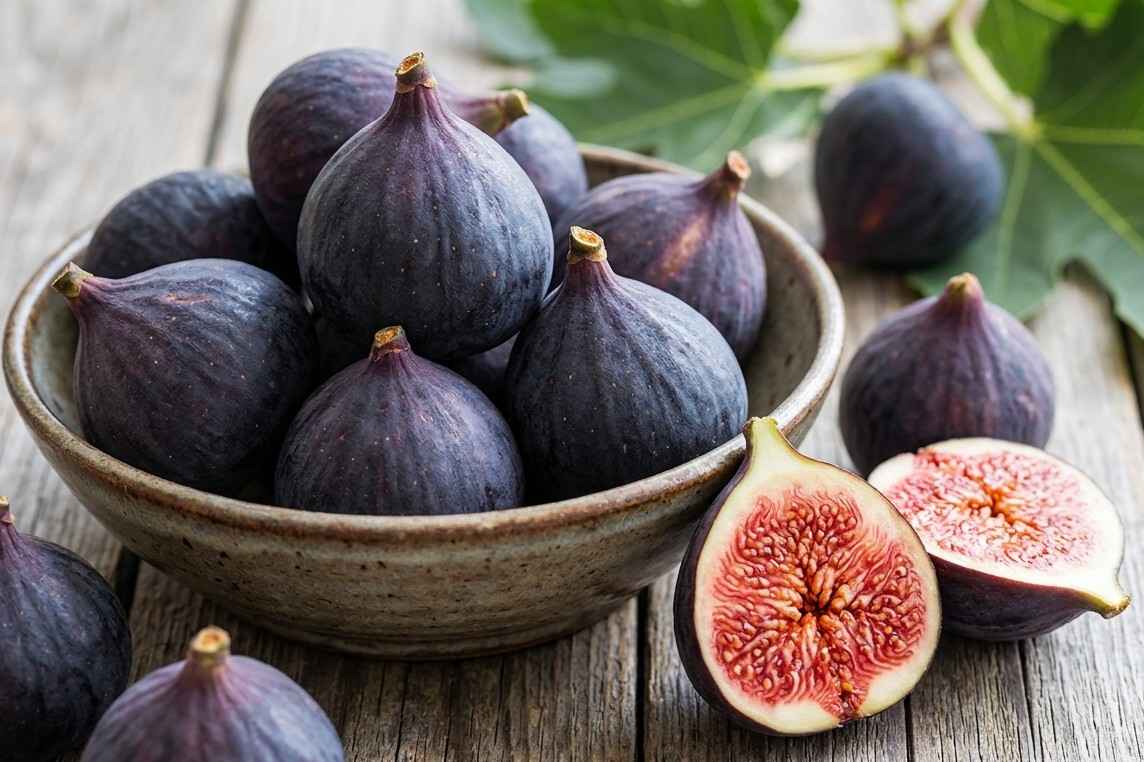
Black Mission figs are among the sweetest and most nutritious fig varieties enjoyed around the world. Known for their deep purple-black skin and rich pink flesh, these delicious fruits are packed with fiber, antioxidants, vitamins, and minerals that support overall health. Whether eaten fresh or dried, Black Mission figs offer a naturally sweet flavor while delivering impressive nutritional value.
From improving digestion and heart health to supporting bones and immunity, Black Mission figs can be a healthy addition to many diets. In this guide, you’ll learn everything about Black Mission figs (also known as Franciscana figs), including their nutrition facts, science-backed health benefits, side effects, dosage, storage tips, and more.
What is Black Mission Figs?
Black Mission figs are a popular variety of figs scientifically known as Ficus carica. They are believed to have originated in the Mediterranean region and were later introduced to other parts of the world, especially California, where they are widely cultivated today.
These figs are easily recognized by their:
- Dark purple to black outer skin
- Soft, juicy reddish-pink flesh
- Sweet honey-like flavor
- Small edible seeds
Black Mission figs can be eaten fresh or dried and are commonly used in desserts, salads, smoothies, jams, baked dishes, and healthy snacks.
They are considered a nutrient-dense fruit because they contain dietary fiber, potassium, calcium, magnesium, iron, and antioxidants while being naturally free from cholesterol and unhealthy fats.
Nutrition Facts of Black Mission Figs
Below is the approximate nutrition value of fresh Black Mission figs per 100 grams.
| Nutrient | Amount |
|---|---|
| Calories | 74 kcal |
| Carbohydrates | 19 g |
| Natural Sugars | 16 g |
| Dietary Fiber | 2.9 g |
| Protein | 0.8 g |
| Fat | 0.3 g |
| Calcium | 35 mg |
| Potassium | 232 mg |
| Magnesium | 17 mg |
| Iron | 0.4 mg |
| Vitamin C | 2 mg |
| Vitamin K | 4.7 mcg |
| Phosphorus | 14 mg |
| Sodium | 1 mg |
| Water Content | 79% |
Dried Black Mission figs contain higher calories and sugar because the water content is removed during drying.
20 Proven Health Benefits of Black Mission Figs
- Supports Healthy Digestion: Mission figs are rich in dietary fiber that helps improve digestion and promote regular bowel movements.
- Helps Relieve Constipation: The natural laxative effect of figs may help soften stool and reduce constipation.
- Promotes Heart Health: Potassium and antioxidants in figs may help support healthy cardiovascular function.
- Supports Blood Pressure Balance: The potassium content may help regulate sodium levels and maintain healthy blood pressure.
- Rich in Antioxidants: Black Mission figs contain antioxidants that help protect cells from oxidative stress.
- Boosts Energy Naturally: Natural sugars and carbohydrates in figs provide quick and healthy energy.
- Supports Bone Strength: Calcium, magnesium, and phosphorus in figs may help maintain strong bones and teeth.
- Helps With Weight Management: Fiber helps increase fullness and may reduce overeating.
- Supports Healthy Skin: Antioxidants and nutrients in figs may help improve skin texture and hydration.
- Improves Gut Health: The prebiotic fiber in figs may support the growth of healthy gut bacteria.
- May Lower Bad Cholesterol: Soluble fiber may help reduce LDL cholesterol levels naturally.
- Supports Immune Function: Vitamins and minerals in figs may help strengthen the immune system.
- Helps Maintain Hydration: Fresh Black Mission figs contain high water content that supports hydration.
- Supports Healthy Pregnancy: Figs provide nutrients like iron and calcium that may support pregnancy health.
- May Improve Hair Health: Iron and antioxidants in figs may contribute to healthier hair and scalp condition.
- Supports Brain Function: Antioxidants may help protect brain cells from oxidative damage.
- May Reduce Inflammation: Plant compounds in figs may help lower inflammation in the body.
- Provides Natural Sweetness: Figs can be a healthier alternative to processed sugary snacks.
- Supports Healthy Aging: Antioxidants may help reduce damage caused by free radicals linked to aging.
- Promotes Overall Wellness: The combination of fiber, vitamins, and minerals makes Mission figs beneficial for overall health.
10 Side Effects of Black Mission Figs
- May Cause Diarrhea: Eating too many figs may lead to loose stools because of their high fiber content.
- Can Trigger Bloating: Excessive consumption may cause gas, bloating, or stomach discomfort.
- High Natural Sugar Content: Dried Mission figs contain concentrated sugars that may affect blood sugar levels.
- May Cause Allergic Reactions: Some individuals may experience itching, rash, or swelling after eating figs.
- Can Lead to Weight Gain: Overeating dried figs may increase calorie intake and contribute to weight gain.
- May Affect Blood Thinners: Vitamin K in figs may interfere with blood-thinning medications.
- Can Cause Stomach Cramps: Large amounts of fiber may irritate sensitive digestive systems.
- May Increase Kidney Stone Risk: Figs contain oxalates that may contribute to kidney stone formation in susceptible individuals.
- Can Lower Blood Pressure Too Much: High potassium intake from figs may excessively lower blood pressure in some people.
- May Harm Dental Health: Sticky dried figs may increase the risk of tooth decay if oral hygiene is poor.
How to Eat Black Mission Figs?
Black Mission figs are versatile and can be enjoyed in many ways.
Popular ways to eat them include:
- Eating fresh figs as a snack
- Adding sliced figs to salads
- Mixing them into yogurt or oatmeal
- Blending into smoothies
- Using dried figs in trail mixes
- Adding to baked goods
- Making fig jam or preserves
- Pairing with cheese and nuts
- Chopping into breakfast bowls
- Using in desserts
Fresh figs are soft and delicate, so they should be washed gently before eating.
Tips for Consuming Black Mission Figs
- Choose ripe figs that are slightly soft
- Wash fresh figs thoroughly before eating
- Eat figs in moderation
- Combine figs with protein or nuts for balanced energy
- Drink enough water when increasing fiber intake
- Avoid overeating dried figs due to high sugar content
- Store fresh figs properly to maintain freshness
- Introduce figs gradually if you are not used to high-fiber foods
Other Uses of Black Mission Figs
Black Mission figs are used for more than just eating fresh.
Other uses include:
- Making natural sweeteners
- Preparing jams and spreads
- Baking cakes and cookies
- Producing fig paste
- Adding to charcuterie boards
- Using in sauces and marinades
- Making smoothies and health drinks
- Using in skincare remedies
- Preparing energy bars
- Making fruit compotes
How Much Black Mission Figs Can You Eat in a Day?
General recommendations include:
- Fresh figs: 2–4 figs daily
- Dried figs: 2–3 figs daily
The ideal amount depends on age, activity level, digestive health, and overall diet.
People with diabetes or kidney issues should consult a healthcare professional before consuming large amounts.
There is no official medical dosage for Black Mission figs, but common healthy intake ranges include:
| Form | Suggested Amount |
|---|---|
| Fresh Figs | 2–4 per day |
| Dried Figs | 2–3 per day |
| Fig Paste | 1–2 tablespoons |
| Fig Smoothie | 1 serving daily |
Start with smaller portions if you are sensitive to fiber-rich foods.
Best Time to Eat Black Mission Figs
Black Mission figs can be eaten at different times depending on your health goals.
Morning:
Eating figs in the morning may provide natural energy and support digestion.
Before Exercise:
The natural sugars in figs can provide quick energy before workouts.
As a Snack:
Figs make a filling and nutritious snack between meals.
After Meals:
Fiber may help support digestion when consumed after meals.
Avoid eating too many dried figs late at night if you are sensitive to sugar intake.
Who Should Eat Black Mission Figs?
Black Mission figs may be beneficial for:
- People with constipation
- Individuals needing more dietary fiber
- Athletes needing natural energy
- People seeking heart-healthy foods
- Those looking for healthy snacks
- Individuals needing calcium-rich fruits
- People wanting antioxidant-rich foods
- Vegetarians seeking plant-based minerals
Who Should Not Eat Black Mission Figs?
Some individuals may need to limit or avoid Black Mission figs.
These include:
- People allergic to figs
- Individuals with severe digestive sensitivity
- People with kidney disease requiring low potassium diets
- Individuals prone to kidney stones
- People taking blood-thinning medications
- Those with uncontrolled diabetes who consume excessive dried figs
Consult a healthcare professional if you have underlying medical conditions.
How to Store Black Mission Figs?
Fresh Figs:
- Store in the refrigerator
- Keep in a shallow container
- Use within 2–5 days
- Avoid stacking to prevent bruising
Dried Figs:
- Store in an airtight container
- Keep in a cool, dry place
- Refrigerate for longer shelf life
- Protect from moisture and direct sunlight
Proper storage helps maintain flavor, texture, and nutritional quality.
Precautions and Interactions
Before adding large amounts of Black Mission figs to your diet, consider the following precautions.
Medication Interactions
Figs may interact with:
- Blood-thinning medications
- Diabetes medications
- Blood pressure medications
- Fiber Adjustment: Sudden high fiber intake may cause digestive discomfort. Increase consumption gradually.
- Sugar Awareness: Dried figs are naturally high in sugar and calories, so portion control is important.
- Allergy Concerns: People allergic to latex or birch pollen may also react to figs.
- Pregnancy and Breastfeeding: Mission figs are generally safe in moderation, but excessive intake should be avoided.
Conclusion
Black Mission figs are a delicious and nutrient-rich fruit packed with fiber, antioxidants, vitamins, and essential minerals. They may support digestion, heart health, immunity, bones, skin, and overall wellness when consumed in moderation.
Whether enjoyed fresh, dried, or added to recipes, Mission figs can be a healthy addition to a balanced diet. However, portion control is important, especially for individuals with diabetes, kidney conditions, or digestive sensitivities.
FAQ’s
What do Black Mission figs taste like?
Mission figs have a rich, sweet, honey-like flavor with a soft texture and tiny edible seeds. Their taste becomes even sweeter when dried.
Are Black Mission figs healthy?
Yes, Mission figs are nutritious and contain fiber, antioxidants, potassium, calcium, and other essential nutrients that may support digestion, heart health, and overall wellness.
Can you eat Black Mission figs every day?
Yes, most people can eat Mission figs daily in moderate amounts, such as 2–4 fresh figs or 2–3 dried figs per day.
Are Black Mission figs good for digestion?
Yes, their high fiber content may help improve digestion and support regular bowel movements.
Do Black Mission figs help with constipation?
Yes, figs are commonly known for their natural laxative effect and may help relieve constipation.
Are Black Mission figs good for weight loss?
Mission figs may support weight management because their fiber content helps promote fullness and reduce overeating when eaten in moderation.
Can diabetics eat Black Mission figs?
People with diabetes may eat Mission figs in small portions, but dried figs should be consumed carefully because they contain concentrated natural sugars.
Are Black Mission figs better fresh or dried?
Both forms are nutritious. Fresh figs contain more water and fewer calories, while dried figs are more concentrated in fiber, minerals, calories, and sugar.
Do Black Mission figs contain iron?
Yes, Mission figs contain small amounts of iron that may help support healthy blood function.
Are Black Mission figs good for bones?
Yes, they contain calcium, magnesium, and phosphorus, which may support bone strength and density.
Can you eat the skin of Black Mission figs?
Yes, the skin of Mission figs is edible and contains additional fiber and nutrients.
Are Black Mission figs high in sugar?
Yes, figs naturally contain sugar, especially dried figs, so portion control is important.
Can pregnant women eat Black Mission figs?
Yes, Mission figs are generally safe during pregnancy when eaten in moderation as part of a balanced diet.
Do Black Mission figs help boost energy?
Yes, their natural carbohydrates and sugars can provide quick energy for daily activities or workouts.
Are Black Mission figs vegan?
Yes, Mission figs are plant-based and suitable for vegan and vegetarian diets.
Can children eat Black Mission figs?
Yes, children can eat figs in moderate amounts, but portions should be age-appropriate to avoid digestive upset.
How many calories are in Black Mission figs?
Fresh Mission figs contain about 74 calories per 100 grams, while dried figs contain significantly more calories due to reduced water content.
Which is better, Black Mission figs or Turkish figs?
Mission figs are sweeter and softer, while Turkish figs are nuttier and firmer. Both are healthy and nutritious.
Where are Black Mission figs from?
Mission figs originated in the Mediterranean region and are now widely grown in United States, especially California.
What is Black Mission Figs good for?
Mission figs may support digestion, heart health, bones, immunity, and overall wellness.
Also Read: