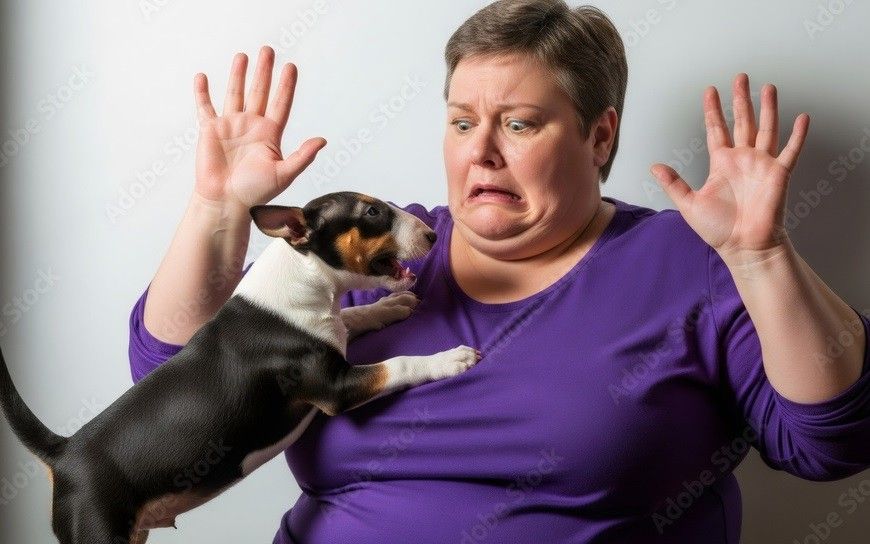
Jumping on people is one of the most common behavioral problems dog owners face. While it may seem cute when your puppy does it, it can quickly become annoying, embarrassing, or even dangerous—especially when the dog is large or jumps on elderly people, children, or guests. The good news is that jumping is a learned behavior, which means it can be unlearned. With consistency, patience, and the right techniques, you can teach your dog to greet people politely.
In this guide, we will explore why dogs jump, how to stop the behavior effectively, and the best training methods that actually work. Whether you have a small puppy or a full-grown dog, this guide will help you regain control and improve your dog’s manners.
Why Dogs Jump on People?
Understanding the reason behind the behavior is the first step to solving it. Dogs jump on people for several reasons:
1. Seeking Attention:
Dogs quickly learn that jumping gets a reaction—positive or negative. Even scolding your dog can be perceived as attention, which reinforces the behavior.
2. Excitement:
Many dogs jump because they are excited to see someone. This is especially common with dogs that have high energy levels or are not trained to manage excitement.
3. Greeting Behavior:
In the dog world, sniffing and getting close to faces is normal. Jumping is often a dog’s way of trying to get closer to someone’s face.
4. Lack of Training:
If your dog hasn’t been taught alternatives to jumping, they will naturally do what feels normal to them.
5. Anxiety or Fear:
Some dogs jump because they are anxious or trying to escape a stressful situation. In such cases, jumping is a coping mechanism.
Why Jumping Should Be Stopped?
While jumping may seem harmless, it can cause several issues:
- Injury risk: Especially for children, elderly people, or those with mobility issues.
- Behavior escalation: If allowed, the behavior can become more intense.
- Embarrassment: Your dog may become unpredictable around guests.
- Safety concerns: A dog jumping on strangers may be seen as aggressive.
The Core Principle: Teach an Alternative Behavior
The key to stopping jumping is not only to discourage the behavior but to teach your dog what to do instead. Dogs need a clear and consistent replacement behavior. Common alternative behaviors include:
- Sit
- Four paws on the floor
- Touch a mat
- Wait calmly
The most effective approach is to teach your dog to sit when greeting people and reward calm behavior.
Best Training Plan to Stop Dog from Jumping on People
Step 1: Start with the Basics – Sit and Stay
Before you can stop jumping, your dog must know a reliable sit command.
Training Sit:
- Hold a treat close to your dog’s nose.
- Move your hand up, allowing their head to follow the treat.
- Their bottom will naturally lower.
- Once seated, say “Sit” and give the treat.
- Repeat 10 times per session, multiple sessions per day.
Once your dog has mastered “Sit,” add “Stay.”
Training Stay:
- Ask your dog to sit.
- Hold your palm out and say “Stay.”
- Take one step back.
- If they stay, reward them.
- Increase distance gradually.
Step 2: Ignore the Jumping
One of the most powerful tools in stopping jumping is to remove the reward.
When your dog jumps:
- Do not push them down.
- Do not speak to them.
- Do not touch them.
- Turn your body away.
Your goal is to show your dog that jumping results in nothing.
Once all four paws are on the floor, calmly reward them.
This teaches your dog that calm behavior gets attention, not jumping.
Step 3: Teach “Four on the Floor”
This command helps reinforce the idea that your dog must keep all paws on the ground.
Training Four on the Floor:
- Ask your dog to sit.
- If they stand up, say “No” and turn away.
- When they settle, reward.
- Add a verbal cue like “Off” or “Down.”
Over time, your dog will learn that “Four on the Floor” means keep your paws down.
Step 4: Use a Leash for Controlled Practice
Practice with the leash helps prevent your dog from jumping while you teach them a new behavior.
Leash Training:
- Put your dog on a short leash.
- Ask a friend to approach slowly.
- If your dog remains calm, reward them.
- If they jump, step back and ignore.
- Repeat until your dog stays calm.
Leash practice is especially useful for large dogs or strong jumpers.
Step 5: Use Positive Reinforcement
Rewarding your dog for calm behavior is crucial.
Rewards can be:
- Treats
- Praise
- Petting (only when calm)
- Playtime
The more your dog understands that calm behavior gets rewards, the faster they will learn.
Step 6: Train the “Off” Command
This command teaches your dog to immediately get down when they jump.
Training “Off”:
- When your dog jumps, say “Off.”
- Wait for them to put their paws down.
- Reward instantly.
- Repeat.
The goal is for the dog to learn that the moment you say “Off,” they must get down.
Step 7: Practice With Different People
Dogs behave differently with different people. They may jump on some people but not others.
Practice With:
- Family members
- Friends
- Delivery people
- Children (if safe)
Training with different people helps your dog generalize the behavior.
Step 8: Manage the Environment
Preventing the dog from practicing jumping is essential.
Use:
- Baby gates
- Leashes
- Crates
- Separate rooms
This helps your dog learn faster because they won’t get repeated practice jumping.
Common Mistakes to Avoid
Mistake 1: Inconsistent Rules
If jumping is allowed sometimes and not others, your dog will be confused.
Set a rule:
- No jumping ever.
- Everyone in the family must follow the same rule.
Mistake 2: Rewarding Jumping Accidentally
Even a laugh or a quick pet can reinforce jumping.
Make sure everyone knows to ignore the behavior.
Mistake 3: Punishing Harshly
Yelling, hitting, or using physical force can cause fear or aggression.
Use calm, consistent training instead.
Mistake 4: Not Teaching an Alternative
If you only say “No” without teaching a replacement behavior, your dog won’t know what to do.
Teach sit, stay, or “four on the floor.”
Special Cases: Puppies vs Adult Dogs
Puppies
Puppies have a lot of energy and are still learning manners.
For puppies:
- Short training sessions (5 minutes)
- High-value treats
- Consistent repetition
Puppies learn quickly when training is fun and rewarding.
Adult Dogs
Adult dogs may have built habits, so training can take longer.
For adult dogs:
- Be patient
- Increase practice frequency
- Use strong rewards
- Consider professional help if needed
How Long Does It Take to Stop Jumping?
Every dog is different, but generally:
- Puppies: 1–2 weeks with consistent training
- Adult dogs: 2–6 weeks, sometimes longer
- Strong jumpers: 6–12 weeks of consistent practice
The key is consistency and repetition.
Training Tools That Help
1. Treat Pouch
Keep treats handy for quick rewards.
2. Clicker
A clicker helps mark the exact moment your dog performs the right behavior.
3. Training Leash
A short leash provides control during greetings.
4. Mat or Bed
Teaching your dog to go to a mat can be a great alternative to jumping.
Real-Life Scenario: Greeting a Guest
Here is a simple step-by-step method:
- Ask your dog to sit before opening the door.
- Have your guest ignore the dog until it sits.
- Reward the dog for sitting calmly.
- Allow the guest to pet only when the dog is calm.
- If the dog jumps, the guest turns away and ignores.
Repeat this process until the dog learns that calm behavior gets attention.
When to Get Professional Help?
If your dog:
- Jumps aggressively
- Becomes anxious or fearful
- Is too strong to control
- Shows signs of reactivity
A professional trainer or behaviorist can help you safely address the behavior.
Final Thoughts
Stopping a dog from jumping on people is not impossible. With consistency, patience, and the right training techniques, you can teach your dog to greet people politely and calmly. The key is to remove the reward for jumping and replace it with a desirable behavior like sitting or staying calm.
Remember:
- Jumping is learned, so it can be unlearned.
- Consistency is the most important factor.
- Positive reinforcement works best.
- Training should be practiced with different people and in different environments.
With time and effort, your dog will learn to greet people politely and become a well-mannered companion.
FAQ’s
Is jumping normal behavior for dogs?
Yes, it is natural for dogs to want to get close to people’s faces. However, it becomes a problem when it is frequent, unwanted, or causes injury.
Can jumping be a sign of aggression?
Not usually. Most jumping is excitement-based. But if your dog shows stiff body language, growling, or snapping, it may be fear or aggression and should be addressed by a professional.
Should I punish my dog for jumping?
No. Harsh punishment can create fear or anxiety and may worsen the behavior. Positive reinforcement and consistent training work best.
What should I do when my dog jumps on me?
Turn away, avoid eye contact, and ignore the dog until all four paws are on the ground. Reward calm behavior immediately.
What is the best command to stop jumping?
Teaching “sit” and “stay” is one of the best alternatives. You can also teach “four on the floor” or “off” as a replacement behavior.
Does crate training help with jumping?
Yes. Crate training can help manage the behavior and prevent repeated jumping, especially during training sessions or when guests arrive.
Can I use a leash to stop my dog from jumping?
Yes, a short leash helps control the dog during greetings. Use the leash to guide them into a sit and reward calm behavior.
What if my dog jumps only on certain people?
This often happens due to excitement or a specific person’s behavior. Train with different people and ensure everyone follows the same rules.
Are there breeds that jump more than others?
Some breeds with high energy or herding instincts may jump more, but jumping is mostly influenced by training and environment rather than breed.
Can a dog be too old to stop jumping?
No. Dogs of any age can learn new behaviors with consistent training and positive reinforcement.
What if my dog jumps because of anxiety?
If anxiety is the cause, focus on calm training, desensitization, and possibly consult a professional behaviorist for a personalized plan.
Also Read: