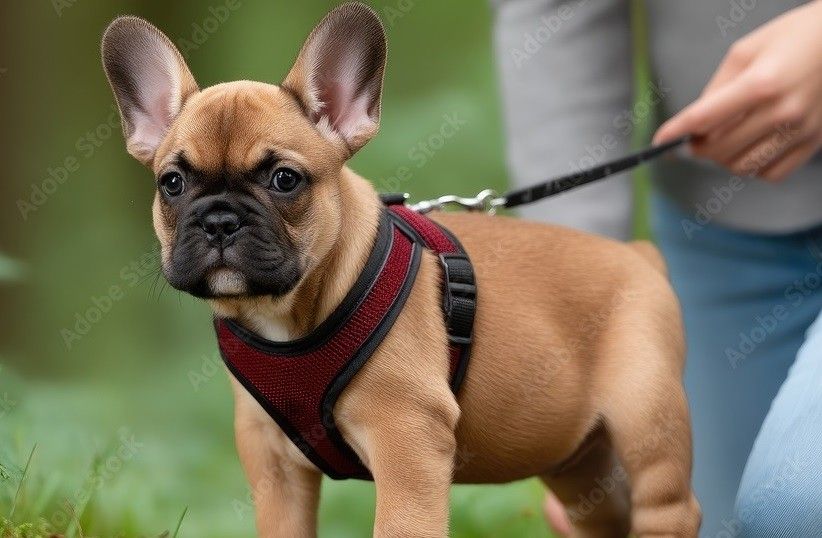
French Bulldogs are one of the most popular companion dogs in the world, and it is easy to see why. Their compact size, expressive faces, affectionate nature, and clownish personality make them ideal pets for families, singles, and apartment dwellers alike. However, many new owners quickly discover that training a French Bulldog is not always straightforward.
French Bulldogs are intelligent but stubborn. They are eager to please, yet easily distracted. They thrive on attention but can develop behavioral problems if not trained properly. Understanding how your French Bulldog thinks, learns, and responds to training is the key to raising a well-behaved, confident, and happy dog.
This guide will walk you through everything you need to know about training a French Bulldog, from puppyhood to adulthood. Whether you are teaching basic obedience, house training, leash manners, or correcting problem behaviors, this guide will help you build a strong bond with your Frenchie while achieving real training success.
Understanding the French Bulldog Personality
Before you begin training, it is essential to understand the unique temperament of the French Bulldog.
French Bulldogs were bred as companion dogs, not working dogs. This means their primary motivation is human interaction rather than tasks or jobs. They form strong emotional bonds with their owners and often want to be involved in everything you do.
Key personality traits of French Bulldogs include:
- Affectionate and people-oriented
- Intelligent but independent
- Playful and energetic in short bursts
- Sensitive to tone and environment
- Stubborn when bored or confused
Because of these traits, French Bulldogs respond best to positive reinforcement training methods. Harsh corrections, shouting, or punishment often backfire, causing fear, stress, or stubborn resistance.
Training should always feel like a game or bonding activity rather than a chore.
When to Start Training a French Bulldog?
Training should begin the moment your French Bulldog comes home, regardless of age.
Training a French Bulldog Puppy
Puppy training typically starts between 8 and 12 weeks of age. At this stage, puppies are highly receptive to learning and forming habits. Early training focuses on:
- Socialization
- House training
- Name recognition
- Basic commands like sit and come
- Gentle handling and crate introduction
Short training sessions of 5 to 10 minutes are ideal for puppies, as their attention span is limited.
Training an Adult French Bulldog
Adult French Bulldogs can absolutely be trained, even if they have developed bad habits. While it may take more patience and consistency, adult dogs are capable of learning new behaviors and commands.
The key is consistency, repetition, and positive reinforcement.
Essential Training Principles for French Bulldogs
To train a French Bulldog successfully, you must follow a few foundational principles.
Use Positive Reinforcement
French Bulldogs respond extremely well to rewards. This can include:
- Small, soft treats
- Verbal praise
- Gentle petting
- Playtime
Reward your dog immediately after they perform the desired behavior so they clearly associate the action with the reward.
Keep Training Sessions Short and Fun
French Bulldogs lose interest quickly if training sessions are too long. Aim for:
- Puppies: 5 to 10 minutes per session
- Adults: 10 to 15 minutes per session
Multiple short sessions throughout the day are far more effective than one long session.
Be Consistent
Consistency is critical. Everyone in the household should use the same commands, rules, and expectations. If one person allows jumping on the couch and another does not, your French Bulldog will become confused.
Avoid Harsh Discipline
French Bulldogs are sensitive dogs. Harsh discipline can damage trust and worsen behavior problems. Calm redirection and positive reinforcement always work better.
House Training a French Bulldog
House training is one of the first and most important aspects of training.
Understanding French Bulldog Bladder Control
French Bulldog puppies have small bladders and limited control. Expect accidents during the early weeks, and remember that this is part of the learning process.
As a general rule:
- Puppies can hold their bladder for one hour per month of age
- Adult French Bulldogs can usually hold it for 6 to 8 hours
Establish a Potty Schedule
Take your French Bulldog outside:
- First thing in the morning
- After eating or drinking
- After naps
- After playtime
- Before bedtime
Consistency helps your dog understand when and where they should go.
Choose a Designated Potty Spot
Always take your French Bulldog to the same potty area. The familiar scent helps trigger the behavior.
Reward Immediately
The moment your dog finishes eliminating outside, reward them with praise or a treat. Timing is crucial.
Handling Accidents Indoors
If accidents happen:
- Do not punish your dog
- Clean the area thoroughly with an enzymatic cleaner
- Increase supervision and potty breaks
Punishment only teaches fear, not proper behavior.
Crate Training a French Bulldog
Crate training is a valuable tool for house training and providing your dog with a safe space.
Benefits of Crate Training
- Helps with house training
- Prevents destructive behavior
- Creates a secure resting area
- Makes travel and vet visits easier
Choosing the Right Crate
The crate should be large enough for your French Bulldog to stand, turn around, and lie down comfortably, but not so large that they can eliminate in one corner.
Introducing the Crate
- Place the crate in a quiet but social area
- Add soft bedding and a favorite toy
- Leave the door open initially
- Allow your dog to explore at their own pace
Building Positive Associations
Feed meals near or inside the crate and reward calm behavior inside it. Never use the crate as punishment.
Teaching Basic Commands to a French Bulldog
Basic obedience commands improve communication and safety.
Teaching Sit
- Hold a treat close to your dog’s nose
- Slowly move it upward and back
- As your dog sits, say “sit”
- Reward immediately
Teaching Stay
- Ask your dog to sit
- Hold your palm out and say “stay”
- Take a small step back
- Return and reward if they stay
Gradually increase distance and duration.
Teaching Come
- Use a happy, excited tone
- Say your dog’s name followed by “come”
- Reward generously when they reach you
Never punish a dog after calling them to come.
Teaching Down
- Start with your dog sitting
- Lower a treat toward the floor
- Move it forward slightly
- Reward when your dog lies down
Leash Training a French Bulldog
French Bulldogs are strong for their size and can pull if not trained properly.
Choosing the Right Equipment
A well-fitted harness is often better than a collar for French Bulldogs due to their short necks and breathing sensitivity.
Start Indoors
Practice leash walking indoors before moving outside. Reward your dog for walking calmly beside you.
Stop Pulling Behavior
If your dog pulls:
- Stop walking
- Wait until the leash relaxes
- Continue walking only when they return to your side
Consistency is key.
Socializing a French Bulldog
Socialization is critical for preventing fear and aggression.
What Socialization Includes
- Meeting different people
- Interacting with other dogs
- Exposure to various sounds and environments
Best Time for Socialization
The critical socialization period is between 8 and 16 weeks of age, but socialization should continue throughout life.
Positive Experiences Matter
Ensure all interactions are positive. Never force your dog into uncomfortable situations.
Managing Common French Bulldog Behavior Problems
Stubbornness
French Bulldogs can be stubborn when bored. Keep training engaging and reward-based.
Separation Anxiety
French Bulldogs form strong attachments and may struggle when left alone. Gradually build independence with short departures and calm returns.
Chewing
Provide appropriate chew toys and rotate them to maintain interest.
Jumping on People
Ignore jumping behavior and reward calm greetings instead.
Training an Older French Bulldog
Older French Bulldogs may have ingrained habits, but they can still learn.
- Be patient
- Use high-value rewards
- Break training into small steps
- Celebrate progress
Consistency matters more than age.
Mental Stimulation and Enrichment
Mental stimulation is just as important as physical exercise.
Ideas include:
- Puzzle toys
- Training games
- Hide-and-seek
- Scent work
A mentally stimulated French Bulldog is less likely to develop behavioral issues.
Health Considerations During Training
French Bulldogs are a brachycephalic breed, meaning they have short snouts.
Important considerations:
- Avoid overexertion
- Train in cool environments
- Watch for breathing difficulties
- Keep sessions short
Always prioritize your dog’s comfort and safety.
Building a Lifelong Bond Through Training
Training is not just about obedience. It is about communication, trust, and companionship.
When you train your French Bulldog with patience, kindness, and consistency, you create a relationship built on mutual respect. Over time, your dog learns not only what you expect but also that you are a reliable and loving leader.
Final Thoughts
Training a French Bulldog requires patience, consistency, and understanding. While their stubborn streak can be challenging, their intelligence and affectionate nature make training deeply rewarding. By using positive reinforcement, maintaining realistic expectations, and focusing on building trust, you can raise a well-behaved, confident French Bulldog that fits seamlessly into your lifestyle.
Every French Bulldog learns at their own pace. Celebrate small victories, stay consistent, and enjoy the journey. With the right approach, training your French Bulldog will become one of the most fulfilling aspects of dog ownership.
FAQ’s
Are French Bulldogs easy to train?
French Bulldogs are intelligent but can be stubborn. They are easy to train when positive reinforcement methods are used consistently. Patience, short training sessions, and rewards are key to success.
At what age should I start training my French Bulldog?
Training should begin as early as 8 weeks old. Early training helps build good habits, improves socialization, and prevents behavioral problems later in life.
How long does it take to house train a French Bulldog?
Most French Bulldogs can be reliably house trained within 3 to 6 months with consistent scheduling, supervision, and positive reinforcement. Some dogs may take longer depending on routine and consistency.
What is the best training method for French Bulldogs?
Positive reinforcement is the most effective method. This includes rewarding good behavior with treats, praise, or play while avoiding harsh corrections or punishment.
Can adult French Bulldogs be trained?
Yes, adult French Bulldogs can be trained at any age. While it may take more time to correct established habits, consistent training and patience can lead to excellent results.
How often should I train my French Bulldog?
Short sessions of 5–15 minutes, two to three times a day, work best. French Bulldogs respond better to frequent, brief training sessions rather than long ones.
Why is my French Bulldog so stubborn during training?
Stubbornness often occurs when a French Bulldog is bored, confused, or not properly motivated. Using high-value rewards and keeping sessions fun and engaging usually improves cooperation.
Is crate training good for French Bulldogs?
Yes, crate training is very beneficial. It helps with house training, prevents destructive behavior, and provides a safe, comfortable space for your dog to relax.
Do French Bulldogs need professional training?
Professional training is not always necessary, but it can be helpful for first-time dog owners or dogs with behavioral issues such as aggression or separation anxiety.
How do I stop my French Bulldog from jumping on people?
Ignore jumping behavior and reward calm greetings instead. Consistency and teaching alternative behaviors like sitting for attention are effective ways to stop jumping.
Also Read: