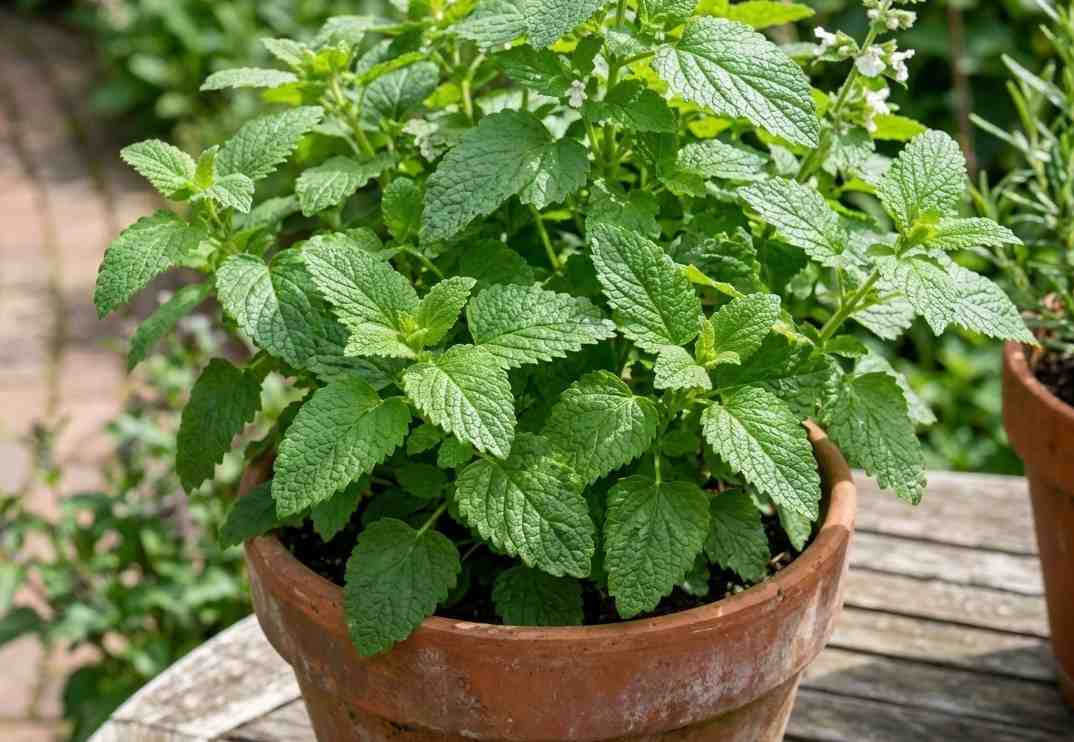
Lemon balm (Melissa officinalis) is a fragrant herb from the mint family that has been used in traditional medicine for over 2,000 years. Known for its pleasant lemon-like aroma and mild flavor, lemon balm is widely consumed as a tea, capsule, tincture, or fresh herb. Traditionally, it has been used to promote relaxation, improve sleep, support digestion, and ease stress.
Today, scientific research continues to explore the potential health benefits of lemon balm, particularly its antioxidant, antiviral, and calming properties. While it is generally considered safe for most healthy adults when used appropriately, it should not replace medical treatment for serious health conditions.
This guide explains everything you need to know about lemon balm (also called Melissa, bee balm, and sweet balm), including its nutrition, health benefits, possible side effects, dosage, storage, precautions, and practical ways to use it.
What is Lemon Balm?
Lemon balm (Melissa officinalis) is a perennial herb belonging to the mint (Lamiaceae) family. Native to Europe, North Africa, and Western Asia, it is now cultivated worldwide for culinary, medicinal, and ornamental purposes.
Its leaves release a refreshing lemon scent when crushed due to their natural essential oils. Sweet balm contains beneficial plant compounds such as rosmarinic acid, flavonoids, terpenes, and polyphenols, which contribute to its antioxidant and therapeutic properties.
People commonly use lemon balm in:
- Herbal tea
- Capsules
- Liquid extracts
- Essential oil (external use)
- Fresh leaves in salads
- Desserts
- Soups
- Herbal drinks
Nutrition Facts of Lemon Balm
| Nutrient | Amount (Per 100 g Fresh Leaves) |
|---|---|
| Calories | 44 kcal |
| Water | 86 g |
| Carbohydrates | 8.5 g |
| Protein | 3.3 g |
| Fat | 0.8 g |
| Dietary Fiber | 2.5 g |
| Vitamin C | Moderate |
| Vitamin A | Present |
| Calcium | Moderate |
| Iron | Moderate |
| Potassium | Good source |
| Magnesium | Present |
| Manganese | Present |
| Antioxidants | High |
| Rosmarinic Acid | Naturally Present |
| Essential Oils | Citral, Citronellal, Geraniol |
Values are approximate and may vary depending on growing conditions.
20 Proven Health Benefits of Lemon Balm
- Supports Relaxation: Lemon balm may help reduce stress and promote a sense of calm by influencing GABA activity in the brain.
- Improves Sleep Quality: Drinking lemon balm tea before bedtime may help improve sleep and reduce mild insomnia.
- Reduces Anxiety: Several clinical studies suggest lemon balm may help decrease symptoms of mild anxiety.
- Boosts Mood: Its calming compounds may improve emotional well-being and reduce nervous tension.
- Supports Brain Function: Sweet balm may temporarily improve attention, memory, and cognitive performance.
- Rich in Antioxidants: It contains polyphenols that help protect cells from oxidative stress.
- Promotes Digestive Health: Lemon balm may relieve indigestion, bloating, and stomach discomfort.
- Reduces Gas and Bloating: Traditionally used as a natural carminative to ease intestinal gas.
- May Relieve Nausea: Herbal preparations containing Sweet balm may soothe mild nausea.
- Supports Heart Health: Its antioxidant compounds may help reduce oxidative damage linked to cardiovascular disease.
- May Help Lower Blood Pressure: Relaxation effects may contribute to healthy blood pressure in some individuals.
- Supports Immune Function: Antioxidants help protect immune cells from free radical damage.
- Possesses Antiviral Properties: Studies suggest lemon balm extracts may help manage cold sores caused by herpes simplex virus.
- May Reduce Headaches: Relaxing muscles and reducing stress may help relieve tension headaches.
- Supports Healthy Skin: Antioxidants may protect skin cells from environmental damage.
- May Ease Menstrual Discomfort: Some women find Sweet balm helpful for mild menstrual cramps.
- Supports Healthy Aging: Antioxidants may help reduce age-related cellular damage.
- May Improve Blood Sugar Control: Early research suggests lemon balm may support healthy glucose metabolism.
- Supports Thyroid Balance Research: Researchers continue investigating its effects on thyroid hormone activity.
- Promotes Overall Wellness: Regular moderate consumption may contribute to better physical and mental well-being.
10 Side Effects of Lemon Balm
- May Cause Drowsiness: Large amounts may increase sleepiness, especially when combined with sedatives.
- Can Lower Alertness: Avoid driving or operating machinery after consuming high doses.
- May Cause Allergic Reactions: Sensitive individuals may experience skin irritation or itching.
- May Upset the Stomach: Excess intake can occasionally lead to nausea or stomach discomfort.
- Possible Headache: Some people may develop mild headaches after supplementation.
- May Affect Thyroid Function: Individuals with thyroid disorders should consult their healthcare provider before use.
- Can Interact with Medications: Lemon balm may interact with sedatives, thyroid medicines, and certain other drugs.
- May Lower Blood Sugar: Diabetic individuals should monitor blood glucose if using supplements.
- May Lower Blood Pressure: People taking antihypertensive medications should use caution.
- Not Recommended Before Surgery: It may enhance the effects of anesthesia and sedatives.
How to Take Lemon Balm?
Lemon balm is available in several convenient forms:
- Fresh leaves
- Dried herbal tea
- Capsules
- Tablets
- Liquid extract
- Tincture
- Powder
- Herbal blends
Follow the dosage instructions on commercial products or seek advice from a qualified healthcare professional.
Tips for Consuming Lemon Balm
- Start with small amounts to assess tolerance.
- Brew fresh or dried leaves for herbal tea.
- Use fresh leaves in salads or smoothies.
- Drink caffeine-free lemon balm tea in the evening.
- Purchase supplements from reputable manufacturers.
- Do not exceed recommended doses.
- Store herbs away from heat and moisture.
- Consult your healthcare provider if taking medications.
How to Use Lemon Balm?
Lemon balm is versatile and easy to incorporate into daily life.
- Brew as herbal tea.
- Add fresh leaves to salads.
- Blend into smoothies.
- Mix into fruit-infused water.
- Prepare homemade herbal syrup.
- Flavor soups and sauces.
- Add to desserts.
- Use in herbal baths.
- Apply topical creams containing Sweet balm for cold sores (as directed).
- Use aromatically through essential oils (external use only).
Other Uses of Lemon Balm
- Natural Air Freshener: Fresh leaves provide a pleasant citrus fragrance indoors.
- Herbal Bath Ingredient: Added to bathwater for a relaxing experience.
- Culinary Herb: Enhances salads, desserts, seafood, and beverages.
- Garden Companion Plant: Helps attract pollinators like bees.
- Potpourri Ingredient: Dried leaves add fragrance to homemade potpourri.
- Homemade Skincare: Used in herbal facial steams and DIY skincare recipes.
- Essential Oil Production: Leaves are distilled for aromatic essential oils.
- Natural Insect Repellent: Its scent may help discourage certain insects.
- Herbal Crafts: Used in sachets and homemade herbal pillows.
- Tea Blends: Frequently combined with chamomile, peppermint, or lavender.
How Much Lemon Balm Can You Take in a Day?
There is no universal dosage suitable for everyone.
General guidance:
- Tea: 1–3 cups daily
- Dried herb: 1.5–4.5 grams daily
- Standardized extract: Follow product instructions
- Capsules: Follow manufacturer recommendations
Always consult a healthcare professional for therapeutic dosing, particularly if you have underlying health conditions.
Best Time to Take Lemon Balm
The ideal timing depends on your goal:
- Morning: For general wellness or digestive support.
- Afternoon: To help manage stress during busy days.
- Evening: For relaxation and improved sleep quality.
- After meals: To support digestion and reduce bloating.
Who Should Take Lemon Balm?
- Adults Experiencing Stress: May benefit from its calming properties.
- People with Mild Sleep Difficulties: Often used before bedtime.
- Individuals with Occasional Indigestion: May help soothe digestive discomfort.
- Students During Stressful Periods: May support focus while promoting relaxation.
- People Seeking Herbal Wellness: Can be incorporated into a balanced lifestyle.
- Individuals Interested in Antioxidants: Provides beneficial plant compounds.
- Tea Enthusiasts: Makes a refreshing caffeine-free herbal beverage.
- People Looking for Natural Relaxation: Suitable for those preferring herbal options.
Who Should Avoid Lemon Balm?
- Pregnant Women Without Medical Advice: Safety should be discussed with a healthcare provider.
- Breastfeeding Mothers Without Medical Advice: Limited safety data are available.
- People with Thyroid Disorders: Should consult their physician before use.
- Individuals Taking Sedatives: Sweet balm may increase drowsiness.
- People Scheduled for Surgery: Avoid using it for at least two weeks before surgery unless advised otherwise.
- People Allergic to Mint Family Plants: May experience allergic reactions.
- Young Children Without Professional Guidance: Use only under medical supervision.
- People Taking Multiple Prescription Medicines: Consult a healthcare professional before supplementation.
How to Store Lemon Balm?
- Keep Fresh Leaves Refrigerated: Store in a sealed container for several days.
- Dry Thoroughly Before Storage: Prevents mold growth.
- Use Airtight Containers: Protects against moisture.
- Store Away from Sunlight: Preserves flavor and beneficial compounds.
- Keep in a Cool Place: Helps maintain freshness.
- Avoid Humid Areas: Moisture can reduce quality.
- Label Storage Date: Helps monitor freshness.
- Discard if Mold Develops: Do not consume spoiled herbs.
Precautions and Interactions
- Consult Your Healthcare Provider: Especially before using supplements regularly.
- Avoid Excessive Intake: More is not always better.
- Monitor Blood Sugar: Especially if you have diabetes.
- Use Caution with Blood Pressure Medicines: Sweet balm may enhance their effects.
- Avoid Combining with Sedatives: May increase drowsiness.
- Discuss Thyroid Conditions with Your Doctor: Lemon balm may influence thyroid function.
- Stop Before Surgery: Generally discontinue at least two weeks beforehand.
- Use High-Quality Supplements: Choose products tested for quality and purity.
FAQ’s
What is lemon balm used for?
Sweet balm is commonly used to promote relaxation, improve sleep, reduce stress, support digestion, and provide antioxidant benefits.
Is lemon balm the same as mint?
No. bee balm belongs to the mint family but is a different herb with a distinct lemon-like aroma and flavor.
Does lemon balm make you sleepy?
Yes, bee balm has mild calming properties that may help promote relaxation and improve sleep quality, especially when taken in the evening.
What does lemon balm taste like?
Sweet balm has a refreshing citrus flavor with mild minty and slightly sweet notes.
Is lemon balm good for anxiety?
Research suggests bee balm may help reduce mild anxiety and stress, but it should not replace professional treatment for anxiety disorders.
Can lemon balm help with sleep?
Yes, studies indicate that Sweet balm may improve sleep quality and help people with occasional insomnia.
Is lemon balm safe during pregnancy?
Pregnant women should consult their healthcare provider before using bee balm because safety data are limited.
Can children take lemon balm?
Children should only use bee balm under the guidance of a qualified healthcare professional.
Can lemon balm lower blood pressure?
It may have mild blood pressure-lowering effects in some individuals, so people taking blood pressure medications should consult their doctor.
Can lemon balm help digestion?
Yes, Sweet balm has traditionally been used to relieve indigestion, bloating, gas, and mild stomach discomfort.
Can lemon balm be eaten fresh?
Yes. Fresh bee balm leaves can be added to salads, smoothies, herbal water, desserts, and other recipes.
Can lemon balm improve memory?
Some studies suggest bee balm may temporarily support memory, attention, and cognitive performance.
Does lemon balm contain caffeine?
No. bee balm is naturally caffeine-free.
Can lemon balm help with cold sores?
Topical creams containing bee balm extract may help reduce the duration and discomfort of cold sores caused by the herpes simplex virus.
Can I take lemon balm every day?
Yes, most healthy adults can take bee balm daily in moderation, unless advised otherwise by a healthcare provider.
What is lemon balm good for?
Sweet balm may help reduce stress, improve sleep, support digestion, and provide antioxidant benefits.
What is lemon balm called in India?
In India, it is commonly known as bee Balm or by its botanical name, Melissa officinalis.
Is lemon balm the same as pudina?
No. bee balm and pudina are different herbs, though both belong to the mint family.
Sources / References:
- National Center for Complementary and Integrative Health (NCCIH)
- MedlinePlus
- Memorial Sloan Kettering Cancer Center
- European Medicines Agency (EMA) Herbal Monographs
- PubMed
About the Author:
Written by: Kirti Solanki (Health Content Researcher)
Kirti Solanki specializes in creating evidence-based health and wellness content. Her work focuses on translating scientific research into easy-to-understand articles that help readers make informed lifestyle and nutrition choices.
Disclaimer:
This article is intended for educational purposes only and should not be considered medical advice. Always consult a qualified healthcare professional before using herbal supplements, especially if you are pregnant, breastfeeding, have a medical condition, or take prescription medications.
Also Read: