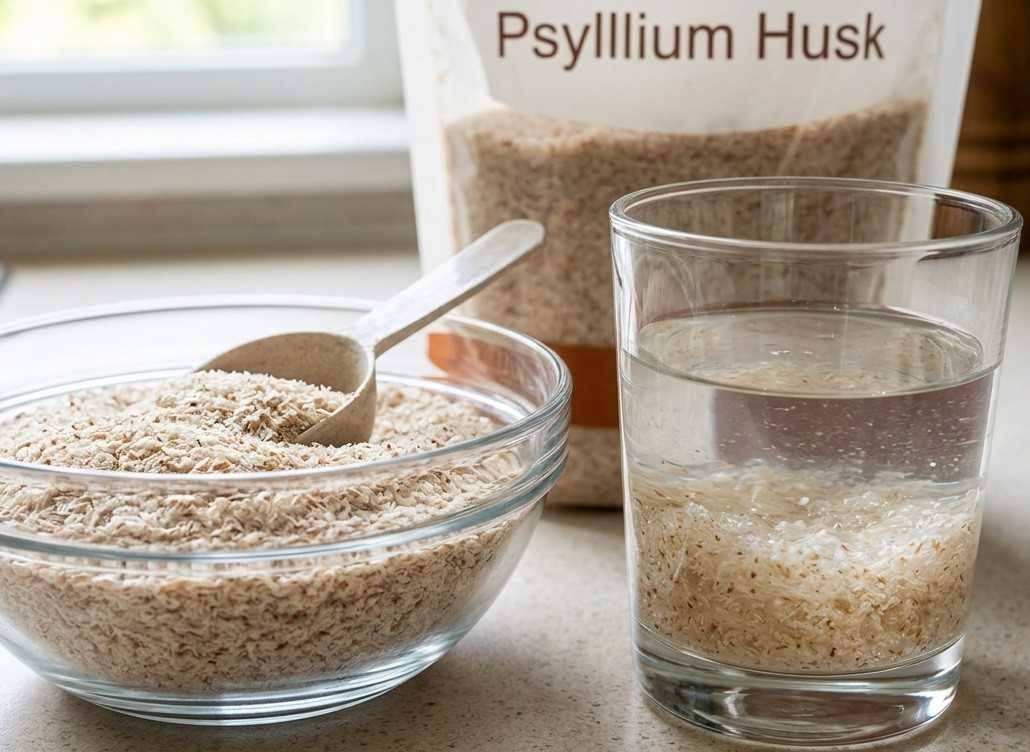
Psyllium husk is one of the most popular natural fiber supplements used worldwide to support digestive health, heart health, blood sugar control, and healthy cholesterol levels. Derived from the seeds of the Plantago ovata plant, psyllium husk is rich in soluble fiber that forms a gel when mixed with water. This gel-like consistency helps regulate bowel movements, promotes fullness, and supports overall gut health.
Whether you’re looking to relieve constipation, improve digestion, or increase your daily fiber intake, psyllium husk can be an effective addition to a balanced diet when used correctly.
In this guide, you’ll learn everything you need to know about psyllium husk (also known as isabgol, ispaghula, and spogel seeds), including its nutrition facts, science-backed health benefits, possible side effects, dosage recommendations, storage tips, and precautions.
What is Psyllium Husk?
Psyllium husk is the outer coating (husk) of the seeds of the Plantago ovata plant, which is primarily grown in India. It contains a high amount of soluble fiber that absorbs water and expands into a thick gel in the digestive tract.
Unlike stimulant laxatives, psyllium works naturally by increasing stool bulk and moisture, making bowel movements easier. It is commonly available as powder, capsules, granules, and fiber supplements.
Because it is gluten-free, low in calories, and virtually free of digestible carbohydrates, psyllium husk is widely used by people following weight-loss, diabetic, heart-healthy, and digestive wellness diets.
Nutrition Facts of Psyllium Husk (Per 100 g)
| Nutrient | Amount |
|---|---|
| Calories | 200 kcal |
| Total Carbohydrates | 88 g |
| Dietary Fiber | 78–80 g |
| Protein | 2 g |
| Fat | 1 g |
| Sugar | 0 g |
| Calcium | 80 mg |
| Iron | 1.5 mg |
| Sodium | 10 mg |
| Potassium | 110 mg |
| Magnesium | 70 mg |
Values are approximate and may vary slightly depending on the manufacturer.
20 Proven Health Benefits of Psyllium Husk
- Supports Regular Bowel Movements: Psyllium absorbs water to soften stools and helps relieve occasional constipation naturally.
- Improves Digestive Health: Its soluble fiber promotes smoother digestion and supports a healthier digestive tract.
- Feeds Good Gut Bacteria: Psyllium acts as a prebiotic fiber that nourishes beneficial intestinal bacteria.
- Helps Lower LDL Cholesterol: Regular intake may reduce bad cholesterol by binding bile acids in the intestine.
- Supports Heart Health: Lower cholesterol and improved blood lipid levels contribute to better cardiovascular health.
- Helps Control Blood Sugar: Psyllium slows carbohydrate absorption, reducing spikes in blood glucose after meals.
- Promotes Healthy Weight Management: The gel-forming fiber increases fullness and may reduce overall calorie intake.
- May Reduce Hunger Cravings: Feeling fuller for longer can help decrease unnecessary snacking.
- Relieves Mild Diarrhea: Psyllium absorbs excess water, helping improve stool consistency during diarrhea.
- Supports Colon Health: Regular bowel movements may contribute to a healthier colon environment.
- May Help with IBS Symptoms: Some people with irritable bowel syndrome experience improved bowel regularity with psyllium.
- Supports Healthy Blood Pressure: Improved heart health and better cholesterol management may indirectly benefit blood pressure.
- Improves Overall Fiber Intake: Psyllium provides an easy way to meet daily fiber recommendations.
- Supports Healthy Gut Microbiome: Fermentation of soluble fiber encourages microbial diversity.
- May Reduce Hemorrhoid Discomfort: Softer stools reduce strain during bowel movements.
- Helps Maintain Healthy Cholesterol Levels: Daily supplementation supports long-term cholesterol management.
- May Improve Satiety During Dieting: Increased fullness may make calorie-controlled diets easier to follow.
- Supports Healthy Metabolism: Better digestive function contributes to improved nutrient absorption.
- Easy to Add to Meals: Psyllium mixes easily into drinks, smoothies, yogurt, and oatmeal.
- Suitable for Many Diets: It is naturally vegan, gluten-free, and low in calories.
10 Side Effects of Psyllium Husk
- Bloating: Some people experience temporary bloating when first increasing fiber intake.
- Gas Formation: Gut bacteria ferment fiber, which may increase intestinal gas.
- Abdominal Cramps: Consuming large amounts too quickly can cause stomach discomfort.
- Constipation: Taking psyllium without enough water may worsen constipation.
- Choking Risk: Dry psyllium can swell rapidly and should always be taken with sufficient liquids.
- Difficulty Swallowing: Individuals with swallowing disorders should avoid dry psyllium products.
- Allergic Reactions: Rare cases include itching, rash, sneezing, or breathing difficulty.
- Reduced Medication Absorption: Psyllium may interfere with the absorption of certain medications if taken simultaneously.
- Intestinal Blockage: Excessive intake without adequate fluids may increase the risk of obstruction.
- Digestive Discomfort: Sudden high-fiber intake can temporarily upset the digestive system.
How to Take Psyllium Husk?
The most common way to take psyllium husk is by mixing 1–2 teaspoons of powder with a full glass (240–300 ml) of water. Stir well and drink immediately before it thickens. Follow it with another glass of water.
You can also add psyllium husk to:
- Smoothies
- Yogurt
- Oatmeal
- Porridge
- Protein shakes
- Homemade fiber drinks
Always drink plenty of water throughout the day to help the fiber work effectively.
Tips for Consuming Psyllium Husk
- Start with a small amount and gradually increase your intake.
- Drink at least one full glass of water with every serving.
- Increase your daily water intake.
- Take it consistently for the best results.
- Avoid consuming dry psyllium powder.
- Separate psyllium from medications by at least 2 hours.
- Combine it with a balanced, high-fiber diet.
- Store it in a dry place to maintain freshness.
How to Use Psyllium Husk?
Psyllium husk is versatile and can be incorporated into many recipes.
Common uses include:
- Mixing into water
- Adding to smoothies
- Stirring into yogurt
- Thickening soups
- Baking gluten-free bread
- Making fiber-rich pancakes
- Mixing into overnight oats
- Adding to muffins
- Thickening sauces
- Using in homemade nutrition bars
Other Uses of Psyllium Husk
- Gluten-Free Baking: Psyllium improves texture and elasticity in gluten-free dough.
- Natural Thickener: It thickens soups, sauces, and smoothies naturally.
- Egg Replacement: Mixed with water, it can replace eggs in some vegan recipes.
- Weight Management: It promotes fullness in calorie-controlled diets.
- Fiber Fortification: It increases fiber content in homemade baked goods.
- Digestive Cleansing: Some wellness routines use psyllium to support digestive regularity.
- Pet Fiber Supplement: Under veterinary guidance, it may support digestive health in pets.
- Homemade Health Drinks: It is commonly added to fiber beverages.
- Meal Replacement Recipes: It improves texture and satiety in shakes.
- Low-Carb Cooking: Psyllium is popular in keto and low-carb recipes.
How Much Psyllium Husk Can You Take in a Day?
The appropriate amount depends on age, health status, and the reason for use.
| Age Group | Recommended Daily Amount |
|---|---|
| Adults | 5–10 grams, 1–3 times daily |
| Older Adults | Follow healthcare provider advice |
| Children | Only under medical supervision |
Begin with the lowest effective dose and increase gradually while maintaining adequate hydration.
Best Time to Take Psyllium Husk
The best time depends on your health goals.
- Morning for improved digestive regularity.
- Before meals to increase fullness.
- After meals for blood sugar support.
- Evening if recommended for constipation relief.
- At least two hours before or after medications.
Consistency is generally more important than the exact time of day.
Who Should Take Psyllium Husk?
- People with Constipation: It helps promote softer, more regular bowel movements.
- Individuals with Low Fiber Intake: Psyllium helps increase daily fiber consumption.
- People Managing Cholesterol: It may support healthy LDL cholesterol levels.
- Individuals with Type 2 Diabetes: It may help improve post-meal blood sugar control.
- People Trying to Lose Weight: Increased fullness may support calorie reduction.
- Adults Seeking Better Digestive Health: Regular fiber intake promotes healthy digestion.
- People with Hemorrhoids: Softer stools reduce straining.
- Individuals Following Gluten-Free Diets: Psyllium is naturally gluten-free.
- People with IBS (Medical Guidance): Some individuals benefit from soluble fiber.
- Adults Seeking Heart Health: Fiber supports overall cardiovascular wellness.
Who Should Avoid Psyllium Husk?
- People with Intestinal Blockages: Psyllium may worsen bowel obstruction.
- Individuals with Difficulty Swallowing: It may increase choking risk.
- People Allergic to Psyllium: Avoid use if allergic symptoms occur.
- Individuals with Severe Narrowing of the Digestive Tract: Medical advice is necessary.
- People Unable to Drink Enough Fluids: Adequate hydration is essential.
- Children Without Medical Advice: Pediatric use should be supervised.
- Individuals with Severe Abdominal Pain: Seek medical evaluation before using fiber supplements.
- People Taking Certain Medications: Consult a healthcare provider regarding timing.
- Patients Preparing for Certain Medical Procedures: Follow healthcare instructions.
- Anyone Experiencing Unexplained Rectal Bleeding: Obtain medical assessment first.
How to Store Psyllium Husk?
- Keep in an Airtight Container: Prevents moisture absorption.
- Store in a Cool Place: Avoid excessive heat.
- Keep Away from Sunlight: Direct light may reduce product quality.
- Avoid Humid Areas: Moisture causes clumping.
- Seal After Every Use: Helps maintain freshness.
- Keep Away from Children: Prevent accidental ingestion.
- Use a Dry Spoon: Prevents contamination.
- Check Expiration Date: Discard expired products.
- Store at Room Temperature: No refrigeration is required.
- Avoid Strong Odors: Psyllium may absorb surrounding smells.
Precautions and Interactions
- Drink Plenty of Water: Adequate fluids reduce the risk of choking and blockage.
- Separate from Medications: Take medications at least two hours before or after psyllium.
- Increase Intake Gradually: This helps minimize bloating and gas.
- Consult During Pregnancy: Seek medical advice before regular supplementation.
- Consult During Breastfeeding: Use under healthcare guidance.
- Monitor Blood Sugar: People with diabetes should monitor glucose levels.
- Check for Allergies: Stop use if allergic symptoms appear.
- Use Medical Guidance for Children: Pediatric dosing differs from adults.
- Avoid Excessive Intake: More is not necessarily better.
- Seek Medical Advice for Persistent Symptoms: Ongoing digestive problems require professional evaluation.
Conclusion
Psyllium husk is a simple yet powerful source of soluble fiber that supports digestive health, heart health, cholesterol management, blood sugar control, and weight management. When taken with enough water and as part of a healthy diet, it is generally safe for most adults. Start with a small amount, stay well hydrated, and consult your healthcare provider if you have underlying medical conditions or take prescription medications.
FAQ’s
What is psyllium husk used for?
Psyllium husk is mainly used to relieve constipation, improve digestive health, lower LDL (bad) cholesterol, support blood sugar control, and increase daily fiber intake.
Is it safe to take psyllium husk every day?
Yes, isabgol is generally safe for daily use when taken as directed with plenty of water. Consult your healthcare provider if you have medical conditions or take medications.
Can psyllium husk help with weight loss?
Yes. isabgol may support weight management by increasing fullness, reducing hunger, and helping control calorie intake when combined with a healthy diet.
Is psyllium husk good for constipation?
Yes. isabgol is one of the most effective natural fiber supplements for relieving occasional constipation and promoting regular bowel movements.
Can psyllium husk lower cholesterol?
Yes. Studies suggest that regular psyllium intake can help reduce LDL (bad) cholesterol as part of a heart-healthy diet.
Is psyllium husk good for people with diabetes?
Yes. Psyllium may help slow the absorption of carbohydrates, supporting better post-meal blood sugar control. People with diabetes should monitor their blood glucose and consult their healthcare provider.
Should psyllium husk be taken with water?
Yes. Always mix isabgol with a full glass of water and drink it immediately, followed by another glass of water to reduce the risk of choking or intestinal blockage.
Can I take psyllium husk on an empty stomach?
Yes. It can be taken on an empty stomach or before meals, provided you drink plenty of water.
Is psyllium husk gluten-free?
Yes. Pure psyllium husk is naturally gluten-free, but always check product labels for possible cross-contamination.
Can I mix psyllium husk with yogurt or smoothies?
Yes. isabgol can be added to yogurt, smoothies, oatmeal, juices, and protein shakes to increase fiber intake.
Can psyllium husk help with diarrhea?
Yes. Psyllium absorbs excess water in the intestines, helping improve stool consistency in some cases of mild diarrhea.
Is psyllium husk safe for pregnant women?
Psyllium husk is generally considered safe during pregnancy when used as directed for constipation, but pregnant women should consult their healthcare provider before taking it regularly.
Is psyllium husk safe for children?
Yes, but children should only take isabgol under the guidance of a healthcare professional to ensure the correct dosage and adequate fluid intake.
What does psyllium husk taste like?
Psyllium husk has a mild, neutral, slightly earthy flavor, making it easy to mix into water, smoothies, yogurt, or juice.
What is the Indian name for psyllium husk?
In India, psyllium husk is commonly known as Isabgol or Ispaghula.
What happens if I take psyllium husk every day?
Daily use may help improve digestion, promote regular bowel movements, lower LDL (bad) cholesterol, support blood sugar control, and increase daily fiber intake when taken with enough water.
Which is better, chia seeds or psyllium husk?
Both are healthy. Psyllium husk contains significantly more soluble fiber and is better for relieving constipation, while chia seeds provide fiber, protein, healthy fats, and omega-3 fatty acids.
Which is better, triphala or psyllium husk?
Psyllium husk is generally preferred for increasing fiber intake and relieving constipation, while Triphala is an Ayurvedic herbal blend traditionally used to support overall digestive health.
What is a natural alternative to psyllium husk?
Natural alternatives include ground flaxseeds, chia seeds, oat bran, wheat bran, acacia fiber, and glucomannan.
Can you drink 1 teaspoon of psyllium husk in warm water?
Yes. You can mix 1 teaspoon of psyllium husk in warm or room-temperature water, stir well, and drink it immediately before it thickens.
What should you not mix with psyllium husk?
Avoid taking psyllium husk at the same time as prescription medications or supplements, as it may reduce their absorption. Take it at least 2 hours before or after medications.
What is the Ayurvedic name for psyllium husk?
In Ayurveda, psyllium husk is commonly called Isabgol (Ispaghula).
How long after taking psyllium husk will I poop?
Psyllium husk usually works within 12 to 72 hours, although individual results may vary.
Should I take psyllium husk before or after breakfast?
It can be taken either before breakfast to increase fullness or after breakfast to boost daily fiber intake. The best time depends on your health goals.
Why am I still constipated after taking psyllium husk?
Constipation may persist if you are not drinking enough water, consuming too little fiber overall, taking an insufficient dose, or if an underlying medical condition is causing the problem.
How can I make psyllium husk powder taste better?
Mix it with fruit juice, smoothies, yogurt, flavored water, or blend it into oatmeal to improve its taste and texture.
Do you mix psyllium husk with hot or cold water?
Psyllium husk can be mixed with cold, room-temperature, or warm water. Avoid boiling water, and drink the mixture immediately after stirring to prevent it from becoming too thick.
Sources / References:
- National Institutes of Health (NIH)
- MedlinePlus
- National Center for Complementary and Integrative Health (NCCIH)
- Harvard T.H. Chan School of Public Health
- U.S. Department of Agriculture (USDA FoodData Central)
- Academy of Nutrition and Dietetics
About the Author:
Written by: Kirti Solanki (Health Content Researcher)
Kirti Solanki is a health content researcher who creates evidence-based, reader-friendly articles on nutrition, wellness, herbal remedies, and healthy living. Her work focuses on simplifying scientific information into practical health guidance while emphasizing accuracy, credibility, and responsible health communication.
Disclaimer:
This article is for educational purposes only and should not be considered medical advice. Always consult a qualified healthcare professional before starting any new supplement or making significant changes to your diet or treatment plan.
Also Read: