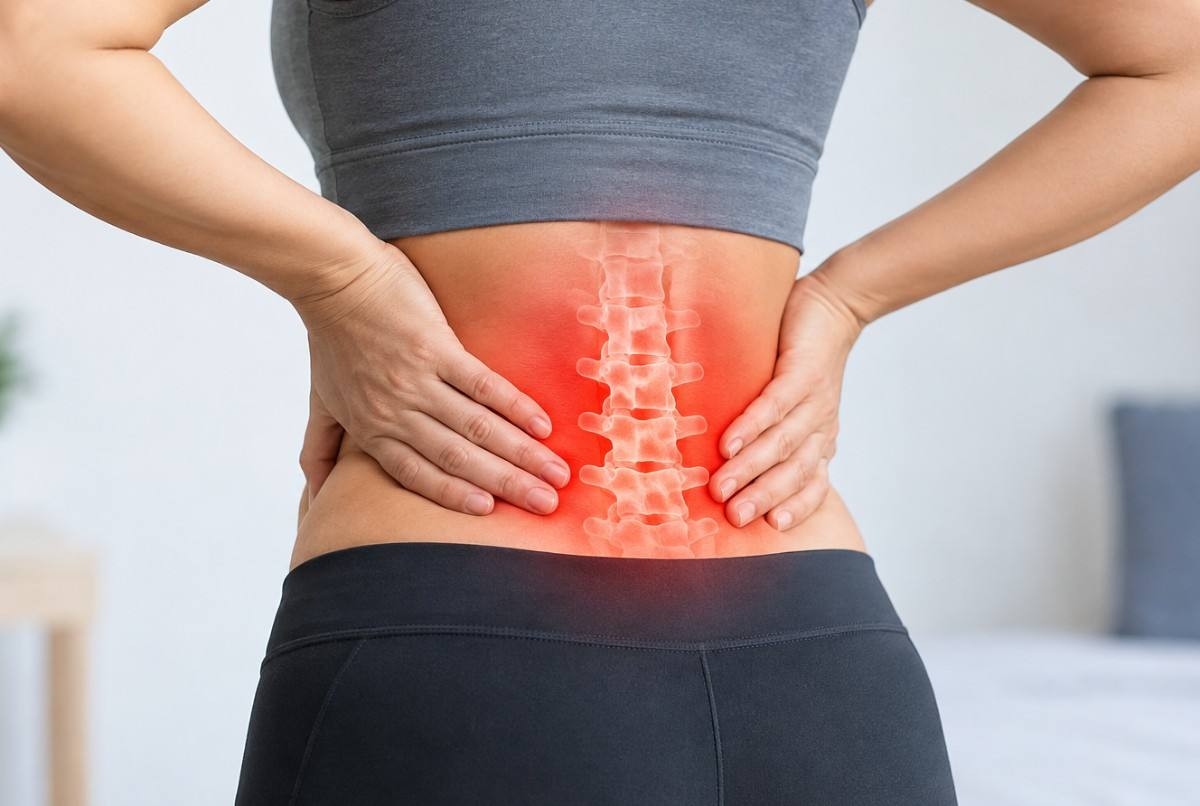
Lower back pain is one of the most common types of pain adults experience. It can appear after lifting something heavy, sitting for hours, exercising, sleeping in an awkward position, or sometimes without an obvious reason. For many people, lower back pain improves within a few weeks with appropriate self-care and gradual movement. However, persistent or severe pain may require medical evaluation.
Lower back pain can feel like a dull ache, sharp pain, stiffness, burning, or pressure. It may stay in the lower back or travel into the buttocks and legs, particularly when a nerve is irritated.
The good news is that most lower back pain is not caused by a serious disease. Staying appropriately active, avoiding prolonged bed rest, and using suitable exercises can often support recovery.
What Is Lower Back Pain?
Lower back pain refers to discomfort affecting the area between the bottom of the ribs and the buttocks. It may involve muscles, joints, discs, nerves, ligaments, or other structures around the lower spine.
The pain may be:
- Acute: Lasting for a relatively short period, often after an injury or strain.
- Subacute: Continuing for several weeks.
- Chronic: Persisting for three months or longer.
Lower back pain can occur with or without leg symptoms. When pain travels from the lower back into the buttock and leg because of nerve irritation, it may be described as sciatica or radicular pain.
Most uncomplicated lower back pain improves with time and appropriate movement.
What Does Lower Back Pain Feel Like?
Lower back pain does not feel the same for everyone. Common descriptions include:
- Dull or aching pain
- Sharp or stabbing pain
- Tightness or stiffness
- Muscle spasms
- Burning or tingling
- Pain that becomes worse with certain movements
- Pain spreading into the buttocks
- Pain traveling down one leg
- Difficulty bending or straightening the back
Some people notice pain after sitting for a long time, while others experience discomfort mainly when standing, walking, bending, or lifting.
Common Causes of Lower Back Pain
1. Muscle Strain
A strained muscle is one of the common causes of lower back pain. It can happen after lifting, twisting, exercising, or making an unfamiliar movement.
2. Poor or Prolonged Sitting Habits
Sitting for long periods may contribute to stiffness and discomfort, especially when combined with limited physical activity.
3. Ligament Strain
The ligaments supporting the spine can become irritated after sudden movements, excessive stretching, or physical strain.
4. Herniated or Slipped Disc
The discs between the spinal bones can sometimes bulge or herniate. If a disc irritates a nearby nerve, pain may travel into the buttock or leg.
5. Sciatica
Sciatica occurs when irritation or compression of the sciatic nerve causes symptoms that commonly travel from the lower back or buttock into the leg.
6. Arthritis and Age-Related Changes
Changes in the joints and discs of the spine can contribute to stiffness and pain as people age.
7. Spinal Stenosis
Spinal stenosis involves narrowing around the spinal canal or nerve pathways. Some people experience back or leg symptoms that become worse while standing or walking.
8. Injury
Falls, sports injuries, vehicle accidents, and other trauma can cause lower back pain.
9. Inflammatory Conditions
Certain inflammatory conditions affecting the spine can cause persistent back pain and stiffness, particularly in younger adults.
10. Less Common Medical Conditions
Rarely, lower back pain can be associated with conditions such as infection, fracture, cancer, or other serious disorders. These situations usually involve additional warning signs.
Risk Factors for Lower Back Pain
Some factors may increase the likelihood of experiencing lower back pain:
- Increasing age
- Low physical activity
- Weakness of the supporting muscles
- Repeated heavy lifting
- Poor lifting technique
- Certain physically demanding occupations
- Prolonged sitting
- Previous episodes of back pain
- Certain sports or repetitive movements
- Poor sleep or prolonged inactivity
- Stress and psychological factors that can influence how pain is experienced
Having a risk factor does not necessarily mean that someone will develop chronic back pain.
Symptoms That May Occur With Lower Back Pain
Depending on the cause, you may experience:
- Lower back aching
- Stiffness
- Muscle tightness
- Reduced range of motion
- Pain when bending
- Pain when standing for long periods
- Pain after sitting
- Buttock pain
- Leg pain
- Tingling or pins and needles
- Numbness
- Muscle weakness
Pain extending into the leg, particularly with neurological symptoms, should be discussed with a healthcare professional if it is persistent, severe, or worsening.
When Is Lower Back Pain Serious?
Most lower back pain is not caused by a serious condition. However, certain symptoms require prompt medical assessment.
Seek emergency medical care if back pain occurs with:
- New difficulty passing urine
- Loss of bladder or bowel control
- Numbness around the genitals, anus, or inner thighs
- Severe or rapidly worsening weakness in the legs
- Significant weakness affecting both legs
- New major changes in sexual sensation or function
These symptoms can indicate serious nerve compression, including cauda equina syndrome, which requires urgent evaluation.
You should also seek urgent medical advice if back pain is accompanied by fever, chills, feeling very unwell, unexplained weight loss, a history of cancer, significant trauma, or rapidly worsening symptoms.
How Is Lower Back Pain Diagnosed?
A healthcare professional usually begins by asking about:
- When the pain started
- What triggered it
- Where the pain is located
- Whether it travels into the legs
- What makes it better or worse
- Whether you have numbness or weakness
- Previous injuries
- Your medical history
- Any warning symptoms
A physical examination may include checking movement, strength, sensation, reflexes, and walking.
Do You Always Need an MRI?
No. Imaging is not routinely necessary for uncomplicated lower back pain without warning signs. Unnecessary imaging may identify age-related changes that are not actually responsible for the pain.
Imaging may be considered when symptoms suggest a serious underlying condition, significant neurological problems, fracture, or when the results would change treatment.
How to Relieve Lower Back Pain at Home?
1. Keep Moving
Avoid staying in bed for long periods. Gentle movement and gradually returning to normal activities can support recovery.
Short walks can be a practical starting point if walking does not significantly worsen symptoms.
2. Try Gentle Exercises
Simple exercises may help improve mobility and gradually strengthen the muscles supporting your back.
Do not force a movement that causes significant or progressively worsening pain.
3. Use Heat or Cold
Some people find a warm shower, heating pad, or cold pack helpful for temporary symptom relief. Protect the skin and avoid prolonged direct exposure.
4. Improve Your Sitting Habits
If you work at a desk, change positions regularly rather than remaining seated for hours at a time.
5. Avoid Sudden Heavy Lifting
When your back is painful, temporarily reduce activities involving heavy lifting or repeated twisting.
6. Return to Normal Activities Gradually
Complete inactivity can make it harder to regain confidence and movement. Increase activity according to your symptoms and physical ability.
Best Exercises for Lower Back Pain Relief
Exercise should be adapted to the individual. Common low-impact options include:
1. Walking
Walking is a simple way to maintain movement without placing the same demands on the body as high-impact exercise.
2. Pelvic Tilts
Lie on your back with your knees bent. Gently tighten your abdominal muscles and flatten your lower back toward the floor. Hold briefly, then relax.
3. Knee-to-Chest Stretch
While lying on your back, gently bring one knee toward your chest and hold for a comfortable period. Repeat on the other side.
4. Cat-Cow Movement
On your hands and knees, gently alternate between arching and rounding your back within a comfortable range.
5. Glute Bridges
Lie on your back with knees bent. Tighten your abdominal and glute muscles and slowly lift your hips. Lower with control.
6. Gentle Hamstring Stretch
A comfortable hamstring stretch may help people who experience stiffness around the back of the legs and pelvis.
7. Swimming
Swimming or water-based exercise can provide a low-impact way to remain active.
8. Yoga or Pilates
Appropriately modified yoga and Pilates may help improve flexibility, strength, body awareness, and movement confidence.
Exercises should not be treated as a one-size-fits-all solution. If an exercise significantly increases your symptoms, stop and seek advice from a healthcare professional. NHS guidance also recommends activity such as walking, swimming, yoga, and Pilates for some people with back pain.
Treatment for Lower Back Pain
Treatment depends on the cause, severity, duration, and symptoms.
1. Physiotherapy
A physiotherapist can assess movement and develop an individualized exercise and rehabilitation program.
2. Pain-Relieving Medicines
Depending on your health history, a healthcare professional or pharmacist may recommend an appropriate pain-relieving medicine.
Non-steroidal anti-inflammatory drugs may be suitable for some people, but they are not appropriate for everyone and can interact with certain conditions and medicines.
3. Manual Therapy
Massage or other forms of manual therapy may be considered as part of a broader treatment program, particularly alongside exercise.
4. Psychological Therapies
For persistent or chronic pain, approaches such as cognitive behavioural therapy may help people manage pain and improve daily functioning.
5. Surgery
Surgery is not normally necessary for ordinary lower back pain. It may be considered in selected cases, such as certain nerve compression problems that have not responded to appropriate non-surgical treatment or when serious structural problems are present.
Warning Signs of Lower Back Pain
Most lower back pain is not serious, but certain symptoms should not be ignored.
- Severe or rapidly worsening pain: Pain that becomes intense or continues to get worse needs medical evaluation.
- Bladder or bowel changes: Difficulty urinating or loss of bladder or bowel control requires emergency medical attention.
- Numbness around the groin: Numbness around the genitals, anus, buttocks, or inner thighs can indicate serious nerve compression.
- Leg weakness: New or worsening weakness, especially in both legs, requires urgent assessment.
- Fever or chills: Back pain accompanied by fever or feeling very unwell may indicate an infection.
- Unexplained weight loss: Unexpected weight loss along with persistent back pain should be evaluated.
- Pain after major injury: Back pain following a significant fall, accident, or other trauma may indicate a fracture or other injury.
- History of cancer: New or persistent back pain in someone with a history of cancer should be assessed by a healthcare professional.
- Persistent night pain: Severe pain that repeatedly wakes you or does not improve with rest should be checked.
- Numbness or tingling: Persistent or worsening numbness, tingling, or altered sensation in the legs warrants medical advice.
Lower Back Pain and Sciatica: What’s the Difference?
Lower back pain describes pain located primarily in the lower back.
Sciatica generally involves irritation of the sciatic nerve and may cause pain, tingling, numbness, or weakness extending from the lower back or buttock down the leg.
Not every case of lower back pain is sciatica.
If leg weakness, numbness, or other neurological symptoms are worsening, medical assessment is important.
Lower Back Pain During Pregnancy
Back discomfort is common during pregnancy because the body undergoes physical and hormonal changes and the growing uterus changes posture and load distribution.
Pregnant people should discuss persistent, severe, or unusual back pain with their maternity or healthcare team. Sudden severe pain, fever, bleeding, contractions, urinary symptoms, or other concerning symptoms should not be ignored.
Medication during pregnancy should only be taken according to advice from an appropriate healthcare professional.
Lower Back Pain at Night
Lower back pain may become more noticeable at night because there are fewer daytime distractions and the body remains in one position for a prolonged period.
However, persistent pain that is severe at night, worsening, or not relieved by changing position should be evaluated, particularly when accompanied by other warning signs such as unexplained weight loss, fever, or feeling unwell.
How to Sleep With Lower Back Pain?
There is no single sleeping position that works for everyone.
You can try:
- Sleeping on your side with a pillow between your knees
- Sleeping on your back with a pillow under your knees
- Using a supportive mattress and pillow
- Avoiding positions that clearly increase your symptoms
- Changing position if you become stiff
Comfort is the main goal. You do not need to force yourself into a particular sleeping position if it makes your symptoms worse.
How to Prevent Lower Back Pain?
You cannot prevent every episode of back pain, but several habits may reduce the risk of recurring problems.
1. Stay Physically Active
Regular movement helps maintain strength, mobility, and physical capacity.
2. Strengthen Your Core and Hips
A balanced exercise program can strengthen muscles that contribute to movement and stability.
3. Practice Safe Lifting
When lifting, keep the load close to your body, avoid sudden twisting, and ask for help with objects that are too heavy.
4. Take Breaks From Sitting
Stand, walk, or change position regularly during long periods of desk work or travel.
5. Maintain a Healthy Body Weight
If you are above your healthy weight range, gradual weight management may reduce physical strain and improve overall health.
6. Build Exercise Gradually
Suddenly increasing your workout intensity can place unnecessary stress on muscles and joints. Increase duration and intensity gradually.
Can Stress Cause Lower Back Pain?
Stress does not mean that back pain is imaginary. Pain is influenced by interactions between the nervous system, physical condition, sleep, emotions, and daily circumstances.
When pain becomes persistent, stress and fear of movement can sometimes contribute to reduced activity and increased disability.
A comprehensive approach to chronic lower back pain may therefore include physical rehabilitation as well as psychological strategies when appropriate. WHO recommends a person-centred approach that can include education, exercise, physical therapies, psychological therapies, and appropriate medicines for chronic primary low back pain.
Foods That Support Back and Bone Health
No particular food can instantly cure lower back pain. However, an overall nutritious diet supports general health.
Include foods such as:
- Leafy green vegetables
- Fruits
- Beans and lentils
- Nuts and seeds
- Whole grains
- Eggs
- Fish
- Yogurt and other nutrient-rich dairy foods
- Lean protein sources
- Foods containing calcium and vitamin D
Adequate protein, calcium, vitamin D, and other nutrients are particularly important for maintaining healthy bones and muscles.
What to Avoid When You Have Lower Back Pain?
Try to avoid:
- Prolonged bed rest
- Sudden heavy lifting
- Repeated twisting while lifting
- Exercises that significantly increase pain
- Ignoring progressive weakness or numbness
- Taking prescription medication without medical advice
- Assuming every back pain episode is simply a muscle strain
Staying active is generally encouraged for uncomplicated back pain rather than remaining in bed for extended periods.
How Long Does Lower Back Pain Last?
Many episodes of uncomplicated lower back pain improve within several weeks. However, recovery varies depending on the underlying cause, severity, activity level, and individual circumstances.
Some people experience recurring episodes, while others develop persistent pain.
If pain is not improving after several weeks, interferes significantly with daily activities, or keeps returning, speak with a healthcare professional.
When Should You See a Doctor for Lower Back Pain?
Make a medical appointment if:
- Pain continues for several weeks
- Pain repeatedly returns
- Pain interferes with work or daily activities
- Pain is getting progressively worse
- You have unexplained weight loss
- You have persistent night pain
- You develop numbness or tingling
- You have leg weakness
- Pain travels down your leg
- You have a history of cancer
- You have fever or feel generally unwell
- The pain began after significant trauma
Seek emergency care for new bladder or bowel problems, saddle numbness, or severe/progressive weakness of the legs.
Final Thought
Lower back pain is common and is often related to muscles, joints, discs, nerves, or everyday physical strain. Most uncomplicated cases improve with time, appropriate movement, and self-care.
Gentle exercise, walking, gradual strengthening, good movement habits, and professional guidance when necessary can all play a role in recovery. Chronic lower back pain may require a more comprehensive approach that addresses physical, psychological, and lifestyle factors.
Most importantly, do not ignore warning signs. Bladder or bowel changes, numbness around the genital or anal area, severe leg weakness, major trauma, fever, unexplained weight loss, or rapidly worsening symptoms require prompt medical assessment.
FAQ’s
Is walking good for lower back pain?
Yes. Gentle walking can help keep the back moving and may support recovery from uncomplicated lower back pain.
Should I rest or move with lower back pain?
For most uncomplicated cases, gentle movement is better than prolonged bed rest. Avoid activities that significantly worsen the pain.
Can sitting too long cause lower back pain?
Yes. Sitting for long periods can contribute to stiffness and discomfort, especially when combined with limited physical activity.
Can a slipped disc cause lower back pain?
Yes. A herniated disc can irritate nearby nerves and cause lower back pain, numbness, tingling, or pain that travels into the leg.
When is lower back pain an emergency?
Seek emergency care if back pain occurs with loss of bladder or bowel control, numbness around the genitals or anus, or severe or worsening weakness in the legs.
What causes lower back pain in females?
Common causes include muscle strain, poor posture, prolonged sitting, menstrual cramps, pregnancy-related changes, urinary or kidney problems, and conditions affecting the reproductive organs or spine.
How can I tell if my lower back pain is serious?
Seek medical care if the pain is severe, persistent, worsening, follows a major injury, or occurs with fever, unexplained weight loss, numbness, or leg weakness. Emergency care is needed for new bladder or bowel problems or numbness around the groin or buttocks.
What vitamin deficiency causes lower back pain?
Vitamin D deficiency can contribute to muscle weakness and bone or muscle discomfort, but lower back pain has many possible causes. Vitamin B12 deficiency may also cause nerve-related symptoms such as tingling or numbness. Testing is needed to confirm a deficiency.
What disease starts with lower back pain?
Lower back pain can occur with several conditions, including kidney infections or stones, osteoporosis-related fractures, inflammatory spinal diseases, herniated discs, and, rarely, certain cancers. Back pain alone does not identify a specific disease; additional symptoms and medical evaluation are important.
Sources / References:
Disclaimer:
This guide is for general education only and does not replace professional medical advice, diagnosis, or treatment. Seek medical care for severe, persistent, or unusual back pain.
Also Read: