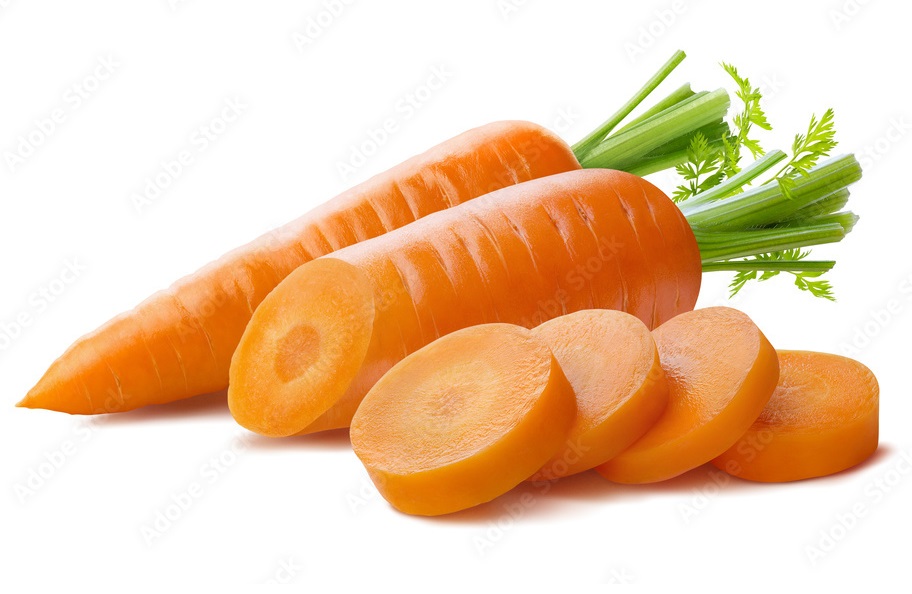
Carrots are among the most popular and nutritious root vegetables in the world. Known for their bright orange color and naturally sweet flavor, carrots are enjoyed both raw and cooked in a wide variety of dishes. They are packed with vitamins, minerals, fiber, and powerful antioxidants that support overall health.
While carrots are best known for promoting healthy vision, their benefits extend far beyond eye health. Regular consumption of carrots may help strengthen the immune system, improve digestion, support heart health, promote healthy skin, aid in weight management, and protect the body from oxidative stress.
In this guide, you’ll learn everything you need to know about carrots, including their nutrition facts, science-backed health benefits, ways to eat them, practical consumption tips, and other everyday uses.
What Are Carrots?
Carrots (Daucus carota subsp. sativus) are root vegetables belonging to the Apiaceae family, which also includes celery, parsley, fennel, and parsnips. They originated thousands of years ago in Central Asia and are now cultivated worldwide.
Although orange carrots are the most common variety, carrots also come in purple, red, yellow, white, and black colors. Their vibrant colors come from natural plant pigments such as beta-carotene, anthocyanins, lutein, and lycopene.
Carrots are especially rich in beta-carotene, a plant compound that the body converts into vitamin A. Vitamin A is essential for maintaining healthy vision, immune function, skin health, and normal growth.
Carrots can be eaten raw, steamed, roasted, boiled, grilled, stir-fried, juiced, or blended into smoothies. Their versatility and nutritional profile make them one of the healthiest vegetables to include in daily meals.
Nutrition Facts of Carrots
| Nutrient | Amount (Per 100 grams of raw carrots) |
|---|---|
| Calories | 41 kcal |
| Water | 88 g |
| Carbohydrates | 9.6 g |
| Sugars | 4.7 g |
| Dietary Fiber | 2.8 g |
| Protein | 0.9 g |
| Fat | 0.2 g |
| Vitamin A | 835 mcg RAE |
| Beta-Carotene | 8,285 mcg |
| Vitamin C | 5.9 mg |
| Vitamin K1 | 13.2 mcg |
| Vitamin B6 | 0.1 mg |
| Potassium | 320 mg |
| Calcium | 33 mg |
| Magnesium | 12 mg |
| Phosphorus | 35 mg |
| Iron | 0.3 mg |
| Sodium | 69 mg |
Values are approximate and may vary depending on variety and growing conditions.
Types of Carrots
Carrots come in several colors, shapes, and varieties, each offering a unique flavor, texture, and nutritional profile.
1. Orange Carrots
The most common variety, orange carrots are rich in beta-carotene, which the body converts into vitamin A. They have a sweet flavor and are ideal for salads, soups, roasting, and snacking.
2. Purple Carrots
Purple carrots contain anthocyanins, powerful antioxidants also found in blueberries. They have a slightly peppery taste and are excellent for salads and roasting.
3. Yellow Carrots
Yellow carrots are rich in lutein, an antioxidant that supports eye health. They have a mild, slightly sweet flavor and retain their bright color when cooked.
4. Red Carrots
Red carrots get their color from lycopene, the same antioxidant found in tomatoes. They are slightly sweeter than orange carrot and are great for juices, soups, and salads.
5. White Carrots
White carrots contain little or no beta-carotene but are still a good source of fiber and potassium. They have a mild, slightly sweet flavor and are commonly used in soups and stews.
6. Black Carrots
Black carrot have a deep purple-black color due to their high anthocyanin content. Popular in parts of Asia and the Middle East, they are often used in juices, pickles, and traditional beverages.
7. Baby Carrots
Baby carrots are either immature carrot harvested early or regular carrot cut and shaped into small pieces. They are convenient for snacking, lunch boxes, and dipping.
8. Imperator Carrots
Imperator carrots are long, slender, and sweet. They are the most common variety found in supermarkets and are ideal for eating raw or cooking.
9. Nantes Carrots
Nantes carrots are medium-sized with a cylindrical shape, tender texture, and exceptionally sweet flavor. They are excellent for fresh eating and juicing.
10. Danvers Carrots
Danvers carrots have broad shoulders and a tapered end. They are known for their rich flavor and grow well in heavier soils, making them ideal for cooking and canning.
11. Chantenay Carrots
Short and thick with a broad top, Chantenay carrots are well-suited for rocky or clay soils. They are flavorful and perfect for roasting, steaming, and soups.
12. Mini Carrots
Mini carrots are naturally small carrot varieties grown to full maturity. They are sweeter than many larger varieties and are commonly served whole as a side dish or snack.
20 Proven Health Benefits of Carrots
- Supports Healthy Vision: Carrots are rich in beta-carotene, which the body converts into vitamin A to help maintain healthy eyesight and reduce the risk of vitamin A deficiency.
- Boosts Immune Function: Vitamins A and C, along with antioxidants, help strengthen the immune system and support the body’s natural defense mechanisms.
- Improves Skin Health: The antioxidants and vitamins in carrots help protect skin cells from damage while supporting healthy, glowing skin.
- Promotes Heart Health: Fiber and potassium in carrots may help lower cholesterol levels and support healthy blood pressure.
- Aids Healthy Digestion: Dietary fiber promotes regular bowel movements, supports beneficial gut bacteria, and helps prevent constipation.
- Supports Weight Management: Low in calories and high in fiber, carrots help increase fullness and reduce unnecessary snacking.
- Provides Powerful Antioxidants: Carrots contain beta-carotene, lutein, and other antioxidants that help reduce oxidative stress throughout the body.
- May Lower Cancer Risk: Regular consumption of carotenoid-rich vegetables has been associated with a lower risk of certain cancers as part of a balanced diet.
- Helps Regulate Blood Sugar: The fiber in carrots slows digestion and may contribute to better blood sugar control when eaten in moderation.
- Strengthens Bones: Vitamin K and minerals found in carrots contribute to healthy bone metabolism and maintenance.
- Supports Brain Health: Antioxidants may help protect brain cells from oxidative damage associated with aging.
- Promotes Healthy Pregnancy: Folate, vitamin A precursors, and other nutrients support maternal nutrition during pregnancy when consumed appropriately.
- Reduces Inflammation: Natural antioxidants in carrots may help reduce chronic inflammation in the body.
- Supports Liver Function: Antioxidants help protect liver cells from oxidative stress while supporting normal metabolic processes.
- Improves Oral Health: Crunchy raw carrots stimulate saliva production, which helps cleanse the mouth naturally.
- Promotes Healthy Hair: Vitamin A supports healthy scalp function, while antioxidants contribute to overall hair health.
- Supports Eye Health with Age: Lutein and beta-carotene may help protect the eyes from age-related damage.
- Enhances Hydration: Because carrots contain nearly 90% water, they contribute to daily fluid intake.
- Supports Healthy Cholesterol Levels: Soluble fiber helps reduce LDL (“bad”) cholesterol as part of a heart-healthy diet.
- Encourages Overall Wellness: The combination of vitamins, minerals, antioxidants, and fiber makes carrot an excellent daily vegetable for long-term health.
10 Side Effects of Carrots
Although carrots are generally safe and highly nutritious, eating excessive amounts or consuming them in certain situations may cause unwanted effects.
- Carotenemia: Eating very large amounts of carrots over time may turn the skin yellow-orange due to excess beta-carotene, a harmless condition that usually resolves after reducing intake.
- Allergic Reactions: Some people may experience itching, swelling, or mouth irritation due to a carrot allergy, especially those allergic to birch pollen.
- Digestive Discomfort: Excessive carrot consumption may cause bloating, gas, or stomach discomfort because of its fiber content.
- Diarrhea: Eating too many carrots or drinking large quantities of carrot juice may contribute to loose stools in sensitive individuals.
- Blood Sugar Concerns: Although carrot have a relatively low glycemic index, large servings of carrot juice may raise blood sugar more quickly than whole carrot.
- Excess Vitamin A from Supplements: Carrot themselves are unlikely to cause vitamin A toxicity, but combining high-dose vitamin A supplements with excessive intake should be discussed with a healthcare provider.
- Pesticide Residue Exposure: Conventionally grown carrots may contain pesticide residues if not washed thoroughly before consumption.
- Dental Sensitivity: Very crunchy raw carrot may cause discomfort in people with sensitive teeth or recent dental work.
- Choking Risk: Whole baby carrots or large carrot pieces may pose a choking hazard for young children if not cut appropriately.
- Nutritional Imbalance: Relying heavily on carrot while neglecting other fruits and vegetables can reduce dietary variety and overall nutrient intake.
How to Eat Carrots?
Carrots are incredibly versatile and can be enjoyed in many delicious ways.
Eat Them Raw
Raw carrots make an excellent healthy snack and retain their crunchy texture and nutrients.
Add to Salads
Grated or sliced carrot add sweetness, color, and crunch to vegetable salads.
Roast Them
Roasting enhances the natural sweetness of carrot and creates a delicious side dish.
Steam Them
Steaming preserves nutrients while softening the texture for easier digestion.
Stir-Fry
Carrot pair well with broccoli, bell peppers, mushrooms, and other vegetables in stir-fries.
Make Fresh Juice
Fresh carrot juice is a refreshing source of beta-carotene and vitamin C.
Blend into Smoothies
Combine carrots with oranges, mangoes, apples, or ginger for nutrient-rich smoothies.
Add to Soups
Carrot enhance the flavor and nutrition of vegetable soups and stews.
Include in Rice Dishes
Finely chopped carrot work well in fried rice, pulao, quinoa, and grain bowls.
Bake into Healthy Recipes
Carrot can be used in muffins, pancakes, cakes, and homemade breads.
Pair with Healthy Fats
Eating carrot with foods such as olive oil, avocado, nuts, or seeds improves the absorption of beta-carotene.
Tips for Consuming Carrots
- Wash carrot thoroughly before eating.
- Peel only if necessary, as many nutrients are found close to the skin.
- Eat both raw and cooked carrot for nutritional variety.
- Pair carrots with healthy fats to improve vitamin A absorption.
- Avoid overcooking, which may reduce certain nutrients.
- Choose firm, brightly colored carrot without cracks or soft spots.
- Store carrot properly to maintain freshness.
- Include carrot as part of a balanced diet rather than relying on a single food.
- Drink fresh carrot juice in moderation because juicing removes much of the fiber.
- Rotate different colored carrot to enjoy a wider range of antioxidants.
Other Uses of Carrots
- Natural Juice Ingredient: Carrots are widely used to prepare refreshing juices and wellness drinks.
- Smoothie Base: They blend well with fruits and vegetables to create nutrient-rich smoothies.
- Soup Thickener: Cooked carrot naturally thicken soups without the need for cream.
- Healthy Snack: Baby carrot make a convenient snack for school, work, or travel.
- Baking Ingredient: Grated carrot add moisture and natural sweetness to cakes, muffins, and breads.
- Salad Enhancer: Shredded carrot improve the color, texture, and nutritional value of salads.
- Vegetable Puree: Cooked carrot can be blended into a smooth puree for infants or older adults with chewing difficulties.
- Side Dish: Roasted, grilled, or steamed carrot complement meat, fish, and vegetarian meals.
- Pickling Vegetable: Carrot can be pickled with vinegar and spices for a tangy condiment.
- Homemade Baby Food: Plain cooked carrots are commonly used to prepare nutritious homemade baby food.
- Pet Treat (In Moderation): Small pieces of raw or cooked carrot can be offered as an occasional treat for some pets after consulting a veterinarian.
- Natural Food Coloring: Carrot puree can add natural color to sauces, baked goods, and pasta dough.
- Vegetable Stock: Carrot contribute sweetness and depth of flavor to homemade vegetable broth.
- Healthy Dips: Cooked carrot can be blended into hummus and vegetable dips for extra nutrition.
- Meal Prep Ingredient: Chopped carrots are easy to prepare in advance and add to lunches, stir-fries, and casseroles throughout the week.
How Much Carrots Can You Eat in a Day?
There is no official daily limit for healthy adults, but moderation is important.
General recommendations include:
- Adults: About 1–2 medium carrots (75–150 grams) per day fits well into a balanced diet.
- Children: Smaller portions depending on age are appropriate.
- Carrot Juice: Limit to 120–240 ml (½–1 cup) daily unless advised otherwise by a healthcare professional.
Eating carrots regularly is beneficial, but consuming extremely large quantities every day may increase the risk of carotenemia.
The ideal amount depends on age, activity level, and overall dietary pattern.
| Group | Recommended Intake |
|---|---|
| Healthy Adults | 75–150 g daily |
| Children | 30–75 g daily (age dependent) |
| Teenagers | 75–150 g daily |
| Older Adults | 75–150 g daily |
| Pregnant Women | Moderate intake as part of a balanced diet |
| Athletes | 1–2 servings daily alongside other vegetables |
A serving of carrots is approximately:
- 1 medium carrot
- ½ cup cooked carrot
- 1 cup raw sliced carrot
Best Time to Eat Carrots
There is no single “best” time to eat carrot. They can be enjoyed throughout the day.
Morning
Carrot make a refreshing addition to breakfast smoothies or fresh vegetable juices.
Mid-Morning Snack
Raw carrot help satisfy hunger between meals while providing fiber.
Before Lunch
Eating carrot before meals may promote fullness and help with portion control.
Lunch
Carrot pair well with salads, soups, wraps, and grain bowls.
Evening
Cooked carrots are easy to digest and complement dinner dishes.
After Exercise
Carrot can be included with a balanced post-workout meal containing protein and healthy fats.
Who Should Eat Carrots?
- Children: Carrot provide essential nutrients that support healthy growth and development.
- Students: Vitamins and antioxidants in carrot contribute to overall wellness during learning years.
- Pregnant Women: Moderate carrot intake supplies important nutrients, including beta-carotene, as part of a balanced prenatal diet.
- Older Adults: Fiber and antioxidants support healthy aging and digestive health.
- People Managing Weight: Low-calorie, fiber-rich carrot promote satiety and healthy eating habits.
- Individuals with Constipation: The fiber in carrot supports regular bowel movements.
- Athletes: Carrot provide carbohydrates, vitamins, minerals, and hydration to complement an active lifestyle.
- People Seeking Heart Health: Potassium and fiber support cardiovascular wellness.
- Individuals Focused on Eye Health: Beta-carotene helps maintain normal vision and eye function.
- People Following Plant-Based Diets: Carrots are a nutrient-rich vegetable that fits vegetarian and vegan eating patterns.
Who Should Not Eat Carrots?
- People with Carrot Allergy: Individuals with confirmed carrot allergies should avoid carrot and carrot-containing foods.
- People with Severe Birch Pollen Allergy: Some may experience oral allergy syndrome when eating raw carrot.
- Individuals with Digestive Sensitivity: Those prone to bloating may prefer cooked carrot instead of large amounts of raw carrot.
- People with Difficulty Chewing: Raw carrot may be difficult to chew; cooked carrots are often a better option.
- Infants Without Appropriate Preparation: Whole carrot pieces should never be given to infants because of choking risk.
- Individuals on Special Medical Diets: People with specific health conditions should follow personalized dietary advice from their healthcare provider.
How to Store Carrots?
- Refrigerate Immediately: Store carrot in the refrigerator to help maintain freshness.
- Remove Green Tops: Cut off carrot greens before storage because they draw moisture from the roots.
- Use a Perforated Bag: Keep carrot in a perforated plastic bag or reusable produce bag to maintain humidity.
- Keep Away from Ethylene-Producing Fruits: Store carrot away from apples, bananas, and pears, which can shorten freshness.
- Wash Before Use: Wash carrot just before eating rather than before storage to reduce spoilage.
- Trim Damaged Areas: Remove bruised or damaged sections before storing.
- Freeze for Long-Term Storage: Blanch carrot before freezing to preserve their quality.
- Avoid Excess Moisture: Too much moisture encourages mold growth.
- Check Regularly: Remove soft or spoiled carrot promptly to prevent affecting the rest.
- Store Cooked Carrots Properly: Refrigerate cooked carrot in an airtight container and consume within 3–4 days.
Precautions and Interactions
- Eat in Moderation: Excessive intake may lead to temporary carotenemia.
- Wash Thoroughly: Proper washing helps reduce dirt and pesticide residues.
- Pair with Healthy Fats: Consuming carrot with olive oil, avocado, nuts, or seeds improves beta-carotene absorption.
- Monitor Blood Sugar: People with diabetes should choose whole carrot more often than carrot juice and monitor portion sizes.
- Be Aware of Allergies: Stop eating carrot and seek medical advice if allergic symptoms occur.
- Prepare Safely for Children: Cut carrot into age-appropriate pieces to reduce choking risk.
- Maintain Dietary Variety: Include carrot alongside a wide range of colorful fruits and vegetables.
- Discuss Supplements with Your Healthcare Provider: People taking vitamin A supplements should ensure their overall intake remains appropriate.
FAQ’s
What do carrots taste like?
Carrot have a naturally sweet, mildly earthy flavor with a crisp texture when raw. Cooked carrot become softer and sweeter.
How do carrots affect blood sugar?
Whole carrot have a low glycemic index and contain fiber, which helps slow sugar absorption. They generally have a modest effect on blood sugar when eaten in moderation.
Do boiled carrots have more sugar?
No. Boiling does not increase the sugar content of carrot. However, cooking can make their natural sugars taste sweeter and may slightly increase the availability of some nutrients like beta-carotene.
How many carrots can a diabetic eat a day?
Most people with diabetes can enjoy 1–2 medium carrot (about 75–150 grams) per day as part of a balanced diet. Portion size should be individualized based on overall carbohydrate intake and medical advice.
Which carrot is good for diabetes?
All varieties of carrot—including orange, purple, red, yellow, and black carrot—can be included in a diabetes-friendly diet. Whole carrot are generally a better choice than carrot juice because they contain more fiber, which helps support healthy blood sugar control.
What are carrots good for?
Carrots are rich in vitamin A, fiber, and antioxidants that support eye health, immunity, heart health, digestion, and healthy skin.
Is it healthy to eat carrots every day?
Yes. Eating carrot daily in moderate amounts is safe and can be part of a healthy, balanced diet.
Are raw carrots healthier than cooked carrots?
Both are nutritious. Raw carrot retain more vitamin C, while cooked carrot may provide better absorption of beta-carotene.
Can carrots help improve eyesight?
Carrot provide beta-carotene, which the body converts into vitamin A to support normal vision and eye health.
Are carrots good for weight loss?
Yes. Carrots are low in calories, high in fiber, and help keep you feeling full longer.
Can people with diabetes eat carrots?
Yes. Whole carrot can be included in a diabetes-friendly diet when eaten in appropriate portions.
Are carrots good for the skin?
Yes. Their vitamins and antioxidants help protect skin cells and support healthy-looking skin.
Is carrot juice as healthy as whole carrots?
Carrot juice is nutritious, but whole carrot contain more fiber, making them a better choice for everyday consumption.
Can eating too many carrots turn your skin orange?
Yes. Eating excessive amounts of carrot over a long period may cause carotenemia, a harmless condition that gives the skin a yellow-orange tint.
Are carrots safe during pregnancy?
Yes. Carrot are generally safe during pregnancy when eaten as part of a balanced diet.
Can babies eat carrots?
Yes. Cooked and mashed carrot can be introduced when babies are developmentally ready for solid foods. Avoid giving whole or large raw carrot pieces due to the choking risk.
Do carrots contain a lot of sugar?
No. Carrot contain natural sugars but have a relatively low glycemic index and can fit into a healthy diet.
Can I eat carrot peel?
Yes. Carrot peel is edible and contains nutrients. Wash carrot thoroughly before eating them with the peel.
Are purple and yellow carrots healthier than orange carrots?
All carrot varieties are nutritious. Different colors provide different antioxidants, so eating a variety offers the widest range of nutrients.
Can carrots help lower cholesterol?
The soluble fiber in carrot may help support healthy cholesterol levels as part of a heart-healthy diet.
Can I eat carrots at night?
Yes. Carrot are a light, nutritious snack and can be enjoyed in the evening without any known health concerns.
Are organic carrots healthier than regular carrots?
Both organic and conventionally grown carrot are nutritious. Washing all carrot thoroughly before eating is recommended.
Sources / References:
- U.S. Department of Agriculture (USDA) FoodData Central
- Harvard T.H. Chan School of Public Health – The Nutrition Source
- World Health Organization (WHO)
- Academy of Nutrition and Dietetics
- National Institutes of Health (NIH) Office of Dietary Supplements – Vitamin A
- American Heart Association
- Centers for Disease Control and Prevention (CDC)
About the Author:
Written by: Kirti Solanki (Health Content Researcher)
Kirti Solanki is a Health Content Researcher who creates evidence-based, reader-friendly wellness articles. Her work focuses on nutrition, healthy eating, preventive healthcare, and lifestyle topics, with an emphasis on presenting reliable information from trusted medical and scientific sources.
Disclaimer:
This guide is for educational and informational purposes only and should not be considered medical advice. It is not intended to diagnose, treat, cure, or prevent any disease. Always consult a qualified healthcare professional before making significant changes to your diet or health routine, especially if you have a medical condition, are pregnant, breastfeeding, or taking medications.
Recommended Articles :