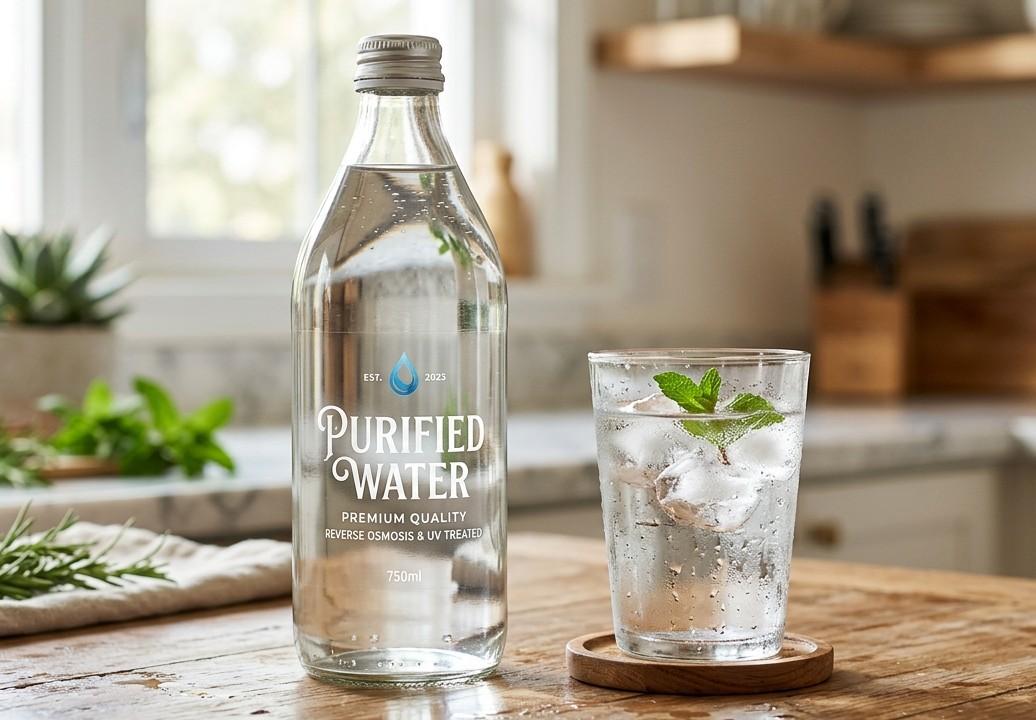
Water is essential for life, making up a large portion of the human body and supporting nearly every bodily function. While tap water is commonly available, many people choose purified water because it undergoes additional treatment processes that remove contaminants, chemicals, bacteria, and impurities. Purified water is widely used for drinking, cooking, medical purposes, and industrial applications due to its high level of cleanliness.
In this guide, we’ll explore what purified water (also known as filtered water, treated water, processed water, decontaminated water, or refined water) is, its nutritional profile, science-backed health benefits, possible side effects, preparation methods, storage tips, and much more.
What is Purified Water?
Purified water is water that has undergone specialized treatment processes to remove contaminants, pollutants, microorganisms, heavy metals, and dissolved solids. The goal is to produce water that meets strict purity standards and is safe for consumption.
Common purification methods include:
- Reverse osmosis (RO)
- Distillation
- Deionization
- Carbon filtration
- Ultraviolet (UV) treatment
According to regulatory standards, purified water contains very low levels of dissolved substances and harmful contaminants. It can originate from groundwater, tap water, or natural water sources before undergoing purification.
Components of Purified Water
| Nutrient | Amount per 100 ml |
|---|---|
| Calories | 0 |
| Protein | 0 g |
| Fat | 0 g |
| Carbohydrates | 0 g |
| Sugar | 0 g |
| Sodium | 0–2 mg |
| Potassium | 0–1 mg |
| Calcium | Trace amounts |
| Magnesium | Trace amounts |
| Total Dissolved Solids (TDS) | Usually less than 10 ppm |
| Cholesterol | 0 mg |
Values may vary based on purification method and source water.
20 Proven Health Benefits of Purified Water
- Supports Hydration: Water effectively replenishes body fluids and helps maintain optimal hydration levels.
- Promotes Kidney Function: Drinking purified water supports the kidneys in filtering waste and toxins from the bloodstream.
- Helps Remove Toxins: Adequate purified water intake assists the body in naturally eliminating waste products through urine and sweat.
- Improves Digestion: Proper hydration supports digestive processes and helps food move smoothly through the gastrointestinal tract.
- Prevents Constipation: Drinking sufficient purified water softens stools and promotes regular bowel movements.
- Supports Healthy Skin: Good hydration may improve skin moisture, elasticity, and overall appearance.
- Enhances Physical Performance: Staying hydrated helps maintain endurance, strength, and exercise performance.
- Supports Brain Function: Adequate water intake contributes to concentration, memory, and cognitive performance.
- May Reduce Headaches: Proper hydration may help prevent dehydration-related headaches and migraines.
- Supports Heart Health: Hydration assists in maintaining healthy blood circulation and cardiovascular function.
- Regulates Body Temperature: Purified water helps cool the body through sweating and heat regulation mechanisms.
- Supports Joint Health: Water helps lubricate joints and may reduce friction during movement.
- Aids Nutrient Transport: Purified water serves as a medium for transporting nutrients throughout the body.
- Supports Cellular Function: Every cell in the body depends on water for normal metabolic activities.
- May Improve Energy Levels: Proper hydration can help reduce fatigue associated with dehydration.
- Supports Healthy Weight Management: Drinking water may promote fullness and reduce excessive calorie intake.
- Promotes Oral Health: Water helps rinse away food particles and supports saliva production.
- Supports Immune Function: Proper hydration helps maintain normal immune system processes.
- May Improve Mood: Studies suggest hydration status can influence mood and emotional well-being.
- Provides Clean Drinking Water: Purification removes many contaminants that may negatively impact health.
10 Side Effects of Purified Water
While purified water is generally safe, excessive consumption or exclusive use of highly demineralized water may have drawbacks.
- Mineral Reduction: Highly purified water may contain fewer natural minerals such as calcium and magnesium.
- Possible Electrolyte Imbalance: Excessive water intake without electrolyte replacement may contribute to imbalances.
- Overhydration Risk: Drinking excessive amounts can lead to water intoxication in rare cases.
- Frequent Urination: High water consumption may increase bathroom visits.
- Dilution of Sodium Levels: Excessive intake can lower blood sodium concentrations.
- Flat Taste: Some people find purified water less flavorful due to reduced mineral content.
- Potential Nutrient Loss: Exclusive consumption of mineral-free water may slightly reduce dietary mineral intake.
- Storage Contamination Risk: Improperly stored water can become contaminated after purification.
- Dependence on Filtration Systems: Poorly maintained purification systems may not function effectively.
- Environmental Concerns: Bottled purified water may contribute to plastic waste if not recycled properly.
How to Make Purified Water?
There are several methods for producing purified water at home.
1. Reverse Osmosis Method
- Install a reverse osmosis filtration system.
- Run tap water through the membrane.
- Collect purified water in a clean container.
- Store properly before use.
2. Distillation Method
- Boil water in a distillation unit.
- Capture the steam.
- Condense the steam back into liquid form.
- Collect the purified water.
3. Carbon Filtration Method
- Use an activated carbon filter.
- Pass water through the filtration unit.
- Collect filtered water.
- Store in a sanitized container.
4. UV Purification Method
- Pass water through a UV purification system.
- UV light destroys microorganisms.
- Collect treated water for consumption.
5. Boiling Method
- Bring water to a rolling boil for at least one minute.
- Allow it to cool.
- Store in a clean container.
Tips for Consuming Purified Water
- Drink water consistently throughout the day.
- Carry a reusable water bottle when traveling.
- Consume water before, during, and after exercise.
- Drink water with meals to support digestion.
- Increase intake during hot weather.
- Monitor urine color as a hydration indicator.
- Choose BPA-free bottles when storing water.
- Replace water filters according to manufacturer guidelines.
- Avoid waiting until you feel extremely thirsty.
- Balance water intake with electrolyte-rich foods.
Other Uses of Purified Water
Purified water is useful beyond drinking.
Cooking
Used for soups, beverages, and food preparation.
Coffee and Tea Preparation
Provides a cleaner taste by reducing impurities.
Medical Equipment
Often used in medical and laboratory settings.
Baby Formula
Many parents use purified water to prepare infant formula.
Humidifiers
Helps reduce mineral buildup in humidifiers.
Aquariums
Used in aquarium water treatment and maintenance.
Laboratory Applications
Essential for scientific testing and experiments.
Cosmetic Products
Commonly used in skincare and beauty formulations.
Pharmaceutical Manufacturing
Used in the production of medications and healthcare products.
Steam Irons
Reduces mineral deposits and extends appliance life.
How Much Purified Water Can You Drink in a Day?
Daily water requirements vary depending on age, body size, activity level, climate, and overall health.
General recommendations include:
- Adult men: Approximately 3.7 liters daily from beverages and foods.
- Adult women: Approximately 2.7 liters daily from beverages and foods.
- Athletes: May require significantly more depending on exercise intensity.
- Pregnant women: Often need additional fluids.
- Breastfeeding women: Usually require increased hydration.
Rather than focusing solely on a fixed amount, monitor thirst levels, urine color, physical activity, and environmental conditions.
Best Time to Drink Purified Water
After Waking Up
Helps replenish fluids lost during sleep.
Before Meals
May support digestion and appetite control.
During Exercise
Maintains hydration and performance.
After Exercise
Helps replace fluids lost through sweat.
During Hot Weather
Supports temperature regulation.
When Feeling Fatigued
Mild dehydration can contribute to tiredness.
Before Bed
A small amount may support hydration overnight.
During Illness
Maintains fluid balance during recovery.
Who Should Drink Purified Water?
- Children: Water can provide a cleaner source of hydration during growth and development.
- Athletes: Active individuals may benefit from purified water for maintaining hydration during training.
- Pregnant Women: Clean drinking water supports increased hydration needs during pregnancy.
- Breastfeeding Mothers: Nursing mothers often require additional fluid intake to support milk production.
- Older Adults: Water helps meet hydration needs that may decline with age.
- People with Weakened Immunity: Cleaner water may reduce exposure to certain contaminants.
- Individuals in Polluted Areas: Water may help limit intake of unwanted substances from local water supplies.
- Office Workers: Regular water intake supports focus and productivity throughout the day.
- Students: Proper hydration contributes to learning and concentration.
- Travelers: Water can provide a safer drinking option in unfamiliar locations.
Who Should Avoid Purified Water?
- Individuals Requiring Mineral-Rich Water: Some people may benefit from naturally mineralized water sources.
- People with Certain Electrolyte Disorders: Medical guidance may be necessary regarding fluid and mineral intake.
- Those Following Specialized Medical Diets: Healthcare providers may recommend specific water types.
- Individuals Drinking Excessive Quantities: Overconsumption of any water can be harmful.
- People Relying Solely on Water for Minerals: Water should not be the primary source of essential minerals.
How to Store Purified Water?
- Use Clean Containers: Always store purified water in sanitized food-grade containers.
- Keep Containers Sealed: Proper sealing helps prevent contamination.
- Store in a Cool Place: Lower temperatures help maintain water quality.
- Avoid Direct Sunlight: Sunlight can encourage microbial growth and degrade plastic containers.
- Use Food-Grade Bottles: Choose containers designed specifically for drinking water.
- Label Storage Dates: Tracking storage dates helps ensure freshness.
- Avoid Chemical Exposure: Keep water away from cleaning agents and chemicals.
- Clean Containers Regularly: Periodic cleaning reduces contamination risks.
- Rotate Stored Water: Use older supplies first and replenish regularly.
- Inspect Before Drinking: Discard water if unusual odor, color, or taste develops.
Precautions and Interactions
Although purified water is generally considered safe, several precautions should be observed:
- Avoid excessive water consumption to prevent overhydration.
- Maintain a balanced diet that provides essential minerals.
- Replace water filters according to manufacturer recommendations.
- Ensure purification systems are properly maintained.
- Store water in clean, food-safe containers.
- Consult a healthcare professional if you have kidney, heart, or electrolyte-related conditions.
- Monitor hydration needs during intense physical activity.
- Be cautious when relying solely on distilled or highly demineralized water for long periods.
- Follow local health guidelines regarding water quality and treatment.
- Seek medical advice if unusual symptoms occur after changes in hydration habits.
Conclusion
Purified water is one of the cleanest and safest forms of drinking water available. Through processes such as reverse osmosis, distillation, and filtration, it removes many contaminants that may be present in untreated water. Its primary benefit lies in supporting hydration, which is essential for digestion, circulation, temperature regulation, cognitive function, and overall health.
While water is generally safe for most people, it should be consumed as part of a balanced lifestyle that includes adequate nutrients and minerals from food. Proper storage, responsible consumption, and regular maintenance of purification systems can help ensure that water remains a reliable and healthy choice for everyday use.
FAQ’s
What does Purified Water taste like?
Water typically has a clean, neutral, and refreshing taste because most impurities, chemicals, and dissolved substances have been removed.
How long does it take for Purified Water to work?
Water begins hydrating the body soon after consumption, with absorption starting within minutes, though noticeable effects depend on your hydration level.
What does Purified Water smell like?
Water is generally odorless because the purification process removes many substances that can cause unwanted smells.
Is Purified Water safe for pregnant women?
Yes, water is generally considered safe for pregnant women and can help meet increased hydration needs during pregnancy. However, it should be consumed as part of a balanced diet and healthy lifestyle.
Is purified water safe to drink every day?
Yes, water is generally safe for daily consumption and is commonly used as a reliable source of clean hydration.
What is the difference between purified water and distilled water?
Distilled water is a type of purified water produced through distillation, while purified water can be treated using various methods such as reverse osmosis, filtration, or UV purification.
Does purified water contain minerals?
Some water contains trace minerals, but highly purified or distilled water may have very low mineral content.
Is purified water better than tap water?
Water often contains fewer contaminants than tap water, though the quality depends on the local water supply and purification process used.
Can purified water help with hydration?
Yes, water hydrates the body effectively and supports normal bodily functions just like other safe drinking waters.
Can children drink purified water?
Yes, water is generally safe for children and can be part of a healthy hydration routine.
Does purified water have a taste?
Water usually has a clean, neutral taste, although some people find it less flavorful due to its low mineral content.
Can purified water go bad?
Water itself does not spoil, but improperly stored water can become contaminated and develop an unpleasant taste or odor.
Is purified water good for the kidneys?
Yes, staying hydrated with water helps the kidneys remove waste products and maintain normal function.
Is purified water suitable for making baby formula?
Many parents use water for infant formula preparation, but it is best to follow pediatric recommendations and local health guidelines.
What is purified water good for?
Water is useful for hydration, cooking, beverage preparation, medical applications, household appliances, and supporting overall health.
Also Read: