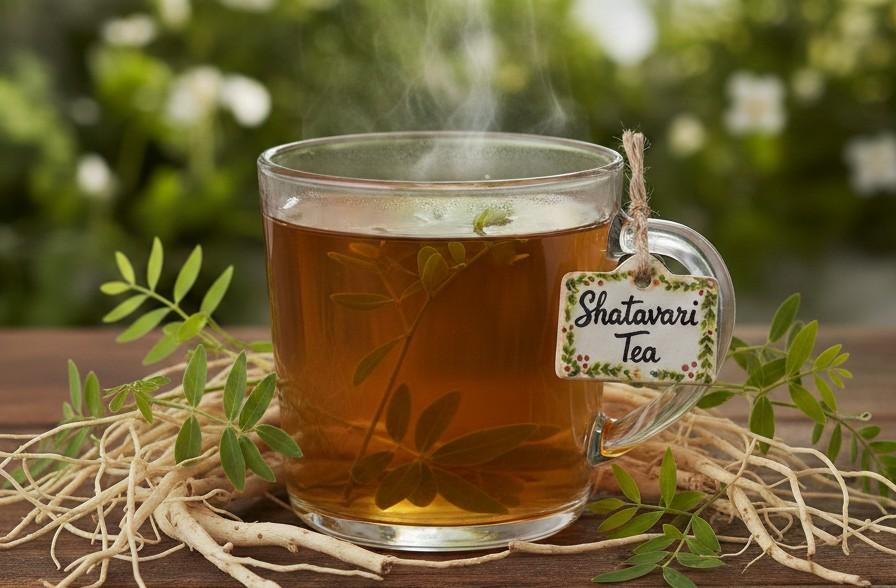
Herbal teas have been part of traditional wellness systems for centuries, and one such powerful botanical infusion is Shatavari tea. Revered in Ayurveda as a rejuvenating herb, Shatavari (Asparagus racemosus) is often associated with hormonal balance, digestive health, and overall vitality. While the root of the plant is commonly used in powdered or capsule form, preparing it as tea offers a gentle and accessible way to enjoy its benefits. This guide explores what Shatavari tea is, its nutritional composition, proven health benefits, potential side effects, preparation methods, and practical tips for consumption.
What is Shatavari Tea?
Shatavari tea is an herbal infusion made from the dried roots of the Shatavari plant (Asparagus racemosus), a climbing species native to India, Sri Lanka, and parts of Southeast Asia. The Sanskrit word “Shatavari” translates roughly to “she who possesses a hundred husbands,” highlighting its traditional use as a tonic for women’s reproductive health.
In Ayurvedic medicine, Shatavari is classified as a Rasayana herb, meaning it is believed to promote longevity, vitality, and immunity. Its root contains bioactive compounds such as saponins (shatavarins), flavonoids, alkaloids, and antioxidants that contribute to its therapeutic effects.
When brewed as tea, the root releases mild earthy flavors and bioactive nutrients that may support:
- Hormonal balance
- Digestive health
- Immune resilience
- Stress management
- Hydration with functional benefits
Shatavari tea is caffeine-free, making it suitable for daily consumption as part of a holistic wellness routine.
Nutritional Facts of Shatavari Tea
Since Shatavari tea is an herbal infusion rather than a calorie-dense beverage, its nutritional profile mainly reflects trace phytochemicals and micronutrients extracted during brewing. Below is an approximate composition per 1 cup (240 ml) brewed tea:
| Nutrient / Compound | Approximate Amount | Role in the Body |
|---|---|---|
| Calories | 2–5 kcal | Minimal energy contribution |
| Carbohydrates | <1 g | Negligible |
| Protein | Trace | Tissue maintenance |
| Calcium | Small amounts | Bone support |
| Magnesium | Trace | Muscle and nerve function |
| Potassium | Trace | Fluid balance |
| Saponins (Shatavarins) | Present | Hormonal and immune modulation |
| Flavonoids | Present | Antioxidant support |
| Alkaloids | Present | Bioactive metabolic support |
| Antioxidants | Present | Cellular protection |
Note: Values vary depending on root quality, steeping time, and preparation method.
20 Science-Backed Benefits of Shatavari Tea
- Hormonal Balance Support — Shatavari tea contains plant compounds that may help regulate hormonal fluctuations and support endocrine health.
- Reproductive Wellness — Regular consumption may promote uterine health and overall reproductive function according to traditional and emerging research.
- Lactation Enhancement — It is traditionally used to support breast milk production in nursing mothers.
- Menstrual Comfort — Anti-inflammatory properties may help reduce cramps and discomfort during menstruation.
- Stress Adaptation — As an adaptogenic herb, it may assist the body in coping with physical and emotional stress.
- Immune System Support — Antioxidants present in the tea may strengthen immune defense mechanisms.
- Digestive Relief — It may soothe the digestive tract and support relief from acidity or mild irritation.
- Cooling Body Effect — Ayurvedic traditions consider it cooling, helping balance internal heat and inflammation.
- Fertility Support — Shatavari may contribute to improved reproductive health markers when used consistently.
- Antioxidant Protection — Bioactive compounds help combat oxidative stress and cellular damage.
- Mental Calmness — It may promote relaxation and reduce feelings of anxiety.
- Skin Health Support — Nutrient and antioxidant content may contribute to healthier-looking skin.
- Urinary Tract Support — Mild diuretic action may assist in maintaining urinary system function.
- Inflammation Reduction — Certain plant compounds may lower systemic inflammation.
- Respiratory Comfort — Traditional use includes soothing throat and respiratory irritation.
- Energy and Vitality — By supporting nutrient absorption, it may enhance stamina and vitality.
- Healthy Aging Support — Its rejuvenating properties are associated with longevity in Ayurvedic practice.
- Cardiovascular Support — Antioxidants may contribute to maintaining heart health.
- Fluid Balance — Mineral traces may help maintain hydration and electrolyte balance.
- Gut Microbiome Support — Prebiotic components may encourage beneficial gut bacteria growth.
10 Side Effects of Shatavari Tea
- Allergic Reactions — Individuals sensitive to asparagus-family plants may experience skin or respiratory reactions.
- Digestive Discomfort — Overconsumption may cause bloating, nausea, or mild diarrhea.
- Hormonal Interference — Estrogen-like effects may impact people with hormone-sensitive conditions.
- Medication Interaction — It may interact with hormone therapies or certain prescription drugs.
- Blood Sugar Changes — Some individuals may experience fluctuations in glucose levels.
- Blood Pressure Effects — Mild circulatory effects may influence blood pressure in sensitive individuals.
- Headaches — Excess intake has been linked to occasional headaches in rare cases.
- Kidney Strain — Diuretic effects could place stress on compromised kidney function.
- Pregnancy Concerns — Safety during pregnancy is not well established and requires medical consultation.
- Electrolyte Imbalance — Excessive intake may disrupt fluid and mineral balance due to increased urination.
How to Make Shatavari Tea?
Ingredients:
- 1 teaspoon dried Shatavari root powder or crushed root
- 1 cup water
Steps:
- Bring water to a gentle boil.
- Add the Shatavari root.
- Simmer for 5–10 minutes.
- Strain into a cup.
- Optional: Add honey or milk for flavor.
Consume warm for best results.
Other Uses of Shatavari Tea
- Base for herbal blends with ginger or fennel
- Cooling summer beverage served chilled
- Complement to meditation or relaxation routines
- Gentle digestive tonic after meals
- Natural caffeine-free hydration option
How Much Shatavari Tea Can You Drink a Day?
Most traditional recommendations suggest:
- 1–2 cups daily for general wellness
- Up to 3 cups under professional guidance
Excess intake should be avoided to prevent side effects.
Tips for Consuming Shatavari Tea
- Use high-quality organic roots
- Avoid overboiling to preserve compounds
- Drink consistently rather than excessively
- Pair with balanced nutrition
- Consult professionals if using medicinally
Best Time to Drink Shatavari Tea
- Morning: Supports hormonal balance and digestion
- Afternoon: Hydration and calming effects
- Evening: Relaxation and stress support
Avoid drinking immediately before bedtime if diuretic effects disturb sleep.
Who Should Drink Shatavari Tea?
- Individuals seeking hormonal balance
- Nursing mothers (with guidance)
- Those with digestive sensitivity
- People managing stress
- Anyone seeking caffeine-free wellness beverages
Who Should Not Drink Shatavari Tea?
- Individuals allergic to asparagus family plants
- Those with estrogen-sensitive conditions
- People on hormone therapies
- Kidney disorder patients
- Pregnant individuals without medical approval
Precautions and Interactions
- Consult healthcare professionals before therapeutic use
- Monitor for allergic reactions
- Avoid combining with hormone-based medications without guidance
- Keep intake moderate
- Store herbs in dry, clean conditions
- Discontinue if unusual symptoms occur
Final Thoughts
Shatavari tea represents a blend of ancient herbal wisdom and modern scientific interest. While it is not a cure-all, its adaptogenic and nutritive properties make it a compelling addition to a balanced lifestyle. Understanding its benefits, limitations, and proper use ensures you can enjoy it safely and effectively as part of your daily routine.
FAQ’s
What is Shatavari tea good for?
Shatavari tea is commonly used to support hormonal balance, digestive health, immunity, and stress management. It is especially valued in Ayurveda for promoting reproductive wellness and overall vitality due to its adaptogenic and antioxidant properties.
Can you drink Shatavari tea every day?
Yes, most people can drink Shatavari tea daily in moderate amounts. Typically, 1–2 cups per day is considered safe for general wellness. However, individuals with medical conditions or those taking medications should consult a healthcare professional before regular use.
Does Shatavari tea help with hormonal balance?
Shatavari contains phytoestrogen-like compounds that may help regulate hormonal fluctuations. This is why it is often recommended in traditional medicine for menstrual health and menopause support, although results can vary by individual.
Is Shatavari tea safe during pregnancy?
There is limited scientific evidence regarding its safety during pregnancy. Because of its hormonal effects, pregnant individuals should avoid consuming Shatavari tea unless approved by a qualified healthcare provider.
Can men drink Shatavari tea?
Yes, Shatavari tea is not limited to women. It may support immunity, digestion, and stress adaptation in men as well, although its traditional use is more strongly associated with female reproductive health.
How long does it take to see benefits from Shatavari tea?
Benefits vary depending on individual health and consistency of use. Some people notice digestive or calming effects within days, while hormonal or adaptogenic benefits may take several weeks of regular consumption.
What does Shatavari tea taste like?
Shatavari tea has a mild earthy flavor with slightly bitter undertones. Many people enhance the taste by adding honey, cardamom, ginger, or milk.
Is Shatavari tea caffeine-free?
Yes, Shatavari tea is naturally caffeine-free, making it suitable for evening consumption or for individuals avoiding stimulants.
Can I drink Shatavari tea for weight management?
While it is not a weight-loss solution, Shatavari tea may support digestion and metabolic balance, which can indirectly contribute to overall wellness when combined with a healthy lifestyle.
What is Shatavari Tea made from?
Shatavari tea is made by steeping dried or powdered roots of the Shatavari plant (Asparagus racemosus) in hot water.
How long does it take for Shatavari Tea to work?
Some effects may appear within days, but noticeable wellness or hormonal benefits usually take a few weeks of regular use.
How should Shatavari Tea be stored?
Keep the root or powder in an airtight container in a cool, dry place. Refrigerate brewed tea and use within 24 hours.
Is Shatavari Tea safe for children?
Research is limited, so it should only be given to children under professional medical guidance.
Also Read: