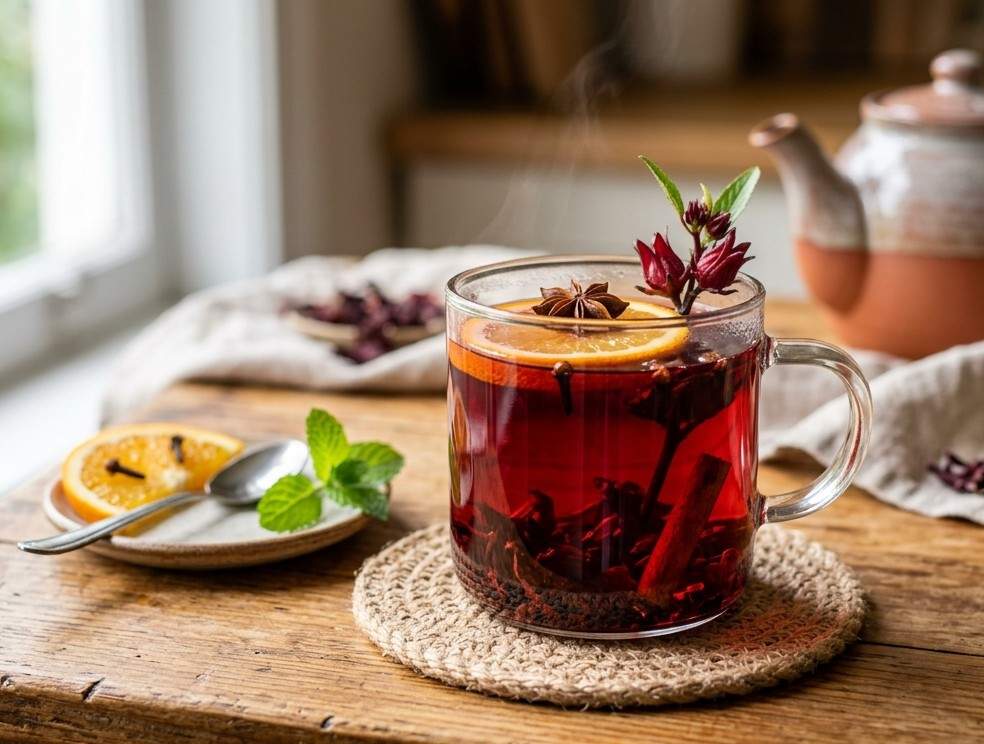
Sorrel tea is a vibrant ruby-red herbal beverage made from the dried calyces of the Hibiscus sabdariffa plant. Popular across the Caribbean, West Africa, Latin America, and parts of Asia, this refreshing tea is known for its tart, cranberry-like flavor and impressive nutritional profile. Whether served hot during winter or chilled over ice in summer, sorrel tea has long been valued in traditional medicine and modern nutrition alike.
Today, scientific research has drawn attention to sorrel tea because of its naturally occurring antioxidants, polyphenols, anthocyanins, flavonoids, and organic acids. Studies suggest that drinking sorrel tea may help support heart health, healthy blood pressure, immune function, liver health, and overall wellness when enjoyed as part of a balanced diet.
This guide explores everything you need to know about sorrel tea, including its nutrition, science-backed health benefits, possible side effects, preparation methods, dosage recommendations, precautions, and practical consumption tips.
What is Sorrel Tea?
Sorrel tea is an herbal infusion prepared by steeping the dried red calyces of the Hibiscus sabdariffa flower in hot water. Although commonly called “sorrel” in the Caribbean, it differs from leafy green sorrel (Rumex species) used in European cooking.
The tea naturally develops a deep crimson color because of anthocyanins—the same antioxidant pigments found in blueberries and blackberries. It has a pleasantly tart taste that can be enjoyed plain or flavored with cinnamon, cloves, ginger, citrus peel, mint, or honey. Sorrel tea contains no caffeine, making it an excellent alternative to coffee or black tea.
Components of Sorrel Tea
Approximate nutrition per 1 cup (240 ml) of unsweetened brewed sorrel tea.
| Nutrient | Amount |
|---|---|
| Calories | 2–5 kcal |
| Carbohydrates | <1 g |
| Protein | 0 g |
| Fat | 0 g |
| Fiber | Trace |
| Vitamin C | Small amount |
| Calcium | Small amount |
| Iron | Trace |
| Magnesium | Small amount |
| Potassium | Small amount |
| Anthocyanins | High |
| Polyphenols | High |
| Flavonoids | Present |
| Organic Acids | Present |
| Caffeine | 0 mg |
Note: Nutrient values vary depending on brewing strength and preparation method.
20 Proven Benefits of Sorrel Tea
1. Rich in Powerful Antioxidants – Sorrel tea contains anthocyanins, flavonoids, and polyphenols that help protect cells from oxidative stress.
2. May Help Lower Blood Pressure – Several clinical studies suggest hibiscus tea may help reduce mildly elevated blood pressure when consumed regularly.
3. Supports Heart Health – Its antioxidant compounds may help improve cardiovascular function by reducing oxidative damage.
4. May Improve Cholesterol Levels – Some studies indicate sorrel tea may help lower LDL cholesterol while supporting healthy HDL cholesterol.
5. Helps Fight Inflammation – Natural plant compounds in sorrel exhibit anti-inflammatory properties that may support overall wellness.
6. Supports Immune Function – Vitamin C and antioxidants contribute to normal immune system function.
7. May Promote Healthy Blood Sugar Control – Preliminary research suggests hibiscus compounds may help improve glucose metabolism.
8. Supports Liver Health – Antioxidants may help protect liver cells from oxidative damage.
9. Encourages Healthy Digestion – Sorrel tea may help promote digestive comfort after meals.
10. May Support Healthy Weight Management – Low in calories and naturally caffeine-free, sorrel tea can replace sugary beverages.
11. Helps Improve Hydration – Drinking herbal tea contributes to daily fluid intake.
12. May Reduce Oxidative Stress – Polyphenols help neutralize harmful free radicals throughout the body.
13. Supports Healthy Kidney Function – Adequate hydration combined with antioxidant intake may support normal kidney health in healthy individuals.
14. May Promote Healthy Skin – Antioxidants and vitamin C contribute to collagen production and skin protection.
15. Supports Healthy Aging – Antioxidant-rich beverages may help reduce cellular damage associated with aging.
16. May Help Reduce Fatigue – Proper hydration and plant nutrients may contribute to improved energy levels.
17. Supports Healthy Blood Circulation – Improved vascular function may contribute to healthy circulation.
18. May Help Protect Brain Cells – Antioxidants may help reduce oxidative stress associated with cognitive aging.
19. Naturally Caffeine-Free – Sorrel tea offers a refreshing beverage option without caffeine-related jitters.
20. Supports Overall Wellness – Regular consumption as part of a healthy lifestyle may contribute to better long-term health.
10 Side Effects of Sorrel Tea
1. May Lower Blood Pressure Too Much – Excessive intake may increase the effects of blood pressure medications.
2. May Affect Blood Sugar Levels – Individuals taking diabetes medications should monitor blood glucose.
3. May Interact with Certain Medications – Sorrel tea may influence the effectiveness of some prescription drugs.
4. May Cause Stomach Upset – Large amounts may lead to digestive discomfort in sensitive individuals.
5. May Increase Acidity – Its naturally tart acids may worsen acid reflux in susceptible people.
6. May Trigger Allergic Reactions – Although uncommon, allergies to hibiscus can occur.
7. May Affect Pregnancy Safety – Limited research means pregnant women should consult a healthcare provider before regular use.
8. May Affect Kidney Stone Risk in Sensitive Individuals – Sorrel contains natural oxalates, which may not be suitable for individuals prone to certain kidney stones.
9. May Cause Dizziness – Blood pressure reductions may occasionally result in lightheadedness.
10. Excess Sweeteners Reduce Health Benefits – Adding large amounts of sugar can significantly increase calorie intake.
How to Make Sorrel Tea?
Ingredients:
- 2 cups dried sorrel (hibiscus calyces)
- 4 cups water
- 1 cinnamon stick (optional)
- 3–4 cloves (optional)
- Fresh ginger slices (optional)
- Honey or maple syrup (optional)
- Lemon slices (optional)
Instructions:
- Bring water to a boil.
- Add dried sorrel and optional spices.
- Simmer for 5–10 minutes.
- Remove from heat.
- Cover and steep for another 10–20 minutes.
- Strain the tea.
- Serve hot or chill before serving.
- Sweeten lightly if desired.
Other Uses of Sorrel Tea
Besides being enjoyed as a beverage, sorrel tea can also be used for:
- Making herbal iced drinks
- Smoothie ingredient
- Fruit punch base
- Popsicles
- Jelly and jam recipes
- Homemade syrups
- Salad dressings
- Marinades
- Mocktails
- Herbal ice cubes
How Much Sorrel Tea Can You Drink a Day?
Most healthy adults can safely enjoy 1–3 cups (240–720 ml) of unsweetened sorrel tea daily as part of a balanced diet.
People taking medications for blood pressure or diabetes should discuss appropriate intake with their healthcare provider, as sorrel tea may enhance medication effects.
Tips for Consuming Sorrel Tea
- Brew using high-quality dried sorrel.
- Avoid excessive sugar.
- Drink freshly prepared tea whenever possible.
- Add lemon for additional vitamin C.
- Store brewed tea in the refrigerator for up to 3 days.
- Pair with healthy meals.
- Stay within moderate daily intake.
- Use filtered water for better flavor.
- Avoid drinking extremely concentrated tea daily.
- Consult your healthcare provider if you take prescription medications.
Best Time to Drink Sorrel Tea
Different times may offer different benefits:
- Morning: Refreshing caffeine-free start to the day.
- With meals: Supports hydration and digestion.
- Afternoon: Healthy replacement for sugary beverages.
- After exercise: Helps replenish fluids.
- Evening: Relaxing caffeine-free herbal drink.
Who Should Drink Sorrel Tea?
Tea may be suitable for:
- Adults seeking antioxidant-rich beverages
- Individuals looking for caffeine-free drinks
- People wanting to reduce sugary beverage intake
- Those interested in heart-healthy dietary choices
- Individuals following plant-based diets
- People seeking better hydration
- Adults focused on overall wellness
Who Should Not Drink Sorrel Tea?
Tea may not be appropriate for:
- Individuals allergic to hibiscus
- People with consistently low blood pressure
- Those taking blood pressure medications without medical guidance
- Individuals using diabetes medications without monitoring
- People prone to calcium oxalate kidney stones
- Pregnant or breastfeeding women unless advised by a healthcare professional
- Individuals preparing for surgery (consult healthcare provider)
Precautions and Interactions
- Monitor blood pressure if consumed regularly.
- Monitor blood sugar if you have diabetes.
- Speak with your healthcare provider before combining tea with prescription medications.
- Avoid consuming extremely concentrated preparations.
- Drink in moderation rather than excessive amounts.
- Discontinue use if allergic symptoms occur.
- Store dried sorrel in an airtight container away from moisture.
- Refrigerate prepared tea and consume within a few days.
- Avoid relying on tea as a treatment for any medical condition.
- Always combine herbal beverages with a balanced, nutrient-rich diet and healthy lifestyle.
FAQs
How long does it take for sorrel tea to work?
The effects vary depending on the purpose. Its hydrating and refreshing effects are immediate, while potential benefits for blood pressure or heart health may require consistent daily consumption for several weeks, according to clinical studies.
What is sorrel tea good for?
Tea is rich in antioxidants and may support heart health, healthy blood pressure, immune function, hydration, digestion, and overall wellness when consumed as part of a balanced diet.
What is sorrel tea made of?
Traditional tea is prepared using dried Hibiscus sabdariffa calyces and hot water. Many recipes also include ginger, cinnamon, cloves, citrus peel, or a natural sweetener for added flavor.
Is sorrel tea good for kidneys?
Tea may support hydration and provide antioxidants, but it also contains natural oxalates, which may not be suitable for people with a history of calcium oxalate kidney stones. If you have kidney disease or kidney stones, consult your healthcare provider before drinking it regularly.
Is sorrel tea good for periods?
Some people drink tea during their menstrual cycle because it may help with hydration and provide antioxidants. However, there is limited scientific evidence that it directly relieves menstrual pain or regulates periods.
Is sorrel tea the same as hibiscus tea?
Yes. In many countries, especially in the Caribbean, tea is another name for hibiscus tea made from Hibiscus sabdariffa.
What does sorrel tea taste like?
Tea has a tart, tangy, cranberry-like flavor with subtle floral notes. It can be enjoyed hot or cold.
Does sorrel tea contain caffeine?
No. tea is naturally caffeine-free, making it a good choice for any time of day.
Can I drink sorrel tea every day?
Most healthy adults can safely enjoy 1–3 cups per day in moderation as part of a balanced diet.
Can sorrel tea help lower blood pressure?
Some studies suggest that hibiscus tea may help lower mildly elevated blood pressure, but it should not replace prescribed medications.
Is sorrel tea good for weight loss?
Tea is low in calories and can be a healthy substitute for sugary drinks, which may support weight management.
Can diabetics drink sorrel tea?
Unsweetened tea may be suitable for many people with diabetes, but those taking blood sugar-lowering medications should consult their healthcare provider.
Is sorrel tea safe during pregnancy?
There is limited research on its safety during pregnancy, so pregnant women should consult their healthcare provider before drinking it regularly.
Can I drink sorrel tea while breastfeeding?
Breastfeeding mothers should seek medical advice before consuming tea regularly due to limited safety evidence.
Can children drink sorrel tea?
Children can have small amounts occasionally, but avoid adding excessive sugar and consult a pediatrician for regular use.
Does sorrel tea have vitamin C?
Yes. Sorrel naturally contains vitamin C, although the amount in brewed tea depends on preparation and brewing time.
Can sorrel tea improve digestion?
Some people find that tea supports digestion and helps relieve mild digestive discomfort after meals.
Is sorrel tea acidic?
Yes. tea has a naturally acidic and tart flavor due to the presence of organic acids.
Can sorrel tea help reduce cholesterol?
Some research suggests it may support healthy cholesterol levels, but more studies are needed to confirm these effects.
Can I drink sorrel tea cold?
Yes. tea is delicious served over ice and is especially refreshing during warm weather.
How long does brewed sorrel tea last?
Store brewed tea in the refrigerator in a sealed container and consume it within 2–3 days for the best quality.
Can sorrel tea stain teeth?
Like many deeply colored herbal teas, frequent consumption may contribute to mild tooth staining. Rinsing your mouth with water afterward may help.
Where can I buy sorrel tea?
You can find dried sorrel calyces in Caribbean, African, and Latin American grocery stores, health food stores, or reputable online retailers.
Can I drink sorrel tea at night?
Yes. Since it is caffeine-free, it is suitable for evening consumption.
How should dried sorrel be stored?
Keep it in an airtight container in a cool, dry place away from sunlight.
Sources / References:
- U.S. Department of Agriculture (USDA) FoodData Central
- National Institutes of Health (NIH)
- National Center for Complementary and Integrative Health (NCCIH)
- Harvard T.H. Chan School of Public Health
- World Health Organization (WHO)
- National Library of Medicine (PubMed)
About the Author:
Written by: Kirti Solanki (Health Content Researcher)
Kirti Solanki is a health content researcher who specializes in creating evidence-based nutrition and wellness articles. Her work focuses on translating scientific research into practical, easy-to-understand information that helps readers make informed lifestyle choices.
Disclaimer:
This guide is intended for educational and informational purposes only and should not be considered medical advice. Always consult a qualified healthcare professional before making significant dietary changes, especially if you are pregnant, breastfeeding, have a medical condition, or take prescription medications.
Also Read: