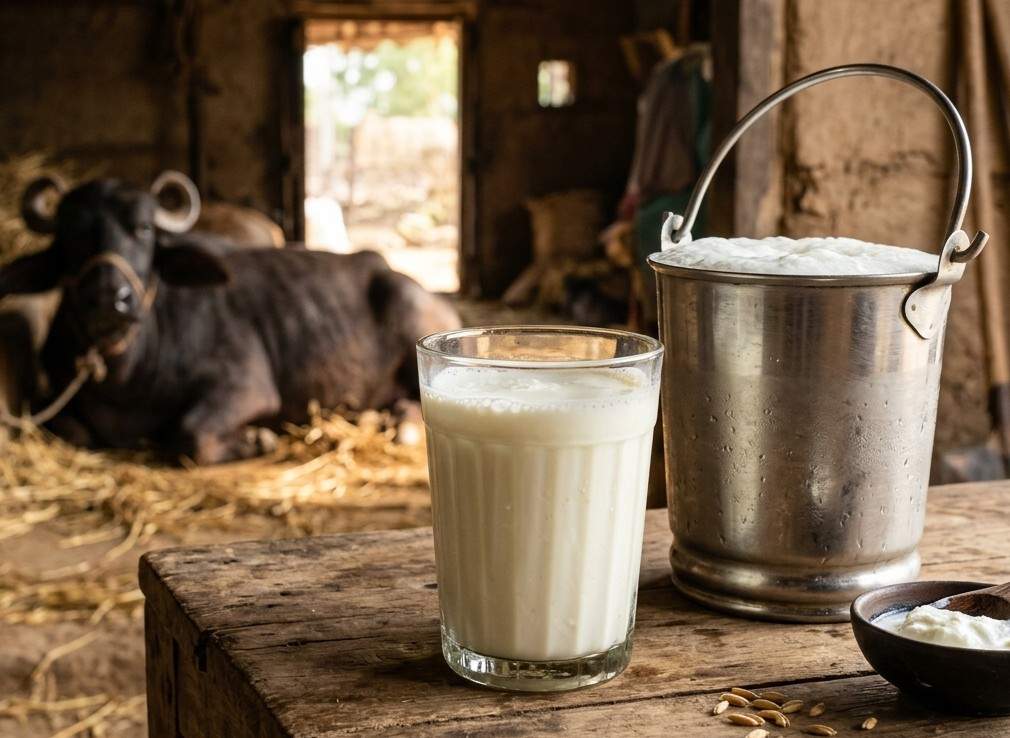
Buffalo milk has been a dietary staple in many parts of the world for centuries, particularly in South Asia, the Middle East, and parts of Europe. Known for its rich texture, creamy taste, and exceptional nutritional value, buffalo milk is often preferred over cow’s milk for making dairy products such as yogurt, butter, paneer, cheese, and traditional desserts. It is especially valued for its high protein, calcium, and healthy fat content, making it a nourishing choice for growing children, active adults, and older individuals.
This guide explores the nutritional profile of buffalo milk, its proven health benefits, potential drawbacks, practical uses, and tips for safe consumption.
What is Buffalo Milk?
Buffalo milk is the milk produced by domesticated water buffaloes (Bubalus bubalis). It is widely consumed in countries such as India, Pakistan, Nepal, Egypt, and Italy, where buffalo farming plays an important role in dairy production.
Unlike cow’s milk, buffalo milk contains a higher concentration of fat, protein, calcium, phosphorus, and several vitamins. These characteristics give it a naturally creamy texture and a bright white appearance because it contains very little carotene, which is converted into vitamin A.
Buffalo milk is commonly used to produce:
- Mozzarella cheese
- Paneer
- Yogurt (curd)
- Butter
- Ghee
- Ice cream
- Milk sweets
- Cream
- Condensed milk
Because of its rich nutritional composition, buffalo milk is often recommended for people with increased protein and energy requirements. However, its higher fat and calorie content also means portion control is important for individuals managing their weight or heart health.
Nutritional Facts of Buffalo Milk
The following values are approximate for 1 cup (244 ml) of whole buffalo milk.
| Nutrient | Amount |
|---|---|
| Calories | 237 kcal |
| Protein | 9.2 g |
| Total Fat | 16.8 g |
| Saturated Fat | 10.0 g |
| Carbohydrates | 11.7 g |
| Natural Sugars (Lactose) | 11.7 g |
| Calcium | 412 mg |
| Phosphorus | 337 mg |
| Potassium | 430 mg |
| Magnesium | 31 mg |
| Vitamin A | 381 IU |
| Vitamin B2 (Riboflavin) | 0.34 mg |
| Vitamin B12 | 1.2 mcg |
| Vitamin D | Small amounts |
| Cholesterol | 46 mg |
| Water | Approximately 82% |
Note: Nutrient values may vary depending on the buffalo breed, diet, season, and processing methods.
20 Science-Backed Benefits of Buffalo Milk
1. Rich Source of High-Quality Protein
Buffalo milk provides complete protein containing all essential amino acids, helping support muscle growth, tissue repair, and overall body maintenance.
2. Strengthens Bones and Teeth
Its high calcium and phosphorus content supports bone mineral density, reducing the risk of osteoporosis and maintaining strong teeth.
3. Supports Muscle Development
The abundant protein in buffalo milk helps athletes, physically active individuals, and growing children build and preserve lean muscle mass.
4. Promotes Healthy Weight Gain
Because buffalo milk is naturally higher in calories and healthy fats than cow’s milk, it can help individuals who need additional energy for healthy weight gain.
5. Boosts Immune Function
Buffalo milk contains vitamins, minerals, proteins, and bioactive compounds that contribute to normal immune system function.
6. Provides Long-Lasting Energy
Its combination of fats, proteins, and carbohydrates offers sustained energy release, making it an excellent beverage for active lifestyles.
7. Supports Heart Function When Consumed in Moderation
Potassium in buffalo milk helps maintain healthy blood pressure by balancing sodium levels, although its saturated fat content means moderation is important.
8. Helps Maintain Healthy Blood Pressure
Adequate potassium intake contributes to normal blood vessel function and supports healthy blood pressure levels.
9. Improves Bone Growth in Children
Children require calcium and protein for proper skeletal development, and buffalo milk supplies both in generous amounts.
10. Supports Healthy Pregnancy Nutrition
Protein, calcium, vitamin B12, and phosphorus contribute to maternal nutrition and fetal bone development when consumed as part of a balanced diet and under medical guidance.
11. Promotes Better Recovery After Exercise
The combination of complete protein and electrolytes supports muscle recovery and replenishes nutrients lost during physical activity.
12. Supports Brain and Nervous System Health
Vitamin B12 and healthy fats play important roles in nerve function, cognitive health, and red blood cell production.
13. Encourages Healthy Red Blood Cell Formation
Vitamin B12 helps produce healthy red blood cells and may reduce the risk of deficiency-related anemia in people with inadequate dietary intake.
14. Helps Maintain Healthy Skin
Protein, vitamin A, and healthy fats contribute to skin repair, hydration, and maintenance of healthy skin cells.
15. Supports Eye Health
Vitamin A found in buffalo milk contributes to normal vision and supports healthy eye tissues.
16. May Increase Satiety
Its higher protein and fat content can promote fullness, potentially reducing frequent snacking between meals.
17. Supports Healthy Hair
Adequate protein intake is essential for hair structure, while vitamins and minerals support healthy hair growth and maintenance.
18. Excellent for Dairy Product Preparation
Its high total solids produce creamier yogurt, richer cheese, smoother ice cream, and softer paneer with improved yield.
19. Helps Meet Daily Calcium Requirements
One serving provides a substantial portion of the recommended daily calcium intake, supporting lifelong bone health.
20. Nutrient-Dense Choice for Overall Health
Buffalo milk supplies an impressive combination of protein, calcium, phosphorus, potassium, vitamin A, riboflavin, and vitamin B12, making it one of the most nutrient-rich dairy beverages available.
10 Side Effects of Buffalo Milk
1. May Cause Digestive Discomfort
Buffalo milk contains lactose, which may cause bloating, gas, stomach cramps, or diarrhea in people with lactose intolerance.
2. High in Saturated Fat
Its higher saturated fat content may contribute to elevated LDL (“bad”) cholesterol levels if consumed excessively as part of an unhealthy diet.
3. Higher Calorie Intake
Buffalo milk is more calorie-dense than cow’s milk, so drinking large amounts may contribute to weight gain if calorie intake exceeds daily needs.
4. May Trigger Milk Allergy
Individuals with a milk protein allergy may experience allergic reactions such as hives, wheezing, vomiting, or swelling after consuming milk.
5. Not Suitable for Infants Under One Year
Whole buffalo milk should not replace breast milk or infant formula during the first year of life because it does not meet an infant’s nutritional requirements.
6. May Be Difficult to Digest for Some People
Its higher fat content can slow digestion, making it feel heavier than cow’s milk for some individuals.
7. Risk of Foodborne Illness if Unpasteurized
Raw buffalo milk may contain harmful bacteria such as Salmonella, E. coli, Listeria, and Campylobacter if it is not properly handled or pasteurized.
8. May Not Be Ideal for Certain Heart Conditions
People advised to limit saturated fat intake should consume buffalo milk in moderation and consult their healthcare provider.
9. Can Interfere with Certain Medical Diets
Individuals following low-fat, calorie-controlled, or kidney-specific diets may need to limit buffalo milk due to its fat, phosphorus, or potassium content.
10. Excessive Consumption May Affect Overall Diet Balance
Drinking large amounts of milk may reduce the intake of other nutrient-rich foods, leading to a less varied diet.
How to Use Buffalo Milk?
Buffalo milk is highly versatile and can be enjoyed in many ways.
- Drink it plain, warm or chilled.
- Add it to tea or coffee for a richer flavor.
- Make homemade yogurt or curd.
- Prepare paneer.
- Use it to make mozzarella cheese.
- Make butter and ghee.
- Blend it into smoothies and protein shakes.
- Prepare oatmeal or breakfast cereals.
- Use it in soups and creamy sauces.
- Make desserts such as pudding, kheer, custard, ice cream, and milk-based sweets.
- Add it to baking recipes for cakes, muffins, pancakes, and breads.
Other Uses of Buffalo Milk
Besides drinking, buffalo milk has numerous culinary and traditional uses.
1. Cheese Production
Its high protein and fat content make it ideal for producing mozzarella, ricotta, and other specialty cheeses.
2. Yogurt Making
Buffalo milk creates thick, creamy yogurt with a naturally rich texture.
3. Butter and Ghee
The higher butterfat content results in excellent-quality butter and aromatic ghee.
4. Traditional Desserts
Many traditional desserts such as kheer, rabri, kulfi, rasmalai, and condensed milk products are prepared using buffalo milk.
5. Homemade Skincare
Some people use milk in DIY face masks because its fats and proteins can temporarily moisturize the skin. Scientific evidence supporting cosmetic benefits remains limited.
6. Baking
Its creamy consistency improves the texture of baked goods.
How to Drink Buffalo Milk?
Buffalo milk can be enjoyed in several healthy ways.
- Drink it warm before bedtime.
- Serve it chilled as a refreshing beverage.
- Blend it with fruits to make smoothies.
- Add unsweetened cocoa powder for homemade chocolate milk.
- Mix it with oats for a filling breakfast.
- Flavor it with cinnamon, turmeric, cardamom, or saffron instead of adding excess sugar.
- Use it in protein shakes after exercise.
Whenever possible, choose pasteurized buffalo milk to reduce the risk of foodborne illness.
How Much Buffalo Milk Can You Drink a Day?
There is no universal recommendation specifically for buffalo milk. The right amount depends on age, activity level, calorie needs, and overall diet.
General guidance:
| Age Group | Suggested Intake |
|---|---|
| Children (2–8 years) | 1–2 cups (240–480 ml) per day as part of total dairy intake |
| Teenagers | 2–3 cups (480–720 ml) per day |
| Adults | About 1–2 cups (240–480 ml) per day |
| Athletes or people with higher energy needs | Intake may be higher based on individual nutritional requirements |
| Older adults | 1–2 cups daily, depending on dietary needs and medical advice |
People with heart disease, obesity, kidney disease, or digestive disorders should consult a healthcare professional regarding appropriate intake.
Tips for Consuming Buffalo Milk
- Choose pasteurized milk whenever available.
- Store milk properly under refrigeration.
- Consume it as part of a balanced diet.
- Avoid adding excessive sugar.
- Pair buffalo milk with whole grains, fruits, or nuts for a balanced meal.
- If you are new to milk, begin with small portions.
- Do not consume spoiled milk.
- Check expiration dates before use.
- Maintain proper hygiene when handling fresh milk.
- If you have lactose intolerance, discuss suitable dairy options with your healthcare provider.
Best Time to Drink Buffalo Milk
There is no single best time to drink buffalo milk, but different times may suit different goals.
Morning
Provides protein and energy to start the day.
After Exercise
Helps support muscle recovery due to its high-quality protein.
With Breakfast
Pairs well with cereals, oats, or smoothies for a nutrient-rich meal.
Before Bed
Some people enjoy warm buffalo milk in the evening because dairy protein provides a steady release of amino acids during sleep.
Choose the timing that best fits your routine and nutritional needs.
Who Should Drink Buffalo Milk?
Milk may be particularly beneficial for:
- Growing children (over one year of age)
- Teenagers
- Healthy adults
- Athletes and physically active individuals
- People needing additional calories for healthy weight gain
- Older adults seeking calcium and protein
- Individuals looking to increase protein intake
- People who enjoy rich, creamy dairy products
Who Should Not Drink Buffalo Milk?
Buffalo milk may not be suitable for:
- Infants younger than 12 months
- Individuals with a diagnosed milk protein allergy
- People with severe lactose intolerance
- Those advised to follow a low-saturated-fat diet
- Individuals with certain kidney disorders requiring restricted phosphorus or potassium intake
- Anyone with a medical condition requiring specific dietary modifications unless advised by a healthcare provider
How to Store Buffalo Milk?
Proper storage helps maintain freshness and food safety.
- Refrigerate Immediately: Keep buffalo milk refrigerated at 40°F (4°C) or below.
- Keep It Sealed: Store it in a clean, airtight container to minimize contamination and odor absorption.
- Avoid Temperature Fluctuations: Place milk toward the back of the refrigerator rather than in the door.
- Freeze if Needed: Milk can be frozen for longer storage, though the texture may change after thawing. Shake well before use.
- Do Not Leave at Room Temperature: Perishable milk should not remain unrefrigerated for more than two hours (or one hour if the ambient temperature is very hot).
- Check for Spoilage: Discard milk if it develops a sour smell, curdles unexpectedly, or shows signs of mold.
Precautions and Interactions
- Choose pasteurized buffalo milk to reduce the risk of foodborne illness.
- Consume it in moderation due to its higher calorie and saturated fat content.
- People with lactose intolerance should monitor symptoms and consider lactose-free alternatives if needed.
- Individuals with a milk allergy should avoid buffalo milk completely.
- If you have chronic kidney disease, consult your healthcare provider before consuming large amounts because of its mineral content.
- Discuss dairy intake with your healthcare provider if you have cardiovascular disease or high cholesterol.
- Milk may reduce the absorption of certain medications, such as some antibiotics and thyroid medications, if taken at the same time. Follow medication instructions and separate dairy intake when recommended.
Why Buffalo Milk Is More Nutritious Than Cow’s Milk?
Although both buffalo milk and cow’s milk are nutritious, buffalo milk generally contains:
- More protein
- More calcium
- Higher healthy fat content
- More phosphorus
- Greater total solids
- Richer, creamier texture
- Better yield for cheese and paneer production
These qualities make buffalo milk particularly suitable for individuals with higher energy and protein needs. However, because it is richer in fat and calories, people following calorie-restricted diets may prefer smaller portions or lower-fat dairy alternatives.
Conclusion
Buffalo milk is a nutrient-rich dairy product that provides high-quality protein, calcium, phosphorus, vitamin B12, and other essential nutrients. Its creamy texture and rich flavor make it a popular choice for drinking and for preparing yogurt, cheese, butter, ghee, and traditional desserts.
When consumed in moderation as part of a balanced diet, milk can support bone health, muscle maintenance, and overall nutrition. However, because it contains more calories and saturated fat than cow’s milk, portion control is important, especially for individuals with certain health conditions. Choosing pasteurized milk and storing it properly can help ensure both safety and quality.
FAQ’s
Is buffalo milk safe during breastfeeding?
Yes. Breastfeeding mothers can generally consume pasteurized milk unless advised otherwise by their healthcare provider.
Can older adults drink buffalo milk?
Yes. Older adults may benefit from its protein and calcium content, but portion sizes should suit their overall health needs.
Is buffalo milk lactose-free?
No. milk naturally contains lactose and is not suitable for people with lactose intolerance unless tolerated in small amounts.
Can people with lactose intolerance drink buffalo milk?
Some people with mild lactose intolerance may tolerate small amounts, but those with significant symptoms should avoid it or seek medical advice.
Is buffalo milk suitable for people with a milk allergy?
No. People with a milk protein allergy should avoid milk because it contains similar milk proteins to cow’s milk.
Does buffalo milk contain cholesterol?
Yes. milk naturally contains cholesterol along with saturated fat.
Is buffalo milk good for the heart?
In moderation, milk can be part of a healthy diet, but people with heart disease or high cholesterol should consult their healthcare provider due to its saturated fat content.
Which is easier to digest, buffalo milk or cow’s milk?
Many people find cow’s milk easier to digest because buffalo milk contains more fat and total solids.
Is buffalo milk good for bodybuilding?
Yes. Its high-quality protein supports muscle growth and post-workout recovery.
Can diabetics drink buffalo milk?
Yes. People with diabetes can usually consume unsweetened milk in moderation as part of their meal plan, but they should follow their healthcare provider’s advice.
Is buffalo milk good for skin?
Milk provides vitamins, protein, and healthy fats that support overall skin health as part of a balanced diet.
Does buffalo milk improve hair health?
Its protein and essential nutrients help support healthy hair growth and maintenance.
Can buffalo milk help boost immunity?
Milk contains protein, vitamins, and minerals that contribute to normal immune function.
Can buffalo milk be consumed raw?
It is not recommended. Choose pasteurized milk to reduce the risk of foodborne illness.
How long does buffalo milk last in the refrigerator?
Pasteurized milk generally lasts until its expiration date if refrigerated properly. Once opened, it is best consumed within 3–5 days.
Can buffalo milk be frozen?
Yes. milk can be frozen for longer storage, although the texture may change slightly after thawing.
What foods pair well with buffalo milk?
Milk pairs well with oats, whole-grain cereals, fruits, nuts, seeds, smoothies, tea, coffee, and healthy homemade desserts.
Is buffalo milk high in protein?
Yes. milk provides high-quality complete protein that supports muscle growth and tissue repair.
Which has more calcium, buffalo milk or cow’s milk?
Buffalo milk generally contains more calcium than cow’s milk.
Is buffalo milk good for bones?
Yes. Its high calcium and phosphorus content helps maintain strong bones and teeth.
Can children drink buffalo milk?
Yes. Children over one year of age can drink pasteurized milk as part of a balanced diet.
Can pregnant women drink buffalo milk?
Yes. Pasteurized milk can be consumed during pregnancy if recommended by a healthcare provider and included in a balanced diet.
Is buffalo milk healthier than cow’s milk?
Buffalo milk contains more protein, calcium, fat, and calories than cow’s milk, making it more nutrient-dense. The healthier choice depends on your nutritional needs and health goals.
Can I drink buffalo milk every day?
Yes, healthy adults can drink milk daily in moderation as part of a balanced diet.
Is buffalo milk good for weight gain?
Yes. Because it is higher in calories and healthy fats than cow’s milk, milk can support healthy weight gain when consumed alongside a nutritious diet.
Is buffalo milk good for weight loss?
Milk can fit into a weight-loss diet if consumed in controlled portions, but its higher calorie and fat content should be considered.
How long does it take for Buffalo Milk to work?
Milk provides nutrition immediately, but noticeable health benefits develop with regular consumption over weeks or months.
What is Buffalo Milk good for?
Milk supports bone health, muscle growth, immunity, and overall nutrition. It is rich in protein, calcium, and healthy fats.
What does Buffalo Milk taste like?
Milk has a rich, creamy, and slightly sweet taste with a thicker texture than cow’s milk.
Is buffalo milk good for health?
Yes. milk is rich in protein, calcium, and essential nutrients that support overall health when consumed in moderation.
Can I drink 500 ml of buffalo milk every day?
Yes. Most healthy adults can drink 500 ml (2 cups) daily as part of a balanced diet, unless advised otherwise by a healthcare provider.
What is the cost of 1 litre of buffalo milk?
The price varies by location. In India, it typically costs ₹70–₹120 per litre.
Is buffalo milk A2 or A1?
Buffalo milk naturally contains A2 beta-casein protein, making it an A2 milk.
Sources / References:
- U.S. Department of Agriculture (USDA) – FoodData Central
- World Health Organization (WHO) – Healthy Diet
- Food and Agriculture Organization (FAO) – Milk and Dairy Products
- National Institutes of Health (NIH) – Office of Dietary Supplements (Calcium)
- Academy of Nutrition and Dietetics
- Peer-reviewed research published in journals such as Nutrients, Frontiers in Nutrition, Journal of Dairy Science, and International Dairy Journal.
About the Author:
Written by: Kirti Solanki (Health Content Researcher)
Kirti Solanki is a Health Content Researcher who specializes in creating evidence-based, reader-friendly articles on nutrition, wellness, and healthy living. Her content is developed using information from reputable health organizations and peer-reviewed scientific research to help readers make informed lifestyle and dietary decisions.
Disclaimer:
This guide is for educational and informational purposes only and should not be considered medical advice. Always consult a qualified healthcare professional before making significant dietary or lifestyle changes, especially if you have a medical condition, are pregnant or breastfeeding, or take prescription medications.
Also Read: