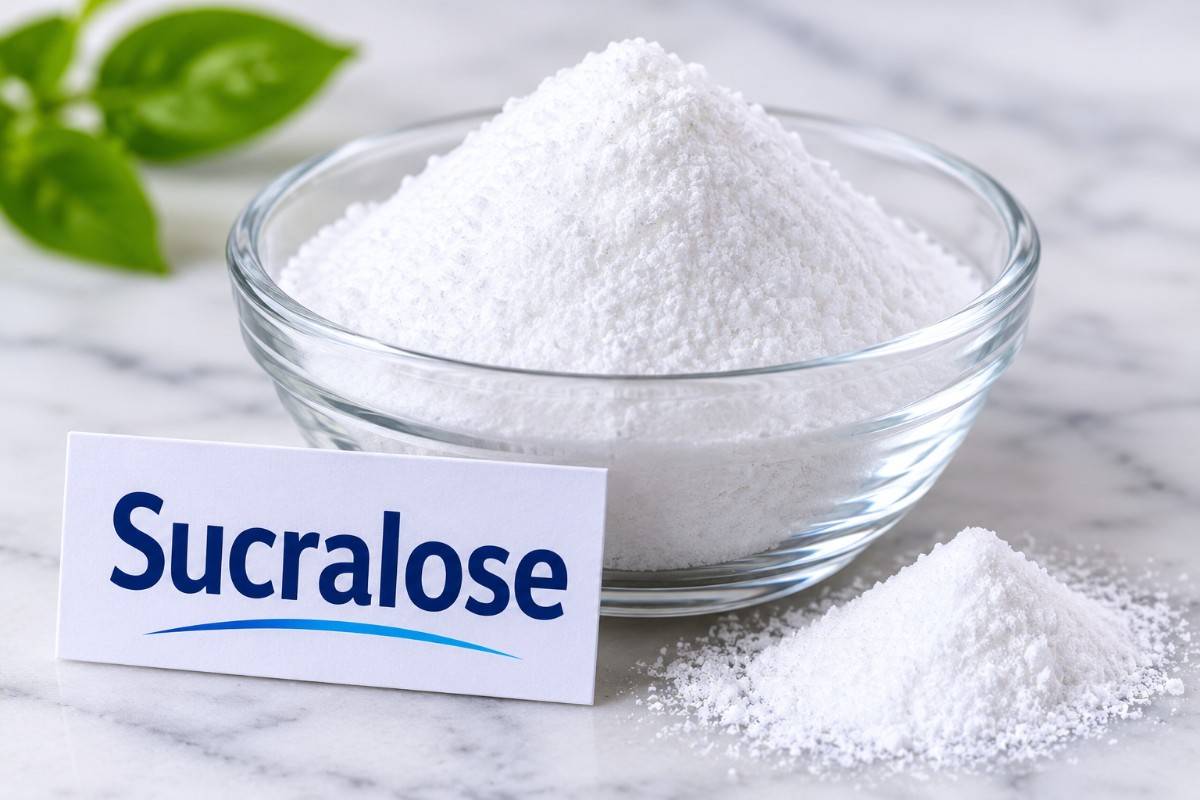
Sucralose is a popular artificial sweetener used in sugar-free drinks, low-calorie desserts, protein products, and many other foods. It provides a sweet taste without adding significant calories, making it a common choice for people who want to reduce their sugar intake.
However, many people have questions about sucralose. Is it safe to consume every day? Does it affect blood sugar levels? Can it cause digestive problems? Is it better than regular sugar?
This guide explains what sucralose is, how it works, its potential benefits, possible side effects, and how to use it responsibly.
What Is Sucralose?
Sucralose is a non-nutritive artificial sweetener made from sugar through a chemical process that changes its structure. Although it is derived from sucrose, the body handles it differently from ordinary sugar.
It is approximately 600 times sweeter than table sugar, so only a very small amount is needed to provide a sweet taste.
Sucralose is commonly sold under the brand name Splenda. It is also used in many packaged foods and beverages.
Unlike sugar, sucralose provides almost no calories in the tiny amounts used to sweeten foods. It is often classified as a high-intensity or non-nutritive sweetener.
How Is Sucralose Made?
Sucralose is produced by modifying the chemical structure of sucrose. During manufacturing, three hydroxyl groups in the sugar molecule are replaced with chlorine atoms.
This change gives sucralose its intense sweetness and affects how the body absorbs and metabolizes it.
Most of the sucralose consumed passes through the digestive system without being metabolized. A smaller amount is absorbed and later eliminated.
Common Uses of Sucralose
Sucralose is used in many foods and beverages, including:
- Sugar-free soft drinks and flavored water
- Low-calorie desserts and puddings
- Sugar-free chewing gum
- Yogurt and dairy-based products
- Protein shakes and nutrition drinks
- Sugar-free syrups and sauces
- Packaged snacks and baked goods
- Tabletop sweetener packets
It is also used in some medications and oral-care products to improve taste.
10 Potential Benefits of Sucralose
Sucralose can be useful when you want to reduce added sugar in your diet. Its benefits depend on what it replaces and how much you consume.
1. May Help Reduce Sugar Intake
Replacing some added sugar with sucralose can lower the amount of sugar you consume from sweetened drinks and foods.
For example, replacing a sugar-sweetened drink with a sucralose-sweetened version may reduce your daily added sugar intake.
2. Provides Very Few Calories
Sucralose is used in such small amounts that it contributes almost no calories. This can help reduce calorie intake when it replaces sugar in your diet.
3. Does Not Add Sugar to Foods
Pure sucralose contains no sugar. It can sweeten foods without adding the same amount of sugar found in regular sweeteners.
4. May Help Reduce Added Sugar in Drinks
People who enjoy sweet tea, coffee, or flavored beverages may use sucralose to reduce the amount of sugar added to these drinks.
5. Can Be Useful for People Managing Blood Sugar
Sucralose does not provide glucose in the same way that table sugar does. Replacing sugar with sucralose may help reduce the carbohydrate content of certain foods and drinks.
However, products containing sucralose may still have carbohydrates from other ingredients.
6. Offers a Sweet Taste Without Regular Sugar
Sucralose provides a strong sweet taste, so a small amount can sweeten a beverage or food.
7. Can Be Used in Many Food Products
Sucralose is used in beverages, dairy products, desserts, and other packaged foods. This gives consumers several options when reducing added sugar.
8. Has a Long Shelf Life in Many Products
Sucralose remains stable in many food formulations and storage conditions. This makes it suitable for various packaged products.
9. May Help With Short-Term Calorie Reduction
When sucralose replaces sugar, it can lower the calorie content of a food or drink. This may support calorie reduction as part of an overall eating plan.
10. Can Help Make Reduced-Sugar Foods More Enjoyable
Some people find it easier to choose reduced-sugar products when they still have a sweet taste. Sucralose can help manufacturers create these products.
Important: These potential benefits mainly relate to replacing sugar. Sucralose itself does not provide vitamins, minerals, fiber, or other essential nutrients.
Is Sucralose Safe?
Sucralose is considered safe for use within approved levels by major food safety authorities. The FDA has reviewed extensive safety data and permits sucralose in food under specified conditions.
The European Food Safety Authority (EFSA) also concluded in February 2026 that sucralose remains safe for its currently authorized uses in the European Union.
However, safety assessments and acceptable daily intake limits differ between authorities. These limits are not recommended targets for daily consumption.
Sucralose Acceptable Daily Intake (ADI)
An acceptable daily intake is the amount of a food additive that can be consumed every day over a lifetime without appreciable health risk, based on scientific assessment.
| Authority | Sucralose ADI |
|---|---|
| U.S. FDA | 5 mg per kg of body weight per day |
| EFSA, European Union | 15 mg per kg of body weight per day |
For example, for a person weighing 60 kg (132 lb), the FDA’s ADI is 300 mg per day. EFSA’s ADI is 900 mg per day.
These figures are safety limits, not amounts you need to consume. The FDA estimates that a 60 kg adult would need about 23 packets of a typical sucralose tabletop sweetener in a day to reach its ADI, based on its packet assumptions.
10 Possible Risks and Side Effects of Sucralose
Some people may experience discomfort, and researchers continue to study its effects on the body.
1. Digestive Discomfort
Some people report bloating, gas, or stomach discomfort after consuming products containing artificial sweeteners. These symptoms may also be caused by other ingredients in the product.
2. Changes in Gut Bacteria
Research has examined whether sucralose affects the gut microbiome. Some studies suggest that it may influence gut bacteria, but findings are inconsistent.
More human research is needed to understand whether these changes have meaningful health effects.
3. Possible Effects on Blood Sugar Response
Sucralose generally does not raise blood glucose like regular sugar. However, research on its effects on insulin response and glucose metabolism has produced mixed results.
Individual responses may vary, and the overall diet also matters.
4. Headaches in Some People
Some people report headaches after consuming artificial sweeteners. However, there is not strong evidence that sucralose commonly causes headaches.
If you notice a repeated pattern, consider reducing your intake and discussing it with a healthcare professional.
5. May Maintain a Preference for Sweet Foods
Frequently consuming very sweet foods and drinks may make less-sweet foods seem less appealing to some people.
This is one reason nutrition experts encourage gradually reducing the overall sweetness of the diet.
6. Concerns About Long-Term Use
Researchers continue to investigate the long-term effects of non-nutritive sweeteners. Current evidence does not establish that normal sucralose consumption causes major health problems in humans, but long-term dietary patterns remain important.
7. Possible Effects on Appetite
Some studies have investigated whether artificially sweetened foods affect hunger or food cravings. Results are mixed, and sucralose does not reliably suppress appetite.
8. Potential Problems With Certain Food Products
Sucralose is often found in processed foods that may contain large amounts of sodium, saturated fat, or refined carbohydrates.
The overall nutritional quality of the product matters more than the presence of sucralose alone.
9. Concerns About High-Temperature Cooking
Sucralose is used in some baking products, but its behavior can change under prolonged high-temperature conditions.
In its 2026 review, the European Food Safety Authority identified uncertainty about the formation of certain compounds during high-temperature baking. This does not mean ordinary consumption has been shown to cause harm, but it supports following product instructions and avoiding excessive heating of sweeteners.
10. May Not Suit Everyone
Some people prefer to avoid artificial sweeteners because of personal taste, digestive sensitivity, or dietary preferences.
If a product containing sucralose consistently causes discomfort, choose another sweetener or an unsweetened option.
Does Sucralose Cause Cancer?
Current human evidence does not establish that sucralose causes cancer.
The U.S. National Cancer Institute reports that studies have not found evidence that sucralose causes cancer in humans. Regulatory agencies have also reviewed studies on its potential toxic effects.
Research continues, and no single study can answer every question about long-term health. Based on current evidence, normal use within approved limits is not considered a demonstrated cancer risk.
Does Sucralose Raise Blood Sugar?
Pure sucralose does not raise blood sugar in the same way as regular sugar because the body does not metabolize it as a carbohydrate source.
However, a product containing sucralose may include other ingredients that affect blood glucose, such as maltodextrin, dextrose, flour, or milk.
If you have diabetes, check the total carbohydrate content on the nutrition label rather than relying only on the words “sugar-free.”
Sucralose vs. Sugar
| Feature | Sucralose | Regular sugar |
|---|---|---|
| Sweetness | About 600 times sweeter | Standard sweetness |
| Calories | Negligible in pure form | About 4 calories per gram |
| Added sugar | No | Yes |
| Blood glucose | Usually little direct effect | Raises blood glucose |
| Dental impact | Does not feed cavity-causing bacteria like sugar | Can contribute to tooth decay |
| Nutritional value | No essential nutrients | Provides energy, but no essential nutrients in refined form |
Sucralose can help reduce added sugar, but it is not necessary for a healthy diet. Unsweetened foods and drinks are also good choices.
Sucralose vs. Stevia
Sucralose and stevia are both high-intensity sweeteners, but they come from different sources.
| Feature | Sucralose | Stevia |
|---|---|---|
| Source | Modified sugar molecule | Sweet compounds from stevia plant |
| Calories | Negligible | Negligible |
| Sweetness | About 600 times sugar | Varies by stevia extract |
| Taste | Often similar to sugar | May have a bitter or licorice-like aftertaste |
| Common use | Drinks, desserts, packaged foods | Drinks, tabletop sweeteners, foods |
Neither sweetener is essential for good health. The best choice depends on your taste, dietary needs, and how much you use.
Who Should Use Sucralose?
Sucralose may be useful for:
- Adults who want to reduce added sugar.
- People who prefer low-calorie sweetened beverages.
- People who want to replace some sugar in tea or coffee.
- Individuals who are reducing sugary drinks as part of a balanced eating plan.
People with diabetes should check the complete nutrition label because some sweetener products contain additional carbohydrates.
Who Should Avoid or Limit Sucralose?
You may want to limit or avoid sucralose if:
- You experience digestive discomfort after consuming it.
- You prefer to avoid artificial sweeteners.
- You consume many sweetened products throughout the day.
- You want to reduce your preference for very sweet foods.
- You are using it in foods that require prolonged, high-temperature cooking.
There is no need to consume sucralose if you do not enjoy it or do not need a sugar substitute.
How Much Sucralose Can You Consume Per Day?
The FDA’s acceptable daily intake is 5 mg per kilogram of body weight per day.
| Body weight | FDA ADI |
|---|---|
| 40 kg | 200 mg |
| 50 kg | 250 mg |
| 60 kg | 300 mg |
| 70 kg | 350 mg |
| 80 kg | 400 mg |
| 90 kg | 450 mg |
These amounts represent the FDA’s lifetime daily safety limit, not a recommended intake.
You generally do not need to calculate sucralose intake unless you consume large amounts of products containing it. Follow product serving instructions and aim to reduce your overall intake of very sweet foods and drinks.
Tips for Using Sucralose
- Read the label: Check whether the product contains pure sucralose or a blend with other ingredients.
- Use small amounts: Start with a small quantity because sucralose is much sweeter than sugar.
- Reduce sweetness gradually: Try using less sweetener over time.
- Check carbohydrate content: This is particularly important if you manage blood sugar levels.
- Avoid excessive heating: Follow the manufacturer’s instructions for baking and cooking.
- Choose balanced foods: Sweetened products should not replace fruits, vegetables, whole grains, or other nutrient-rich foods.
New and Lesser-Known Facts About Sucralose
You can add this section to your article to make it more informative and different from standard sucralose blogs.
1. Sucralose Research in Indian Adults With Diabetes
A 2025 study examined what happened when Asian Indian adults replaced the sugar they added to tea and coffee with sucralose for 12 weeks.
Researchers found changes in gut microbiome composition among participants with type 2 diabetes. Similar changes were not observed in the group with overweight or obesity but without diabetes.
This is an interesting finding because it suggests that the effects of replacing sugar with sucralose may differ depending on a person’s metabolic health. The study did not establish whether these microbiome changes were harmful or beneficial. (PubMed)
2. Sucralose May Behave Differently During Baking
Sucralose is commonly used in sugar-free desserts, but its behavior can change when exposed to high temperatures.
In its 2026 assessment, EFSA reviewed studies showing that sucralose may break down during certain baking conditions. Some experiments detected unwanted compounds in cookies baked at high temperatures.
EFSA concluded that more information was needed to assess the safety of extending sucralose use to certain fine bakery products. This is a useful distinction for your readers: sucralose’s safety in currently authorized uses does not automatically answer every question about every cooking method.
3. New Research Examines Sucralose and Gut Bacteria Together
A 2026 systematic review and meta-analysis examined randomized controlled trials on sucralose and gut microbiota.
The researchers found no statistically significant overall changes in gut bacterial diversity, fasting blood glucose, or insulin resistance in the short-term trials they analyzed.
This is important because individual studies have reported microbiome changes, while the combined evidence did not show a consistent overall effect. The researchers emphasized the need for longer and better-standardized studies.
4. Sucralose Is Not Completely Inert in Laboratory Experiments
A 2026 laboratory study examined sucralose’s effects on intestinal bacteria and intestinal cells.
Researchers observed concentration-dependent effects on certain bacteria and on the metabolic activity of cultured intestinal cells. However, laboratory concentrations and cell models do not directly represent the effects of normal dietary consumption in humans.
This research helps scientists understand possible biological mechanisms, but it cannot establish that eating sucralose damages the human intestine.
FAQ’s
What is sucralose used for?
Sucralose is used to sweeten sugar-free drinks, desserts, chewing gum, yogurt, and other low-calorie foods.
Is sucralose better than sugar?
Sucralose can help reduce added sugar and calories when it replaces regular sugar. However, it does not provide essential nutrients.
Does sucralose cause weight gain?
Sucralose has almost no calories in the amounts used. However, consuming it does not automatically lead to weight loss or prevent weight gain.
Is sucralose safe for people with diabetes?
Sucralose is commonly used as a sugar substitute by people with diabetes. Check the total carbohydrate content of the product and follow your healthcare professional’s dietary advice.
Is sucralose the same as Splenda?
Sucralose is the sweetening ingredient in many Splenda products. Some products also contain fillers or other ingredients.
Can sucralose be used in cooking?
Sucralose is used in some cooking and baking products. However, recent European assessments have raised questions about its use during prolonged high-temperature cooking. Follow product instructions and consider adding it after cooking.
Is sucralose natural or artificial?
Sucralose is an artificial sweetener made by modifying the structure of sucrose, or table sugar.
Is sucralose healthy or unhealthy?
Sucralose is considered safe within approved intake limits. Its health impact depends on how much you consume and what foods it replaces.
Which is safer, sucralose or stevia?
Both sucralose and purified stevia sweeteners are considered safe within approved limits. Neither has been proven universally safer than the other.
What organ does sucralose affect?
Sucralose is mainly processed through the digestive system. Most consumed sucralose passes through the body, while a smaller amount is absorbed and eliminated, primarily through urine. Current evidence does not show that normal intake damages a specific organ.
Why are people avoiding sucralose?
Some people avoid sucralose because of concerns about gut bacteria, blood sugar response, possible side effects, or artificial ingredients. Research is ongoing, and current evidence does not establish that normal consumption causes major health problems.
Can I consume sucralose every day?
Yes, sucralose can be consumed daily within approved limits. The FDA’s acceptable daily intake is 5 mg per kilogram of body weight per day. This is a safety limit, not a recommended target.
Is sucralose safe for kidneys?
Sucralose is generally considered safe for kidney health when consumed within approved limits. Most of the absorbed amount is eliminated through urine. People with kidney disease should discuss their overall diet and sweetener use with their healthcare professional.
Sources / References:
Disclaimer:
This article is for informational purposes only and is not a substitute for professional medical advice. Consult a qualified healthcare professional for personal dietary or medical concerns.
Also Read: