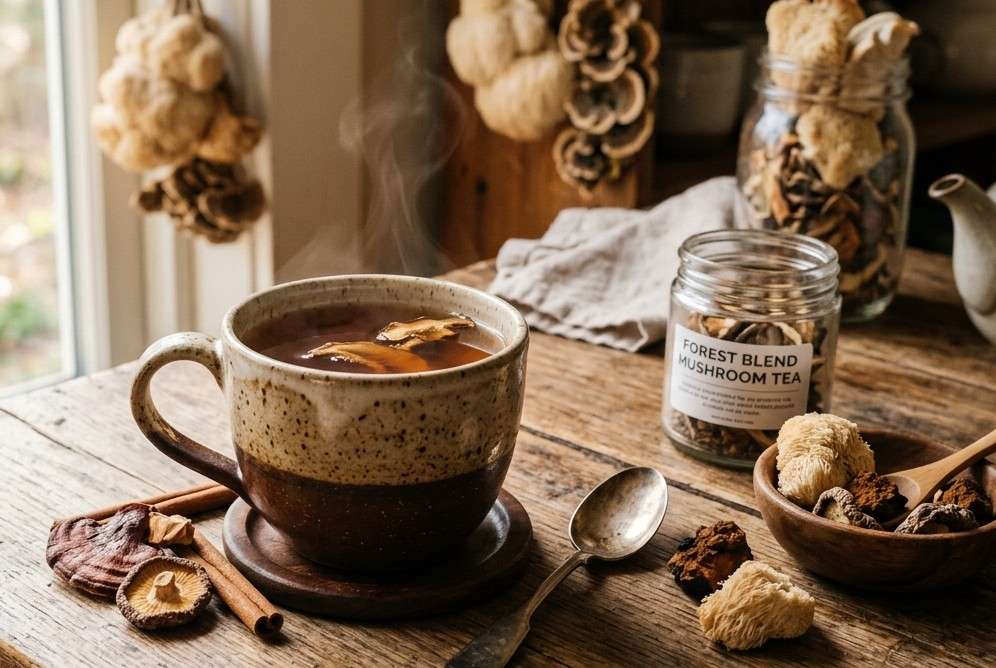
Mushroom tea has become increasingly popular among health-conscious people looking for a natural way to support immunity, energy, focus, and overall wellness. Made by steeping medicinal mushrooms in hot water, this earthy beverage has been used in traditional healing systems for centuries, especially in Asian cultures. Today, mushroom tea is enjoyed worldwide for its potential health benefits and calming effects.
Depending on the type of mushroom used, mushrooms tea may help improve cognitive function, reduce stress, support heart health, strengthen the immune system, and provide antioxidant protection. Common mushrooms used for tea include reishi, lion’s mane, chaga, cordyceps, turkey tail, and shiitake. In this guide, you will learn everything about mushroom tea, including its nutrition profile, science-backed health benefits, side effects, preparation methods, usage tips, precautions, and more.
What is Mushroom Tea?
Mushroom tea is a herbal beverage prepared by steeping medicinal or edible mushrooms in hot water. The mushrooms may be used fresh, dried, powdered, or in extract form. Unlike psychedelic mushroom tea, wellness mushroom tea is usually made from non-psychoactive medicinal mushrooms known for their therapeutic properties.
Medicinal mushroom tea has been consumed for thousands of years in traditional Chinese medicine and other holistic healing practices. Each mushroom offers unique compounds such as beta-glucans, polysaccharides, antioxidants, triterpenes, and adaptogens that may support different aspects of health.
Popular mushrooms used in tea include:
- Reishi mushroom
- Lion’s mane mushroom
- Chaga mushroom
- Cordyceps mushroom
- Turkey tail mushroom
- Maitake mushroom
- Shiitake mushroom
The flavor of mushroom tea is often earthy, woody, slightly bitter, or nutty. Many people add honey, cinnamon, ginger, or lemon to improve taste.
Nutritional Facts of Mushroom Tea
The nutritional value of mushroom tea depends on the mushroom variety and preparation method. Unsweetened mushroom tea is generally low in calories and rich in beneficial bioactive compounds.
| Nutrient | Approximate Amount Per Cup |
|---|---|
| Calories | 5–20 |
| Carbohydrates | 1–4 g |
| Protein | 0.5–2 g |
| Fat | 0–1 g |
| Fiber | 0.5–2 g |
| Beta-Glucans | Moderate |
| Antioxidants | High |
| Potassium | Small amounts |
| Selenium | Trace amounts |
| Copper | Trace amounts |
| Polyphenols | Moderate |
| Adaptogenic Compounds | Present in some mushrooms |
20 Proven Benefits of Mushroom Tea
1. Immune System Support: Mushrooms tea contains beta-glucans and polysaccharides that may help strengthen immune defenses and support healthy immune function.
2. Rich in Antioxidants: Mushroom tea provides antioxidants that help combat oxidative stress and reduce cellular damage caused by free radicals.
3. May Improve Brain Function: Lion’s mane mushrooms tea may support memory, focus, and cognitive performance by stimulating nerve growth factor production.
4. Supports Stress Reduction: Adaptogenic mushrooms like reishi may help the body adapt to stress and promote relaxation.
5. May Improve Sleep Quality: Reishi mushroom tea is traditionally used to support restful sleep and calm the nervous system.
6. Supports Heart Health: Some medicinal mushrooms may help maintain healthy cholesterol levels and support cardiovascular function.
7. May Boost Energy Levels: Cordyceps mushrooms tea may improve stamina, endurance, and natural energy production.
8. Supports Healthy Blood Sugar Levels: Certain mushroom compounds may assist in maintaining balanced blood glucose levels.
9. May Reduce Inflammation: Mushroom tea contains anti-inflammatory compounds that may help reduce chronic inflammation in the body.
10. Supports Gut Health: Mushroom polysaccharides may act as prebiotics that nourish beneficial gut bacteria.
11. May Enhance Athletic Performance: Cordyceps mushrooms may improve oxygen utilization and exercise performance.
12. Supports Liver Health: Chaga and reishi mushrooms may help protect liver cells from oxidative damage.
13. May Promote Healthy Aging: Antioxidants in mushroom tea may help slow age-related cellular damage.
14. Supports Mental Clarity: Some medicinal mushrooms may improve concentration, alertness, and mental sharpness.
15. May Support Respiratory Health: Traditional herbal practices often use mushrooms tea to support lung and respiratory wellness.
16. Supports Healthy Skin: Antioxidants and anti-inflammatory compounds in mushroom tea may help maintain healthy-looking skin.
17. May Help Manage Fatigue: Adaptogenic mushrooms may reduce feelings of tiredness and support daily energy levels.
18. Supports Immune Recovery: Turkey tail mushrooms tea may help support recovery during periods of immune stress.
19. May Support Mood Balance: Certain mushroom compounds may positively influence mood and emotional well-being.
20. Supports Overall Wellness: Regular moderate consumption of mushrooms tea may contribute to general health and vitality.
10 Side Effects of Mushroom Tea
1. Digestive Discomfort: Some people may experience bloating, nausea, gas, or stomach upset after drinking mushroom tea.
2. Allergic Reactions: Individuals allergic to mushrooms may develop itching, rashes, swelling, or breathing difficulties.
3. Dizziness: Certain medicinal mushrooms may occasionally cause dizziness or lightheadedness in sensitive individuals.
4. Dry Mouth: Some mushroom teas may contribute to temporary dry mouth symptoms.
5. Low Blood Pressure: Reishi mushrooms tea may lower blood pressure in some individuals.
6. Blood Sugar Reduction: Mushroom tea may enhance blood sugar-lowering effects when combined with diabetes medications.
7. Headaches: Excessive intake may trigger headaches in sensitive users.
8. Medication Interactions: Mushrooms tea may interact with blood thinners, immunosuppressants, or diabetes medications.
9. Sleepiness: Reishi mushrooms tea may cause drowsiness if consumed in large amounts.
10. Possible Liver Issues in Excessive Use: Very high intake of concentrated mushroom extracts may stress the liver in rare cases.
How to Make Mushroom Tea?
Basic Mushroom Tea Recipe
Ingredients:
- 1–2 teaspoons mushroom powder or dried mushroom slices
- 2 cups water
- Honey or lemon (optional)
- Ginger or cinnamon (optional)
Instructions:
- Bring water to a gentle boil.
- Add mushroom powder or dried mushrooms.
- Reduce heat and simmer for 15–30 minutes.
- Strain the tea if using whole mushrooms.
- Add optional flavorings like honey, lemon, or ginger.
- Serve warm.
Different Types of Mushroom Tea
1. Reishi Mushroom Tea
Known for relaxation, stress support, and immune benefits.
2. Lion’s Mane Mushroom Tea
Popular for brain health, memory, and concentration support.
3. Chaga Mushroom Tea
Rich in antioxidants and often used for immune and skin support.
4. Cordyceps Mushroom Tea
Commonly consumed for energy and physical performance.
5. Turkey Tail Mushroom Tea
Traditionally used to support immune health and gut wellness.
Other Uses of Mushroom Tea
1. Smoothie Ingredient: Mushrooms tea can be blended into smoothies for added nutritional support.
2. Soup Base: Mushroom tea may be used as a flavorful broth for soups and stews.
3. Coffee Alternative: Some people drink mushrooms tea instead of coffee for gentler energy support.
4. Cooking Liquid: Mushroom tea can be used to cook rice, noodles, or grains for extra flavor.
5. Herbal Tonics: Mushrooms tea may be combined with herbs like ginger or turmeric in wellness tonics.
6. Relaxation Beverage: Reishi tea is commonly consumed before bedtime for relaxation.
7. Workout Support Drink: Cordyceps mushroom tea is often used before exercise sessions.
8. Wellness Shots: Concentrated mushrooms tea may be consumed in small wellness shot portions.
9. Detox Routines: Some wellness routines include mushroom tea as part of cleansing practices.
10. Functional Beverage Blends: Mushrooms tea is frequently added to adaptogenic drink recipes.
How Much Mushroom Tea Can You Drink a Day?
Moderate intake is generally considered safest for most healthy adults. The ideal amount depends on the mushroom type, concentration, and individual tolerance.
General Guidelines:
- 1–2 cups daily is commonly consumed.
- Beginners should start with smaller amounts.
- Strong extracts may require lower doses.
- Follow label directions for commercial mushrooms tea products.
Drinking excessive amounts may increase the risk of digestive discomfort, dizziness, or interactions with medications.
Tips for Consuming Mushroom Tea
1. Start Slowly: Begin with small servings to observe how your body reacts.
2. Choose Quality Products: Use organic, reputable mushroom products whenever possible.
3. Drink Consistently: Regular moderate intake may provide better long-term benefits.
4. Add Natural Flavorings: Honey, cinnamon, ginger, or lemon can improve taste.
5. Avoid Excess Sugar: Keeping mushrooms tea low in added sugar helps maintain its health benefits.
6. Use Proper Brewing Time: Simmering for sufficient time helps extract beneficial compounds.
7. Stay Hydrated: Drink enough water alongside herbal beverages.
8. Store Properly: Keep mushroom powders and dried mushrooms in cool, dry containers.
9. Read Labels Carefully: Some commercial mushroom teas contain caffeine or additives.
10. Monitor Reactions: Stop use if you notice allergic or adverse symptoms.
Best Time to Drink Mushroom Tea
The best time depends on the type of mushroom and desired effects.
Morning
Cordyceps and lion’s mane mushrooms tea may help support energy, focus, and productivity during the day.
Afternoon
Mushroom tea may serve as a healthy afternoon beverage for sustained energy without excessive caffeine.
Evening
Reishi mushroom tea is often preferred in the evening because of its calming and relaxation-supporting properties.
Before Workouts
Cordyceps mushrooms tea may support endurance and physical performance when consumed before exercise.
Who Should Drink Mushroom Tea?
1. Busy Professionals: Mushrooms tea may support focus, mental clarity, and stress management.
2. Students: Lion’s mane mushrooms tea may help support concentration and memory.
3. Athletes: Cordyceps mushrooms tea may assist with endurance and recovery.
4. Older Adults: Antioxidants in mushrooms tea may support healthy aging and cognitive wellness.
5. People Seeking Immune Support: Mushrooms tea may help strengthen immune defenses.
6. Individuals Looking for Coffee Alternatives: Mushroom tea may provide gentler energy support.
7. Wellness Enthusiasts: Functional mushrooms tea fits well into holistic wellness routines.
8. People Managing Stress: Adaptogenic mushrooms may support stress resilience and relaxation.
9. Individuals Interested in Herbal Remedies: Mushrooms tea offers a traditional herbal wellness option.
10. Health-Conscious Consumers: Mushrooms tea may support overall daily wellness habits.
Who Should Not Drink Mushroom Tea?
1. People with Mushroom Allergies: Mushrooms tea may trigger allergic reactions in sensitive individuals.
2. Pregnant Women Without Medical Advice: Safety data during pregnancy is limited for many medicinal mushrooms.
3. Breastfeeding Mothers Without Guidance: Some mushroom compounds may not be well studied during breastfeeding.
4. Individuals Taking Blood Thinners: Certain mushrooms may increase bleeding risk when combined with anticoagulants.
5. People with Low Blood Pressure: Reishi mushrooms tea may further reduce blood pressure levels.
6. Individuals on Diabetes Medications: Mushroom tea may affect blood sugar regulation.
7. Organ Transplant Recipients: Immune-stimulating mushrooms may interfere with immunosuppressive therapy.
8. People with Autoimmune Conditions: Some medicinal mushrooms may overstimulate immune activity.
9. Individuals with Severe Digestive Disorders: Mushrooms tea may worsen digestive discomfort in sensitive people.
10. Children Without Medical Guidance: Medicinal mushroom products may not always be suitable for young children.
Precautions and Interactions
Although mushroom tea is generally considered safe in moderate amounts, it is important to take certain precautions.
Medication Interactions:
Mushrooms tea may interact with:
- Blood thinners
- Diabetes medications
- Blood pressure medications
- Immunosuppressant drugs
Allergy Concerns:
People allergic to mushrooms should avoid mushrooms tea entirely.
Quality and Purity:
Some low-quality mushroom supplements may contain fillers, contaminants, or heavy metals. Always purchase from trusted brands.
Avoid Excessive Intake:
Drinking very large amounts may increase the risk of side effects and digestive problems.
Consult a Healthcare Professional:
People with chronic medical conditions or those taking prescription medications should consult a healthcare provider before using medicinal mushrooms tea regularly.
Conclusion
Mushroom tea is a functional herbal beverage valued for its potential health-promoting properties. Made from medicinal mushrooms like reishi, lion’s mane, chaga, and cordyceps, this tea may support immunity, cognitive health, energy, stress management, and overall wellness.
While mushrooms tea offers many potential benefits, it is still important to consume it responsibly. Starting with small amounts, choosing quality products, and understanding possible interactions can help ensure a safer experience.
FAQ’s
Is Mushroom Tea legal?
Yes, regular medicinal mushrooms tea made from non-psychoactive mushrooms like reishi, lion’s mane, chaga, and cordyceps is legal in many countries. However, laws regarding psychedelic mushrooms tea vary by region and may be restricted or illegal in some places.
What is Mushroom Tea good for?
Tea may help support immunity, brain function, energy levels, stress management, relaxation, antioxidant protection, and overall wellness depending on the type of mushroom used.
Can you drink Mushroom Tea every day?
Many people drink 1–2 cups daily, but moderation is important to reduce the risk of side effects or interactions.
Does Mushroom Tea contain caffeine?
Most pure teas are naturally caffeine-free, although some commercial blends may include coffee or tea.
What does Mushroom Tea taste like?
Tea usually has an earthy, woody, or slightly nutty flavor depending on the mushroom variety used.
Which mushroom is best for tea?
Reishi is popular for relaxation, lion’s mane for brain health, and cordyceps for energy and endurance support.
Can Mushroom Tea help with stress?
Adaptogenic mushrooms like reishi may help the body manage stress and promote relaxation.
Is Mushroom Tea safe for children?
Children should only consume medicinal mushrooms tea under medical guidance because safety research is limited.
Can Mushroom Tea improve focus?
Lion’s mane mushrooms tea may support memory, concentration, and mental clarity.
Does Mushroom Tea help immunity?
Many medicinal mushrooms contain beta-glucans and antioxidants that may support healthy immune function.
Can Mushroom Tea help you sleep?
Reishi mushrooms tea is commonly consumed before bedtime because of its calming properties.
How long does Mushroom Tea take to work?
Some people notice effects within hours, while long-term wellness benefits may take several weeks of regular use.
Can Mushroom Tea help with weight loss?
Tea may support weight management indirectly by promoting energy, metabolism, and healthier beverage choices.
Is Mushroom Tea safe during pregnancy?
Pregnant women should consult a healthcare professional before consuming medicinal mushrooms tea regularly.
Should Mushroom Tea be consumed hot or cold?
Tea can be enjoyed both hot and cold depending on personal preference.
How should Mushroom Tea be stored?
Store dried mushrooms tea powder in an airtight container in a cool, dry place away from sunlight.
Can Mushroom Tea replace coffee?
Some people use mushrooms tea as a coffee alternative because it may provide gentler energy without excessive caffeine.
Is Mushroom Tea vegan?
Yes, pure mushrooms tea is generally vegan and plant-based.
Also Read: