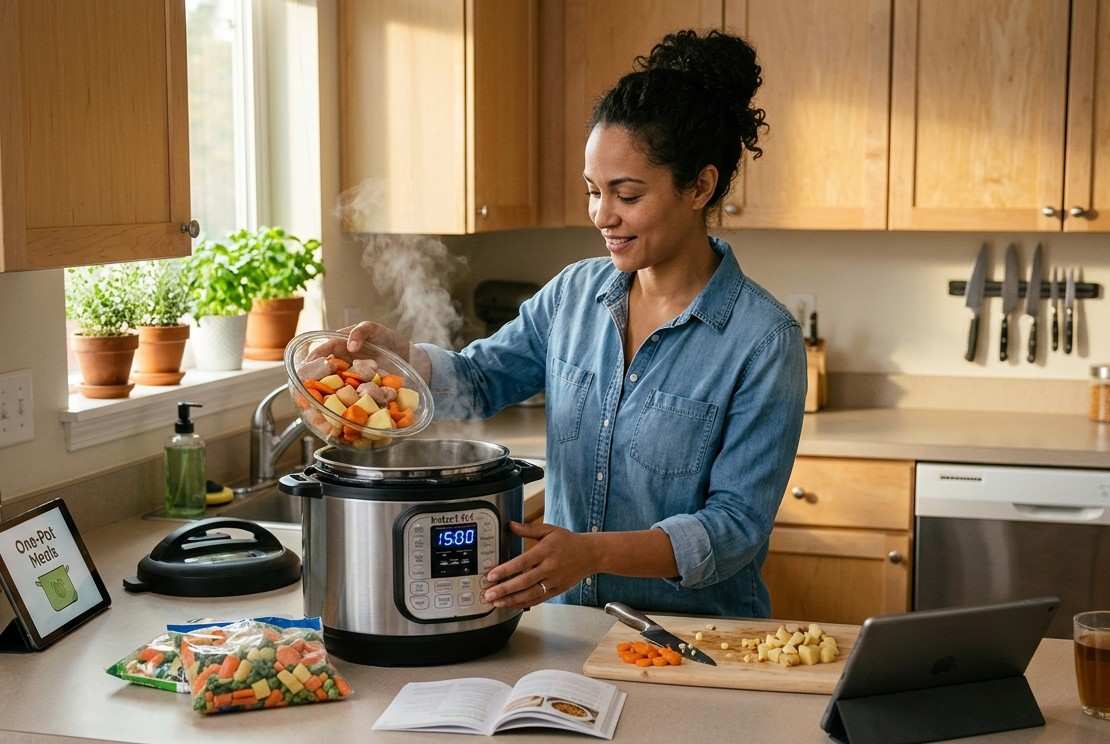
In today’s fast-paced world, cooking has evolved from a time-consuming necessity into a flexible, efficient, and even enjoyable part of daily life. Whether you’re a busy professional, a student juggling deadlines, or a parent managing multiple responsibilities, convenient cooking methods can transform your kitchen routine. These methods are designed to save time, reduce effort, and still deliver delicious, nutritious meals.
This guide explores convenient cooking methods in depth—what they are, why they matter, and how you can use them to simplify your life without compromising on taste or health.
What Are Convenient Cooking Methods?
Convenient cooking methods refer to techniques, tools, and strategies that streamline the cooking process. They minimize preparation time, reduce the number of steps involved, and often require less supervision. The goal is to make cooking accessible, efficient, and less stressful.
These methods can include:
- Using modern appliances
- Preparing ingredients in advance
- Choosing simplified recipes
- Leveraging ready-to-use or semi-prepared foods
Convenience in cooking doesn’t mean sacrificing quality. In fact, when done right, it can enhance consistency and encourage healthier eating habits.
Why Convenient Cooking Matters
1. Saves Time
One of the biggest advantages is time efficiency. With work, commuting, and personal commitments, spending hours in the kitchen isn’t always feasible.
2. Reduces Stress
Simplified cooking methods eliminate the pressure of complex recipes and long preparation times.
3. Encourages Home Cooking
When cooking becomes easier, people are more likely to cook at home instead of relying on takeout or processed foods.
4. Improves Consistency
Convenient methods often produce consistent results, making it easier to replicate your favorite dishes.
5. Supports Healthier Eating
Home-cooked meals allow better control over ingredients, portion sizes, and cooking techniques.
Popular Convenient Cooking Methods
1. One-Pot Cooking
One-pot meals are exactly what they sound like—everything is cooked in a single pot or pan. This method reduces both cooking time and cleanup.
Examples:
- Rice and vegetable pulao
- Pasta dishes
- Stews and soups
Benefits:
- Minimal dishes to clean
- Efficient cooking process
- Balanced meals in one go
2. Pressure Cooking
Pressure cookers use steam pressure to cook food faster than traditional methods. This technique is especially popular for cooking lentils, beans, and tough cuts of meat.
Benefits:
- Cuts cooking time significantly
- Retains nutrients
- Ideal for batch cooking
Modern electric pressure cookers make this process even more convenient with preset programs.
3. Slow Cooking
Slow cooking involves cooking food at low temperatures over several hours. While it takes longer, it requires minimal effort and supervision.
Examples:
- Curries
- Soups
- Meat dishes
Benefits:
- Rich, deep flavors
- Hands-off cooking
- Perfect for busy schedules
You can start a meal in the morning and have it ready by evening.
4. Microwave Cooking
Microwaves are no longer just for reheating leftovers. They can be used for full meal preparation, steaming vegetables, and even baking.
Benefits:
- Extremely fast
- Energy-efficient
- Ideal for small portions
From mug cakes to steamed vegetables, microwave cooking offers surprising versatility.
5. Air Frying
Air fryers have gained popularity for their ability to cook crispy food with little to no oil.
Benefits:
- Healthier alternative to deep frying
- Quick cooking time
- Easy to use
You can prepare snacks, vegetables, and even main dishes with minimal effort.
6. Batch Cooking
Batch cooking involves preparing large quantities of food in advance and storing them for later use.
Benefits:
- Saves time during the week
- Reduces daily cooking stress
- Helps with portion control
You can cook once and eat multiple times, making it ideal for busy lifestyles.
7. Meal Prepping
Meal prepping takes batch cooking a step further by portioning meals into ready-to-eat servings.
Benefits:
- Organized eating routine
- Reduces decision fatigue
- Supports healthy habits
This method is especially popular among fitness enthusiasts and working professionals.
8. No-Cook Meals
Not all meals require cooking. No-cook options can be both nutritious and satisfying.
Examples:
- Salads
- Sandwiches
- Smoothies
Benefits:
- Zero cooking time
- Minimal cleanup
- Perfect for hot weather or busy days
9. Pre-Cut and Ready Ingredients
Using pre-washed vegetables, chopped fruits, or ready-to-cook ingredients can significantly reduce preparation time.
Benefits:
- Convenience
- Reduces kitchen work
- Ideal for beginners
While slightly more expensive, the time saved can be worth it.
10. Freezer Cooking
Freezer cooking involves preparing meals ahead of time and storing them in the freezer for later use.
Benefits:
- Long shelf life
- Ready-to-cook meals
- Reduces food waste
You can freeze curries, sauces, and even complete meals for future use.
Essential Tools for Convenient Cooking
Having the right tools can make a huge difference. Here are some must-have kitchen appliances and gadgets:
1. Electric Pressure Cooker
Automates cooking and reduces time significantly.
2. Blender or Food Processor
Helps with chopping, grinding, and blending in seconds.
3. Air Fryer
Perfect for quick and healthy meals.
4. Microwave Oven
Versatile and fast for cooking and reheating.
5. Slow Cooker
Ideal for hands-off cooking.
6. Non-Stick Cookware
Reduces oil usage and makes cleaning easier.
7. Sharp Knives
Speeds up food preparation and improves safety.
Tips to Make Cooking More Convenient
1. Plan Your Meals
Weekly meal planning helps avoid last-minute decisions and reduces stress.
2. Keep Your Kitchen Organized
A clutter-free kitchen saves time and improves efficiency.
3. Use Simple Recipes
Choose recipes with fewer ingredients and steps.
4. Prep Ingredients in Advance
Wash, chop, and store ingredients ahead of time.
5. Cook in Bulk
Prepare larger portions to save time later.
6. Clean as You Go
Avoid piling up dishes by cleaning during cooking.
7. Use Multi-Functional Appliances
Devices that perform multiple tasks reduce the need for multiple tools.
Balancing Convenience and Nutrition
While convenience is important, it’s equally essential to maintain a balanced diet.
Choose Whole Foods
Opt for fresh fruits, vegetables, and whole grains whenever possible.
Limit Processed Foods
Highly processed foods may save time but often lack nutritional value.
Control Portions
Convenient cooking should not lead to overeating.
Use Healthy Cooking Methods
Prefer steaming, grilling, or air frying over deep frying.
Common Mistakes to Avoid
1. Over-Reliance on Packaged Foods
Convenience doesn’t mean relying solely on processed meals.
2. Ignoring Food Safety
Always store and reheat food properly.
3. Skipping Variety
Eating the same meals repeatedly can become boring and nutritionally limiting.
4. Poor Planning
Without planning, even convenient methods can become chaotic.
Convenient Cooking for Different Lifestyles
For Students
- Use microwave and one-pot meals
- Focus on simple, budget-friendly recipes
For Working Professionals
- Meal prep on weekends
- Use slow cookers and pressure cookers
For Families
- Batch cooking and freezer meals
- Involve family members in meal prep
For Fitness Enthusiasts
- Pre-portioned meals
- Focus on high-protein, balanced dishes
The Future of Convenient Cooking
Technology continues to revolutionize cooking. Smart kitchens, app-controlled appliances, and automated cooking systems are making meal preparation easier than ever.
Trends to watch include:
- Smart cooking devices
- Meal kit delivery services
- AI-powered recipe planning
- Sustainable cooking practices
Convenience is no longer a luxury—it’s becoming a standard in modern kitchens.
Conclusion
Convenient cooking methods are not about cutting corners—they are about cooking smarter. By adopting efficient techniques, using the right tools, and planning ahead, you can enjoy home-cooked meals without the stress and time commitment traditionally associated with cooking.
Whether it’s a one-pot dish, a batch-cooked meal, or a quick microwave recipe, convenience can coexist with quality and nutrition. The key is to find the methods that work best for your lifestyle and make them part of your routine.
Cooking should be a source of nourishment and enjoyment, not a burden. With the right approach, you can transform your kitchen into a space that supports your busy life while still delivering delicious, wholesome meals every day.
FAQ’s
Are convenient cooking methods healthy?
Yes, if you use fresh ingredients and healthy cooking techniques.
Which cooking method is the fastest?
Microwave cooking, followed by pressure cooking.
Is meal prepping better than cooking daily?
It saves time, but the best choice depends on your routine.
What is the difference between batch cooking and meal prepping?
Batch cooking makes large quantities; meal prepping portions them for later.
Do convenient cooking methods save money?
Yes, by reducing food waste and takeout expenses.
Are air fryers better than deep frying?
Yes, they use less oil and are healthier.
Can beginners use convenient cooking methods?
Yes, they are easy and beginner-friendly.
How can I make cooking more convenient?
Plan meals, prep ingredients, and use simple tools.
Is it safe to use pre-cut ingredients?
Yes, if they are fresh and properly stored.
Can I rely on frozen meals daily?
Not entirely; balance them with fresh meals.
What are the best appliances?
Microwave, pressure cooker, air fryer, and food processor.
Does convenient cooking affect taste?
No, it can still produce tasty meals.
How do I avoid boredom with meals?
Rotate recipes and try new flavors.
Is convenient cooking good for families?
Yes, it saves time and reduces daily effort.
Can it help with weight management?
Yes, by controlling portions and ingredients.
How long can meal-prepped food last?
3–4 days in the fridge; longer in the freezer.
Are slow cookers energy-efficient?
Yes, they use less electricity than ovens.
What are the safest methods for beginners?
Microwave, one-pot meals, and air frying.
Can it replace traditional cooking?
No, it complements it.
Also Read: