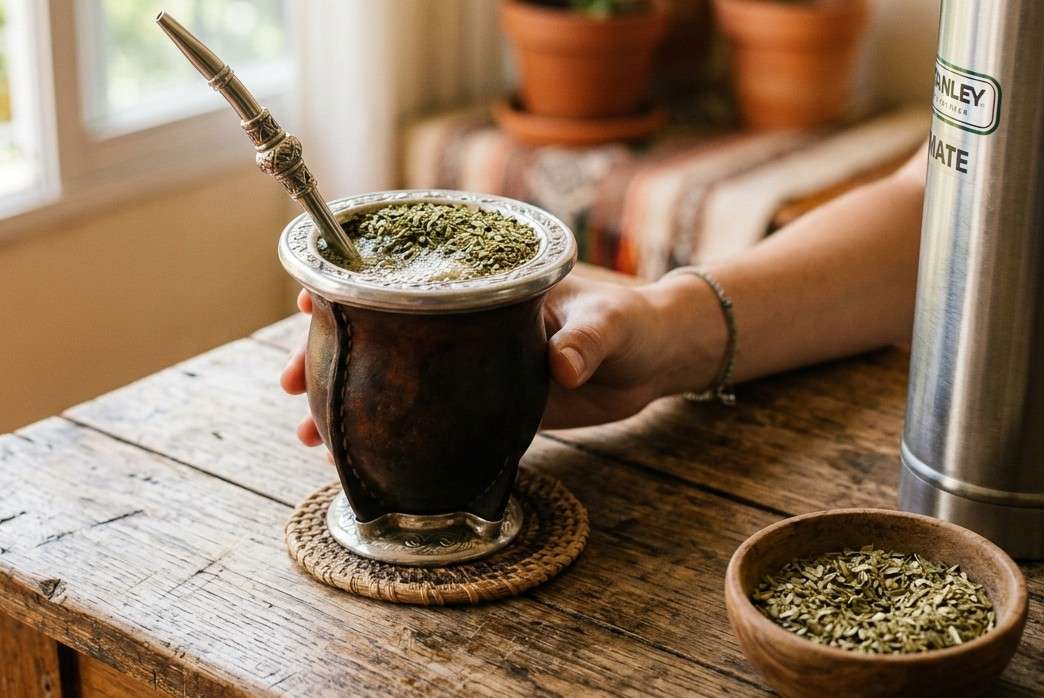
Yerba Mate is a traditional South American herbal drink known for its earthy flavor, natural caffeine content, and impressive nutritional profile. Made from the leaves of the Ilex paraguariensis plant, Yerba Mate has been consumed for centuries in countries like Argentina, Paraguay, Uruguay, and Brazil. Today, it has gained worldwide popularity as a natural energy booster and wellness beverage.
Rich in antioxidants, vitamins, minerals, and plant compounds, Yerba Mate is often compared to coffee and green tea because it can improve alertness, focus, and energy. Many people also drink it for weight management, digestion support, and overall health benefits.
This guide explores everything you need to know about Yerba Mate (commonly known as Paraguay tea, Jesuit’s tea, or simply mate) including its nutritional facts, science-backed health benefits, side effects, preparation methods, and tips for safe consumption.
What is Yerba Mate?
Yerba Mate is a caffeinated herbal beverage prepared by steeping dried leaves and twigs of the Ilex paraguariensis plant in hot water. The drink is traditionally served in a hollow container called a “gourd” and consumed through a metal straw known as a “bombilla.”
The flavor of Yerba Mate is earthy, slightly bitter, smoky, and grassy. Some varieties are roasted, while others are blended with herbs, fruits, or mint for a milder taste.
Yerba Mate contains natural caffeine along with theobromine and theophylline, compounds also found in tea and cacao. This unique combination provides balanced energy and mental alertness without the intense crash often associated with coffee.
Nutritional Facts of Yerba Mate
The exact nutritional value varies depending on preparation and serving size, but the table below shows the approximate nutrients found in one cup of brewed Yerba Mate.
| Nutrient | Approximate Amount |
|---|---|
| Calories | 15 |
| Protein | 0.5 g |
| Carbohydrates | 3 g |
| Fat | 0 g |
| Caffeine | 70–85 mg |
| Potassium | 37 mg |
| Magnesium | 7 mg |
| Iron | 0.5 mg |
| Zinc | 0.2 mg |
| Vitamin C | Small amounts |
| Vitamin B1 (Thiamine) | Trace amounts |
| Vitamin B2 (Riboflavin) | Trace amounts |
| Polyphenols | High |
| Antioxidants | Very high |
Yerba Mate also contains chlorogenic acid, saponins, flavonoids, and amino acids that contribute to its health benefits.
20 Proven Benefits of Yerba Mate
- Boosts Energy Naturally: Mate contains natural caffeine that helps improve energy levels and reduce fatigue without causing excessive jitters in most people.
- Improves Mental Focus: The caffeine and antioxidants in Yerba Mate may support concentration, alertness, and cognitive performance.
- Rich in Antioxidants: Mate contains powerful antioxidants that help protect cells from oxidative stress and free radical damage.
- Supports Weight Loss: Yerba Mate may help increase metabolism and fat oxidation, which can support healthy weight management.
- Enhances Physical Performance: Some studies suggest Mate may improve endurance and exercise performance by increasing fat utilization for energy.
- May Aid Digestion: Mate has traditionally been used to stimulate digestion and support healthy bowel movements.
- Supports Heart Health: The antioxidants in Mate may help reduce bad cholesterol oxidation and support cardiovascular health.
- Helps Reduce Appetite: Drinking Mate may promote feelings of fullness and help reduce overeating.
- May Improve Mood: The natural stimulant compounds in Yerba Mate may help improve mood and mental well-being.
- Supports Immune Function: Mate contains vitamins, minerals, and plant compounds that may strengthen the immune system.
- May Help Regulate Blood Sugar: Some research suggests Mate may help improve insulin sensitivity and blood sugar control.
- Supports Healthy Cholesterol Levels: Mate may help lower LDL cholesterol while supporting healthier lipid profiles.
- Provides Long-Lasting Energy: Many people experience steady energy from Mate without the sudden crash associated with coffee.
- May Improve Metabolism: The thermogenic effects of Yerba Mate may help the body burn calories more efficiently.
- Supports Brain Health: Antioxidants and polyphenols in Mate may help protect brain cells from age-related damage.
- Contains Anti-Inflammatory Compounds: Yerba Mate contains saponins and polyphenols that may help reduce inflammation in the body.
- May Support Liver Function: Certain compounds in Mate may help protect the liver from oxidative stress.
- Helps Fight Fatigue: Mate may help reduce physical and mental tiredness during demanding activities.
- May Improve Exercise Recovery: Antioxidants in Yerba Mate may help reduce oxidative stress caused by intense exercise.
- Supports Healthy Aging: The antioxidant content of Mate may contribute to healthier skin and overall aging support.
10 Side Effects of Yerba Mate
- Can Cause Insomnia: Drinking too much Mate, especially late in the day, may interfere with sleep due to its caffeine content.
- May Increase Heart Rate: Excessive caffeine intake from Yerba Mate can cause rapid heartbeat in sensitive individuals.
- Can Trigger Anxiety: High amounts of Mate may worsen anxiety, nervousness, or restlessness in some people.
- May Cause Digestive Upset: Some individuals may experience stomach discomfort, nausea, or acid reflux after drinking Yerba Mate.
- Can Lead to Headaches: Excess caffeine from Mate may contribute to headaches or migraines in certain people.
- May Increase Blood Pressure Temporarily: Mate may temporarily raise blood pressure, especially in caffeine-sensitive individuals.
- Can Cause Dependency: Regular high caffeine intake may lead to caffeine dependence and withdrawal symptoms.
- May Interact with Medications: Mate can interact with stimulants, antidepressants, and certain other medications.
- Hot Yerba Mate May Increase Cancer Risk: Frequently consuming extremely hot Yerba Mate has been linked to a higher risk of esophageal irritation and cancer.
- Not Ideal During Pregnancy in Excess: High caffeine intake during pregnancy may increase health risks for the developing baby.
How to Make Yerba Mate?
Traditional Method
Ingredients:
- 1–2 tablespoons Mate leaves
- Hot water (not boiling)
- Mate gourd or cup
- Bombilla (metal straw)
Instructions:
- Fill the gourd about halfway with Yerba Mate leaves.
- Tilt the gourd so the leaves gather on one side.
- Pour a small amount of cool water into the empty side.
- Insert the bombilla into the wet area.
- Slowly add hot water at about 70–80°C.
- Sip through the bombilla and refill with hot water as needed.
Simple Tea Method
Ingredients:
- 1 teaspoon Yerba Mate
- 1 cup hot water
Instructions:
- Add Mate to a tea infuser or strainer.
- Pour hot water over the leaves.
- Steep for 3–5 minutes.
- Strain and enjoy.
You can add lemon, honey, mint, or ginger for extra flavor.
Other Uses of Yerba Mate
- Natural Energy Drink Ingredient: Mate is commonly used in natural energy beverages and wellness drinks.
- Smoothie Booster: Mate powder can be added to smoothies for extra antioxidants and caffeine.
- Iced Tea Base: Chilled Yerba Mate makes a refreshing iced herbal drink.
- Pre-Workout Beverage: Many athletes consume Yerba Mate before exercise for natural energy support.
- Weight Management Drinks: Mate is often included in metabolism-support and weight-loss blends.
- Herbal Infusions: Mate can be blended with mint, citrus, or herbs for flavored teas.
- Cooking Ingredient: Some people use brewed Mate in soups, sauces, or marinades.
- Skincare Products: Antioxidants in Mate are sometimes used in creams and cosmetic formulations.
- Detox Beverages: Mate is commonly added to detox teas and cleansing drinks.
- Cold Brew Tea: Mate can be steeped in cold water overnight for a smoother flavor.
How Much Yerba Mate Can You Drink a Day?
Most healthy adults can safely consume about 1–3 cups of Yerba Mate daily. This amount generally provides moderate caffeine intake while minimizing the risk of side effects.
The total caffeine content depends on the strength and preparation method. Drinking excessive amounts, especially more than 1 liter daily for long periods, may increase the risk of caffeine-related side effects.
People sensitive to caffeine should start with smaller amounts and monitor their body’s response.
Tips for Consuming Yerba Mate
- Start with Small Amounts: Beginners should begin with mild servings to assess caffeine tolerance.
- Avoid Boiling Water: Using extremely hot water can make Mate overly bitter and may destroy some beneficial compounds.
- Drink Earlier in the Day: Consuming Yerba Mate in the morning or afternoon may help prevent sleep disturbances.
- Stay Hydrated: Drink enough water alongside Mate because caffeine may have mild diuretic effects.
- Choose High-Quality Brands: Opt for organic or reputable Mate products to reduce exposure to contaminants.
- Do Not Drink Extremely Hot: Allow the tea to cool slightly before drinking to reduce irritation risk.
- Pair with Healthy Foods: Drinking Yerba Mate with balanced meals may help reduce stomach discomfort.
- Monitor Caffeine Intake: Avoid combining excessive Mate with other caffeinated beverages.
- Store Properly: Keep Mate in an airtight container away from moisture and sunlight.
- Use Moderation: Moderate intake is generally safer and more beneficial than excessive consumption.
Best Time to Drink Yerba Mate
The best time to drink Mate depends on your goals and caffeine sensitivity.
Morning
Drinking Mate in the morning may improve alertness, focus, and productivity without the heavy crash some people experience with coffee.
Before Exercise
Consuming Mate about 30–60 minutes before workouts may support endurance and energy levels.
Afternoon
Mate can help combat afternoon fatigue and improve concentration during work or study sessions.
Avoid Late Evening
Because of its caffeine content, drinking Mate late at night may interfere with sleep quality.
Who Should Drink Yerba Mate?
- People Needing Natural Energy: Mate may help individuals looking for a natural caffeine source.
- Students and Professionals: Mate may support focus, concentration, and mental performance during demanding tasks.
- Athletes and Active Individuals: The drink may help improve endurance and workout performance.
- People Trying to Manage Weight: Mate may support appetite control and metabolism.
- Tea Lovers Seeking Variety: Yerba Mate offers a unique herbal alternative to coffee and tea.
- People Looking for Antioxidants: Mate contains compounds that may help protect against oxidative stress.
- Busy Individuals: Mate may help reduce fatigue and improve productivity during long days.
- Those Seeking Balanced Stimulation: Some people prefer Mate because it may provide smoother energy than coffee.
Who Should Not Drink Yerba Mate?
- Pregnant Women in Excess: High caffeine intake during pregnancy should generally be avoided.
- People Sensitive to Caffeine: Individuals prone to jitters, anxiety, or insomnia may react poorly to Mate.
- People with Heart Conditions: Excess caffeine may worsen certain heart-related issues.
- Individuals with High Blood Pressure: Mate may temporarily raise blood pressure in some people.
- People with Severe Anxiety Disorders: The stimulant effects may intensify nervousness or panic symptoms.
- Children in Large Amounts: High caffeine intake is generally not recommended for children.
- People with Acid Reflux: Yerba Mate may aggravate reflux symptoms in sensitive individuals.
- Individuals Taking Certain Medications: Some medications may interact negatively with caffeine and herbal compounds.
- People with Sleep Disorders: Drinking Mate may worsen insomnia or disrupted sleep patterns.
- Heavy Smokers and Alcohol Consumers: Combining these habits with very hot Mate may increase certain health risks.
Precautions and Interactions
Yerba Mate is generally safe when consumed in moderation, but several precautions should be considered.
Avoid Excessive Consumption:
Drinking large quantities daily may increase the risk of side effects related to caffeine and long-term health concerns.
Do Not Consume Extremely Hot:
Very hot beverages may irritate the throat and esophagus. Let Mate cool slightly before drinking.
Medication Interactions:
Mate may interact with:
- Stimulants
- Antidepressants
- Blood pressure medications
- Diabetes medications
- Blood thinners
Consult a healthcare professional if you take prescription medications regularly.
Pregnancy and Breastfeeding:
Pregnant and breastfeeding women should limit caffeine intake and speak with a healthcare provider before consuming Yerba Mate regularly.
Caffeine Sensitivity:
People sensitive to caffeine should consume smaller amounts and avoid mixing Mate with energy drinks or strong coffee.
Conclusion
Yerba Mate is a nutrient-rich herbal beverage that combines the stimulating effects of caffeine with a wide range of antioxidants and plant compounds. From boosting energy and focus to supporting metabolism and physical performance, Mate offers numerous potential health benefits when consumed responsibly.
However, moderation is important. Excessive intake or drinking Mate at very high temperatures may increase the risk of side effects and long-term health issues. Choosing high-quality products, consuming moderate amounts, and paying attention to caffeine sensitivity can help you enjoy Mate safely.
FAQ’s
What is Yerba Mate good for?
Mate is commonly used for boosting energy, improving focus, supporting metabolism, enhancing physical performance, and providing antioxidants that help protect the body from oxidative stress.
Does Yerba Mate contain caffeine?
Yes, Mate naturally contains caffeine, usually around 70–85 mg per cup depending on preparation strength.
Is Yerba Mate healthier than coffee?
Mate contains antioxidants, vitamins, and minerals that may offer additional health benefits, but both beverages can be healthy when consumed in moderation.
Can Yerba Mate help with weight loss?
Mate may support weight management by helping increase metabolism, fat oxidation, and feelings of fullness.
Is Yerba Mate safe to drink every day?
Most healthy adults can safely drink Mate daily in moderate amounts, usually 1–3 cups per day.
What does Yerba Mate taste like?
Mate has an earthy, grassy, slightly bitter, and sometimes smoky flavor depending on the variety.
Can Yerba Mate keep you awake?
Yes, because of its caffeine content, drinking Mate late in the day may interfere with sleep.
Is Yerba Mate better hot or cold?
Mate can be enjoyed both hot and cold, depending on personal preference.
How long does Yerba Mate last in the body?
The caffeine effects of Mate may last around 4–6 hours, though this varies based on metabolism and sensitivity.
Can beginners drink Yerba Mate?
Yes, beginners can drink Mate, but starting with small amounts is recommended to assess caffeine tolerance.
Is Yerba Mate acidic?
Mate is generally less acidic than coffee, but it may still irritate sensitive stomachs in some individuals.
Can Yerba Mate improve focus?
The natural caffeine and plant compounds in Mate may help improve concentration, alertness, and mental clarity.
Is Yerba Mate good before workouts?
Many people drink Mate before exercise because it may support endurance, energy, and fat burning.
Can I drink Mate on an empty stomach?
Some people tolerate it well on an empty stomach, but others may experience nausea or stomach discomfort.
Does Yerba Mate dehydrate you?
Mate has mild diuretic effects due to caffeine, so staying hydrated is important.
Is Yerba Mate suitable for vegans?
Yes, pure Mate is plant-based and suitable for vegan diets.
Can Yerba Mate raise blood pressure?
In some people, caffeine from Mate may temporarily increase blood pressure.
Is Yerba Mate gluten-free?
Pure Mate is naturally gluten-free, though flavored blends should be checked for additives.
Can pregnant women drink Yerba Mate?
Pregnant women should limit caffeine intake and consult a healthcare provider before drinking Mate regularly.
How should Yerba Mate be stored?
Store Mate in an airtight container in a cool, dry place away from sunlight and moisture.
How long does it take for Yerba Mate to work?
Mate usually starts working within 15–45 minutes by boosting energy and alertness.
Is Yerba Mate safe for children?
Mate is not ideal for children in large amounts because it contains caffeine.
Does Yerba Mate reduce belly fat?
Mate may support fat loss and metabolism, but it does not target belly fat specifically.
Is Yerba Mate really like Ozempic?
Mate is not the same as Ozempic, though it may help with appetite control naturally.
How to drink Yerba Mate for weight loss?
Drink 1–3 cups daily, preferably before workouts or between meals, along with a healthy diet and exercise.
Also Read: