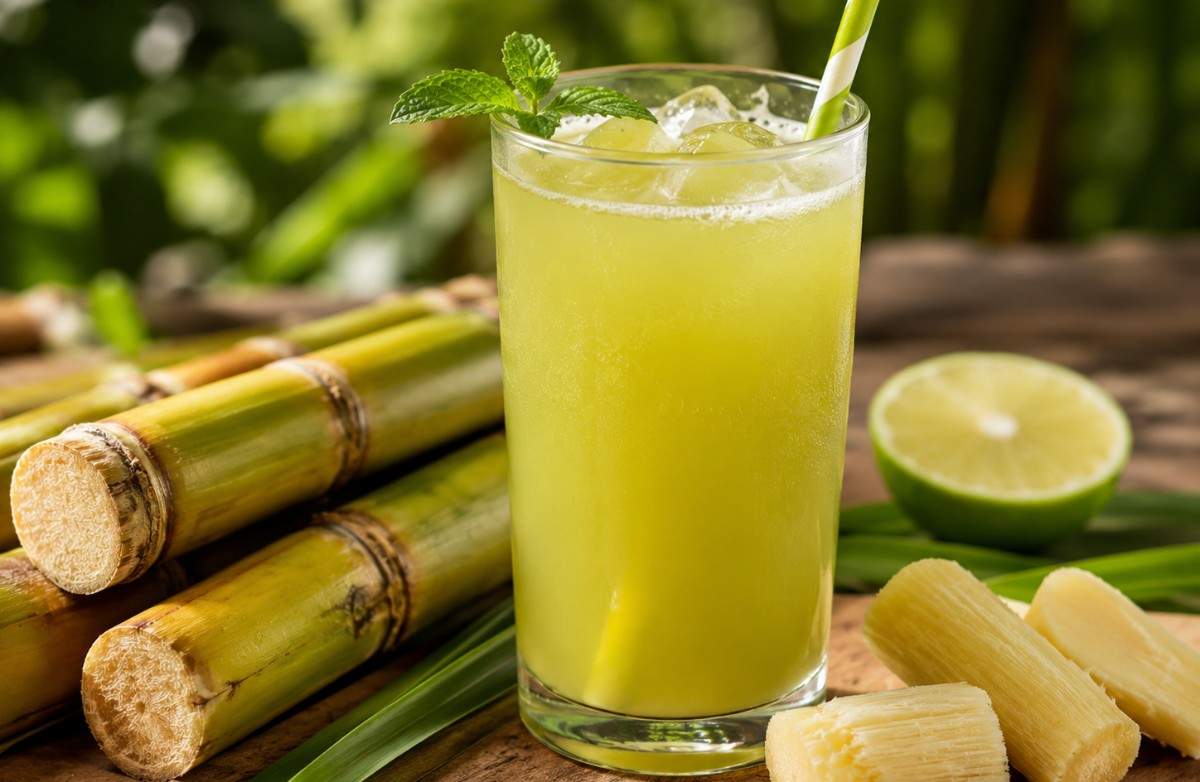
Sugarcane juice is a naturally sweet and refreshing drink made by extracting liquid from fresh sugarcane stalks. Popular in tropical countries, especially during hot weather, this beverage is valued not only for its sweet taste but also for its hydrating and energizing properties. Rich in natural sugars, antioxidants, minerals, and plant compounds, sugarcane juice has been traditionally used to support digestion, boost energy, and help the body recover from dehydration.
Unlike refined sugar, fresh sugarcane juice contains small amounts of nutrients that may offer health benefits when consumed in moderation. However, because it is naturally high in sugar, it should still be consumed carefully, especially by people with blood sugar concerns. This guide explores the nutritional profile, science-backed health benefits, side effects, preparation methods, precautions, and best ways to consume sugarcane juice.
What is Sugarcane Juice?
Sugarcane juice is a natural beverage extracted from the stalks of the sugarcane plant. The juice is obtained by crushing or pressing peeled sugarcane stalks through a juicer or roller machine. It is often served fresh with ingredients like lemon, mint, ginger, or ice to enhance flavor and freshness.
Sugarcane belongs to the grass family and is primarily cultivated in tropical and subtropical regions. The juice contains natural sugars such as sucrose, glucose, and fructose along with minerals, antioxidants, and electrolytes.
Fresh sugarcane juice is commonly consumed as a cooling summer drink because it helps replenish fluids and provides quick energy.
Nutritional Facts of Sugarcane Juice
| Nutrient | Approximate Amount (Per 100 ml) |
|---|---|
| Calories | 70–80 kcal |
| Carbohydrates | 17–20 g |
| Natural Sugars | 15–18 g |
| Protein | 0.2–0.5 g |
| Fat | 0.1 g |
| Fiber | 0.2 g |
| Calcium | 10–15 mg |
| Potassium | 100–150 mg |
| Magnesium | 8–12 mg |
| Iron | 0.3–0.5 mg |
| Phosphorus | 5–8 mg |
| Sodium | 5–10 mg |
| Antioxidants | Small amounts |
| Water Content | 75–85% |
Nutritional values may vary depending on freshness, variety of sugarcane, and preparation method.
20 Proven Benefits of Sugarcane Juice
- Quick Energy Boost: Sugarcane juice provides fast natural energy because of its high carbohydrate and natural sugar content.
- Supports Hydration: Its high water and electrolyte content may help maintain hydration during hot weather.
- May Reduce Fatigue: Natural sugars and minerals can help replenish energy levels after physical activity.
- Rich in Antioxidants: Sugarcane juice contains flavonoids and polyphenols that may help reduce oxidative stress.
- Supports Liver Health: Traditional medicine often uses sugarcane juice to support liver function and recovery from jaundice.
- May Improve Digestion: Potassium and plant compounds in sugarcane juice may support smoother digestion.
- Helps Maintain Electrolyte Balance: The juice naturally contains potassium, calcium, and magnesium that support electrolyte balance.
- Supports Kidney Function: Adequate hydration from sugarcane juice may help support normal kidney function.
- May Promote Healthy Skin: Antioxidants in sugarcane juice may help reduce signs of skin damage caused by free radicals.
- Can Help Cool the Body: Sugarcane juice is traditionally consumed to help reduce body heat during summer.
- May Support Immune Health: Minerals and antioxidants may help support overall immune system function.
- Supports Muscle Recovery: Natural carbohydrates can help restore glycogen stores after exercise.
- May Help Relieve Acidity: Some people use sugarcane juice as a natural remedy for stomach acidity and burning sensations.
- Contains Natural Alkalizing Properties: Sugarcane juice may help maintain the body’s acid-base balance.
- May Promote Urinary Health: Its hydrating effects may support healthy urinary flow and flushing.
- Supports Healthy Blood Circulation: Iron and minerals may contribute to normal circulation and oxygen transport.
- Can Improve Mood and Alertness: Natural glucose may provide temporary mental energy and alertness.
- May Support Bone Health: Small amounts of calcium and magnesium contribute to bone support.
- Helps Replenish Nutrients After Illness: Fresh sugarcane juice may help restore fluids and energy after weakness or fever.
- May Aid Exercise Performance: Carbohydrates in sugarcane juice may provide fuel for endurance and physical activity.
10 Side Effects of Sugarcane Juice
- High Sugar Content: Excessive intake may increase blood sugar levels rapidly.
- May Cause Weight Gain: Drinking large amounts regularly may contribute to excess calorie intake.
- Risk of Blood Sugar Spikes: People with diabetes may experience glucose fluctuations after consuming sugarcane juice.
- Possible Digestive Upset: Overconsumption may lead to bloating, diarrhea, or stomach discomfort.
- Can Cause Tooth Decay: Natural sugars may increase the risk of dental cavities if oral hygiene is poor.
- Risk of Contamination: Freshly prepared juice may carry bacteria if hygiene standards are inadequate.
- May Trigger Allergic Reactions: Some individuals may experience mild allergies or sensitivities.
- Can Ferment Quickly: Old or improperly stored juice may ferment and upset the stomach.
- Possible Blood Pressure Changes: Large quantities may affect blood pressure in sensitive individuals.
- May Interact With Certain Conditions: People with metabolic disorders should consume it carefully.
How to Make Sugarcane Juice
Ingredients:
- Fresh sugarcane stalks
- Ice cubes (optional)
- Lemon juice (optional)
- Ginger or mint leaves (optional)
Method:
- Wash the sugarcane stalks thoroughly to remove dirt.
- Peel the outer hard layer if necessary.
- Cut the stalks into smaller pieces suitable for the juicer.
- Pass the sugarcane pieces through a sugarcane juicer or heavy-duty extractor.
- Collect the juice in a clean container.
- Add lemon, mint, or ginger for additional flavor if desired.
- Serve immediately with ice.
Storage Tips:
- Drink fresh sugarcane juice immediately for best taste and safety.
- Refrigerate for no more than 24 hours.
- Avoid consuming fermented or sour-smelling juice.
Other Uses of Sugarcane Juice
- Natural Sweetener: Sugarcane juice can be used as a natural sweetener in beverages and desserts.
- Smoothie Ingredient: It may add sweetness and hydration to fruit smoothies.
- Homemade Popsicles: Sugarcane juice can be frozen into refreshing popsicles.
- Marinade Base: Its natural sugars may help tenderize meat in marinades.
- Fermented Beverages: Sugarcane juice is used in making certain fermented drinks.
- Dessert Syrup: Reduced sugarcane juice can become a syrup for sweets and pancakes.
- Cocktail Mixer: Fresh sugarcane juice is often mixed into tropical beverages and mocktails.
- Sports Drink Alternative: It may serve as a natural post-workout drink because of its carbohydrates and electrolytes.
- Skin Care Ingredient: Some traditional remedies use sugarcane extracts in homemade face packs.
- Traditional Remedies: Sugarcane juice is sometimes included in folk remedies for heat exhaustion and fatigue.
How Much Sugarcane Juice Can You Drink a Day?
Moderation is important because sugarcane juice contains a high amount of natural sugar.
Recommended Intake:
- Healthy adults: 1 small to medium glass (200–250 ml) per day
- Physically active individuals: Up to 300 ml occasionally
- Children: Smaller portions under supervision
- People with diabetes or insulin resistance: Consult a healthcare professional before consuming regularly
Drinking excessive amounts daily may increase calorie and sugar intake, leading to unwanted health effects.
Tips for Consuming Sugarcane Juice
- Drink Freshly Prepared Juice: Fresh juice reduces the risk of contamination and fermentation.
- Consume in Moderation: Limiting portions helps control sugar intake.
- Add Lemon or Ginger: These ingredients may improve flavor and digestion.
- Avoid Artificial Sweeteners: Fresh sugarcane juice is naturally sweet and usually needs no extra sugar.
- Choose Hygienic Vendors: Clean preparation reduces the risk of foodborne illness.
- Drink Chilled but Not Excessively Cold: Extremely cold beverages may irritate sensitive stomachs.
- Pair With Balanced Meals: Combining it with protein or fiber-rich foods may help reduce rapid sugar spikes.
- Avoid Long Storage: Stored juice may ferment quickly and lose freshness.
- Use Clean Equipment: Homemade juice should be prepared using sanitized tools.
- Rinse Your Mouth After Drinking: This may help reduce the risk of tooth decay from sugars.
Best Time to Drink Sugarcane Juice
Morning
Drinking sugarcane juice in the morning may provide quick energy and hydration for the day ahead.
During Hot Weather
It is especially popular during summer because it may help cool the body and replenish fluids lost through sweating.
After Physical Activity
Natural carbohydrates and electrolytes may help restore energy after exercise or outdoor work.
During Fatigue or Weakness
Some people consume sugarcane juice during recovery from dehydration, fever, or exhaustion because of its refreshing properties.
Avoid Late Night Consumption
Because of its sugar content, drinking large amounts late at night may not be ideal for everyone.
Who Should Drink Sugarcane Juice?
- Athletes and Active Individuals: Natural carbohydrates may support energy recovery after exercise.
- People Living in Hot Climates: Sugarcane juice may help maintain hydration during extreme heat.
- Individuals Recovering From Fatigue: Its natural sugars can provide quick energy replenishment.
- People Needing Extra Calories: Underweight individuals may benefit from its calorie content in moderation.
- Outdoor Workers: Hydration and electrolytes may help people exposed to heat for long periods.
- Those Looking for Natural Energy Drinks: Sugarcane juice may serve as a less processed alternative to commercial beverages.
- People With Mild Dehydration: Fresh juice may help restore fluids and minerals.
- Individuals Seeking Refreshing Summer Drinks: Its cooling nature makes it a popular seasonal beverage.
- People Wanting Natural Sweet Drinks: It can satisfy sweet cravings without refined sugar additives.
- Those Recovering From Temporary Weakness: Moderate consumption may help restore energy levels.
Who Should Not Drink Sugarcane Juice?
- People With Uncontrolled Diabetes: High natural sugar content may raise blood glucose levels quickly.
- Individuals Trying to Lose Weight: Excess calories from frequent consumption may hinder weight management goals.
- People With Sensitive Digestion: Some individuals may experience bloating or stomach discomfort.
- Those With Dental Problems: Frequent sugary drinks may worsen tooth decay risk.
- People With Poor Immunity: Unhygienic juice preparation may increase infection risk.
- Individuals With Blood Sugar Disorders: Sugarcane juice may not be suitable for those with insulin resistance.
- People Avoiding High-Carbohydrate Drinks: Its carbohydrate content may not fit certain dietary plans.
- Anyone Allergic to Sugarcane Products: Rare allergic reactions may occur in sensitive individuals.
- People With Gastrointestinal Infections: Fresh juice from street vendors may worsen digestive problems if contaminated.
- Individuals Sensitive to Fermented Foods: Old or fermented sugarcane juice may cause discomfort.
Precautions and Interactions
- Monitor Blood Sugar Levels: People with diabetes should check glucose responses carefully after consumption.
- Avoid Contaminated Juice: Poor hygiene during preparation may increase bacterial exposure.
- Do Not Store for Long Periods: Sugarcane juice spoils quickly and may ferment within hours.
- Use Moderation During Pregnancy: Pregnant individuals should ensure the juice is freshly prepared and hygienic.
- Consult a Doctor for Medical Conditions: Chronic illnesses may require dietary restrictions regarding sugar intake.
- Avoid Excessive Daily Intake: Large quantities may contribute to obesity and metabolic issues.
- Watch for Digestive Reactions: Stop consumption if stomach upset or diarrhea occurs.
- Be Careful With Medications: Individuals taking blood sugar medications should monitor for glucose changes.
- Choose Fresh Ingredients: Old or damaged sugarcane stalks may reduce quality and safety.
- Practice Good Dental Hygiene: Frequent sugary beverages may increase cavity risk if teeth are not cleaned properly.
Conclusion
Sugarcane juice is a refreshing natural beverage that offers hydration, quick energy, and small amounts of beneficial nutrients and antioxidants. It has long been valued in traditional diets for helping the body cope with heat, fatigue, and dehydration. When consumed in moderation and prepared hygienically, sugarcane juice can be a flavorful addition to a balanced diet.
However, despite being natural, sugarcane juice is still high in sugar and calories. Overconsumption may contribute to blood sugar spikes, weight gain, and dental problems. People with diabetes or metabolic conditions should consume it cautiously and seek medical advice if necessary.
FAQ’s
Is sugarcane juice healthier than soft drinks?
Yes, fresh sugarcane juice generally contains natural sugars, minerals, and antioxidants, unlike many processed soft drinks that contain refined sugars and additives.
Can diabetics drink sugarcane juice?
People with diabetes should consume sugarcane juice carefully and only after consulting a healthcare professional because it may raise blood sugar levels quickly.
Is sugarcane juice good for dehydration?
Its water and electrolyte content may help replenish fluids lost through sweating and heat exposure.
Can sugarcane juice help with fatigue?
Natural carbohydrates in sugarcane juice may provide quick energy and temporary relief from tiredness.
How long can sugarcane juice be stored?
Fresh sugarcane juice is best consumed immediately and should generally not be stored for more than 24 hours in refrigeration.
Is sugarcane juice safe during pregnancy?
Fresh and hygienically prepared sugarcane juice may be safe in moderation during pregnancy, but medical advice is recommended.
Does sugarcane juice cause weight gain?
Excessive intake may contribute to weight gain because of its calorie and sugar content.
Can children drink sugarcane juice?
Children can consume small amounts occasionally if the juice is fresh and hygienically prepared.
Is sugarcane juice acidic?
Sugarcane juice is generally considered mildly alkaline in nature.
Can sugarcane juice be consumed daily?
Healthy adults may consume moderate amounts daily, but excessive intake is not recommended because of the high sugar content.
What is Sugarcane Juice made from?
Sugarcane juice is made from the stalks of the sugarcane plant. The stalks are crushed or pressed to extract the sweet natural liquid, which is often served fresh with lemon, mint, or ginger.
How long does it take for Sugarcane Juice to work?
Sugarcane juice may provide quick energy and hydration within 15–30 minutes because of its natural sugars and electrolyte content, though effects can vary by person.
What is Sugarcane Juice good for?
Sugarcane juice is commonly consumed for hydration, quick energy, cooling the body during hot weather, supporting digestion, and replenishing fluids after fatigue or exercise.
What does Sugarcane Juice taste like?
Sugarcane juice has a naturally sweet, earthy, and slightly grassy flavor with a refreshing taste, especially when served chilled.
Is sugarcane juice good for sperm?
Sugarcane juice contains antioxidants, minerals, and natural carbohydrates that may support overall energy and health, but there is limited scientific evidence directly linking it to improved sperm health or fertility.
Is sugarcane good for your kidneys?
Sugarcane juice may help support hydration and normal urinary flow when consumed in moderation, but people with kidney disease or blood sugar problems should consult a healthcare professional before drinking it regularly.
Also Read: