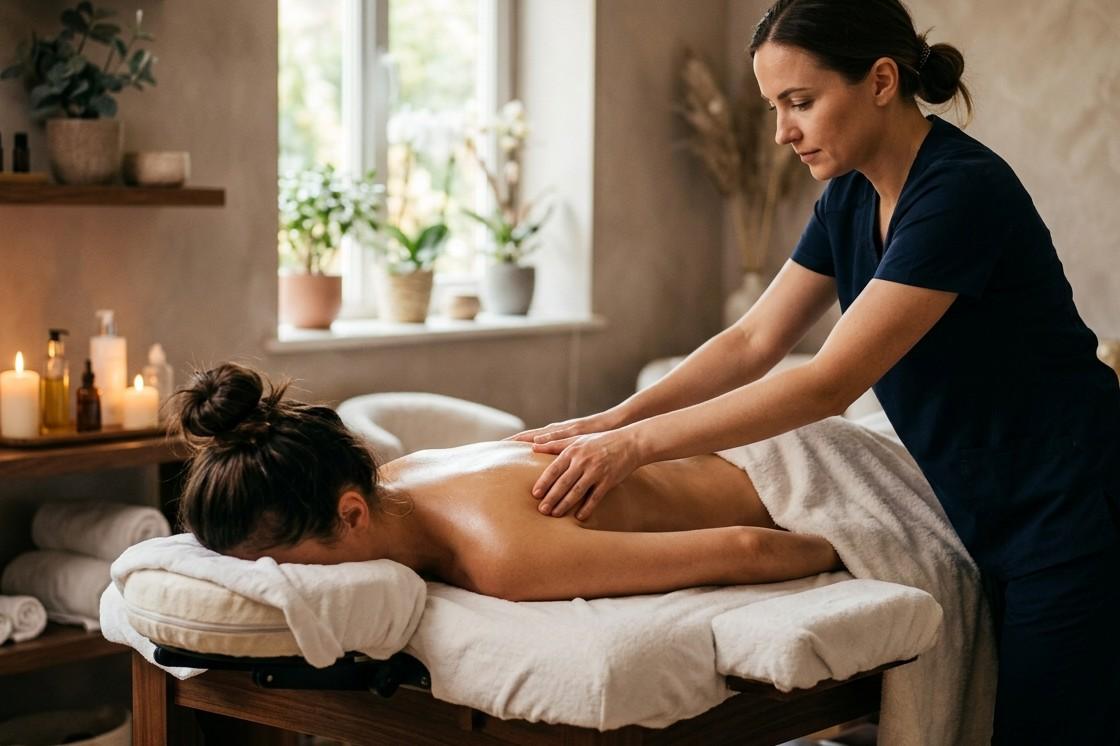
Table massage is one of the most common and widely practiced forms of massage therapy around the world. Whether you visit a spa, wellness center, chiropractic clinic, rehabilitation facility, or luxury resort, the massage is often performed on a specially designed massage table that provides comfort, support, and proper body alignment during treatment.
This type of massage is known for its versatility. It can be gentle and relaxing, or deep and therapeutic depending on the client’s needs. People choose table massage for stress relief, pain management, muscle recovery, improved circulation, relaxation, and overall wellness.
Unlike chair massage, which is typically shorter and performed while sitting upright, table massage allows the body to fully relax in a lying position. This gives the massage therapist better access to muscles, connective tissues, and pressure points across the body. In this guide, you will learn everything about table massage, including its benefits, techniques, types, preparation tips, safety considerations, and what to expect during a session.
What Is Table Massage?
Table massage is a form of massage therapy performed while the client lies on a padded massage table. The table is specifically designed to support the body comfortably during treatment. Most massage tables include features such as adjustable height, cushioned surfaces, face cradles, arm supports, and clean linens.
The therapist uses various techniques such as:
- Long gliding strokes
- Kneading
- Tapping
- Pressure-point therapy
- Stretching
- Circular movements
- Muscle compression
The goal of table massage depends on the type of therapy being used. Some massages focus on relaxation, while others target chronic pain, stiffness, muscle recovery, or improved mobility.
Table massage can involve the entire body or specific problem areas such as the neck, shoulders, back, legs, or feet.
History of Table Massage
Massage therapy has existed for thousands of years in ancient civilizations such as China, Egypt, India, and Greece. However, the modern massage table became more common during the 19th and 20th centuries as massage therapy evolved into a professional healthcare and wellness practice.
Before massage tables were introduced, treatments were often performed on mats, floors, or simple beds. The development of ergonomic massage tables improved comfort for both clients and therapists while allowing better treatment precision.
Today, table massage is a standard practice in:
- Wellness centers
- Medical clinics
- Physical therapy facilities
- Sports rehabilitation centers
- Luxury spas
- Holistic healing clinics
Types of Table Massage
1. Swedish Table Massage
Swedish massage is one of the most popular forms of table massage. It uses gentle, flowing strokes to relax muscles and improve circulation.
Common techniques include:
- Effleurage (gliding strokes)
- Petrissage (kneading)
- Friction
- Tapping
- Vibration
This massage is ideal for beginners and individuals seeking relaxation.
2. Deep Tissue Table Massage
Deep tissue massage targets deeper layers of muscles and connective tissues. Therapists use slower strokes and stronger pressure to release chronic tension and knots.
It is often recommended for:
- Muscle stiffness
- Sports injuries
- Postural problems
- Chronic pain
- Tight shoulders and back
3. Sports Table Massage
Sports massage is designed for athletes and physically active individuals. It helps improve flexibility, reduce muscle soreness, and support recovery after exercise.
This massage may include:
- Stretching
- Compression
- Trigger-point therapy
- Deep tissue techniques
4. Hot Stone Table Massage
Hot stone massage involves placing heated stones on specific areas of the body. The warmth helps muscles relax and improves circulation.
Benefits may include:
- Reduced stress
- Muscle relaxation
- Improved blood flow
- Better sleep quality
5. Aromatherapy Table Massage
Aromatherapy massage combines massage therapy with essential oils. Different oils are selected for relaxation, energy, mood enhancement, or stress reduction.
Popular oils include:
- Lavender
- Peppermint
- Eucalyptus
- Chamomile
- Rosemary
6. Prenatal Table Massage
Prenatal massage is designed for pregnant women using special positioning and support cushions. It helps reduce pregnancy discomforts such as:
- Lower back pain
- Swelling
- Muscle tension
- Fatigue
Only trained prenatal massage therapists should perform this type of massage.
7. Trigger Point Therapy
Trigger point massage focuses on tight muscle knots that cause pain or discomfort in other areas of the body.
Therapists apply concentrated pressure to release tension and improve muscle function.
Equipment Used in Table Massage
Massage Table
The massage table is the most important piece of equipment. It is padded for comfort and designed to support different body positions.
Massage tables may be:
- Portable
- Stationary
- Electric adjustable
- Hydraulic
Face Cradle
The face cradle supports the head and neck while lying face down. It helps maintain spinal alignment and breathing comfort.
Linens and Towels
Clean sheets and towels are used for hygiene, warmth, and modesty.
Massage Oils and Lotions
Therapists use oils or lotions to reduce friction during massage.
Common options include:
- Coconut oil
- Almond oil
- Jojoba oil
- Unscented lotion
- Essential oil blends
Bolsters and Cushions
Bolsters provide extra support under the knees, ankles, or neck to improve comfort.
How Table Massage Works
Table massage works by manipulating muscles, connective tissues, tendons, and ligaments using specific hand techniques.
The therapy may help:
- Increase blood circulation
- Relax tight muscles
- Reduce stress hormones
- Improve lymphatic drainage
- Stimulate the nervous system
- Enhance flexibility
Massage also encourages the release of endorphins, which are natural chemicals associated with relaxation and pain relief.
20 Proven Benefits of Table Massage
- Stress Reduction: Table massage helps calm the nervous system and reduce daily stress.
- Muscle Relaxation: It loosens tight muscles and relieves body tension.
- Better Blood Circulation: Massage stimulates blood flow throughout the body.
- Pain Relief: It may reduce chronic pain in the neck, back, and shoulders.
- Improved Sleep: Many people experience deeper and more restful sleep after massage.
- Reduced Anxiety: Massage promotes mental relaxation and emotional balance.
- Improved Flexibility: Stretching and muscle work can increase joint mobility.
- Faster Muscle Recovery: Athletes often use massage to recover after workouts.
- Reduced Headaches: Massage may help decrease tension headaches and migraines.
- Improved Posture: Regular sessions can help correct muscular imbalances.
- Enhanced Relaxation: Table massage provides deep physical and mental relaxation.
- Reduced Muscle Knots: Therapists can target trigger points and tight areas.
- Better Lymphatic Flow: Massage supports lymphatic circulation and detoxification.
- Increased Energy: Some individuals feel more refreshed and energized afterward.
- Reduced Fatigue: Massage may help combat physical and mental exhaustion.
- Improved Mood: Relaxation and endorphin release can boost mood.
- Lower Muscle Stiffness: It improves mobility in tight joints and muscles.
- Enhanced Athletic Performance: Sports massage can improve muscle efficiency and flexibility.
- Better Body Awareness: Massage helps people become more aware of muscle tension patterns.
- Overall Wellness Support: Regular massage can support long-term physical and mental well-being.
Common Table Massage Techniques
1. Effleurage
Effleurage involves long, smooth gliding strokes that warm up the muscles and improve circulation.
2. Petrissage
Petrissage uses kneading and squeezing motions to work deeper muscle layers.
3. Friction
Friction techniques apply pressure in circular movements to break down adhesions and tension.
4. Tapotement
Tapotement includes rhythmic tapping or percussion movements that stimulate muscles.
5. Vibration
Vibration techniques use shaking or trembling motions to relax tissues.
6. Compression
Compression applies direct pressure to muscles to reduce tightness and improve circulation.
What Happens During a Table Massage Session?
Consultation
The therapist usually begins with questions about:
- Health conditions
- Pain areas
- Injuries
- Goals for the session
- Pressure preferences
Preparation
The client is asked to lie on the massage table under a sheet or towel. Only the area being worked on is uncovered.
Massage Treatment
The therapist performs massage techniques based on the chosen treatment style.
Sessions commonly last:
- 30 minutes
- 60 minutes
- 90 minutes
- 120 minutes
Aftercare
After the session, clients are often encouraged to:
- Drink water
- Rest if needed
- Stretch gently
- Avoid strenuous activity immediately afterward
Table Massage for Different Needs
- Office Workers: Desk workers often experience neck and shoulder tension from prolonged sitting. Table massage may help improve posture and reduce stiffness.
- Athletes: Athletes use massage to improve flexibility, prevent injuries, and accelerate recovery.
- Seniors: Gentle massage techniques may improve circulation, mobility, and relaxation in older adults.
- Individuals With Chronic Pain: People with chronic pain conditions may benefit from regular therapeutic massage sessions.
- People With Stress and Anxiety: Relaxation massage can help calm the body and mind during stressful periods.
How Often Should You Get a Table Massage?
The ideal frequency depends on personal goals and physical condition.
Weekly Sessions
Suitable for chronic pain, high stress, or athletic recovery.
Biweekly Sessions
Helpful for maintaining muscle health and stress management.
Monthly Sessions
Common for general wellness and relaxation.
Preparing for a Table Massage
- Stay Hydrated: Drink water before your appointment.
- Avoid Heavy Meals: Eating a large meal beforehand may cause discomfort.
- Arrive Early: Arriving early allows time to relax before the session.
- Wear Comfortable Clothing: Loose clothing makes changing easier.
- Communicate Clearly: Tell the therapist about injuries, sensitivities, or pressure preferences.
Safety and Precautions
Although table massage is generally safe, certain situations require caution.
Consult a healthcare provider before massage if you have:
- Severe osteoporosis
- Blood clotting disorders
- Recent surgery
- Open wounds
- Skin infections
- Fever
- Severe heart conditions
Pregnant individuals should seek therapists trained in prenatal massage.
Side Effects of Table Massage
Most side effects are mild and temporary.
- Mild Muscle Soreness: Deep tissue work may cause short-term soreness.
- Fatigue: Some individuals feel tired after a session.
- Temporary Redness: Skin may appear slightly red due to increased circulation.
- Increased Urination: Massage can stimulate fluid movement and circulation.
- Lightheadedness: Standing up too quickly after massage may cause dizziness.
Table Massage vs Chair Massage
| Feature | Table Massage | Chair Massage |
|---|---|---|
| Position | Lying down | Sitting upright |
| Duration | Longer sessions | Shorter sessions |
| Body Access | Full body | Upper body mainly |
| Relaxation Level | Deep relaxation | Moderate relaxation |
| Privacy | More private | Often public settings |
| Techniques | Wide variety | Limited techniques |
Table Massage vs Floor Massage
| Feature | Table Massage | Floor Massage |
|---|---|---|
| Height | Elevated table | Floor mat |
| Accessibility | Easier for many clients | Requires flexibility |
| Comfort | Cushioned support | Firm support |
| Common Styles | Swedish, deep tissue | Thai, shiatsu |
Choosing the Right Massage Therapist
When selecting a therapist, consider:
- Professional training
- Certifications
- Experience
- Reviews and recommendations
- Cleanliness and hygiene
- Communication style
A qualified therapist should listen carefully to your needs and maintain professional standards throughout the session.
Can Table Massage Help Mental Health?
Massage therapy may support emotional well-being by promoting relaxation and reducing stress hormones.
Potential mental health benefits include:
- Improved mood
- Reduced anxiety
- Better sleep
- Enhanced relaxation
- Lower stress levels
While massage is not a replacement for medical treatment, it can complement overall wellness practices.
Massage Table Hygiene and Cleanliness
Professional therapists follow hygiene standards such as:
- Changing linens after every client
- Sanitizing equipment
- Washing hands thoroughly
- Using clean oils and tools
- Maintaining a clean treatment environment
Clients should feel comfortable asking about sanitation practices.
Best Oils for Table Massage
- Coconut Oil: Lightweight and moisturizing.
- Sweet Almond Oil: Popular for smooth application and skin nourishment.
- Jojoba Oil: Absorbs well and suits sensitive skin.
- Grapeseed Oil: Light texture with minimal scent.
- Olive Oil: Rich and moisturizing but slightly heavier.
Can You Talk During a Table Massage?
Yes. Some clients enjoy conversation while others prefer silence.
You should always feel comfortable communicating about:
- Pressure adjustments
- Temperature concerns
- Pain or discomfort
- Positioning needs
Good communication helps improve the overall experience.
Who Should Avoid Certain Types of Massage?
Some massage styles may not be suitable for everyone.
Deep pressure techniques may not be ideal for:
- Elderly individuals with fragile skin
- People with certain medical conditions
- Individuals recovering from surgery
- Those with acute inflammation
Always discuss health concerns before treatment.
Table Massage in Modern Wellness Culture
Today, table massage is part of a growing wellness industry focused on preventive care and stress management.
Many people include massage therapy in routines alongside:
- Yoga
- Meditation
- Exercise
- Healthy eating
- Chiropractic care
- Physical therapy
Massage has become widely accepted as both a luxury and a wellness practice.
Myths About Table Massage
“Massage Is Only for Relaxation”
Massage can also support pain management and muscle recovery.
“Deep Pressure Is Always Better”
The best pressure depends on the client’s comfort and goals.
“Massage Removes All Toxins”
Massage mainly supports circulation and relaxation rather than directly removing toxins.
“You Must Be in Pain for Massage to Work”
Gentle massage can also provide significant benefits.
Tips for Getting the Most From Table Massage
- Stay hydrated
- Stretch regularly
- Maintain consistent sessions
- Communicate openly with your therapist
- Follow aftercare recommendations
- Combine massage with healthy lifestyle habits
Conclusion
Table massage is a versatile and effective form of massage therapy that supports both physical and mental wellness. Whether you seek stress relief, muscle recovery, pain management, or simple relaxation, table massage offers a customizable experience for people of all ages and lifestyles.
With numerous techniques and massage styles available, individuals can choose treatments that match their specific needs and comfort levels. Regular sessions may improve circulation, flexibility, relaxation, sleep quality, and overall well-being.
FAQ’s
What should I wear for a table massage?
You can wear comfortable clothing. Most people undress to their comfort level while remaining properly covered with sheets or towels during the session.
How long does a table massage session last?
A typical session lasts 30, 60, 90, or 120 minutes depending on the treatment type and client preference.
Is table massage painful?
Most table massages are relaxing, but deep tissue techniques may cause mild discomfort when working on tight muscles.
Can table massage help back pain?
Yes, table massage may help reduce muscle tightness and discomfort associated with back pain and poor posture.
Do I need to talk during the massage?
No. You can relax quietly or communicate with the therapist whenever needed about pressure or comfort.
Is table massage safe during pregnancy?
Prenatal table massage can be safe when performed by a trained prenatal massage therapist using proper support and positioning.
What should I do after a table massage?
Drink water, rest if needed, and avoid intense physical activity immediately after the session.
Can table massage improve sleep?
Many people experience better sleep quality and relaxation after massage therapy.
Is table massage good for athletes?
Yes, sports-focused table massage may help improve flexibility, muscle recovery, and athletic performance.
Can I get a table massage with sore muscles?
Yes, massage may help relax sore muscles and improve circulation, though pressure should match your comfort level.
Are massage tables comfortable?
Professional massage tables are padded and designed to support the body comfortably during treatment.
Also Read: