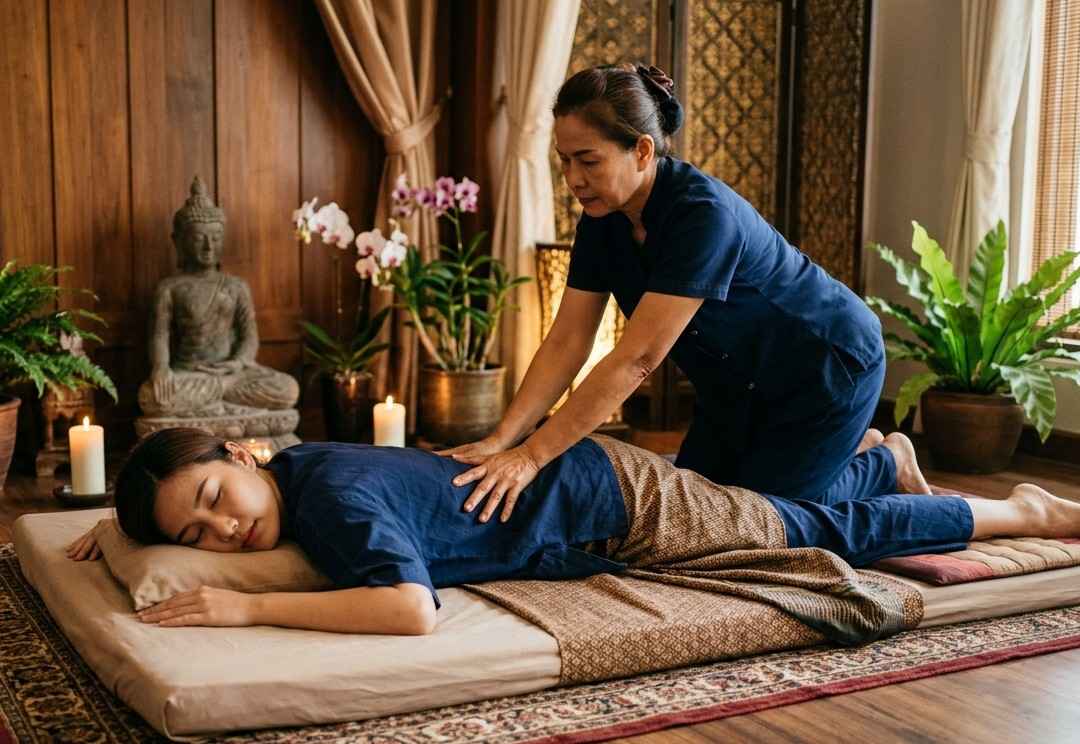
Thai massage is one of the world’s oldest healing practices, combining stretching, acupressure, rhythmic compression, and mindful breathing into a deeply restorative experience. Unlike traditional oil massages that mainly focus on muscles, Thai massage works on the body’s energy pathways while improving flexibility, circulation, and overall relaxation.
Often called “lazy yoga,” Thai massage involves assisted stretches that help release tension and improve mobility without requiring physical effort from the receiver. This ancient therapy has become increasingly popular worldwide because it supports both physical and mental wellness naturally.
Whether you are looking to reduce stress, relieve muscle stiffness, improve flexibility, or simply experience a different style of bodywork, Thai massage offers a unique and holistic approach to healing.
What Is Thai Massage?
Thai massage is a traditional therapeutic practice that originated in Thailand more than 2,500 years ago. It combines elements of acupressure, yoga stretching, meditation, and energy balancing techniques.
During a Thai massage session, the therapist uses their hands, thumbs, elbows, knees, and feet to apply pressure and guide the body through gentle stretches. Unlike Swedish massage, Thai massage is usually performed on a floor mat while the client remains fully clothed in loose, comfortable clothing.
The treatment follows invisible energy lines in the body known as “Sen lines,” which are believed to influence physical and emotional health. By stimulating these pathways, Thai massage aims to restore balance and encourage natural healing.
History of Thai Massage
Thai massage has roots in ancient Ayurvedic medicine and Buddhist healing traditions. It is commonly associated with Jivaka Kumar Bhaccha, a physician believed to have treated the Buddha.
Over centuries, the practice evolved through influences from India, China, and Southeast Asian medicine. Thai temples preserved and taught these healing techniques, making massage an important part of Thailand’s cultural and medical heritage.
Today, Thai massage is practiced globally in wellness centers, spas, and therapeutic clinics.
Types of Thai Massage
Traditional Thai Massage
This classic form focuses on deep stretching, acupressure, and energy line work. No oils are typically used.
Thai Oil Massage
A gentler version that combines traditional Thai techniques with aromatic oils and smoother massage strokes.
Thai Herbal Compress Massage
Warm herbal pouches filled with medicinal herbs are pressed onto the body to reduce tension and inflammation.
Thai Foot Massage
Focuses on pressure points in the feet believed to correspond to different organs and systems in the body.
Thai Sports Massage
Designed for athletes and active individuals to improve flexibility, muscle recovery, and mobility.
How Thai Massage Works
Thai massage works through a combination of physical manipulation, stretching, and pressure point therapy.
The therapist may:
- Apply rhythmic pressure using palms and thumbs
- Stretch the body into yoga-like positions
- Rock and mobilize joints
- Compress muscles gently
- Encourage deep breathing during stretches
These techniques help release muscular tension, improve circulation, and stimulate the nervous system.
20 Proven Benefits of Thai Massage
1. Improves Flexibility
Massage stretches muscles and joints, helping improve range of motion and body flexibility.
2. Reduces Muscle Tension
Pressure and stretching techniques help release tight muscles and chronic stiffness.
3. Enhances Blood Circulation
Rhythmic compression improves circulation and oxygen delivery throughout the body.
4. Relieves Stress
Thai massage promotes deep relaxation and helps calm the nervous system.
5. Boosts Energy Levels
Many people feel refreshed and energized after a session due to improved circulation and energy flow.
6. Supports Better Posture
Stretching tight muscles can improve body alignment and posture.
7. Eases Back Pain
Massage may help reduce lower back discomfort and muscle strain.
8. Helps With Neck and Shoulder Pain
Pressure techniques target common tension areas caused by stress or poor posture.
9. Improves Joint Mobility
Gentle joint movements help maintain flexibility and mobility.
10. Encourages Better Sleep
Relaxation and stress reduction may contribute to improved sleep quality.
11. Supports Mental Clarity
Relaxation can improve focus, concentration, and mental calmness.
12. Reduces Headaches
Tension-relieving techniques may help decrease stress-related headaches.
13. Helps Athletic Recovery
Stretching and circulation support muscle recovery after exercise.
14. Improves Body Awareness
Massage encourages mindfulness and awareness of body movement.
15. Supports Digestive Health
Some abdominal techniques may stimulate digestion and circulation.
16. Promotes Relaxation Without Oils
Traditional Thai massage offers deep relaxation without requiring massage oils.
17. May Reduce Anxiety
Calming touch and breathing support emotional relaxation.
18. Enhances Energy Flow
Thai healing traditions believe the therapy restores balance in energy pathways.
19. Supports Healthy Circulation
Compression techniques encourage healthy blood and lymphatic flow.
20. Encourages Overall Wellness
Regular sessions may support long-term physical and emotional balance.
Thai Massage Techniques
Acupressure
Pressure is applied to specific points on the body to release tension and stimulate healing.
Assisted Stretching
The therapist gently stretches the body into yoga-like positions to improve flexibility.
Palm Pressing
Broad palm pressure relaxes muscles and improves circulation.
Joint Mobilization
Gentle movements help maintain joint mobility and reduce stiffness.
Rhythmic Compression
Repeated compression techniques relax muscles and calm the nervous system.
Common Oils Used in Thai Massage
- Coconut Oil: A lightweight and nourishing oil that moisturizes the skin and provides smooth massage movements.
- Sweet Almond Oil: Popular for its gentle texture and vitamin-rich properties that help soften and hydrate the skin.
- Jojoba Oil: Closely resembles the skin’s natural oils and is suitable for sensitive or acne-prone skin.
- Sesame Oil: Frequently used in traditional Asian therapies because of its warming and soothing qualities.
- Olive Oil: Rich in antioxidants and often used for deep hydration during massage treatments.
- Grapeseed Oil: A light, non-greasy oil commonly used for smooth gliding techniques.
- Lavender Essential Oil: Added for relaxation and stress relief due to its calming aroma.
- Lemongrass Oil: Widely used in Thai spa treatments for its refreshing scent and energizing effect.
- Peppermint Oil: Often included to create a cooling sensation and help ease muscle tension.
- Eucalyptus Oil: Known for its refreshing aroma and commonly used to support relaxation and easier breathing.
- Ginger Oil: Used in some Thai herbal massage treatments for its warming and soothing effects.
- Jasmine Oil: A fragrant oil often used in luxury Thai spa therapies for relaxation and mood enhancement.
What Happens During a Thai Massage Session?
A typical Thai massage session may last between 60 and 120 minutes.
Before the Session
- You usually wear loose-fitting clothing
- Shoes and jewelry are removed
- The therapist may ask about health concerns or injuries
During the Session
- You lie on a padded floor mat
- The therapist performs stretches and pressure techniques
- Deep breathing may be encouraged
- No oils are typically used in traditional Thai massage
After the Session
- You may feel relaxed, energized, or slightly sore
- Drinking water is recommended
- Gentle movement can help maintain flexibility
10 Possible Side Effects of Thai Massage
1. Muscle Soreness
Deep pressure and stretching may cause mild soreness similar to post-exercise discomfort.
2. Fatigue
Some people feel tired or sleepy after a session due to deep relaxation.
3. Temporary Pain or Tenderness
Sensitive muscles and pressure points may feel tender for a short time afterward.
4. Mild Bruising
Strong pressure techniques can occasionally lead to light bruising in sensitive individuals.
5. Headache
Dehydration or tension release may trigger mild headaches after massage.
6. Dizziness
Standing up too quickly after a session may cause temporary lightheadedness.
7. Increased Urination
Massage may stimulate circulation and fluid movement, leading to more frequent urination.
8. Emotional Release
Some individuals may experience emotional sensitivity or mood changes after deep relaxation.
9. Joint Discomfort
Overstretching during aggressive sessions may cause temporary joint discomfort.
10. Skin Irritation
If oils or herbal products are used, sensitive skin may react with redness or irritation.
Thai Massage vs Swedish Massage
| Feature | Thai Massage | Swedish Massage |
|---|---|---|
| Clothing | Fully clothed | Undressed with draping |
| Oils | Usually no oils | Uses massage oils |
| Technique | Stretching and pressure | Long gliding strokes |
| Position | Floor mat | Massage table |
| Intensity | More active | More relaxing |
| Flexibility Focus | High | Moderate |
Thai Massage vs Deep Tissue Massage
| Feature | Thai Massage | Deep Tissue Massage |
|---|---|---|
| Main Focus | Stretching and energy flow | Muscle tension release |
| Pressure Style | Rhythmic pressure | Deep muscle pressure |
| Movement | Active stretching | Mostly stationary |
| Clothing | Clothed | Usually undressed |
| Oils | Rarely used | Often used |
Who Can Benefit From Thai Massage?
Thai massage may be helpful for:
- Office workers with stiffness
- Athletes and fitness enthusiasts
- People with stress or tension
- Individuals with limited flexibility
- Those seeking holistic wellness
- People with mild muscle discomfort
Who Should Avoid Thai Massage?
Thai massage may not be suitable for everyone.
Consult a healthcare professional before receiving Thai massage if you have:
- Severe osteoporosis
- Recent surgery
- Fractures or injuries
- Heart conditions
- Pregnancy complications
- Blood clotting disorders
- Severe spinal problems
Always inform the therapist about medical conditions beforehand.
Thai Herbal Compress Massage
Thai herbal compress therapy involves warm cloth pouches filled with medicinal herbs such as:
- Lemongrass
- Turmeric
- Ginger
- Kaffir lime
- Camphor
The warm compresses are pressed onto the body to relax muscles and improve circulation.
Benefits of Herbal Compress Massage:
- Relaxes sore muscles
- Reduces stiffness
- Promotes relaxation
- May help reduce inflammation
- Provides soothing warmth
Thai Foot Massage
Thai foot massage focuses on pressure points in the feet and lower legs.
Practitioners believe these points correspond to different organs and body systems.
Benefits of Thai Foot Massage:
- Relieves tired feet
- Encourages relaxation
- Improves circulation
- Supports stress relief
- May reduce foot discomfort
Thai Massage for Athletes
Athletes often use Thai massage to support recovery and flexibility.
Potential Athletic Benefits:
- Improved mobility
- Reduced muscle tightness
- Faster recovery
- Better circulation
- Increased range of motion
Sports-focused Thai massage may be more intense and targeted.
Thai Massage for Stress Relief
Stress can lead to muscle tension, headaches, fatigue, and poor sleep. Thai massage combines movement, touch, and relaxation techniques that may help reduce stress naturally.
Many people report feeling mentally refreshed and emotionally calmer after sessions.
Thai Massage and Flexibility
One of the most recognized benefits of Thai massage is improved flexibility.
Assisted stretching may help:
- Loosen tight muscles
- Improve posture
- Enhance mobility
- Reduce stiffness
- Increase movement efficiency
Regular sessions can be particularly useful for people who sit for long periods.
Thai Massage and Energy Lines
Traditional Thai medicine describes energy pathways called Sen lines that flow through the body.
Blockages in these pathways are believed to contribute to discomfort and imbalance. Thai massage techniques aim to stimulate and open these energy channels.
While modern science does not fully confirm these concepts, many people experience relaxation and relief after treatment.
How Often Should You Get Thai Massage?
Frequency depends on individual goals and lifestyle.
General Recommendations:
- Once monthly for maintenance
- Weekly for chronic tension or stress
- Before or after sports activities for athletes
- Occasionally for relaxation and wellness
Consistency often produces the best long-term results.
Tips Before Getting a Thai Massage
- Avoid large meals beforehand
- Wear comfortable clothing
- Stay hydrated
- Arrive early to relax
- Inform the therapist about injuries or health concerns
Tips After Thai Massage
- Drink plenty of water
- Rest if needed
- Stretch gently
- Avoid intense exercise immediately afterward
- Listen to your body
Common Myths About Thai Massage
Myth 1: Thai Massage Is Painful
Thai massage may involve deep pressure and stretching, but it should not be excessively painful.
Myth 2: It Is Only for Flexible People
Thai massage can benefit people of all flexibility levels.
Myth 3: Thai Massage Is Only Relaxation
It also supports mobility, circulation, and muscle recovery.
Myth 4: Oils Are Always Used
Traditional Thai massage usually does not involve oils.
Thai Massage in Modern Wellness
Massage has become a popular therapy in:
- Wellness retreats
- Luxury spas
- Sports recovery centers
- Holistic healing clinics
- Physical therapy settings
Its blend of stretching and relaxation appeals to people seeking natural wellness solutions.
Scientific Research on Thai Massage
Some studies suggest massage may help:
- Reduce stress
- Improve flexibility
- Ease muscle tension
- Support circulation
- Reduce mild pain symptoms
However, more large-scale scientific research is still needed to fully confirm all traditional claims.
How to Choose a Good Thai Massage Therapist
- Look for Proper Certification: Choose therapists trained in recognized massage programs.
- Read Reviews: Client experiences can help identify reputable practitioners.
- Check Hygiene Standards: Clean facilities and proper sanitation are important.
- Communicate Clearly: A good therapist listens to your needs and comfort levels.
- Ask About Experience: Experienced therapists often provide safer and more effective sessions.
Thai Massage at Home
Some gentle massage-inspired stretches can be practiced at home with guidance.
- Gentle yoga stretches
- Deep breathing exercises
- Self-massage techniques
- Foam rolling
- Meditation
Professional sessions are still recommended for full therapeutic benefits.
The Growing Popularity of Thai Massage
Massage has gained international recognition due to growing interest in:
- Natural healing
- Holistic wellness
- Stress management
- Preventive healthcare
- Fitness recovery
Many wellness travelers visit Thailand specifically to experience authentic massage traditions.
Final Thoughts
Thai massage is a unique healing art that combines stretching, acupressure, movement, and mindfulness into a deeply therapeutic experience. Its holistic approach supports flexibility, circulation, stress relief, and overall well-being.
Whether you are seeking relaxation, improved mobility, athletic recovery, or natural wellness support, massage offers a time-tested practice that continues to benefit people around the world.
FAQ’s
Is Thai massage painful?
Massage may involve deep pressure and stretching, but it should not be unbearably painful. The pressure can usually be adjusted for comfort.
What should I wear to a Thai massage?
Loose, breathable, and comfortable clothing is usually recommended for a massage session.
How long does a Thai massage session last?
Most massage sessions last between 60 and 120 minutes depending on the treatment type.
Is Thai massage safe for everyone?
Massage may not be suitable for people with certain medical conditions, injuries, fractures, or pregnancy complications. Consulting a healthcare professional is recommended if unsure.
Does Thai massage use oil?
Traditional massage usually does not use oils, although Thai oil massage combines Thai techniques with massage oils.
Can Thai massage help with back pain?
Massage may help reduce mild back tension and stiffness by improving flexibility and circulation.
Is Thai massage good for stress relief?
Yes, many people use massage to relax the body, calm the mind, and reduce stress levels naturally.
Can beginners get Thai massage?
Yes, massage can be adjusted for beginners and people with limited flexibility.
Does Thai massage improve flexibility?
Massage is well known for assisted stretching techniques that may improve flexibility and joint mobility.
Is Thai massage hard or soft?
Massage can range from gentle to deep depending on the therapist’s technique and your comfort level.
Can Thai massage crack your back?
Some stretching movements may create popping or cracking sounds in joints, similar to stretching exercises, but it should not feel harmful.
Does Thai massage include stretching?
Yes, assisted stretching is one of the main features of traditional massage.
What’s so special about Thai massage?
Massage combines stretching, acupressure, and relaxation techniques to improve flexibility and reduce stress.
What not to do before a Thai massage?
Avoid heavy meals, alcohol, and intense workouts before your session.
What if I get hard during Thai massage?
It can happen unintentionally due to relaxation and is usually handled professionally.
What is the best thing to do after a Thai massage?
Drink water, rest, and avoid intense activity for a few hours.
Also Read: