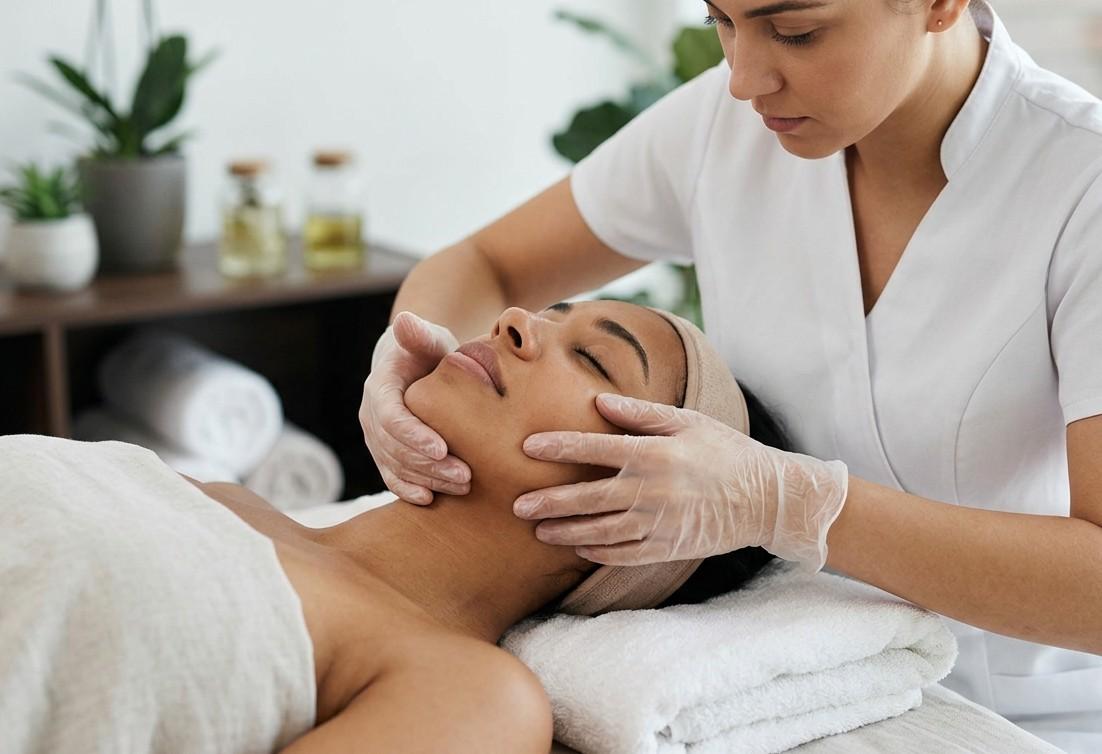
Buccal massage or Intraoral massage has become one of the most talked-about facial treatments in the beauty and wellness industry. Celebrities, skincare professionals, and facial therapists often praise this unique massage technique for its ability to sculpt the face, release tension, and improve overall skin appearance naturally. Unlike traditional facials that only work on the outer surface of the skin, buccal massage targets the muscles inside the cheeks as well as the external facial muscles.
This advanced facial massage combines relaxation, skincare, and muscle therapy in one treatment. Many people seek buccal massage for jaw tension, facial puffiness, stress relief, and facial contouring without invasive procedures. The treatment is especially popular among individuals who experience tightness in the jaw from stress, teeth grinding, or excessive screen time. In this guide, you will learn what buccal massage is, how it works, its benefits, side effects, techniques, and aftercare tips.
What Is Buccal Massage?
Buccal massage is a specialized facial massage technique that involves massaging the muscles inside the mouth and along the cheeks, jawline, and face. The word “buccal” comes from the Latin word “bucca,” meaning cheek.
During the treatment, a trained therapist wears gloves and gently massages the inner cheek muscles while simultaneously working on the outer facial muscles. This dual-action approach helps release tension, improve circulation, and stimulate facial tissues more deeply than traditional facial massage methods.
Buccal massage is commonly used in:
- Facial sculpting treatments
- Anti-aging skincare routines
- TMJ and jaw tension relief
- Stress reduction therapies
- Holistic beauty treatments
The technique is often compared to a workout for the face because it targets deeper facial muscles that are rarely stimulated through normal skincare practices.
How Buccal Massage Works
The human face contains dozens of muscles responsible for facial expressions, chewing, speaking, and emotional tension. Over time, these muscles may become tight, stiff, or weakened due to stress, aging, poor posture, or repetitive movements.
Buccal massage works by:
- Stimulating blood circulation
- Relaxing tight facial muscles
- Encouraging lymphatic drainage
- Improving oxygen delivery to the skin
- Reducing facial tension
- Enhancing natural facial contours
The therapist typically massages:
- Cheeks
- Jawline
- Nasolabial folds
- Mouth area
- Chin
- Temporomandibular joint (TMJ)
By working both externally and internally, the massage can reach deeper muscle layers that standard facial treatments cannot access.
History of Buccal Massage
Although buccal massage recently gained popularity on social media and in luxury spas, the technique has roots in traditional facial therapies and holistic wellness practices. Variations of intraoral massage have been used in Europe and Asia for many years.
Modern buccal massage became more widely recognized through French facial sculpting experts who used the method to naturally lift and contour the face. Today, the treatment is commonly offered in:
- Medical spas
- Luxury salons
- Holistic wellness centers
- Facial therapy clinics
- Cosmetic treatment centers
20 Proven Benefits of Buccal Massage
1. Relieves Jaw Tension
Intraoral massage helps loosen tight jaw muscles caused by stress, clenching, or teeth grinding.
2. Improves Blood Circulation
The massage stimulates circulation, helping oxygen and nutrients reach skin tissues more effectively.
3. Reduces Facial Puffiness
Lymphatic drainage during the treatment may help decrease swelling and water retention in the face.
4. Promotes Natural Facial Contouring
The technique can create a more sculpted appearance by relaxing tight muscles and improving muscle tone.
5. Softens Fine Lines
Improved circulation and muscle relaxation may reduce the appearance of fine lines temporarily.
6. Supports Lymphatic Drainage
Intraoral massage encourages the removal of toxins and excess fluids from facial tissues.
7. Enhances Skin Glow
Better blood flow can give the skin a brighter and healthier appearance.
8. Helps with TMJ Discomfort
The massage may ease discomfort related to temporomandibular joint tension.
9. Reduces Stress
Facial massage can promote deep relaxation and calmness throughout the body.
10. Improves Muscle Flexibility
Working the facial muscles helps improve elasticity and movement.
11. Releases Emotional Tension
Many people store emotional stress in the jaw and face, which buccal massage may help release.
12. May Reduce Headaches
Relaxing facial and jaw muscles can sometimes reduce tension-related headaches.
13. Encourages Collagen Production
Improved circulation may support collagen synthesis over time.
14. Supports Better Facial Symmetry
Muscle balancing techniques may help improve uneven facial tension patterns.
15. Improves Product Absorption
Massage increases skin permeability, allowing skincare products to absorb more effectively.
16. Tightens Facial Appearance
The treatment may temporarily create a firmer and lifted look.
17. Reduces Muscle Stiffness
Deep facial muscle work helps loosen stiff or overworked muscles.
18. Supports Relaxed Facial Expressions
The massage can soften tight facial expressions caused by stress or tension.
19. Helps Reduce Sinus Pressure
Gentle facial stimulation may improve sinus drainage and reduce pressure.
20. Provides a Non-Invasive Beauty Treatment
Intraoral massage offers facial sculpting benefits without injections or surgery.
Buccal Massage Techniques
A professional buccal massage session typically follows several steps.
Cleansing the Face
The therapist first cleans the face thoroughly to remove makeup, dirt, and oil.
External Facial Massage
The session often begins with gentle massage strokes on the:
- Neck
- Jawline
- Cheeks
- Forehead
This helps relax surface muscles and improve circulation.
Intraoral Massage
The therapist wears sterile gloves and carefully massages the inside of the cheeks using gentle pressure.
The internal massage focuses on:
- Buccinator muscles
- Jaw muscles
- Cheek tissues
- Mouth area tension points
Sculpting Movements
Firm lifting and sculpting techniques may be applied externally to contour the face.
Lymphatic Drainage
Gentle strokes encourage fluid movement and reduce puffiness.
Finishing Skincare
The session usually ends with moisturizing products, serums, or soothing masks.
What Does Buccal Massage Feel Like?
The sensation varies from person to person. Many people describe it as:
- Deeply relaxing
- Slightly unusual at first
- Gentle but firm
- Tension-relieving
- Refreshing
Some areas with tight muscles may feel mildly tender during the session, especially around the jawline or cheeks. However, the massage should not be excessively painful when performed correctly.
Who Can Benefit from Buccal Massage?
Intraoral massage may benefit individuals who experience:
- Jaw clenching
- Facial tension
- Teeth grinding
- Facial puffiness
- Stress-related tightness
- Mild facial asymmetry
- Dull skin
- Tired-looking skin
- Tension headaches
- TMJ discomfort
It is also popular among people seeking natural facial rejuvenation without cosmetic procedures.
Buccal Massage for TMJ and Jaw Tension
One of the most common reasons people try buccal massage is to relieve TMJ discomfort and jaw tightness.
The temporomandibular joint connects the jawbone to the skull. Stress, grinding teeth, or poor posture can strain this area and cause symptoms such as:
- Jaw pain
- Clicking sounds
- Headaches
- Facial soreness
- Difficulty opening the mouth
Intraoral massage helps relax surrounding muscles and reduce pressure around the joint.
Buccal Massage for Facial Sculpting
Facial sculpting is another major reason for the popularity of buccal massage.
The treatment may temporarily create:
- More defined cheekbones
- A slimmer-looking face
- Improved jawline appearance
- Reduced puffiness
- Lifted facial contours
Results vary depending on:
- Muscle tension
- Facial anatomy
- Hydration
- Lifestyle habits
- Frequency of treatments
Buccal Massage vs Traditional Facial Massage
| Feature | Buccal Massage | Traditional Facial Massage |
|---|---|---|
| Works Inside the Mouth | Yes | No |
| Targets Deep Muscles | Yes | Limited |
| Facial Sculpting Effect | Stronger | Mild |
| Jaw Tension Relief | Excellent | Moderate |
| Lymphatic Drainage | Yes | Yes |
| Invasiveness | Non-invasive | Non-invasive |
| Sensation | Deeper pressure | Gentle relaxation |
Buccal Massage vs Gua Sha
| Feature | Buccal Massage | Gua Sha |
|---|---|---|
| Uses Hands | Yes | No |
| Uses Tools | No | Yes |
| Works Internally | Yes | No |
| Focuses on Muscle Release | Strongly | Moderately |
| Skin Stimulation | Moderate | High |
| Jaw Tension Relief | Excellent | Good |
10 Side Effects of Buccal Massage
Although buccal massage is generally considered safe when performed by a trained professional, some temporary side effects may occur.
1. Mild Soreness
Deep muscle work may cause slight soreness after treatment.
2. Tenderness
Sensitive facial areas can feel tender temporarily.
3. Redness
Increased circulation may cause temporary redness.
4. Minor Swelling
Some people experience slight swelling immediately after treatment.
5. Bruising
Aggressive pressure may rarely lead to bruising.
6. Skin Sensitivity
Sensitive skin types may react to friction or massage oils.
7. Temporary Breakouts
Massage may stimulate oil movement and trigger minor breakouts in some individuals.
8. Jaw Fatigue
The jaw muscles may feel tired after deep tension release.
9. Irritation Inside the Mouth
Improper technique can irritate inner cheek tissues.
10. Headache
Occasionally, muscle release may temporarily trigger mild headaches.
Who Should Avoid Buccal Massage?
Intraoral massage may not be suitable for everyone.
Avoid the treatment if you have:
- Active acne infections
- Open wounds
- Oral infections
- Recent facial surgery
- Severe TMJ disorders without medical approval
- Skin infections
- Dental abscesses
- Cold sores
- Severe rosacea flare-ups
- Recent fillers or Botox unless approved by a professional
Always consult a qualified healthcare provider if you have medical concerns.
How Long Does a Buccal Massage Session Last?
A typical buccal massage session lasts between:
- 30 minutes
- 60 minutes
- 90 minutes
The duration depends on:
- Treatment goals
- Facial tension level
- Additional skincare services
- Therapist techniques
How Often Should You Get Buccal Massage?
Frequency depends on individual goals.
For Relaxation
Once or twice monthly may be sufficient.
For Facial Sculpting
Weekly sessions may produce more noticeable results initially.
For Jaw Tension
Regular sessions every 1–2 weeks may help maintain muscle relaxation.
Many people combine buccal massage with:
- Good skincare
- Hydration
- Healthy diet
- Stress management
- Facial exercises
Buccal Massage Aftercare Tips
Proper aftercare may help maximize results.
- Stay Hydrated: Drink water to support lymphatic drainage and muscle recovery.
- Avoid Heavy Makeup Immediately: Give the skin time to breathe after treatment.
- Use Gentle Skincare: Avoid harsh exfoliants or active ingredients for several hours.
- Avoid Excessive Jaw Strain: Try not to chew excessively hard foods immediately afterward.
- Rest if Needed: Some people feel deeply relaxed or sleepy after the session.
Can You Perform Buccal Massage at Home?
Basic facial massage techniques can be done at home, but true intraoral buccal massage should ideally be performed by a trained professional.
Improper technique may cause:
- Muscle irritation
- Jaw strain
- Tissue damage
- Infection risk
If attempting gentle self-massage:
- Wash hands thoroughly
- Use clean gloves
- Apply gentle pressure only
- Avoid excessive force
Professional training is strongly recommended for advanced techniques.
Buccal Massage and Anti-Aging
Many people include intraoral massage in anti-aging routines because facial muscles change with age. Muscle tension and loss of elasticity can contribute to:
- Sagging skin
- Fine lines
- Puffiness
- Facial stiffness
Intraoral massage may help temporarily improve:
- Facial tone
- Circulation
- Skin radiance
- Muscle relaxation
While it is not a replacement for medical cosmetic procedures, many people appreciate its natural approach to facial care.
Buccal Massage and Stress Relief
Stress often accumulates in the jaw, forehead, and facial muscles. Intraoral massage may help calm the nervous system through deep facial muscle release.
Potential relaxation benefits include:
- Reduced facial tension
- Improved comfort
- Better relaxation
- Reduced clenching habits
- Improved sense of well-being
Many people report feeling emotionally lighter after the treatment.
Choosing a Buccal Massage Professional
Selecting a qualified therapist is important for safety and effectiveness.
Look for professionals who:
- Have specialized intraoral massage training
- Follow hygiene standards
- Use gloves properly
- Understand facial anatomy
- Have positive client reviews
- Work in a clean environment
Do not hesitate to ask about:
- Certifications
- Experience
- Sanitation practices
- Treatment methods
Common Myths About Buccal Massage
Myth 1: Buccal Massage Is Painful
Most sessions are gentle and relaxing, though tight muscles may feel tender.
Myth 2: Results Are Permanent
The effects are usually temporary and require maintenance sessions.
Myth 3: It Replaces Cosmetic Procedures
Intraoral massage supports natural facial appearance but does not replace surgical procedures.
Myth 4: Anyone Can Perform It
Proper training is important to avoid injury or discomfort.
Myth 5: It Is Only for Beauty
Many people use Intraoral massage for stress relief and jaw tension management.
Final Thoughts
Buccal massage is a unique facial therapy that combines beauty, wellness, and muscle relaxation techniques into one treatment. By targeting both external and internal facial muscles, it offers deeper muscle release than standard facial massages.
People seek Intraoral massage for many reasons, including facial sculpting, stress relief, jaw tension reduction, improved circulation, and natural skin rejuvenation. While the treatment is generally safe when performed by trained professionals, proper hygiene and technique are essential.
FAQ’s
Does buccal massage actually work?
Yes, Intraoral massage may help reduce facial tension, improve circulation, decrease puffiness, and temporarily enhance facial contour when performed regularly by a trained professional.
What does buccal massage do?
It helps improve circulation, reduce jaw tension, decrease puffiness, and enhance facial contour naturally.
Is buccal massage painful?
Intraoral massage is usually gentle, though tight muscles may feel slightly tender during treatment.
Can buccal massage slim the face?
It may temporarily create a slimmer appearance by reducing puffiness and relaxing tight facial muscles.
Does buccal massage help with TMJ?
Yes, it may help relieve jaw tightness and discomfort related to TMJ tension.
Are buccal massage results permanent?
No, results are temporary and usually require regular sessions for maintenance.
Can buccal massage help with wrinkles?
It may soften fine lines temporarily by improving circulation and relaxing facial muscles.
Is buccal massage safe?
Yes, when performed by a trained professional using proper hygiene techniques.
Can you do buccal massage at home?
Basic facial massage can be done at home, but professional training is recommended for intraoral techniques.
What should you avoid after buccal massage?
Avoid harsh skincare products, heavy makeup, and excessive jaw strain immediately after treatment.
Does buccal massage help with puffiness?
Yes, the treatment may support lymphatic drainage and reduce facial swelling.
What does buccal massage feel like?
Most people describe it as relaxing, deep, and tension-relieving with gentle pressure inside the cheeks.
Also Read: