Pregnancy is a life-changing journey that brings excitement, anticipation, and many physical and emotional changes. As the body adapts to support a growing baby, discomforts such as back pain, swollen feet, fatigue, stress, and muscle tension often become part of daily life. Prenatal massage has become a popular wellness therapy for expectant mothers because it offers relaxation while also supporting physical comfort throughout pregnancy.
Prenatal massage is more than just a luxury spa treatment. When performed correctly by a trained therapist, it can help improve circulation, reduce stress hormones, ease joint pain, and promote better sleep. Many women find that regular prenatal massage sessions help them feel calmer, lighter, and more connected to their changing bodies.
This guide explains everything you need to know about prenatal massage (also known as pregnancy massage or maternity massage), including its benefits, techniques, safety guidelines, possible side effects, and what to expect during a session.
What Is Prenatal Massage?
Prenatal massage is a specialized type of massage therapy designed specifically for pregnant women. It focuses on the unique physical and emotional changes that occur during pregnancy. Unlike regular massage, prenatal massage uses modified techniques, positioning, and pressure levels to ensure the comfort and safety of both mother and baby.
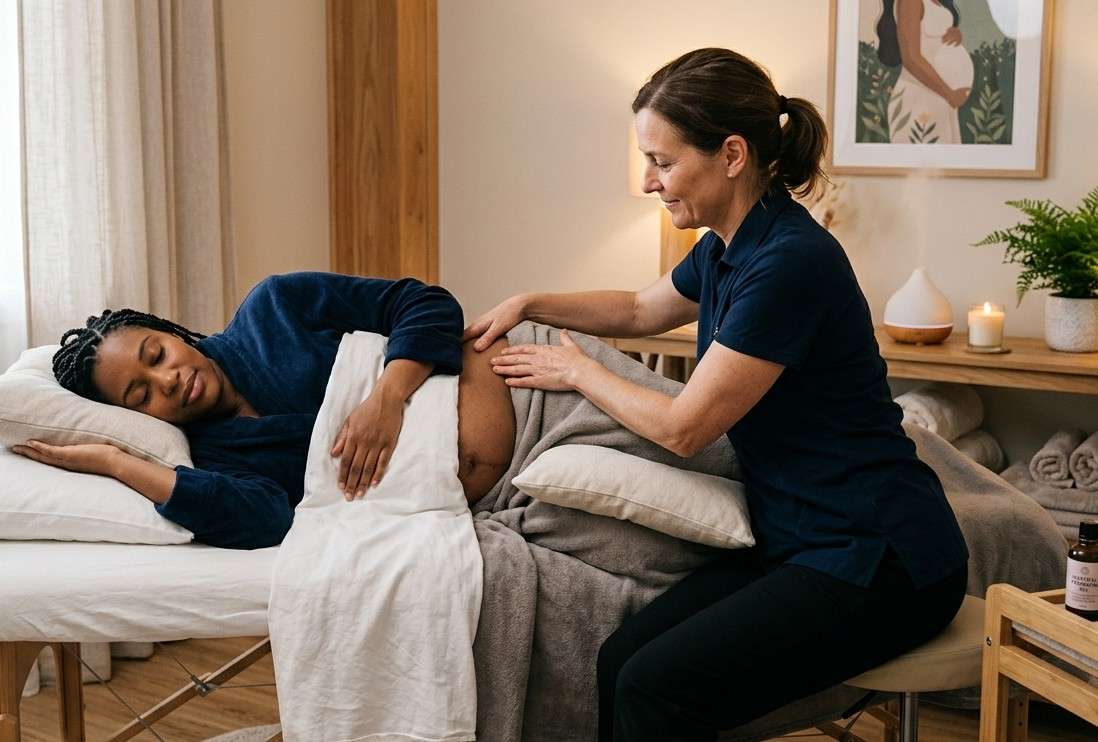
Therapists trained in prenatal massage understand how pregnancy affects muscles, joints, circulation, and posture. They use supportive cushions or side-lying positions to avoid pressure on the abdomen and improve relaxation.
Prenatal massage may include:
- Gentle Swedish massage techniques
- Light stretching
- Muscle relaxation methods
- Circulation-enhancing strokes
- Stress-relief techniques
The massage can target common pregnancy discomfort areas such as:
- Lower back
- Hips
- Legs
- Feet
- Shoulders
- Neck
Prenatal massage is generally considered safe for most healthy pregnancies after the first trimester when performed by a certified pregnancy massage therapist.
How Prenatal Massage Works
During pregnancy, the body experiences hormonal, structural, and emotional changes that can place stress on muscles and joints. Prenatal massage works by stimulating soft tissues, improving blood flow, reducing muscle tension, and encouraging relaxation.
Massage therapy can influence the nervous system by lowering cortisol levels, the hormone associated with stress. It may also increase serotonin and dopamine levels, which support mood and emotional well-being.
Improved circulation helps deliver oxygen and nutrients throughout the body while reducing fluid retention and swelling. Relaxed muscles can reduce pressure on nerves and joints, which may decrease pregnancy-related pain.
Types of Prenatal Massage
Swedish Prenatal Massage
This is the most common form of pregnancy massage. It uses long, gentle strokes, kneading, and circular movements to relax muscles and improve circulation.
Benefits:
- Reduces stress
- Relieves muscle tension
- Improves sleep
- Supports circulation
Deep Tissue Prenatal Massage
Deep tissue techniques may be used carefully in certain areas if the mother experiences severe muscle tightness. Pressure is usually lighter than traditional deep tissue massage.
Benefits:
- Helps chronic pain
- Eases tight hips and shoulders
- Reduces stiffness
Reflexology During Pregnancy
Reflexology focuses on pressure points in the feet, hands, and ears. Some therapists incorporate gentle reflexology into prenatal care.
Benefits:
- Promotes relaxation
- May reduce foot discomfort
- Helps stress relief
Lymphatic Drainage Massage
This gentle technique supports lymph movement and may help reduce swelling during pregnancy.
Benefits:
- Reduces fluid retention
- Helps swollen ankles and feet
- Encourages circulation
20 Proven Benefits of Prenatal Massage
1. Relieves Lower Back Pain
Pregnancy massage helps reduce tension in the lower back caused by extra pregnancy weight and shifting posture.
2. Reduces Swelling
Improved circulation and lymph flow may decrease swelling in the feet, ankles, and hands.
3. Improves Blood Circulation
Massage supports healthy blood flow, helping oxygen and nutrients move efficiently through the body.
4. Decreases Muscle Tension
Tight muscles in the hips, shoulders, and legs can relax during massage therapy.
5. Supports Better Sleep
Relaxation from massage may improve sleep quality and reduce insomnia during pregnancy.
6. Reduces Stress Hormones
Massage therapy can help lower cortisol levels and encourage emotional calmness.
7. Helps Hip Pain
Prenatal massage may reduce discomfort caused by pelvic and hip pressure.
8. Eases Sciatic Nerve Pain
Massage can reduce muscle tension around the sciatic nerve and relieve leg pain.
9. Improves Mood
Relaxation and improved circulation may help emotional balance during pregnancy.
10. Reduces Anxiety
Many pregnant women experience less anxiety after massage sessions.
11. Relieves Neck and Shoulder Tension
Postural changes during pregnancy often create upper body strain that massage can ease.
12. Promotes Relaxation
Pregnancy massage creates a calming effect for both body and mind.
13. Helps Leg Cramps
Massage may improve circulation and reduce nighttime leg cramps.
14. Supports Joint Comfort
Reduced muscle tightness can help decrease stress on joints.
15. Enhances Flexibility
Gentle stretching and relaxation may improve movement and mobility.
16. Encourages Better Posture
Relaxed muscles can help support healthier posture during pregnancy.
17. Reduces Fatigue
Massage may help increase energy by promoting relaxation and circulation.
18. Supports Emotional Well-Being
Many women feel emotionally refreshed after pregnancy massage sessions.
19. Improves Skin Nourishment
Enhanced circulation can support healthier skin appearance during pregnancy.
20. Encourages Mind-Body Connection
Prenatal massage allows mothers to slow down and connect with their changing bodies.
Prenatal Massage by Trimester
First Trimester
Some therapists avoid massage during the first trimester because miscarriage risk is naturally higher during this period, even though massage itself is not proven to cause miscarriage.
Common concerns:
- Morning sickness
- Fatigue
- Hormonal changes
Recommended approach:
- Gentle techniques
- Shorter sessions
- Medical approval if needed
Second Trimester
The second trimester is often considered the safest and most comfortable time for pregnancy massage.
Common discomforts:
- Back pain
- Leg cramps
- Hip tension
Massage focus:
- Muscle relaxation
- Circulation support
- Stress reduction
Third Trimester
As delivery approaches, massage may help reduce physical strain and improve relaxation.
Common discomforts:
- Swelling
- Pelvic pressure
- Sleep problems
Massage focus:
- Swelling reduction
- Lower back support
- Relaxation preparation for labor
Common Prenatal Massage Techniques
Effleurage
Long, gliding strokes that warm muscles and encourage relaxation.
Petrissage
Gentle kneading techniques that reduce muscle tightness.
Compression
Soft pressure applied to muscles to improve circulation.
Gentle Stretching
Improves flexibility and reduces stiffness.
Circular Motions
Small circular movements help relax muscle knots.
What Happens During a Prenatal Massage Session?
A prenatal massage session usually begins with a consultation. The therapist may ask about:
- Pregnancy stage
- Medical history
- Areas of discomfort
- High-risk conditions
- Pressure preferences
The mother is usually positioned:
- On her side with pillows
- Slightly reclined
- Supported with cushions
The therapist avoids direct pressure on the abdomen and certain sensitive pressure points.
Sessions typically last:
- 30 minutes
- 60 minutes
- 90 minutes
The environment is often calm and quiet to encourage deep relaxation.
Is Prenatal Massage Safe?
Prenatal massage is generally safe for healthy pregnancies when performed by a qualified therapist. However, safety depends on proper techniques and medical considerations.
Safety Tips:
- Choose a certified prenatal massage therapist
- Avoid lying flat on the back for long periods after mid-pregnancy
- Stay hydrated before and after massage
- Communicate discomfort immediately
- Avoid extremely deep pressure
Who Should Avoid Prenatal Massage?
Some pregnant women should consult a doctor before receiving massage therapy.
Conditions requiring medical approval:
- High-risk pregnancy
- Severe swelling
- Preeclampsia
- Blood clotting disorders
- Placenta complications
- Uncontrolled diabetes
- Severe hypertension
- Vaginal bleeding
- Fever or infection
If unusual symptoms occur after massage, medical attention should be sought immediately.
10 Possible Side Effects of Prenatal Massage
1. Mild Soreness
Some women may feel temporary muscle soreness after massage.
2. Fatigue
Deep relaxation may cause temporary tiredness.
3. Increased Urination
Improved circulation can increase fluid movement in the body.
4. Lightheadedness
Standing up too quickly after massage may cause dizziness.
5. Temporary Headache
Rarely, dehydration or muscle release may trigger headaches.
6. Emotional Sensitivity
Relaxation may sometimes release emotional tension.
7. Skin Sensitivity
Pregnancy hormones can make skin more sensitive to oils or pressure.
8. Nausea
Some women may feel mild nausea if pressure is too strong.
9. Discomfort from Positioning
Improper positioning can cause temporary discomfort.
10. Allergic Reactions
Certain massage oils or lotions may irritate sensitive skin.
Prenatal Massage and Mental Health
Pregnancy can bring emotional highs and lows. Hormonal changes, sleep disruption, and physical discomfort may contribute to stress or anxiety.
Prenatal massage may support mental wellness by:
- Encouraging relaxation
- Lowering stress hormones
- Promoting emotional balance
- Supporting restful sleep
Some studies suggest massage therapy may help reduce symptoms of prenatal anxiety and depression when combined with proper medical care.
Prenatal Massage for Back Pain
Back pain is one of the most common pregnancy complaints. As the abdomen grows, posture changes and additional weight strain the spine and muscles.
Prenatal massage may help by:
- Relaxing tense muscles
- Supporting spinal alignment
- Reducing inflammation
- Improving flexibility
Areas often targeted include:
- Lower back
- Hips
- Glutes
- Hamstrings
Prenatal Massage for Swollen Feet and Ankles
Fluid retention during pregnancy often causes swelling in the lower body. Gentle massage techniques may help move excess fluid through the lymphatic system.
Therapists usually use:
- Light upward strokes
- Gentle compression
- Circulation-enhancing movements
Women with severe or sudden swelling should consult a healthcare provider before massage.
Prenatal Massage and Sleep Quality
Sleep problems are common during pregnancy due to:
- Frequent urination
- Back discomfort
- Anxiety
- Hormonal changes
Massage encourages nervous system relaxation and may improve sleep duration and quality. Many women report feeling calmer and more rested after sessions.
Best Oils for Prenatal Massage
Many therapists use gentle oils that nourish the skin and reduce friction.
Common massage oils:
- Coconut oil
- Sweet almond oil
- Jojoba oil
- Grapeseed oil
Some essential oils should be avoided during pregnancy unless approved by a healthcare professional.
How Often Should You Get Prenatal Massage?
The ideal frequency depends on:
- Pregnancy stage
- Comfort level
- Health condition
- Budget
- Physical discomfort
General guidelines:
- Once monthly during early pregnancy
- Twice monthly during mid-pregnancy
- Weekly during late pregnancy if approved
Always follow medical advice for high-risk pregnancies.
Choosing a Prenatal Massage Therapist
Finding the right therapist is important for safety and comfort.
Look for:
- Prenatal massage certification
- Experience with pregnant clients
- Positive reviews
- Clean and professional environment
- Knowledge of pregnancy positioning
Do not hesitate to ask questions before booking a session.
Prenatal Massage at Home
Simple massage techniques can also be done at home with help from a partner.
Safe home massage tips:
- Use gentle pressure
- Avoid deep tissue work
- Support the body with pillows
- Focus on shoulders, feet, and back
- Stop if discomfort occurs
A warm, relaxing environment can improve the experience.
Prenatal Massage vs Regular Massage
| Prenatal Massage | Regular Massage |
|---|---|
| Designed for pregnancy | Designed for general clients |
| Uses pregnancy-safe positions | Often uses face-down positioning |
| Gentle pressure | May involve deep pressure |
| Focuses on pregnancy discomforts | Focuses on general muscle tension |
| Requires special training | Standard massage training |
Myths About Prenatal Massage
Myth 1: Massage Causes Miscarriage
There is no scientific proof that properly performed maternity massage causes miscarriage.
Myth 2: Pregnant Women Cannot Get Massages
Most healthy pregnant women can safely receive maternity massage with medical approval if necessary.
Myth 3: Foot Massage Always Triggers Labor
Gentle foot massage is generally safe, though some pressure points are avoided as a precaution.
Myth 4: Prenatal Massage Is Only for Relaxation
It can also help physical discomfort, circulation, and sleep quality.
Tips Before Your Prenatal Massage Appointment
- Eat a light meal beforehand
- Drink water
- Wear comfortable clothing
- Arrive early to relax
- Inform the therapist about medical conditions
- Mention pressure preferences
Tips After Prenatal Massage
- Stay hydrated
- Rest if needed
- Avoid strenuous activity immediately afterward
- Notice how your body feels
- Contact your healthcare provider if unusual symptoms occur
Final Thoughts
Prenatal massage can be a valuable part of pregnancy wellness when performed safely and professionally. It offers a natural way to reduce stress, ease muscle tension, improve circulation, and support emotional well-being during one of life’s most transformative experiences.
Every pregnancy is different, so it is important to listen to your body and consult your healthcare provider before beginning massage therapy, especially if you have a high-risk pregnancy or medical concerns. With proper care and guidance, maternity massage can provide comfort, relaxation, and support throughout pregnancy.
FAQ’s
Is prenatal massage painful?
Maternity massage is usually gentle and relaxing rather than painful.
What does prenatal massage include?
Maternity massage includes gentle techniques that help reduce pregnancy discomforts such as back pain, swelling, muscle tension, and stress while supporting relaxation and circulation.
When should you start prenatal massage?
Many women begin maternity massage during the second trimester, although some may receive gentle massage earlier with medical approval.
Can prenatal massage help with back pain?
Yes, maternity massage may help reduce lower back pain by relaxing tight muscles and improving posture support.
Does prenatal massage help swelling?
Gentle massage techniques can improve circulation and lymph flow, which may help reduce swelling in the feet and ankles.
Can prenatal massage improve sleep?
Many pregnant women report better sleep quality after maternity massage because it promotes relaxation and reduces stress.
Can prenatal massage induce labor?
Maternity massage is not intended to induce labor, though therapists may avoid certain pressure points as a precaution.
What should you avoid after prenatal massage?
After a maternity massage, it is best to stay hydrated, rest if needed, and avoid strenuous activities immediately afterward.
Can prenatal massage help sciatic pain?
Yes, maternity massage may ease sciatic nerve discomfort by reducing muscle tension around the hips and lower back.
What should you wear to a prenatal massage?
Comfortable, loose-fitting clothing is recommended for a maternity massage appointment.
How long does a prenatal massage session last?
Most maternity massage sessions last between 30 and 90 minutes depending on comfort and individual needs.
Also Read: