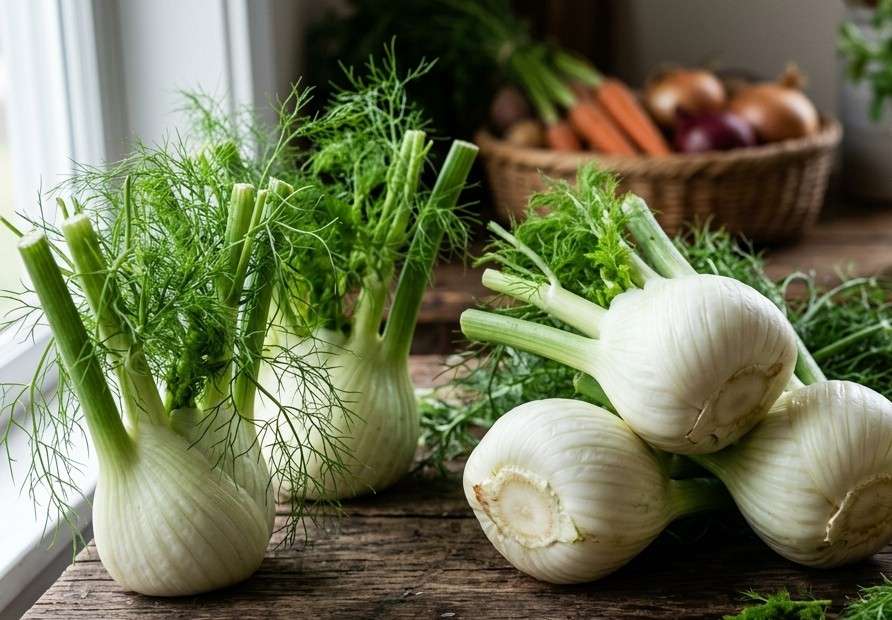
Fennel (also known as Florence fennel, bulb fennel, finocchio, sweet fennel, and Foeniculum vulgare) is a crunchy, aromatic vegetable and medicinal herb that has been valued for centuries for its unique flavor and impressive health benefits. Known for its mild licorice-like taste, fennel is widely used in cooking, herbal remedies, and traditional wellness practices around the world. From supporting digestion and heart health to providing antioxidants, vitamins, and fiber, fennel is considered a highly nutritious addition to a balanced diet. Its bulb, leaves, and seeds are all edible and can be enjoyed in salads, teas, soups, curries, and spice blends.
In this guide, we will explore the nutrition facts, science-backed health benefits, possible side effects, uses, dosage, storage tips, and everything else you need to know about fennel.
What is Fennel?
Fennel is a flavorful and aromatic plant that belongs to the carrot family. Scientifically known as Foeniculum vulgare, fennel is widely used as both a vegetable and a medicinal herb in many parts of the world. It has a crunchy white bulb, feathery green leaves, and seeds with a sweet licorice-like taste. Every part of the fennel plant is edible, including the bulb, stalks, leaves, and seeds.
Fennel has been used for centuries in traditional medicine systems such as Ayurveda and Traditional Chinese Medicine. It is commonly consumed raw in salads, cooked in soups and curries, brewed as tea, or chewed as a mouth freshener after meals. Fennel is rich in vitamins, minerals, antioxidants, and fiber, making it a nutritious addition to a healthy diet.
The seeds are especially popular for digestive support and are often used to reduce bloating, gas, and indigestion. Foeniculum vulgare is also valued for its refreshing aroma and culinary versatility. Whether eaten fresh or dried, fennel provides many health-promoting compounds that may support overall wellness.
Nutrition Facts of Fennel
| Nutrient | Amount per 100g |
|---|---|
| Calories | 31 kcal |
| Water | 90.2 g |
| Protein | 1.2 g |
| Carbohydrates | 7.3 g |
| Dietary Fiber | 3.1 g |
| Sugars | 3.9 g |
| Fat | 0.2 g |
| Vitamin C | 12 mg |
| Vitamin A | 48 IU |
| Vitamin K | 62.8 mcg |
| Folate | 27 mcg |
| Calcium | 49 mg |
| Iron | 0.7 mg |
| Magnesium | 17 mg |
| Potassium | 414 mg |
| Phosphorus | 50 mg |
| Sodium | 52 mg |
20 Proven Health Benefits of Fennel
- Improves Digestion – Foeniculum vulgare helps stimulate digestive juices and reduces bloating, gas, and indigestion naturally.
- Supports Weight Loss – Foeniculum vulgare is low in calories and high in fiber, helping you feel full for longer periods.
- Rich in Antioxidants – Foeniculum vulgare contains powerful antioxidants that help protect cells from oxidative stress and aging.
- Boosts Immunity – The vitamin C in fennel supports immune function and helps the body fight infections.
- Promotes Heart Health – Potassium and fiber in Foeniculum vulgare may help regulate blood pressure and support healthy cholesterol levels.
- Supports Healthy Skin – Antioxidants and vitamins in fennel may help maintain clear and youthful-looking skin.
- Freshens Breath Naturally – Chewing fennel seeds can reduce bad breath and leave a refreshing taste in the mouth.
- Helps Control Blood Sugar – Foeniculum vulgare fiber may help slow sugar absorption and support stable blood glucose levels.
- Reduces Inflammation – Foeniculum vulgare contains plant compounds that may help lower inflammation in the body.
- Supports Eye Health – Vitamin A and antioxidants in fennel may help maintain healthy vision.
- Strengthens Bones – Calcium, magnesium, and vitamin K in Foeniculum vulgare contribute to stronger bones and teeth.
- May Relieve Menstrual Discomfort – Foeniculum vulgare has traditionally been used to reduce menstrual cramps and discomfort.
- Improves Gut Health – The fiber content in Foeniculum vulgare supports healthy digestion and beneficial gut bacteria.
- Supports Liver Function – Antioxidants in fennel may help protect the liver from oxidative damage.
- Encourages Hydration – Fresh Foeniculum vulgare contains high water content, which helps maintain hydration levels.
- May Improve Sleep Quality – Foeniculum vulgare tea is sometimes used as a calming herbal remedy before bedtime.
- Supports Respiratory Health – Fennel may help soothe coughs and support easier breathing.
- Enhances Nutrient Absorption – Better digestion may improve the body’s ability to absorb nutrients efficiently.
- May Help Detoxification – Foeniculum vulgare acts as a mild diuretic and may support natural detox processes.
- Supports Healthy Metabolism – Nutrients and antioxidants in fennel may help maintain healthy metabolic function.
10 Side Effects of Fennel
- May Cause Allergic Reactions – Some people may experience itching, swelling, or rashes after consuming fennel.
- Can Trigger Hormonal Effects – Foeniculum vulgare contains phytoestrogens that may affect hormone-sensitive conditions.
- May Interfere with Medications – Foeniculum vulgare could interact with certain medicines, especially hormone-related drugs.
- Can Cause Skin Sensitivity – Excessive Foeniculum vulgare intake may increase sensitivity to sunlight in some individuals.
- May Lead to Digestive Upset – Overeating fennel can sometimes cause nausea or stomach discomfort.
- Possible Breathing Problems – Rare allergic reactions may lead to breathing difficulty in sensitive individuals.
- Could Lower Blood Sugar Excessively – Diabetic individuals should monitor blood sugar when consuming large amounts.
- May Affect Pregnancy in Excess – High medicinal doses of Foeniculum vulgare may not be suitable during pregnancy.
- Can Cause Muscle Spasms in Rare Cases – Excessive fennel oil intake may affect the nervous system.
- May Not Suit Infants in Large Amounts – Strong Foeniculum vulgare preparations should be used carefully for babies.
How to Eat Fennel?
Fennel can be enjoyed in many delicious ways:
- Eat raw fennel bulb slices in salads.
- Roast Foeniculum vulgare with olive oil and herbs.
- Add chopped fennel to soups and curries.
- Brew Foeniculum vulgare seeds into herbal tea.
- Use Foeniculum vulgare leaves as a garnish.
- Add fennel seeds to baked goods and spice mixes.
- Mix Foeniculum vulgare into stir-fries and pasta dishes.
- Chew fennel seeds after meals as a mouth freshener.
- Blend Foeniculum vulgare into smoothies or juices.
- Add Foeniculum vulgare to pickles and marinades.
Tips for Consuming Fennel
- Start with small amounts if you are trying fennel for the first time.
- Wash fresh fennel thoroughly before eating.
- Store fennel seeds in an airtight container to preserve freshness.
- Pair fennel with citrus fruits for enhanced flavor.
- Use fresh fennel within a few days for the best taste.
- Avoid excessive fennel oil consumption unless guided by a professional.
- Drink fennel tea in moderation.
- Combine fennel with balanced meals for better digestion.
- Choose organic fennel when possible to reduce pesticide exposure.
- Avoid overeating fennel seeds in one sitting.
Other Uses of Fennel
- Natural Mouth Freshener – Foeniculum vulgare seeds are commonly chewed after meals to freshen breath.
- Herbal Tea Ingredient – Foeniculum vulgare is widely used in herbal teas for digestive comfort.
- Cooking Spice – Fennel seeds add aroma and flavor to curries, breads, and desserts.
- Essential Oil Production – Fennel oil is used in aromatherapy and cosmetic products.
- Traditional Medicine Remedy – Foeniculum vulgare has long been used in herbal medicine practices.
- Flavoring Agent – Fennel is used to flavor candies, beverages, and syrups.
- Natural Air Freshener – The aromatic seeds are sometimes used in potpourri and herbal blends.
- Skin Care Ingredient – Foeniculum vulgare extracts may be included in skincare formulations.
- Digestive Aid – Foeniculum vulgare is often included in digestive herbal supplements.
- Culinary Garnish – Fresh fennel fronds are used to garnish soups and seafood dishes.
How Much Fennel Can You Eat in a Day?
Moderate fennel consumption is generally considered safe for most healthy adults. Around 1 cup of fresh fennel bulb per day or 1–2 teaspoons of fennel seeds is commonly consumed without issues. Fennel tea can usually be enjoyed 1–2 times daily in moderate amounts.
However, excessive intake may lead to digestive discomfort or unwanted hormonal effects. People with medical conditions or those taking medications should consult a healthcare professional before consuming fennel regularly in large quantities.
The appropriate dosage of fennel depends on the form being used:
- Fresh fennel bulb: 1 cup daily
- Fennel seeds: 1–2 teaspoons daily
- Fennel tea: 1–2 cups daily
- Fennel powder: 1–2 grams daily
- Fennel oil: Use only in very small amounts and under professional guidance
Children, pregnant women, and individuals with medical conditions should use Foeniculum vulgare carefully and in moderation.
Best Time to Eat Fennel
The best time to consume Foeniculum vulgare depends on the purpose:
- After meals for digestion and fresh breath
- In the morning for hydration and metabolism support
- Before bedtime as fennel tea for relaxation
- Before meals to support appetite control
- During hot weather for refreshing hydration
Chewing Foeniculum vulgare seeds after lunch or dinner is one of the most common traditional practices.
Who Should Eat Fennel?
- People with Digestive Issues – Foeniculum vulgare may help reduce bloating, gas, and indigestion.
- Individuals Trying to Lose Weight – Its fiber content may support fullness and appetite control.
- People Seeking Heart Health Support – Potassium and antioxidants may benefit cardiovascular wellness.
- Those with Poor Hydration – Fresh fennel contains a high amount of water.
- Individuals Looking for Natural Breath Fresheners – Fennel seeds help freshen breath naturally.
- People Wanting More Fiber – Foeniculum vulgare contributes dietary fiber for digestive support.
- Those Seeking Antioxidant-Rich Foods – Foeniculum vulgare contains several protective plant compounds.
- People Interested in Herbal Teas – Foeniculum vulgare tea is soothing and caffeine-free.
- Individuals Needing Vitamin C Sources – Fennel provides vitamin C for immune support.
- People Looking for Low-Calorie Vegetables – Foeniculum vulgare is nutritious while being low in calories.
Who Should Not Eat Fennel?
- People Allergic to Carrot Family Plants – Those allergic to carrots, celery, or parsley may react to Foeniculum vulgare.
- Individuals with Hormone-Sensitive Conditions – Fennel’s phytoestrogens may not be suitable for some people.
- Pregnant Women Using Large Medicinal Doses – Excessive Foeniculum vulgare intake should be avoided during pregnancy.
- People Taking Certain Medications – Foeniculum vulgare may interact with hormone-related or blood sugar medications.
- Individuals Sensitive to Sunlight – Foeniculum vulgare may increase photosensitivity in some cases.
- People with Severe Digestive Sensitivity – Excessive fennel can sometimes worsen stomach discomfort.
- Infants Without Medical Guidance – Concentrated Foeniculum vulgare preparations should be used cautiously.
- People with Certain Cancers – Hormone-sensitive cancers may require Foeniculum vulgare intake limitations.
- Individuals Prone to Allergic Reactions – Sensitive individuals should use fennel carefully.
- People Consuming Excess Herbal Supplements – Combining many herbal products may increase side effects.
How to Store Fennel?
- Refrigerate Fresh Bulbs – Store Foeniculum vulgare bulbs in the refrigerator to keep them crisp.
- Use Airtight Containers – Keep fennel seeds in sealed containers to maintain freshness.
- Avoid Moisture Exposure – Moisture can reduce quality and encourage spoilage.
- Keep Away from Direct Sunlight – Store Foeniculum vulgare in cool and dark places.
- Wrap Fresh Fennel Properly – Use plastic or reusable produce wraps for storage.
- Freeze for Long-Term Storage – Chopped fennel can be frozen for later use.
- Check for Spoilage Regularly – Discard Foeniculum vulgare with mold or unpleasant odors.
- Store Dried Seeds Separately – Keep dried Foeniculum vulgare away from strong-smelling spices.
- Use Fresh Fennel Quickly – Fresh bulbs taste best within several days.
- Label Storage Dates – Mark containers to track freshness and shelf life.
Precautions and Interactions
- Consult a Doctor During Pregnancy – Large medicinal doses of fennel may not be suitable during pregnancy.
- Monitor Blood Sugar Levels – Diabetic individuals should watch for blood sugar changes.
- Be Careful with Hormone-Sensitive Conditions – Foeniculum vulgare may influence estrogen-like activity.
- Avoid Excessive Essential Oil Intake – Concentrated fennel oil should be used carefully.
- Watch for Allergic Symptoms – Stop use if itching, swelling, or breathing problems occur.
- Use Moderately with Medications – Foeniculum vulgare may interact with certain prescription drugs.
- Avoid Overconsumption – Excess intake can lead to digestive discomfort.
- Store Safely Away from Children – Essential oils and supplements should be kept out of reach.
- Choose Quality Products – Use clean and high-quality fennel products for safety.
- Seek Medical Advice for Chronic Conditions – People with ongoing medical issues should consult healthcare professionals before regular use.
Conclusion
Fennel is a nutritious and versatile herb that offers a wide range of health benefits. From supporting digestion and heart health to providing antioxidants and refreshing flavor, Foeniculum vulgare has earned its place in both traditional medicine and modern kitchens. Its bulb, leaves, and seeds can all be used in different culinary and wellness practices.
Although Foeniculum vulgare is generally safe when consumed in moderation, excessive intake may lead to side effects or interactions for some individuals. Understanding proper dosage, storage, and precautions can help you enjoy fennel safely and effectively.
FAQ’s
Is fennel good for high BP?
Foeniculum vulgare contains potassium, which may help support healthy blood pressure levels when consumed as part of a balanced diet.
What is fennel good for?
Foeniculum vulgare is commonly used to support digestion, freshen breath, reduce bloating, and provide antioxidants, fiber, and vitamins.
Can fennel be eaten raw?
Yes, Foeniculum vulgare bulb can be eaten raw in salads, slaws, and sandwiches for a crunchy texture and mild licorice-like flavor.
Is fennel safe to eat every day?
Moderate amounts of Foeniculum vulgare are generally safe for most people when included as part of a balanced diet.
What does fennel taste like?
Foeniculum vulgare has a slightly sweet flavor with a mild licorice or anise-like taste.
Are fennel seeds good for digestion?
Yes, Foeniculum vulgare seeds are traditionally used to help reduce gas, bloating, and indigestion.
Can fennel help with weight loss?
Foeniculum vulgare is low in calories and rich in fiber, which may help increase fullness and support weight management.
Is fennel good for the heart?
Foeniculum vulgare contains potassium, fiber, and antioxidants that may support heart health and healthy blood pressure levels.
Can pregnant women eat fennel?
Small food amounts are generally considered safe, but large medicinal doses should only be used under medical guidance.
Is fennel safe for children?
Foeniculum vulgare in normal food amounts is usually safe for children, but concentrated fennel products should be used carefully.
Can diabetics eat fennel?
Yes, Foeniculum vulgare may help support healthy blood sugar levels when consumed in moderation as part of a balanced diet.
Does fennel improve digestion after meals?
Many people chew Foeniculum vulgare seeds after meals because they may help ease digestion and reduce bloating.
Is fennel good for skin health?
The antioxidants and vitamin C in Foeniculum vulgare may help support healthy and glowing skin.
Does fennel contain antioxidants?
Yes, Foeniculum vulgare contains several antioxidants that help protect the body from oxidative stress.
Can fennel cause allergies?
Some people allergic to carrot-family plants like celery or parsley may also react to Foeniculum vulgare.
Is fennel a vegetable or a herb?
Foeniculum vulgare is both a vegetable and an herb because its bulb, leaves, and seeds are all used in cooking and herbal remedies.
Can fennel freshen breath naturally?
Yes, chewing Foeniculum vulgare seeds is a traditional way to naturally freshen breath after meals.
Also Read: