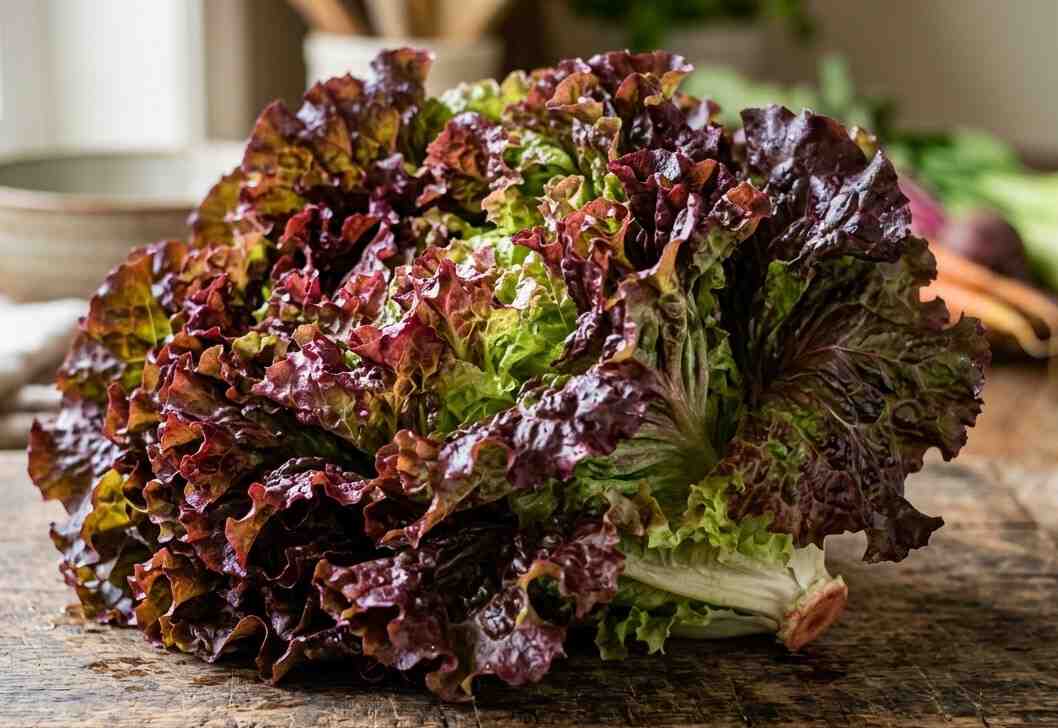
Red Leaf Lettuce (also known as Red Loose-Leaf Lettuce, Red Salad Bowl Lettuce, or Curly Red Lettuce) is a colorful leafy vegetable loved for its tender texture, mildly sweet flavor, and vibrant red-purple leaves. It is commonly used in salads, wraps, sandwiches, and healthy meals around the world. Besides adding freshness and crunch to dishes, Red Leaf Lettuce is packed with vitamins, minerals, antioxidants, and water that support overall health.
This nutrient-rich lettuce is low in calories yet highly beneficial for hydration, digestion, heart health, weight management, and immunity. Whether eaten raw or added to meals, Red Leaf Lettuce is a simple and healthy food choice for people of all ages.
What is Red Leaf Lettuce?
Red Leaf Lettuce is a leafy green vegetable belonging to the lettuce family. It has loose, soft leaves with curly edges and a reddish-purple color caused by natural plant compounds called anthocyanins. The inner leaves are usually green while the outer leaves appear deep red or burgundy.
This lettuce variety is commonly grown in cool climates and is widely used in salads because of its delicate texture and slightly sweet taste. Unlike iceberg lettuce, Red Leaf Lettuce contains higher amounts of vitamins, antioxidants, and phytonutrients, making it a healthier option for everyday meals.
Red Leaf Lettuce is scientifically classified as Lactuca sativa and is often included in healthy diets due to its low calorie content and high water percentage.
Nutrition Facts of Red Leaf Lettuce
| Nutrient | Amount per 100g |
|---|---|
| Calories | 16 kcal |
| Water | 95 g |
| Protein | 1.3 g |
| Carbohydrates | 2.9 g |
| Fiber | 1.3 g |
| Sugar | 0.8 g |
| Fat | 0.2 g |
| Vitamin A | 7405 IU |
| Vitamin K | 126 mcg |
| Vitamin C | 3.7 mg |
| Folate | 38 mcg |
| Calcium | 36 mg |
| Iron | 0.9 mg |
| Potassium | 194 mg |
| Magnesium | 13 mg |
| Phosphorus | 29 mg |
20 Proven Health Benefits of Red Leaf Lettuce
- Supports Weight Loss Red Leaf Lettuce is low in calories and high in water, making it an excellent food for weight management diets.
- Improves Digestion The fiber in Red Leaf Lettuce helps support healthy digestion and regular bowel movements.
- Boosts Hydration Its high water content helps keep the body hydrated throughout the day.
- Enhances Eye Health Vitamin A and carotenoids in Red Leaf Lettuce support healthy vision and eye function.
- Strengthens Bones Vitamin K and calcium help maintain strong bones and reduce the risk of bone problems.
- Supports Heart Health Antioxidants and potassium in Red Leaf Lettuce may help support healthy blood pressure and circulation.
- Improves Skin Health Vitamins A and C contribute to healthy, glowing skin and support collagen production.
- Provides Antioxidant Protection Anthocyanins and other antioxidants help protect cells from oxidative stress.
- Supports Immune Function Nutrients like vitamin C and folate help strengthen the immune system.
- Helps Reduce Inflammation Natural plant compounds in Red Leaf Lettuce may help lower inflammation in the body.
- Supports Healthy Pregnancy Folate in Red Leaf Lettuce is important for fetal development during pregnancy.
- May Help Control Blood Sugar Fiber may help slow sugar absorption and support balanced blood sugar levels.
- Promotes Healthy Aging Antioxidants help reduce cellular damage linked to aging.
- Supports Brain Health Folate and antioxidants may support cognitive function and mental wellness.
- Helps Maintain Healthy Blood Pressure Potassium helps balance sodium levels and supports cardiovascular health.
- Improves Gut Health Fiber acts as food for beneficial gut bacteria and supports digestive balance.
- May Reduce Cholesterol Levels Fiber and antioxidants may help support healthier cholesterol levels.
- Supports Detoxification The high water content helps the body naturally remove waste and toxins.
- Boosts Energy Naturally Nutrients like iron and folate help support healthy energy production.
- Supports Healthy Hair Vitamins and minerals in Red Leaf Lettuce may contribute to stronger and healthier hair.
10 Side Effects of Red Leaf Lettuce
- May Cause Bloating Eating large amounts of raw lettuce may lead to bloating or gas in sensitive individuals.
- Risk of Bacterial Contamination Improperly washed lettuce may contain harmful bacteria like E. coli or Salmonella.
- May Trigger Allergic Reactions Some people may experience allergic symptoms after consuming lettuce.
- Can Interfere with Blood Thinners High vitamin K content may affect blood-thinning medications.
- May Cause Digestive Discomfort Excessive intake may irritate the stomach in some individuals.
- Possible Pesticide Exposure Non-organic lettuce may contain pesticide residues if not washed properly.
- May Lower Blood Pressure Too Much High potassium intake may affect people with low blood pressure.
- Could Affect Kidney Conditions People with kidney disorders may need to monitor potassium intake.
- May Cause Loose Stools Eating excessive fiber-rich lettuce may lead to diarrhea in some cases.
- Can Spoil Quickly Spoiled lettuce may cause foodborne illness if consumed after going bad.
How to Eat Red Leaf Lettuce?
Red Leaf Lettuce is highly versatile and can be enjoyed in many delicious ways. Its soft texture and mild flavor make it suitable for both light snacks and complete meals.
Here are some common ways to eat Red Leaf Lettuce:
- Add it fresh to salads with vegetables, nuts, and dressing.
- Use the leaves as wraps for chicken, tofu, or grilled vegetables.
- Add it to sandwiches, burgers, and tacos for extra crunch.
- Blend it into green smoothies with fruits and herbs.
- Serve it alongside grilled dishes as a fresh side.
- Mix it into grain bowls with quinoa or rice.
- Use it as a healthy garnish for soups and meals.
- Pair it with avocado, tomatoes, cucumbers, and olive oil for a quick salad.
For maximum nutrition, Red Leaf Lettuce is best eaten fresh and raw.
Tips for Consuming Red Leaf Lettuce
- Wash the leaves thoroughly before eating.
- Store lettuce in the refrigerator to maintain freshness.
- Dry the leaves properly to prevent spoilage.
- Combine with healthy fats like olive oil for better nutrient absorption.
- Eat fresh leaves instead of wilted or slimy ones.
- Use organic lettuce when possible to reduce pesticide exposure.
- Avoid overcooking because heat may reduce nutrient levels.
- Consume as part of a balanced and varied diet.
Other Uses of Red Leaf Lettuce
- Natural Food Decoration Red Leaf Lettuce is commonly used to decorate serving platters and dishes.
- Healthy Wrap Alternative Large lettuce leaves can replace tortillas or bread in wraps.
- Smoothie Ingredient Red Leaf Lettuce can be blended into green smoothies for added nutrients.
- Sandwich Layer It adds freshness and texture to sandwiches and burgers.
- Soup Garnish Chopped lettuce can be used as a topping for soups and broths.
- Restaurant Presentation Restaurants often use Red Leaf Lettuce to enhance food presentation.
- Low-Carb Taco Shell Lettuce leaves can serve as a healthy substitute for taco shells.
- Juicing Ingredient Some people add Red Leaf Lettuce to vegetable juices.
- Composting Material Leftover lettuce leaves can be used in compost for gardening.
- Pet Food Supplement Small amounts may be fed to certain pets as a fresh treat.
How Much Red Leaf Lettuce Can You Eat in a Day?
Most healthy adults can safely consume about 1 to 2 cups of Red Leaf Lettuce daily as part of a balanced diet. Since it is low in calories and rich in water, moderate daily intake is generally considered safe and healthy.
People with digestive sensitivities may prefer smaller portions to avoid bloating or stomach discomfort. Individuals taking blood-thinning medications should monitor their vitamin K intake and consult a healthcare professional if needed.
The ideal amount of Red Leaf Lettuce depends on age, dietary needs, and health conditions.
- Children: ½ to 1 cup daily
- Adults: 1 to 2 cups daily
- Athletes or active individuals: Up to 3 cups daily in balanced meals
- Seniors: Moderate portions with other nutrient-rich vegetables
It is best consumed fresh and combined with other vegetables for a diverse nutrient intake.
Best Time to Eat Red Leaf Lettuce
Red Leaf Lettuce can be eaten at any time of the day, but certain times may provide extra benefits.
- Morning: Helps hydrate the body and provides light nutrition.
- Lunch: Supports digestion and keeps meals low in calories.
- Dinner: Works well in light evening salads and healthy wraps.
- Before Meals: May help control appetite and reduce overeating.
Because it is light and easy to digest, Red Leaf Lettuce is suitable for both daytime and evening meals.
Who Should Eat Red Leaf Lettuce?
- People Trying to Lose Weight Its low calorie content makes it ideal for weight-loss diets.
- Athletes and Active Individuals The hydration and nutrients support physical activity and recovery.
- Pregnant Women Folate content supports healthy fetal development during pregnancy.
- People with Digestive Issues Fiber may help improve bowel regularity and digestion.
- Individuals with High Blood Pressure Potassium may help support healthy blood pressure levels.
- People Seeking Hydration High water content helps maintain fluid balance.
- Health-Conscious Individuals It provides nutrients with very few calories.
- Vegetarians and Vegans Red Leaf Lettuce adds vitamins and minerals to plant-based diets.
- Older Adults Soft leaves are easy to chew and digest for seniors.
- People Looking for Healthy Snacks Lettuce wraps and salads offer nutritious low-calorie snack options.
Who Should Not Eat Red Leaf Lettuce?
- People Taking Blood Thinners High vitamin K may interfere with anticoagulant medications.
- Individuals with Lettuce Allergies Allergic reactions may occur in sensitive individuals.
- People with Severe Digestive Disorders Raw lettuce may worsen symptoms in some digestive conditions.
- Individuals with Kidney Problems Potassium intake may need monitoring in kidney disease.
- People with Weak Immune Systems Improperly washed lettuce may increase infection risk.
- Those Sensitive to Raw Vegetables Raw leafy greens may cause bloating or discomfort.
- People with Foodborne Illness Concerns Avoid consuming spoiled or contaminated lettuce.
- Individuals Following Low-Fiber Diets High fiber may not be suitable for certain medical diets.
How to Store Red Leaf Lettuce?
- Refrigerate Immediately Store Red Leaf Lettuce in the refrigerator after purchase to keep it fresh.
- Use a Paper Towel Wrap the leaves in paper towels to absorb excess moisture.
- Store in a Container Keep lettuce in a sealed container or plastic bag with airflow.
- Avoid Washing Before Storage Washing before refrigeration may increase spoilage.
- Keep Away from Ethylene Fruits Store away from apples and bananas to prevent wilting.
- Remove Damaged Leaves Discard wilted or spoiled leaves promptly.
- Use Within a Week Fresh lettuce tastes best when consumed within several days.
- Dry Properly After Washing Moisture can speed up spoilage and bacterial growth.
Precautions and Interactions
- Wash Thoroughly Before Eating Proper washing helps remove dirt, bacteria, and pesticide residues.
- Monitor Vitamin K Intake People on blood-thinning medications should maintain consistent intake levels.
- Choose Fresh Leaves Only Avoid slimy or foul-smelling lettuce to reduce food poisoning risk.
- Consume in Moderation Excessive intake may cause digestive discomfort in some individuals.
- Consult a Doctor During Medical Treatment Certain health conditions may require dietary adjustments.
- Store Safely at Cold Temperatures Proper refrigeration helps prevent bacterial contamination.
- Avoid Cross-Contamination Keep raw lettuce separate from uncooked meat and seafood.
- Introduce Slowly into the Diet Gradually increasing intake may help prevent digestive issues.
- Use Clean Cutting Boards Hygiene during preparation reduces contamination risk.
- Check for Allergic Reactions Stop consumption if itching, swelling, or discomfort occurs.
Conclusion
Red Leaf Lettuce is a nutritious, refreshing, and versatile leafy vegetable that can easily become part of a healthy lifestyle. Rich in vitamins, minerals, antioxidants, and water, it supports hydration, digestion, heart health, immunity, and weight management while adding color and flavor to meals.
From salads and wraps to smoothies and sandwiches, Red Loose-Leaf Lettuce offers countless ways to enjoy healthy eating without adding excessive calories. While generally safe for most people, proper washing, storage, and moderate intake are important for avoiding side effects and maintaining freshness.
FAQ’s
What does Red Leaf Lettuce taste like?
Red Loose-Leaf Lettuce has a mild, slightly sweet, and fresh flavor with a soft and tender texture.
Is Red Leaf Lettuce healthier than iceberg lettuce?
Yes, Red Loose-Leaf Lettuce generally contains more vitamins, minerals, and antioxidants than iceberg lettuce.
Can you eat Red Leaf Lettuce raw?
Yes, Red Loose-Leaf Lettuce is most commonly eaten raw in salads, wraps, and sandwiches.
Is Red Leaf Lettuce good for weight loss?
Yes, its low calorie and high water content make it a great food for weight management diets.
How long does Red Leaf Lettuce stay fresh?
When properly stored in the refrigerator, Red Loose-Leaf Lettuce usually stays fresh for about 5 to 7 days.
Can diabetics eat Red Leaf Lettuce?
Yes, Red Loose-Leaf Lettuce is low in carbohydrates and may fit well into a diabetic-friendly diet.
Does Red Leaf Lettuce help digestion?
Yes, the fiber content may help support healthy digestion and regular bowel movements.
Can you cook Red Leaf Lettuce?
Yes, although it is usually eaten raw, it can also be lightly sautéed or added to soups.
Is Red Leaf Lettuce good for hydration?
Yes, it contains a high amount of water that helps keep the body hydrated.
Can pregnant women eat Red Leaf Lettuce?
Yes, when properly washed, it can provide folate and other nutrients beneficial during pregnancy.
Why is Red Leaf Lettuce red?
Its red-purple color comes from antioxidants called anthocyanins.
Is Red Leaf Lettuce safe for children?
Yes, it is generally safe and nutritious for children when served fresh and clean.
Can Red Leaf Lettuce go bad quickly?
Yes, it is highly perishable and should be refrigerated properly to maintain freshness.
Is Red Leaf Lettuce keto-friendly?
Yes, it is very low in carbohydrates and suitable for keto diets.
What is the best way to wash Red Leaf Lettuce?
Rinse the leaves thoroughly under cold running water and dry them before use.
Can I eat Red Leaf Lettuce every day?
Yes, Red Loose-Leaf Lettuce can be eaten daily in moderate amounts as part of a balanced and healthy diet.
What is Red Leaf Lettuce good for?
Red Loose-Leaf Lettuce is good for hydration, digestion, weight management, heart health, and providing essential vitamins and antioxidants.
Is Red Leaf Lettuce better than Romaine?
Both are nutritious, but Red Loose-Leaf Lettuce contains more antioxidants while Romaine Lettuce generally has slightly more crunch and folate.
Is Red Leaf Lettuce kidney friendly?
Yes, Red Loose-Leaf Lettuce can be kidney friendly in moderate amounts, but people with kidney disease should monitor potassium intake and consult their doctor.
Also Read: