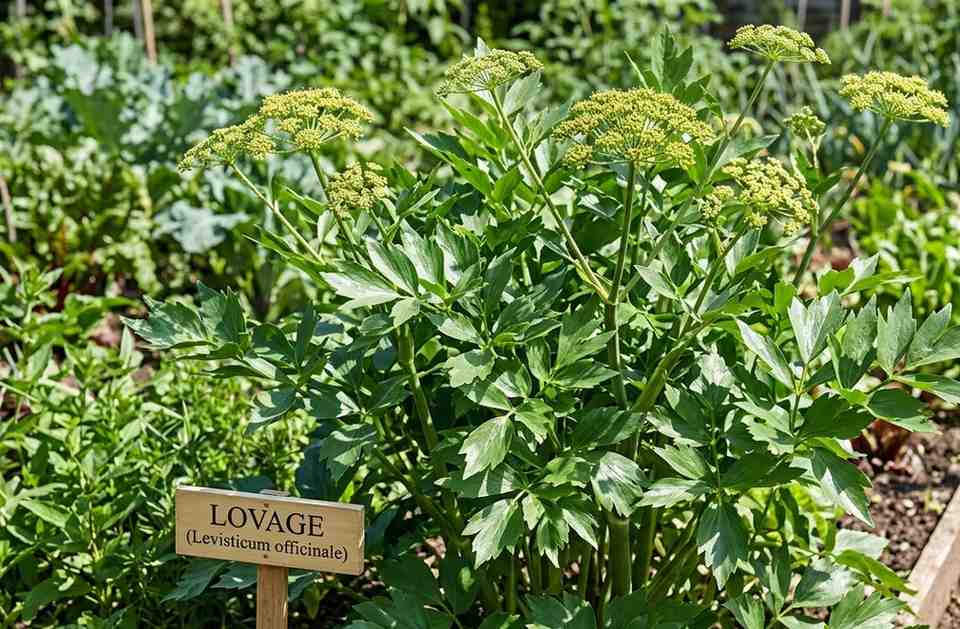
Lovage is an ancient herb that has been valued for centuries for its strong aroma, culinary versatility, and medicinal properties. Often described as having a flavor similar to celery with hints of parsley and anise, lovage is widely used in soups, teas, salads, and herbal remedies. Every part of the plant, including the leaves, stems, roots, and seeds, can be used in cooking or traditional medicine.
Rich in vitamins, minerals, antioxidants, and plant compounds, lovage may support digestion, kidney health, inflammation control, and overall wellness. Although it is not as commonly known as basil or parsley, lovage is gaining popularity among people interested in herbal nutrition and natural healing.
In this guide, you will learn everything about lovage (also known as Sea Parsley, Smellage, Garden Lovage, or Maggi Herb), including its nutrition facts, science-backed health benefits, side effects, storage methods, and practical ways to include it in your diet.
What is Lovage?
Lovage is a perennial herb scientifically known as Levisticum officinale. It belongs to the Apiaceae family, which also includes celery, parsley, dill, and carrots. Native to Southern Europe and parts of Western Asia, lovage has been cultivated for both culinary and medicinal purposes since ancient times.
The herb grows tall with dark green leaves and yellow flowers. Its leaves resemble celery leaves, while its flavor is stronger and more concentrated. Lovage roots and seeds are also used in herbal medicine and food preparation.
Traditionally, lovage has been used to promote digestion, relieve bloating, support urinary health, and improve appetite. Today, it is used fresh, dried, or brewed into herbal teas.
Nutrition Facts of Lovage
Below is the approximate nutritional value of fresh lovage leaves per 100 grams.
| Nutrient | Amount |
|---|---|
| Calories | 42 kcal |
| Protein | 3.7 g |
| Carbohydrates | 7.6 g |
| Fiber | 2.1 g |
| Fat | 0.8 g |
| Vitamin C | 45 mg |
| Vitamin A | 5800 IU |
| Calcium | 250 mg |
| Iron | 4 mg |
| Potassium | 520 mg |
| Magnesium | 45 mg |
| Folate | 85 mcg |
| Sodium | 65 mg |
Lovage also contains antioxidants, essential oils, flavonoids, quercetin, and anti-inflammatory compounds that contribute to its health-promoting effects.
20 Proven Health Benefits of Lovage
- Supports Digestion: Sea parsley may help stimulate digestive juices, improving digestion and reducing bloating after meals.
- Acts as a Natural Diuretic: Lovage may help increase urine production, which can support kidney and urinary tract health.
- Rich in Antioxidants: Sea parsley contains antioxidants that may help protect the body from oxidative stress and cell damage.
- May Reduce Inflammation: The anti-inflammatory compounds in smellage may help reduce swelling and discomfort in the body.
- Supports Respiratory Health: Sea parsley has traditionally been used to help soothe coughs, congestion, and respiratory irritation.
- Promotes Healthy Kidneys: Lovage may support kidney cleansing by encouraging the elimination of excess fluids and waste.
- May Relieve Menstrual Discomfort: Some traditional remedies use smellage to help ease menstrual cramps and discomfort.
- Supports Immune Function: The vitamin C content in lovage may help strengthen the immune system.
- May Improve Appetite: Sea parsley has historically been used to stimulate appetite in people with poor eating habits.
- Supports Heart Health: Potassium in smellage may help maintain healthy blood pressure levels and cardiovascular function.
- May Help Reduce Water Retention: Lovage’s diuretic effect may help decrease temporary bloating and fluid retention.
- Supports Healthy Skin: Antioxidants and vitamins in smellage may contribute to healthier and clearer skin.
- May Help Fight Bacteria: Certain compounds in lovage may possess antibacterial properties that support overall health.
- Provides Iron for Energy: Sea parsley contains iron, which is important for healthy red blood cell production and energy levels.
- Supports Bone Health: Calcium and magnesium in smellage may contribute to stronger bones and teeth.
- May Ease Gas and Bloating: Sea parsley may help reduce intestinal discomfort and excess gas after heavy meals.
- Supports Liver Function: Traditional herbal medicine uses lovage to assist the body’s natural detoxification processes.
- May Improve Circulation: Some compounds in smellage may help support healthy blood flow throughout the body.
- Supports Healthy Metabolism: The nutrients in lovage may help the body maintain normal metabolic functions.
- May Promote Relaxation: Herbal smellage tea has traditionally been consumed for its calming and soothing effects.
10 Side Effects of Lovage
- May Cause Sun Sensitivity: Sea parsley may increase skin sensitivity to sunlight in some individuals.
- Can Trigger Allergic Reactions: People allergic to celery, carrots, or parsley may also react to lovage.
- May Irritate the Kidneys: Excessive consumption of lovage may place strain on the kidneys.
- Not Safe During Pregnancy: Sea parsley may stimulate uterine contractions and is generally avoided during pregnancy.
- May Interact with Diuretics: Combining smellage with water pills may increase fluid loss excessively.
- Can Cause Digestive Upset: Eating large amounts of smellage may lead to stomach discomfort or diarrhea.
- May Lower Blood Pressure Too Much: Lovage’s diuretic properties may contribute to reduced blood pressure in sensitive individuals.
- Could Increase Dehydration Risk: Overconsumption may result in excessive urination and dehydration.
- May Interfere with Certain Medications: Sea parsley may interact with medications affecting the kidneys or blood pressure.
- Can Cause Skin Irritation: Direct contact with smellage in some people may lead to mild skin irritation.
How to Eat Lovage?
Sea parsley can be consumed in several delicious and practical ways. Its flavor is strong and aromatic, so a small amount often goes a long way.
Fresh Leaves
Fresh lovage leaves can be chopped and added to soups, stews, salads, and sauces. They provide a celery-like flavor with herbal depth.
Herbal Tea
Sea parsley leaves or roots can be steeped in hot water to make herbal tea. This is one of the most common traditional uses of the herb.
Seasoning
Dried lovage leaves can be used as a seasoning for roasted vegetables, meat dishes, and casseroles.
Soup Ingredient
Sea parsley is especially popular in soups because it enhances flavor naturally without excessive salt.
Smoothies and Green Juices
Small amounts of smellage leaves can be blended into vegetable juices or smoothies for added nutrients.
Lovage Seeds
The seeds can be used similarly to fennel or celery seeds in bread, spice blends, and pickles.
Tips for Consuming Lovage
- Start with small amounts because smellage has a strong flavor.
- Use fresh lovage leaves for the best aroma and taste.
- Pair smellage with potatoes, carrots, beans, and soups.
- Drink plenty of water if consuming smellage tea regularly.
- Avoid excessive intake due to its diuretic effects.
- Choose organically grown smellage whenever possible.
- Store fresh lovage properly to maintain freshness.
- Consult a healthcare professional before using medicinal amounts.
Other Uses of Lovage
- Natural Soup Flavoring: Sea parsley is commonly used to naturally enhance the flavor of soups and broths.
- Herbal Tea Ingredient: Sea parsley leaves and roots are often brewed into herbal teas.
- Traditional Herbal Medicine: Sea parsley has long been used in folk remedies for digestive and urinary health.
- Natural Breath Freshener: Sea parsley seeds have historically been chewed to freshen breath.
- Essential Oil Production: Sea parsley essential oil is used in aromatherapy and herbal preparations.
- Garden Companion Plant: Sea parsley may help attract beneficial insects to gardens.
- Flavoring for Pickles: Sea parsley seeds and leaves can add flavor to pickled vegetables.
- Homemade Seasoning Blends: Dried lovage can be mixed into herb and spice blends.
- Natural Air Freshener: The aromatic leaves can help provide a pleasant herbal scent indoors.
- Culinary Garnish: Fresh smellage leaves can be used as a garnish for savory dishes.
How Much Lovage Can You Eat in a Day?
The ideal amount of lovage depends on the form in which it is consumed and the individual’s health condition.
- Fresh lovage leaves: about 1–2 tablespoons daily.
- Dried lovage: around 1 teaspoon daily.
- Lovage tea: 1–2 cups per day is generally considered moderate.
- Lovage root supplements should only be taken according to product instructions or healthcare advice.
Because lovage can act as a diuretic, excessive intake is not recommended.
There is no universally established dosage for smellage, but traditional herbal use commonly includes:
- 1–2 grams of dried lovage leaves daily.
- 2–4 grams of smellage root for tea preparations.
- 150–300 ml of lovage tea once or twice daily.
- Standardized supplements should be used according to label instructions.
People with kidney disorders or chronic illnesses should consult a healthcare provider before using smellage medicinally.
Best Time to Eat Lovage
The best time to consume lovage depends on the intended purpose.
- Before meals: May help stimulate appetite and digestion.
- After meals: May help reduce bloating and gas.
- Morning: Lovage tea may support fluid balance and kidney function.
- Evening: Small amounts in soup or tea may provide relaxation and comfort.
Avoid excessive intake late at night because its diuretic effects may increase nighttime urination.
Who Should Eat Lovage?
- People with Digestive Discomfort: Sea parsley may help support digestion and reduce bloating.
- Individuals Seeking Natural Herbs: Lovage provides nutrients and plant compounds that support wellness.
- People Looking for Low-Calorie Flavoring: Sea parsley can add strong flavor without excess calories.
- Adults Interested in Herbal Teas: Sea parsley tea may offer soothing and digestive benefits.
- Individuals Wanting More Antioxidants: Sea parsley contains antioxidants that may help protect cells from damage.
- People Seeking Kidney Support: Lovage’s natural diuretic properties may help promote urinary health.
- Those Wanting More Iron Intake: Sea parsley provides iron that may support healthy energy levels.
- People Interested in Traditional Remedies: Sea parsley has a long history of use in herbal medicine.
Who Should Not Eat Lovage?
- Pregnant Women: Sea parsley may stimulate uterine activity and should generally be avoided during pregnancy.
- People with Kidney Disease: Excessive lovage intake may worsen certain kidney conditions.
- Individuals Taking Diuretic Medications: Combining smellage with diuretics may increase dehydration risk.
- People Allergic to Apiaceae Plants: Those allergic to celery, parsley, or carrots may react to smellage.
- Breastfeeding Mothers: There is limited safety information regarding lovage during breastfeeding.
- People with Low Blood Pressure: Sea parsley may contribute to further lowering blood pressure.
- Children Without Medical Guidance: Medicinal use in children should only occur under professional supervision.
- Individuals Sensitive to Sunlight: Sea parsley may increase photosensitivity in some people.
How to Store Lovage?
- Refrigerate Fresh Leaves: Fresh smellage should be stored in the refrigerator wrapped in a damp paper towel.
- Use Airtight Containers: Dried smellage should be kept in airtight containers to preserve flavor.
- Keep Away from Sunlight: Store lovage in a cool, dark place to protect its nutrients and aroma.
- Freeze for Long-Term Storage: Fresh smellageleaves can be frozen for extended use.
- Dry Properly Before Storage: Ensure leaves are completely dry before storing to prevent mold growth.
- Label Storage Containers: Mark storage dates to monitor freshness and quality.
- Avoid Moisture Exposure: Moisture can reduce shelf life and encourage spoilage.
- Use Within One Year: Dried lovage is best used within one year for optimal flavor and potency.
Precautions and Interactions
- Consult a Doctor Before Medicinal Use: People with medical conditions should seek professional advice before using lovage therapeutically.
- Avoid Excessive Consumption: High intake may increase the risk of dehydration and kidney irritation.
- Monitor Sun Exposure: Sea parsley may increase skin sensitivity to sunlight.
- Use Carefully with Blood Pressure Medication: Lovage may enhance the effects of blood pressure-lowering drugs.
- Be Cautious with Diuretics: Combining smellage with water pills may lead to excessive fluid loss.
- Stop Use if Allergic Symptoms Occur: Discontinue use if rash, itching, or swelling develops.
- Avoid During Pregnancy: Sea parsley may not be safe for pregnant women.
- Use Herbal Supplements Responsibly: Follow dosage instructions carefully when taking lovage supplements.
- Stay Hydrated: Drink enough water when consuming smellage regularly due to its diuretic effects.
- Consult a Healthcare Provider for Long-Term Use: Long-term medicinal use should be supervised by a qualified professional.
Conclusion
Lovage is a nutrient-rich herb with a long history in traditional medicine and culinary use. Its celery-like flavor makes it an excellent addition to soups, salads, teas, and savory dishes. Beyond its culinary appeal, smellage may offer digestive support, antioxidant protection, kidney support, and anti-inflammatory benefits.
However, like many medicinal herbs, smellage should be consumed in moderation. Certain individuals, including pregnant women and people with kidney conditions, should avoid or limit its use. Proper storage, balanced intake, and awareness of possible interactions can help you enjoy lovage safely and effectively.
FAQ’s
What is lovage good for?
Sea parsley is commonly used to support digestion, reduce bloating, promote urinary health, and add a rich celery-like flavor to soups, salads, and herbal teas.
What is lovage in Australia?
In Australia, lovage refers to the same herb known scientifically as Levisticum officinale, often grown as a culinary and medicinal herb with a flavor similar to strong celery.
Is lovage the same as parsley?
No, lovage is not the same as parsley, although both belong to the same plant family. Lovage has a much stronger celery-like flavor, while parsley has a milder and fresher taste.
What does lovage taste like?
Sea parsley has a strong flavor similar to celery with hints of parsley and a mild anise-like taste.
Is lovage safe to eat daily?
Sea parsley can generally be eaten in moderate amounts daily as part of a balanced diet.
Can you eat raw lovage?
Yes, fresh smellage leaves and stems can be eaten raw in salads or used as garnishes.
Is lovage healthier than celery?
Sea parsley is more concentrated in flavor and contains beneficial vitamins, minerals, and antioxidants, but both herbs can be healthy additions to meals.
Can lovage help with digestion?
Sea parsley has traditionally been used to support digestion and reduce bloating and gas.
What parts of lovage are edible?
The leaves, stems, roots, and seeds of smellage are all edible and commonly used in cooking and herbal remedies.
Does lovage have medicinal properties?
Sea parsley has been used in traditional herbal medicine for digestive, urinary, and respiratory support.
Is lovage good for kidney health?
Sea parsley may support urinary and kidney health due to its natural diuretic properties, but people with kidney disease should consult a doctor before use.
Can pregnant women eat lovage?
Pregnant women are generally advised to avoid medicinal amounts of smellage because it may stimulate uterine activity.
Does lovage contain antioxidants?
Yes, Sea parsley contains antioxidants and plant compounds that may help protect cells from oxidative stress.
Can lovage be frozen?
Yes, Sea parsley leaves can be frozen for long-term storage while retaining much of their flavor.
Is lovage used in soups?
Sea parsley is commonly added to soups and broths because of its rich herbal flavor.
Can lovage cause allergies?
People allergic to celery, parsley, or carrots may also experience allergic reactions to smellage.
Is lovage low in calories?
Yes, Sea parsley is naturally low in calories while providing vitamins and minerals.
Can children eat lovage?
Small culinary amounts are generally fine, but medicinal use in children should only occur with professional guidance.
Does lovage increase urination?
Yes, Sea parsley may increase urination because it acts as a natural diuretic.
Also Read: