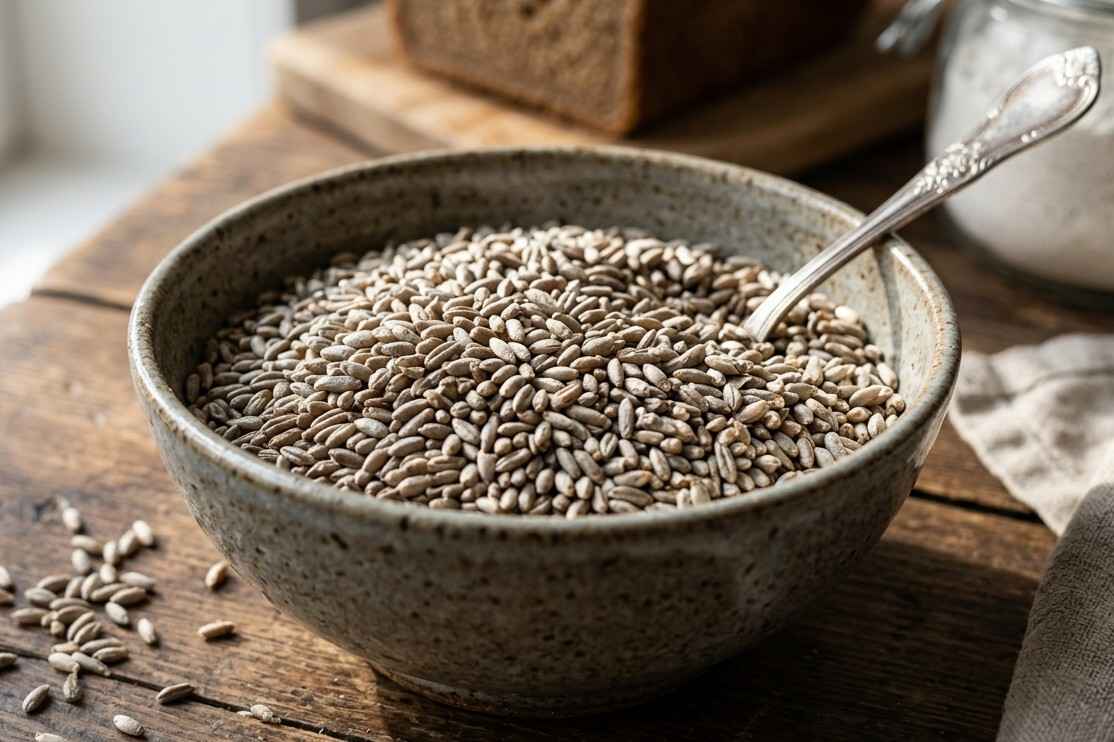
Rye is one of the oldest cultivated cereal grains in the world. Known for its hardy nature and rich nutritional profile, rye has been a staple food in many parts of Europe and Asia for centuries. It is commonly used to make bread, flour, crackers, cereals, and beverages. Compared to many refined grains, rye contains more fiber, vitamins, minerals, and beneficial plant compounds, making it a valuable addition to a healthy diet.
Whether enjoyed as whole rye berries, rye flour, or traditional rye bread, this grain offers numerous health benefits that support digestion, heart health, blood sugar control, and overall wellness.
What is Rye?
Rye (Secale cereale) is a cereal grain belonging to the grass family. It is closely related to wheat and barley but has a distinct earthy flavor and denser texture. Rye grows well in cold climates and poor soils, making it an important crop in northern and eastern Europe.
The grain can be consumed whole, cracked, rolled, or ground into flour. Rye is particularly famous for producing dark, hearty breads that are rich in fiber and nutrients.
Nutrition Facts of Rye
The following nutritional values are approximate for 100 grams of whole rye grain.
| Nutrient | Amount |
|---|---|
| Calories | 338 kcal |
| Protein | 10.3 g |
| Carbohydrates | 75.9 g |
| Dietary Fiber | 15.1 g |
| Fat | 1.6 g |
| Calcium | 24 mg |
| Iron | 2.6 mg |
| Magnesium | 110 mg |
| Phosphorus | 332 mg |
| Potassium | 510 mg |
| Zinc | 2.7 mg |
| Manganese | 2.6 mg |
| Copper | 0.4 mg |
| Selenium | 13.9 mcg |
| Thiamin (B1) | 0.3 mg |
| Riboflavin (B2) | 0.3 mg |
| Niacin (B3) | 4.3 mg |
| Folate | 38 mcg |
20 Proven Health Benefits of Rye
- Supports Digestive Health: Secale cereale is rich in dietary fiber that promotes regular bowel movements and supports healthy digestion.
- Improves Gut Microbiome: The prebiotic fibers in rye help nourish beneficial gut bacteria.
- Promotes Heart Health: Rye may help reduce cholesterol levels and improve cardiovascular health.
- Enhances Satiety: Its high fiber content helps you feel full for longer periods.
- Supports Weight Management: Secale cereale can help reduce overall calorie intake by increasing fullness.
- Helps Control Blood Sugar: Whole rye products may improve insulin sensitivity and reduce blood sugar spikes.
- Provides Long-Lasting Energy: Complex carbohydrates in rye release energy gradually throughout the day.
- Rich in Antioxidants: Secale cereale contains antioxidants that help combat oxidative stress.
- Supports Healthy Cholesterol Levels: Soluble fiber in rye may help lower LDL cholesterol.
- Improves Metabolic Health: Regular consumption may contribute to better metabolic function.
- Supports Bone Health: Rye contains magnesium and phosphorus that are important for strong bones.
- Boosts Immune Function: Vitamins, minerals, and antioxidants support immune system performance.
- May Reduce Inflammation: Certain plant compounds in rye may help reduce chronic inflammation.
- Supports Healthy Blood Pressure: Potassium and magnesium help maintain normal blood pressure levels.
- Promotes Colon Health: Fiber helps maintain a healthy colon and digestive tract.
- Provides Essential Minerals: Secale cereale supplies important nutrients such as manganese, zinc, and iron.
- May Lower Risk of Type 2 Diabetes: Whole-grain rye consumption has been linked to better glucose control.
- Supports Healthy Red Blood Cells: Iron and B vitamins contribute to healthy blood formation.
- Improves Nutrient Intake: Rye is nutrient-dense and can improve overall dietary quality.
- May Support Longevity: Diets rich in whole grains like rye are associated with better long-term health outcomes.
10 Side Effects of Rye
- Digestive Discomfort: Consuming large amounts of rye may cause bloating or gas in sensitive individuals.
- Gluten Content: Secale cereale contains gluten and is unsuitable for people with celiac disease.
- Allergic Reactions: Some individuals may experience rye allergies.
- Stomach Cramps: Excessive fiber intake from rye can occasionally cause abdominal discomfort.
- Diarrhea Risk: Very high intake may contribute to loose stools in some people.
- Nutrient Absorption Concerns: Phytic acid in rye may slightly reduce mineral absorption.
- Potential IBS Symptoms: Secale cereale may trigger symptoms in individuals sensitive to certain carbohydrates.
- Cross-Reactivity Issues: People allergic to wheat may also react to rye.
- Headaches in Sensitive Individuals: Rare allergic responses may include headaches.
- Overconsumption Problems: Excessive intake may lead to digestive burden due to its high fiber content.
How to Eat Rye?
There are many delicious ways to include rye in your diet:
- Eat traditional rye bread with meals.
- Use rye flour in baking recipes.
- Cook whole rye berries as a grain side dish.
- Add cooked rye to soups and stews.
- Mix rye flakes into breakfast cereals.
- Include rye in salads for added texture.
- Use rye flour for pancakes and muffins.
- Prepare porridge using cracked rye grains.
- Add rye to homemade granola.
- Enjoy rye crackers as a healthy snack.
Tips for Consuming Rye
- Start with small servings if you are not accustomed to high-fiber foods.
- Choose whole-grain rye products whenever possible.
- Drink plenty of water when increasing fiber intake.
- Combine rye with fruits and vegetables for balanced nutrition.
- Read labels carefully to identify genuine whole rye products.
- Store rye properly to maintain freshness.
- Introduce rye gradually to avoid digestive discomfort.
- Pair rye with protein-rich foods for greater satiety.
How to Cook Rye?
Cooking Whole Rye Berries
- Rinse the rye berries thoroughly.
- Soak them overnight if desired.
- Add 1 cup rye berries to 3 cups water.
- Bring to a boil.
- Reduce heat and simmer for 45–60 minutes.
- Drain excess water if needed.
- Serve as a side dish, salad ingredient, or breakfast grain.
Cooking Cracked Rye
- Add 1 cup cracked rye to 2½ cups water.
- Bring to a boil.
- Simmer for 20–30 minutes.
- Stir occasionally until tender.
Other Uses of Rye
- Animal Feed: Secale cereale is commonly used as nutritious livestock feed.
- Cover Crop: Farmers grow rye to improve soil health and prevent erosion.
- Flour Production: Secale cereale is milled into flour for baking applications.
- Bread Making: Rye is widely used in traditional bread recipes.
- Whiskey Production: Secale cereale serves as an important ingredient in rye whiskey.
- Beer Brewing: Some specialty beers incorporate rye grain.
- Mulch Material: Secale cereale straw is used as agricultural mulch.
- Composting: Secale cereale plant residues contribute valuable organic matter to compost.
- Breakfast Cereals: Secale cereale is processed into flakes and cereal products.
- Snack Foods: Rye is used in crackers, crisps, and baked snacks.
How Much Rye Can You Eat in a Day?
Most healthy adults can safely consume 1–3 servings of rye-based foods daily as part of a balanced diet.
Examples include:
- 2–3 slices of rye bread
- ½–1 cup cooked rye berries
- 30–60 grams of rye flakes
Individual needs may vary depending on age, activity level, and digestive tolerance.
General guidelines include:
- Beginners: ½ cup cooked rye daily.
- Regular consumers: 1 cup cooked rye daily.
- High-fiber diets: Up to 2 cups cooked rye spread throughout the day.
Increase intake gradually and consume adequate water.
Best Time to Eat Rye
- Breakfast: Secale cereale porridge or rye bread can provide lasting energy throughout the morning.
- Lunch: Rye-based meals help maintain fullness during the afternoon.
- Pre-Workout: Moderate portions provide sustained energy.
- Dinner: Secale cereale can be part of a balanced evening meal.
- Snacks: Rye crackers make a nutritious between-meal option.
Who Should Eat Rye?
- People Seeking Better Digestion: Rye’s fiber content supports digestive health.
- Individuals Managing Weight: Secale cereale promotes satiety and appetite control.
- Heart-Conscious Individuals: Secale cereale may support healthy cholesterol levels.
- Active Adults: Secale cereale provides sustained energy for daily activities.
- Whole-Grain Enthusiasts: Secale cereale adds variety and nutrients to whole-grain diets.
- People Seeking Blood Sugar Support: Whole rye may help maintain stable glucose levels.
- Older Adults: Secale cereale provides valuable nutrients and fiber.
- Vegetarians: Secale cereale contributes plant-based nutrients and minerals.
- Athletes: Complex carbohydrates support endurance and recovery.
- Health-Conscious Consumers: Secale cereale fits well into balanced nutrition plans.
Who Should Not Eat Rye?
- People with Celiac Disease: Secale cereale contains gluten and should be avoided completely.
- Individuals with Rye Allergy: Allergic individuals should not consume Secale cereale products.
- People with Gluten Sensitivity: Secale cereale may trigger symptoms in sensitive individuals.
- Certain IBS Patients: Secale cereale may worsen symptoms in some people.
- Individuals Following Gluten-Free Diets: Secale cereale is not suitable for gluten-free eating plans.
- People with Severe Digestive Disorders: High fiber content may aggravate certain conditions.
- Children with Grain Allergies: Medical guidance is recommended before consumption.
- Individuals Experiencing Allergic Symptoms: Secale cereale should be avoided if adverse reactions occur.
How to Store Rye?
- Store in Airtight Containers: Airtight storage helps preserve freshness.
- Keep in a Cool Place: Cool temperatures slow nutrient degradation.
- Avoid Moisture Exposure: Moisture can lead to spoilage and mold growth.
- Protect from Direct Sunlight: Sunlight may reduce quality over time.
- Refrigerate Rye Flour: Refrigeration helps extend shelf life.
- Freeze for Long-Term Storage: Freezing preserves freshness for several months.
- Check for Off Odors: Discard rye that develops unusual smells.
- Label Storage Dates: Tracking dates helps ensure optimal quality.
- Use Clean Containers: Clean storage prevents contamination.
- Inspect Regularly: Periodic inspection helps identify spoilage early.
Precautions and Interactions
- Contains Gluten: Rye is unsuitable for people with celiac disease or gluten intolerance.
- Increase Fiber Gradually: Sudden increases may cause digestive discomfort.
- Drink Adequate Water: Proper hydration helps fiber function effectively.
- Monitor Allergic Reactions: Discontinue use if allergy symptoms develop.
- Consult Healthcare Providers: Individuals with digestive disorders should seek medical advice.
- Consider Medication Timing: High-fiber foods may affect absorption of certain medications.
- Watch Portion Sizes: Excessive consumption may cause gastrointestinal issues.
- Check Product Labels: Some rye products may contain additional ingredients.
- Use Caution with IBS: Certain rye compounds may trigger symptoms in susceptible individuals.
- Maintain Dietary Balance: Rye should be consumed as part of a varied diet.
Conclusion
Rye is a highly nutritious whole grain that has nourished people for centuries. Rich in fiber, vitamins, minerals, and beneficial plant compounds, it offers numerous health benefits ranging from improved digestion and heart health to better blood sugar management and weight control. Whether consumed as rye bread, rye berries, cereals, or baked goods, this versatile grain can be an excellent addition to a balanced diet.
While rye provides impressive nutritional advantages, individuals with celiac disease, gluten sensitivity, or rye allergies should avoid it. For most healthy adults, moderate consumption of whole-grain rye can contribute significantly to overall wellness and long-term health.
FAQ’s
What is rye good for?
Secale cereale is good for digestive health, heart health, blood sugar management, and weight control due to its high fiber and nutrient content.
Is rye healthier than wheat?
Rye often contains more fiber and may keep you fuller longer than wheat, but both can be healthy when consumed as whole grains.
Does rye contain gluten?
Yes, Secale cereale naturally contains gluten and is not suitable for people with celiac disease or gluten intolerance.
Can rye help with weight loss?
Secale cereale may support weight loss by increasing fullness and reducing hunger between meals.
Is rye bread healthy?
Yes, whole-grain rye bread is a nutritious choice that provides fiber, vitamins, and minerals.
Can people with diabetes eat rye?
Many people with diabetes can enjoy whole rye products because they may help reduce blood sugar spikes, but portion control is still important.
What does rye taste like?
Secale cereale has a slightly earthy, nutty, and mildly tangy flavor that is stronger than wheat.
Is rye a carbohydrate or a protein?
Secale cereale is primarily a carbohydrate-rich grain, although it also provides moderate amounts of protein.
What is rye called in India?
Rye is commonly known as “Rye Grain” in India and is less widely used than wheat, barley, or millet.
Can rye improve digestion?
Yes, the high fiber content in rye helps support regular bowel movements and a healthy digestive system.
Is rye safe for pregnant women?
Yes, Secale cereale is generally safe during pregnancy when consumed as part of a balanced diet, unless there is a gluten sensitivity or allergy.
Can rye lower cholesterol?
The soluble fiber in rye may help reduce LDL (bad) cholesterol levels and support heart health.
Is rye good for heart health?
Yes, Secale cereale contains fiber, magnesium, and antioxidants that may support cardiovascular health.
What are the most common rye products?
Common rye products include rye bread, rye flour, rye crackers, rye flakes, rye berries, and rye cereals.
Can I eat rye every day?
Yes, most healthy adults can eat rye daily in moderate amounts as part of a balanced diet. Whole-grain rye products are especially nutritious.
Is rye safe for children?
Yes, Secale cereale is generally safe for children and can provide fiber, vitamins, and minerals. However, children with gluten intolerance or rye allergies should avoid it.
Is rye a wheat or grain?
Rye is a cereal grain, not wheat. It belongs to the same grass family as wheat and barley but is a separate species.
What is rye used for?
Secale cereale is used to make bread, flour, crackers, cereals, whiskey, beer, animal feed, and agricultural cover crops.
Is rye the same as ragi?
No, rye and ragi are different grains. Rye is a cereal grain (Secale cereale), while ragi is finger millet (Eleusine coracana).
Is rye good for health?
Yes, Secale cereale is rich in fiber, vitamins, minerals, and antioxidants that support digestion, heart health, and blood sugar control.
What is rye famous for?
Secale cereale is famous for its dense, flavorful rye bread and its use in rye whiskey and traditional European cuisines.
Can humans eat rye grass?
Young rye grass can be consumed in powdered or juice form, similar to wheatgrass. However, mature rye grass is not typically eaten as a food because it is tough and difficult to digest.
Also Read: