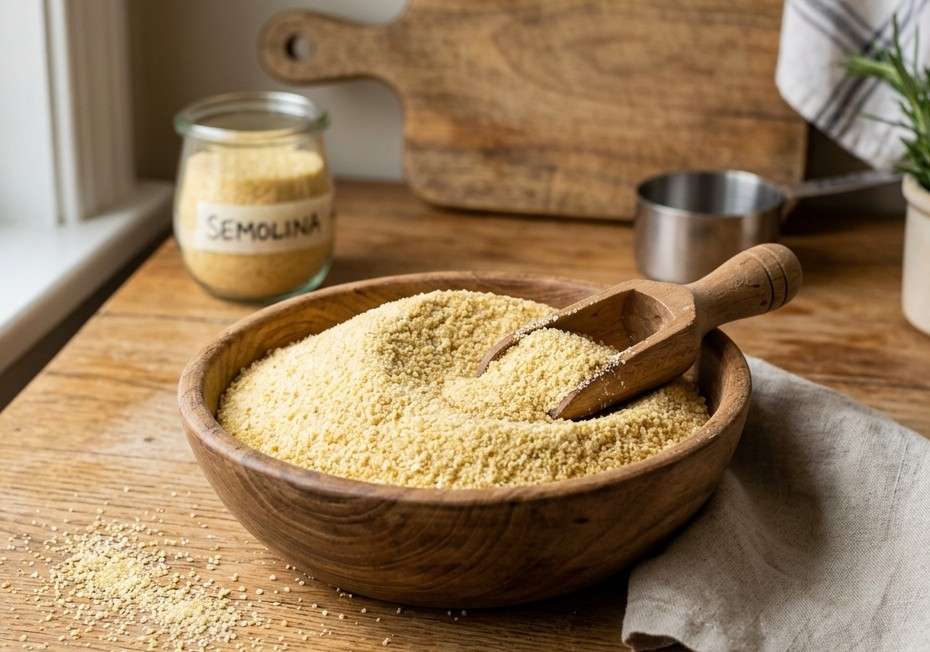
Semolina is a versatile grain product made from durum wheat and is widely used in cuisines around the world. It is commonly used to prepare pasta, porridge, desserts, bread, and traditional dishes such as upma and halwa. Rich in carbohydrates, protein, and several essential nutrients, semolina can be a valuable addition to a balanced diet. This guide explores everything you need to know about semolina, including its nutrition, science-backed health benefits, side effects, uses, and storage tips.
What is Semolina?
Semolina is a coarse flour produced from durum wheat, a hard variety of wheat known for its high protein and gluten content. It has a golden-yellow color and a slightly nutty flavor. Semolina is commonly used in making pasta, couscous, puddings, porridge, bread, and various baked goods.
Because it contains more protein than many other wheat products, semolina is often preferred for foods that require a firm texture. It is also a good source of energy and contains several vitamins and minerals that support overall health.
Nutrition Facts of Semolina
The following nutritional values are approximately for 100 grams of dry semolina:
| Nutrient | Amount |
|---|---|
| Calories | 360 kcal |
| Carbohydrates | 73 g |
| Protein | 13 g |
| Fat | 1 g |
| Dietary Fiber | 3.9 g |
| Sugar | 0.4 g |
| Calcium | 17 mg |
| Iron | 1.2 mg |
| Magnesium | 47 mg |
| Phosphorus | 136 mg |
| Potassium | 186 mg |
| Zinc | 1.1 mg |
| Folate | 72 mcg |
| Thiamin (Vitamin B1) | 0.28 mg |
| Riboflavin (Vitamin B2) | 0.08 mg |
| Niacin (Vitamin B3) | 3.3 mg |
20 Proven Health Benefits of Semolina
- Provides Long-Lasting Energy: Suji is rich in complex carbohydrates that provide a steady source of energy throughout the day.
- Supports Muscle Growth: Its protein content helps support muscle maintenance, repair, and development.
- Promotes Digestive Health: The dietary fiber in semolina helps improve digestion and encourages regular bowel movements.
- Aids Weight Management: Fiber and protein contribute to feelings of fullness, helping reduce overeating.
- Supports Heart Health: Whole-grain semolina may help maintain healthy cholesterol levels and support cardiovascular wellness.
- Rich in Iron: Suji contains iron, which supports oxygen transport and healthy red blood cell production.
- Helps Prevent Fatigue: The iron and B vitamins in semolina contribute to improved energy metabolism and reduced tiredness.
- Supports Healthy Blood Sugar Control: Fiber-rich Suji varieties may help slow glucose absorption and reduce blood sugar spikes.
- Boosts Nervous System Function: B vitamins found in semolina support healthy nerve function and brain activity.
- Promotes Bone Health: Minerals such as phosphorus and magnesium contribute to stronger bones and teeth.
- Supports Immune Function: Zinc and other micronutrients help maintain a healthy immune response.
- Improves Metabolism: B-complex vitamins assist the body in converting food into usable energy efficiently.
- Encourages Healthy Skin: Nutrients in semolina help support skin repair and maintenance.
- Supports Brain Health: The combination of carbohydrates and B vitamins provides fuel for cognitive function.
- May Improve Athletic Performance: Semolina supplies sustained energy that can support endurance activities.
- Helps Maintain Healthy Blood Circulation: Iron contributes to efficient oxygen delivery throughout the body.
- Supports Pregnancy Nutrition: Folate in Suji plays an important role in fetal growth and development.
- May Reduce Hunger Cravings: The slow digestion of semolina can help control appetite between meals.
- Contributes to Healthy Hair: Protein and minerals support hair strength and growth.
- Supports Overall Nutritional Balance: Suji provides several essential nutrients that contribute to overall health and wellness.
10 Side Effects of Semolina
- Gluten Sensitivity Issues: Suji contains gluten and may cause digestive discomfort in sensitive individuals.
- Unsafe for Celiac Disease: People with celiac disease should avoid semolina because it can trigger serious immune reactions.
- May Increase Blood Sugar: Refined semolina products may raise blood sugar levels when consumed in large amounts.
- Possible Weight Gain: Excessive consumption may contribute to increased calorie intake and weight gain.
- Digestive Discomfort: Some individuals may experience bloating or gas after eating semolina-based foods.
- Wheat Allergy Reactions: People with wheat allergies may develop itching, swelling, or allergic symptoms.
- Potential Overconsumption of Carbohydrates: Large servings may lead to excessive carbohydrate intake.
- May Cause Constipation: Low fluid intake alongside Suji consumption can contribute to constipation.
- Possible Nutrient Imbalance: Relying heavily on Suji while neglecting other foods may reduce dietary variety.
- Risk of Overeating Processed Foods: Many semolina-based products contain added sugars, fats, or sodium that may affect health.
How to Eat Semolina?
Semolina can be enjoyed in numerous ways:
- Prepare traditional upma with vegetables and spices.
- Cook semolina porridge for breakfast.
- Use it in puddings and desserts.
- Make semolina pancakes.
- Prepare halwa or sheera.
- Add semolina to bread dough.
- Use it as a coating for fish or vegetables.
- Incorporate it into homemade pasta recipes.
- Make semolina cakes and muffins.
- Mix it with yogurt and fruits for a nutritious meal.
Tips for Consuming Semolina
- Choose whole-grain or less processed varieties when possible.
- Combine semolina with vegetables for added fiber.
- Pair Suji meals with protein-rich foods.
- Drink adequate water throughout the day.
- Monitor portion sizes to avoid excessive calorie intake.
- Include fruits and nuts for additional nutrients.
- Avoid heavily processed semolina products with added sugars.
- Rotate Suji with other grains for dietary diversity.
- Consume fresh, properly stored semolina.
- Consult a healthcare professional if you have gluten-related conditions.
How to Cook Semolina?
Semolina Porridge
Ingredients:
- ½ cup semolina
- 2 cups milk or water
- Sweetener of choice
- Nuts and fruits
Instructions:
- Lightly roast semolina in a pan.
- Heat milk or water separately.
- Slowly add the liquid while stirring continuously.
- Cook for 5–10 minutes until thick.
- Add sweetener and toppings before serving.
Semolina Upma
Ingredients:
- 1 cup semolina
- Mixed vegetables
- Mustard seeds
- Curry leaves
- Onion
- Water
Instructions:
- Dry roast semolina and set aside.
- Sauté spices, onions, and vegetables.
- Add water and bring to a boil.
- Slowly add semolina while stirring.
- Cook until the mixture becomes soft and fluffy.
Other Uses of Semolina
- Pasta Production: Suji is widely used to make high-quality pasta due to its firm texture.
- Bread Making: Bakers often add semolina to bread recipes for improved flavor and texture.
- Pizza Dough Ingredient: Suji can enhance the crispness of pizza crusts.
- Dessert Preparation: It is commonly used in puddings, cakes, and sweet dishes.
- Food Coating: Suji creates a crispy coating for fried foods.
- Soup Thickener: It can be added to soups for thickness and texture.
- Breakfast Cereals: Suji is used in many hot breakfast cereal preparations.
- Baking Ingredient: It contributes structure and texture to baked goods.
- Couscous Production: Traditional couscous is made from semolina granules.
- Homemade Dumplings: Suji can be incorporated into dumpling recipes.
How Much Semolina Can You Eat in a Day?
Most healthy adults can safely consume about ½ to 1 cup of cooked semolina daily as part of a balanced diet. Individual needs may vary based on age, activity level, health status, and total calorie requirements.
| Age Group | Suggested Daily Amount |
|---|---|
| Children | ¼–½ cup cooked |
| Teenagers | ½–1 cup cooked |
| Adults | ½–1 cup cooked |
| Active Individuals | 1–2 cups cooked |
| Older Adults | ½–1 cup cooked |
These amounts are general guidelines and may vary depending on dietary needs.
Best Time to Eat Semolina
- Breakfast for sustained morning energy.
- Before exercise as a source of complex carbohydrates.
- Lunch for prolonged satiety.
- As a healthy snack between meals.
- During recovery after physical activity when combined with protein.
Who Should Eat Semolina?
- Athletes and Active Individuals: Suji provides energy and protein that support physical performance.
- Growing Children: The nutrients in semolina help support growth and development.
- Pregnant Women: Folate and other nutrients can contribute to a balanced pregnancy diet.
- People Seeking Energy-Rich Foods: Suji offers a reliable source of complex carbohydrates.
- Individuals Looking for Filling Meals: Its protein and fiber content can help promote satiety.
- Students and Professionals: Suji may support sustained mental and physical energy.
- Older Adults: It can be an easy-to-digest source of nutrients and calories.
- Vegetarians: Suji contributes plant-based protein to vegetarian diets.
Who Should Not Eat Semolina?
- People with Celiac Disease: Suji contains gluten and should be avoided completely.
- Individuals with Wheat Allergy: Wheat-allergic individuals may experience adverse reactions.
- People with Severe Gluten Intolerance: Suji may trigger digestive symptoms.
- Individuals on Low-Carbohydrate Diets: Suji may not align with strict low-carb eating plans.
- People with Uncontrolled Diabetes: Large portions may negatively affect blood sugar levels.
- Those with Specific Dietary Restrictions: Certain medical diets may require avoiding semolina.
How to Store Semolina?
- Use Airtight Containers: Store Suji in sealed containers to prevent moisture exposure.
- Keep in a Cool Place: Store it in a cool, dry pantry away from heat sources.
- Avoid Direct Sunlight: Sunlight may reduce freshness and quality over time.
- Check for Pests Regularly: Inspect stored semolina periodically for insects.
- Label Storage Dates: Recording purchase dates helps ensure timely use.
- Refrigerate in Humid Climates: Refrigeration can help extend shelf life in warm environments.
- Freeze for Long-Term Storage: Freezing can preserve Suji for several months.
- Keep Away from Strong Odors: Suji can absorb odors from nearby foods.
Precautions and Interactions
- Gluten Content Warning: Individuals with celiac disease or gluten sensitivity should avoid Suji.
- Monitor Blood Sugar Levels: Diabetic individuals should watch portion sizes and blood glucose responses.
- Check for Wheat Allergies: Avoid Suji if you have a diagnosed wheat allergy.
- Consume with Adequate Fluids: Drinking enough water helps support healthy digestion.
- Practice Portion Control: Excessive intake may contribute to unwanted calorie consumption.
- Choose Whole-Grain Options When Available: Whole-grain semolina generally provides more fiber and nutrients.
- Balance with Other Foods: Include vegetables, fruits, proteins, and healthy fats for a complete diet.
- Consult a Healthcare Professional: Seek medical guidance if you have dietary restrictions or chronic health conditions.
Conclusion
Semolina is a nutrient-rich wheat product that provides energy, protein, vitamins, and minerals. It can be used in a wide variety of dishes ranging from breakfast porridge to pasta and baked goods. When consumed in moderation as part of a balanced diet, Suji may support digestive health, energy production, heart health, and overall wellness. However, because it contains gluten, it is not suitable for individuals with celiac disease or wheat allergies. Proper preparation, portion control, and storage can help you enjoy the nutritional benefits of semolina safely and effectively.
FAQ’s
What is semolina made from?
Suji is made from durum wheat, a hard variety of wheat known for its high protein and gluten content.
Is semolina healthier than regular flour?
Suji generally contains more protein, vitamins, and minerals than refined white flour, making it a nutritious option when consumed in moderation.
Is semolina gluten-free?
No, Suji contains gluten and is not suitable for people with celiac disease or gluten intolerance.
Can semolina help with weight loss?
Suji may support weight management because its protein and fiber content can help increase feelings of fullness.
Is semolina good for people with diabetes?
Suji can be included in a diabetic diet in moderate portions, but blood sugar levels should be monitored, especially with refined semolina products.
Can I eat semolina every day?
Yes, healthy individuals can eat Suji daily as part of a balanced diet and appropriate portion sizes.
Is semolina good for digestion?
Yes, Suji contains dietary fiber that may support healthy digestion and regular bowel movements.
What does semolina taste like?
Suji has a mild, slightly sweet, and nutty flavor that works well in both sweet and savory dishes.
Is semolina good for muscle building?
Yes, Suji provides protein and carbohydrates that can help support muscle growth and recovery.
Can children eat semolina?
Yes, Suji is commonly included in children’s diets and can provide energy and essential nutrients for growth.
Is semolina the same as flour?
No, Suji is coarser than regular flour and is specifically made from durum wheat.
Can semolina be used for baking?
Yes, Suji can be used in bread, cakes, muffins, cookies, and other baked goods.
How long does semolina last?
When stored properly in an airtight container, Suji can last for 6–12 months or longer.
Is semolina good for heart health?
Whole-grain Suji may support heart health due to its fiber, magnesium, and other beneficial nutrients.
Can pregnant women eat semolina?
Yes, Suji can be part of a healthy pregnancy diet because it contains folate and other important nutrients.
Is semolina good for breakfast?
Yes, Suji porridge, upma, and other semolina-based breakfast dishes provide sustained energy for the day.
Does semolina contain protein?
Yes, Suji is a good source of plant-based protein compared to many other grain products.
Can semolina cause allergies?
Yes, individuals with wheat allergies may experience allergic reactions after consuming Suji.
What are the most popular semolina dishes?
Popular Suji dishes include pasta, upma, halwa, porridge, couscous, puddings, and various baked goods.
What is Semolina good for?
Suji is good for providing energy, supporting digestion, promoting satiety, and supplying important nutrients such as protein, iron, and B vitamins.
Is semolina a suji?
Yes, semolina is commonly known as suji or sooji in India, although the texture may vary slightly depending on the milling process.
What is the Indian name for semolina?
In India, semolina is commonly called suji, sooji, or rava.
Is semolina 100% wheat?
Yes, traditional Suji is made entirely from durum wheat, a hard variety of wheat.
What country uses semolina the most?
Suji is widely used in countries such as Italy, India, Morocco, Tunisia, and Algeria, particularly for pasta, couscous, and traditional dishes.
What is the best substitute for semolina?
Good substitutes include all-purpose flour, whole wheat flour, rice flour, cornmeal, spelt flour, and durum wheat flour, depending on the recipe.
Which semolina is good?
Whole-grain Suji is generally considered the best option because it contains more fiber, vitamins, and minerals than refined varieties.
What is another name for semolina?
Other names for semolina include suji, sooji, rava, cream of wheat, and durum wheat semolina.
Is semolina good for cholesterol?
Whole-grain semolina may help support healthy cholesterol levels due to its fiber content when consumed as part of a balanced diet.
Also Read: