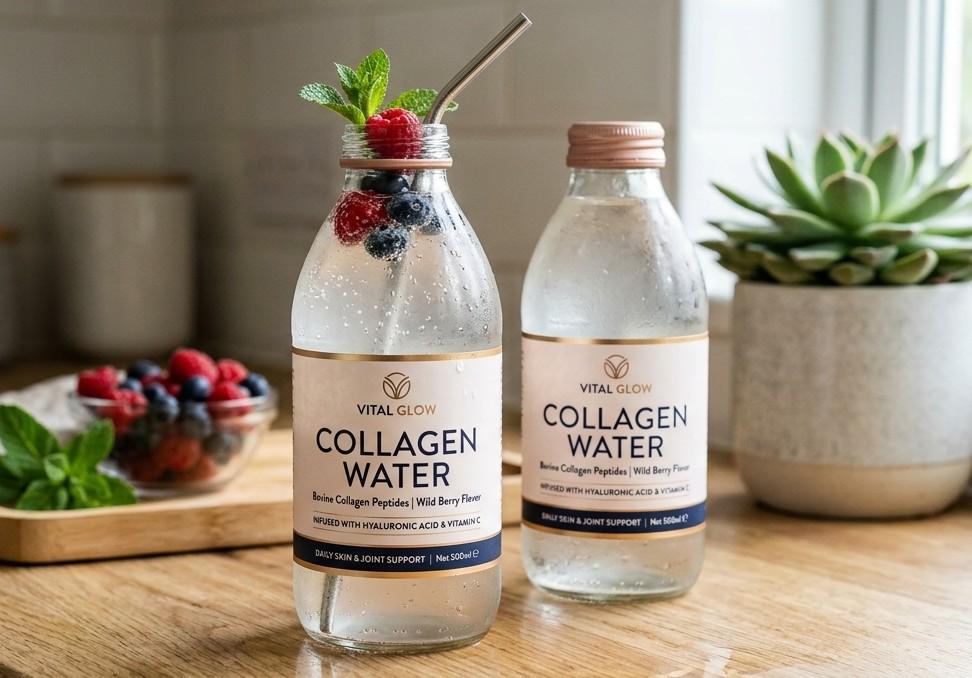
Collagen Water has become one of the most popular wellness beverages among people looking to support healthy skin, joints, hair, and overall well-being. Unlike regular water, collagen water contains added collagen peptides—small protein fragments that are easier for the body to absorb and utilize.
As collagen naturally declines with age, many people turn to collagen supplements and collagen-infused beverages to help maintain youthful skin, strong bones, and healthy connective tissues. Collagen Water offers a convenient and refreshing way to increase collagen intake while staying hydrated.
In this guide, we’ll explore everything you need to know about Collagen Water, including its nutrition facts, science-backed health benefits, side effects, preparation methods, storage tips, and precautions.
What is Collagen Water?
Collagen Water is a beverage that contains dissolved collagen peptides or hydrolyzed collagen proteins. These peptides are typically sourced from bovine (cow), marine (fish), chicken, or porcine collagen.
Collagen is the most abundant protein in the human body and serves as a major structural component of:
- Skin
- Hair
- Nails
- Bones
- Cartilage
- Tendons
- Ligaments
- Blood vessels
Hydrolyzed collagen is broken down into smaller peptides, making it easier to digest and absorb. When added to water, it creates a protein-rich drink that supports hydration and collagen intake simultaneously.
Commercial collagen waters may also contain:
- Vitamin C
- Hyaluronic acid
- Electrolytes
- Natural fruit flavors
- Antioxidants
Nutrition Facts of Collagen Water
The nutritional content varies depending on the brand and serving size. Below is an approximate nutritional profile for one 500 ml bottle containing 10 grams of collagen peptides.
| Nutrient | Amount |
|---|---|
| Calories | 35–50 kcal |
| Protein | 8–10 g |
| Total Fat | 0 g |
| Carbohydrates | 0–3 g |
| Sugars | 0–2 g |
| Sodium | 20–100 mg |
| Potassium | 10–50 mg |
| Vitamin C | 10–60 mg |
| Collagen Peptides | 8–10 g |
| Calcium | 5–20 mg |
| Magnesium | 2–10 mg |
Values may vary by product and ingredients.
20 Proven Health Benefits of Collagen Water
- Supports Skin Elasticity: Regular collagen consumption may improve skin elasticity and help maintain a youthful appearance.
- Reduces Wrinkles: Studies suggest collagen peptides may reduce the appearance of fine lines and wrinkles over time.
- Promotes Skin Hydration: Collagen supplementation may increase skin moisture and reduce dryness.
- Supports Joint Health: Collagen helps maintain cartilage structure and may improve joint comfort.
- May Reduce Joint Pain: Some research indicates collagen supplementation can help reduce exercise-related joint discomfort.
- Strengthens Bones: Collagen contributes to bone structure and may support bone density as people age.
- Supports Muscle Recovery: The protein in collagen water may aid muscle repair after physical activity.
- Improves Hair Strength: Collagen provides amino acids that support healthy hair growth and structure.
- Promotes Nail Health: Regular intake may help reduce brittle nails and support nail growth.
- Supports Gut Health: Certain amino acids in collagen may help support the intestinal lining.
- Provides Hydration: Collagen water helps maintain hydration while delivering beneficial protein.
- Supports Healthy Aging: Collagen intake may help counter age-related collagen loss in the body.
- Aids Connective Tissue Health: Collagen is essential for maintaining tendons, ligaments, and connective tissues.
- Supports Heart Health: Collagen contributes to the structure of blood vessels and arteries.
- May Improve Exercise Performance: Healthy joints and connective tissues may support physical activity and performance.
- Promotes Wound Healing: Collagen plays an important role in tissue repair and wound recovery.
- Provides Essential Amino Acids: Collagen contains glycine, proline, and hydroxyproline that support numerous body functions.
- Supports Metabolism: The protein content may contribute to healthy metabolic function and satiety.
- May Improve Sleep Quality: Glycine found in collagen has been associated with improved sleep quality in some studies.
- Supports Overall Wellness: Combining hydration with protein intake makes collagen water a convenient wellness beverage.
10 Side Effects of Collagen Water
- Digestive Discomfort: Some people may experience bloating, gas, or stomach upset after consuming collagen products.
- Feeling of Fullness: High-protein beverages may create a temporary feeling of fullness.
- Allergic Reactions: Individuals allergic to fish, shellfish, or animal-derived ingredients may react to certain collagen sources.
- Unpleasant Taste: Some collagen waters may leave an aftertaste that not everyone enjoys.
- Nausea: Excessive consumption may occasionally cause mild nausea.
- Headaches: Rarely, sensitive individuals may experience headaches after consuming collagen supplements.
- Possible Medication Interactions: Added ingredients in flavored collagen infused waters may interact with certain medications.
- Kidney Concerns in Susceptible Individuals: People with existing kidney disorders should consult a healthcare provider before high protein intake.
- Added Sugar Intake: Some commercial products contain added sugars that may not fit all dietary plans.
- Unknown Ingredient Sensitivity: Flavorings, preservatives, or additives may cause reactions in sensitive individuals.
How to Make Collagen Water?
Making Collagen Water at home is simple and cost-effective.
Ingredients:
- 500 ml cold water
- 1 scoop (10–15 g) unflavored collagen peptides
- Juice of half a lemon (optional)
- Ice cubes (optional)
Instructions:
- Pour water into a large glass or bottle.
- Add collagen peptides.
- Stir or shake thoroughly until dissolved.
- Add lemon juice for flavor if desired.
- Serve chilled.
Flavor Variations:
- Strawberry collagen water
- Cucumber collagen water
- Orange collagen water
- Mint collagen water
- Berry collagen water
Tips for Consuming Collagen Water
- Choose high-quality collagen peptides from reputable manufacturers.
- Drink consistently for several weeks to see potential benefits.
- Pair collagen intake with vitamin C to support collagen synthesis.
- Stay hydrated throughout the day.
- Follow serving recommendations on product labels.
- Avoid excessive intake unless recommended by a healthcare professional.
- Store prepared collagen water properly.
- Combine collagen intake with a balanced diet rich in protein and nutrients.
Other Uses of Collagen Water
Beyond drinking it directly, Collagen Water can be used in various ways.
- Base for smoothies
- Protein-enhanced fruit drinks
- Post-workout hydration beverage
- Healthy mocktails
- Protein-rich iced tea
- Hydration during travel
- Recovery drink after exercise
- Addition to wellness routines
- Supplement carrier for vitamins
- Healthy alternative to sugary beverages
How Much Collagen Water Can You Drink in a Day?
Most research suggests that consuming 2.5–15 grams of collagen peptides daily is generally considered safe and beneficial for most healthy adults.
Typical collagen waters provide:
- 5 grams collagen per bottle
- 10 grams collagen per bottle
- 15 grams collagen per bottle
For most people:
- 1–2 bottles daily is usually sufficient.
- Athletes may consume slightly more depending on protein needs.
- Follow manufacturer guidelines and professional medical advice.
Excessive intake does not necessarily provide additional benefits and may increase the risk of digestive discomfort.
Best Time to Drink Collagen Water
There is no single perfect time, but certain times may be particularly beneficial.
Morning
Starting the day with collagen infused water may support hydration and protein intake.
Before Exercise
Collagen consumed before activity may support connective tissue health.
After Exercise
Post-workout consumption may aid recovery and muscle repair.
Between Meals
Collagen infused water can serve as a low-calorie protein beverage.
Before Bed
Some individuals prefer collagen before bedtime due to the presence of glycine, which may support relaxation.
Who Should Drink Collagen Water?
- Adults Concerned About Skin Health: Individuals seeking support for skin elasticity and hydration may benefit from collagen infused water.
- Athletes and Active Individuals: People who exercise regularly may use collagen infused water to support joints and recovery.
- Older Adults: Aging individuals may benefit from supplemental collagen as natural production declines.
- People with Dry Skin: Collagen water may help support skin moisture levels.
- Fitness Enthusiasts: Those looking for a low-calorie protein source may find collagen infused water convenient.
- People Seeking Joint Support: Individuals experiencing everyday joint stiffness may choose collagen infused water as part of a wellness routine.
- Busy Professionals: Ready-to-drink collagen infused water offers a convenient nutritional option.
- People Recovering from Physical Activity: The protein content may support recovery needs.
- Individuals Seeking Healthy Aging Support: Collagen infused water can be part of a broader healthy aging strategy.
- People Looking to Increase Protein Intake: Collagen infused water provides additional dietary protein with minimal calories.
Who Should Avoid Collagen Water?
- People with Specific Allergies: Individuals allergic to fish, shellfish, or animal proteins should check collagen sources carefully.
- Those with Severe Kidney Disease: High-protein products may not be suitable without medical supervision.
- People Sensitive to Product Additives: Certain flavorings or preservatives may trigger reactions.
- Individuals Following Strict Vegan Diets: Traditional collagen products are animal-derived.
- People with Certain Metabolic Disorders: Medical guidance may be needed before using protein supplements.
- Children Without Medical Advice: Routine supplementation should be discussed with a healthcare professional.
- Pregnant Women Seeking Supplementation: Professional guidance is recommended before introducing new supplements.
- Breastfeeding Women Seeking Supplements: Consultation with a healthcare provider is advisable.
- People with Digestive Sensitivities: Some individuals may experience gastrointestinal discomfort.
- Anyone Advised Against Protein Supplements: Follow recommendations provided by healthcare professionals.
How to Store Collagen Water?
- Keep Refrigerated After Opening: Opened bottles should be refrigerated promptly.
- Store in a Cool Place: Unopened products should be kept away from excessive heat.
- Avoid Direct Sunlight: Sun exposure may affect flavor and product quality.
- Use Clean Containers: Homemade collagen water should be stored in sanitized bottles.
- Seal Tightly: Proper sealing helps maintain freshness and prevent contamination.
- Follow Expiration Dates: Always check manufacturer expiration guidelines.
- Consume Homemade Versions Quickly: Fresh preparations are best consumed within 24–48 hours.
- Avoid Freezing Bottled Products: Freezing may alter texture and quality.
- Check for Changes in Smell: Discard if unusual odors develop.
- Discard if Spoilage Occurs: Do not consume products showing signs of spoilage.
Precautions and Interactions
Although Collagen Infused Water is generally considered safe for most healthy individuals, several precautions should be considered.
Possible Precautions:
- Read ingredient labels carefully.
- Verify collagen source if you have allergies.
- Avoid exceeding recommended serving sizes.
- Choose products with minimal added sugars.
- Consult a healthcare provider if you have chronic medical conditions.
- Monitor for digestive discomfort when starting supplementation.
- Purchase products from trusted manufacturers.
Possible Interactions:
Collagen itself has relatively few known interactions, but added ingredients may affect:
- Blood pressure medications
- Diabetes medications
- Dietary supplements
- Herbal products
- Specialized medical diets
Individuals taking medications regularly should consult their healthcare provider before beginning daily collagen supplementation.
Conclusion
Collagen Water is a convenient, protein-rich beverage that combines hydration with the potential benefits of collagen peptides. Research suggests that collagen supplementation may support skin health, joint function, bone strength, muscle recovery, and healthy aging. While it is generally safe for most healthy adults, moderation and proper product selection are important.
FAQ’s
What does Collagen Water taste like?
Most unflavored Collagen Infused Water has a very mild or neutral taste, while flavored varieties may taste like fruit-infused water.
How long does it take for Collagen Water to work?
Many people notice improvements in skin hydration within 4–8 weeks, while benefits for joints and connective tissues may take several months of consistent use.
Is Collagen Water good for skin health?
Yes, collagen peptides may help improve skin elasticity, hydration, and the appearance of fine lines and wrinkles when consumed regularly.
Can Collagen Water help with joint pain?
Some studies suggest collagen supplementation may support cartilage health and help reduce mild joint discomfort.
Is Collagen Water good for hair growth?
Collagen provides amino acids that help support healthy hair structure, although results may vary from person to person.
Can Collagen Water strengthen nails?
Yes, regular collagen intake may help reduce nail brittleness and support stronger nail growth.
Is Collagen Water safe to drink every day?
For most healthy adults, daily consumption of Collagen Infused Water is generally considered safe when consumed according to recommended serving sizes.
Does Collagen Water contain protein?
Yes, collagen is a protein, and most Collagen Infused Water products contain between 5 and 15 grams of protein per serving.
Can Collagen Water help with weight management?
Its protein content may promote fullness and help reduce snacking, making it a useful addition to a balanced diet.
Is Collagen Water better than collagen powder?
Neither is necessarily better; Collagen Infused Water offers convenience, while collagen powder is often more economical and versatile.
Is Collagen Water suitable for athletes?
Yes, athletes often use Collagen Infused Water to support recovery, connective tissue health, and daily protein intake.
Can pregnant women drink Collagen Water?
Pregnant women should consult their healthcare provider before adding collagen supplements or collagen-infused beverages to their routine.
Is Collagen Water safe during breastfeeding?
Breastfeeding mothers should seek medical advice before regularly consuming collagen supplements.
Does Collagen Water contain sugar?
Some products are sugar-free, while others contain added sugars or fruit juices. Always check the nutrition label.
Can vegans drink Collagen Water?
Traditional Collagen infused Water is not vegan because collagen is derived from animal sources such as fish, cows, or chickens.
Is Collagen Water good for bones?
Collagen is an important structural protein in bones and may help support bone strength and density as part of a healthy diet.
What does Collagen Water smell like?
Most Collagen infused Water products have little to no smell, although marine collagen varieties may have a slight fish-like aroma.
Is Collagen Water good for gut health?
The amino acids in collagen, particularly glycine and glutamine, may help support the health of the digestive tract.
Is Collagen Water worth drinking?
For people seeking additional collagen and hydration, Collagen infused Water can be a convenient way to support skin, joint, and overall wellness goals.
Is Collagen Water Safe for Children?
Yes, Collagen Infused Water is generally safe for healthy children in moderation, but it is usually not necessary unless advised by a healthcare professional.
What Is Collagen Water Good For?
Collagen Infused Water may support healthy skin, joints, bones, hair, nails, hydration, and overall wellness.
Also Read: