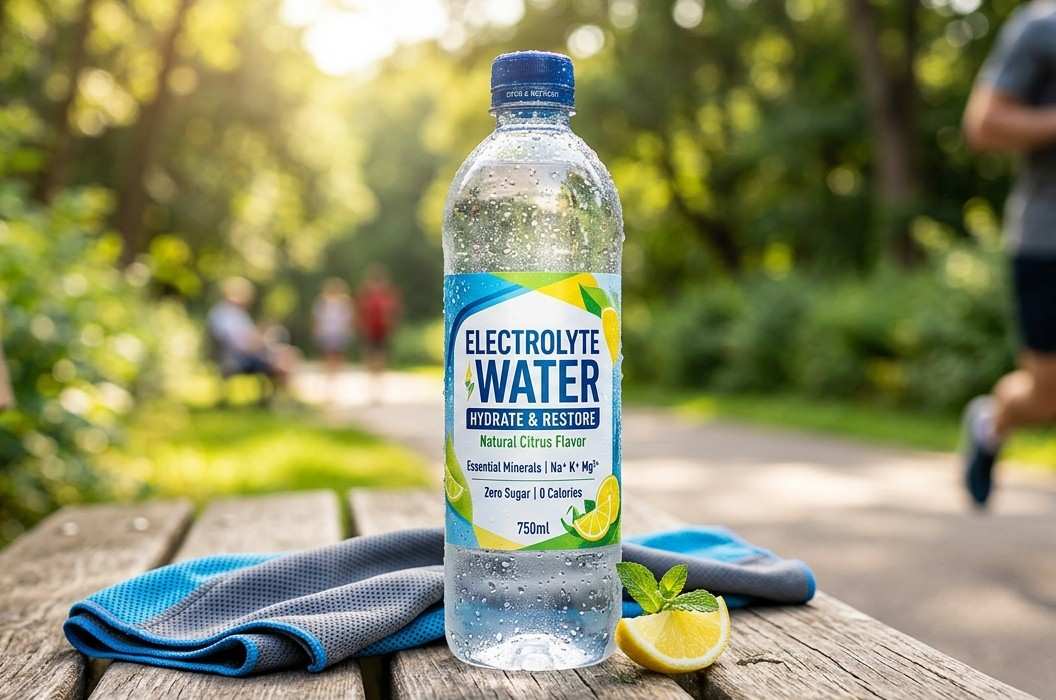
Electrolyte water has become increasingly popular among athletes, fitness enthusiasts, travelers, and people looking for better hydration. Unlike regular water, electrolyte water contains essential minerals that help maintain fluid balance, support muscle function, regulate nerve signals, and promote overall health.
Whether you are recovering from exercise, dealing with hot weather, or simply trying to stay hydrated throughout the day, electrolyte water can be a useful addition to your routine. Understanding its science-backed benefits, proper usage, and potential side effects can help you get the most out of this hydration solution.
What is Electrolyte Water?
Electrolyte water is water that contains dissolved minerals known as electrolytes. These minerals carry electrical charges that help regulate many vital functions in the body.
Common electrolytes found in electrolyte water include:
- Sodium
- Potassium
- Calcium
- Magnesium
- Chloride
- Phosphate
These minerals are naturally lost through sweat, urine, and other bodily functions. Electrolyte water helps replenish these losses and supports optimal hydration.
Electrolyte water may occur naturally in mineral-rich water sources or be enhanced through the addition of electrolytes during manufacturing. It is commonly used during exercise, illness, hot weather, and periods of dehydration.
Components of Electrolyte Water
The exact nutritional profile varies by brand and recipe.
| Nutrient | Amount per 500 ml (Typical) |
|---|---|
| Calories | 0–20 |
| Carbohydrates | 0–5 g |
| Sugars | 0–5 g |
| Sodium | 100–300 mg |
| Potassium | 50–150 mg |
| Calcium | 10–50 mg |
| Magnesium | 5–30 mg |
| Chloride | 100–250 mg |
| Phosphorus | 0–20 mg |
| Fat | 0 g |
| Protein | 0 g |
20 Proven Health Benefits of Electrolyte Water
- Improves Hydration: Electrolytes help the body absorb and retain water more efficiently than plain water alone.
- Supports Athletic Performance: Proper electrolyte balance helps maintain endurance and physical performance during exercise.
- Prevents Dehydration: Electrolyte water replenishes minerals lost through sweat and helps prevent dehydration.
- Reduces Muscle Cramps: Adequate electrolyte levels may lower the risk of muscle cramps during physical activity.
- Supports Nerve Function: Electrolytes help transmit electrical signals between nerves and muscles.
- Maintains Fluid Balance: Sodium and potassium work together to regulate fluid movement throughout the body.
- Enhances Exercise Recovery: Electrolyte water helps restore minerals lost during intense workouts.
- Supports Heart Function: Proper electrolyte levels are essential for maintaining a normal heartbeat.
- May Reduce Fatigue: Rehydration with electrolytes can help decrease fatigue caused by fluid loss.
- Improves Heat Tolerance: Electrolyte replacement helps the body cope better with hot environmental conditions.
- Supports Cognitive Function: Proper hydration and electrolyte balance contribute to mental clarity and concentration.
- Aids Recovery During Illness: Electrolyte water may help replace fluids lost due to vomiting, diarrhea, or fever.
- Supports Kidney Function: Adequate hydration assists the kidneys in filtering waste products effectively.
- Promotes Healthy Blood Pressure: Balanced electrolyte intake plays an important role in blood pressure regulation.
- Improves Cellular Function: Electrolytes help cells absorb nutrients and remove waste products.
- Supports Digestive Health: Proper hydration supports healthy digestion and nutrient absorption.
- May Reduce Headaches from Dehydration: Replacing fluids and electrolytes can help alleviate dehydration-related headaches.
- Helps Travelers Stay Hydrated: Electrolyte water can combat dehydration associated with travel and changing climates.
- Supports Older Adults: Electrolyte-containing fluids may help maintain hydration in aging populations.
- Assists Post-Workout Recovery: Athletes often use electrolyte water to restore hydration and mineral balance after exercise.
10 Side Effects of Electrolyte Water
- Excess Sodium Intake: Drinking large amounts of high-sodium electrolyte water may contribute to elevated blood pressure in sensitive individuals.
- Fluid Retention: Excess sodium consumption can sometimes cause bloating and water retention.
- Electrolyte Imbalance: Overconsumption may disrupt the body’s natural electrolyte balance.
- Kidney Stress: Individuals with kidney disorders may have difficulty processing excess minerals.
- Digestive Discomfort: Some people may experience stomach upset or nausea from certain electrolyte formulations.
- High Sugar Intake: Sweetened electrolyte beverages can contribute to excessive sugar consumption.
- Potential Weight Gain: Regular intake of calorie-containing electrolyte drinks may increase calorie intake.
- Medication Interactions: Certain medications may interact with high levels of potassium or sodium.
- Increased Thirst: Excessive sodium intake may paradoxically increase thirst.
- Rare Hyperkalemia Risk: Excessive potassium consumption may be harmful for individuals with kidney disease or specific medical conditions.
How to Make Electrolyte Water?
Making electrolyte water at home is simple and cost-effective.
Basic Homemade Electrolyte Water Recipe
Ingredients:
- 1 liter filtered water
- 1/4 teaspoon sea salt
- 2 tablespoons lemon juice
- 1 tablespoon honey or maple syrup (optional)
- 1/4 teaspoon potassium salt substitute (optional)
Instructions:
- Pour water into a clean bottle or pitcher.
- Add sea salt.
- Add lemon juice.
- Stir thoroughly until dissolved.
- Add honey if desired.
- Refrigerate before serving.
This homemade version provides hydration and replenishes essential minerals.
Tips for Consuming Electrolyte Water
- Drink during prolonged physical activity.
- Use after excessive sweating.
- Consume during hot weather.
- Choose low-sugar varieties whenever possible.
- Read labels for sodium and potassium content.
- Drink according to your hydration needs.
- Pair with a balanced diet.
- Avoid replacing all daily water intake with electrolyte beverages.
- Monitor intake if you have kidney or heart conditions.
- Consult a healthcare professional if using regularly for medical reasons.
Other Uses of Electrolyte Water
Electrolyte water has applications beyond sports hydration.
Post-Illness Recovery
Helps replace fluids and minerals lost through diarrhea, vomiting, or fever.
Travel Hydration
Useful during flights and long-distance travel.
Heat Exposure
Supports hydration during outdoor work and hot climates.
Workplace Hydration
Beneficial for physically demanding occupations.
Elderly Hydration Support
May help older adults maintain proper hydration levels.
Pregnancy Support
Can help replenish fluids during periods of increased hydration needs under medical guidance.
Sports Training
Commonly used by athletes before, during, and after workouts.
Recovery from Excessive Sweating
Useful after saunas, outdoor activities, or strenuous labor.
How Much Electrolyte Water Can You Drink in a Day?
The ideal amount depends on activity level, climate, age, health status, and overall fluid intake.
General guidelines:
- Sedentary adults: 250–500 ml daily when needed.
- Moderate exercise: 500–1000 ml during or after activity.
- Intense exercise: 1–2 liters may be appropriate depending on sweat loss.
- Illness-related dehydration: Follow healthcare guidance.
Most healthy individuals do not need electrolyte water all day long. Regular water remains the primary hydration source for everyday needs.
Best Time to Drink Electrolyte Water
Before Exercise
Helps prepare the body for fluid loss.
During Exercise
Supports hydration and mineral replacement.
After Exercise
Promotes recovery and rehydration.
During Hot Weather
Helps offset increased sweating.
During Illness
Can aid fluid and electrolyte replacement.
During Travel
Supports hydration during long journeys.
After Heavy Sweating
Helps restore lost minerals.
Who Should Drink Electrolyte Water?
- Athletes: Athletes can benefit from electrolyte replacement during intense training and competitions.
- Endurance Runners: Long-distance runners lose substantial minerals through sweat and may benefit from electrolyte water.
- Outdoor Workers: Individuals working in hot environments often require additional electrolyte support.
- People in Hot Climates: Hot weather increases sweat loss and electrolyte requirements.
- Travelers: Frequent travelers may use electrolyte water to support hydration.
- Older Adults: Seniors may benefit from improved hydration support.
- People Recovering from Illness: Electrolyte enhanced water may help replace fluids lost during sickness.
- Gym Enthusiasts: Regular exercisers can use electrolyte water after strenuous workouts.
- Individuals Experiencing Excessive Sweating: Heavy sweating increases electrolyte losses.
- People Participating in Sports Events: Competitive athletes often rely on electrolyte replenishment for performance and recovery.
Who Should Avoid Electrolyte Water?
- People with Severe Kidney Disease: Excess minerals may be difficult for damaged kidneys to process.
- Individuals on Sodium-Restricted Diets: High-sodium electrolyte products may not be appropriate.
- People with Hyperkalemia: Elevated potassium levels can be worsened by some electrolyte beverages.
- Individuals with Certain Heart Conditions: Some heart conditions require careful electrolyte management.
- People Taking Potassium-Retaining Medications: Added potassium may increase health risks.
- Those Sensitive to Added Sugars: Sweetened varieties may not fit dietary goals.
- Individuals with Fluid Restriction Orders: Medical advice should be followed regarding fluid intake.
- People with Uncontrolled Hypertension: Some electrolyte drinks contain significant sodium.
- Children Without Medical Need: Most healthy children can remain hydrated with regular water and a balanced diet.
- Anyone Advised Against Electrolyte Supplements by Their Doctor: Medical guidance should take priority.
How to Store Electrolyte Water?
- Keep Refrigerated After Opening: Refrigeration helps maintain freshness and quality.
- Use Clean Containers: Store electrolyte enhanced water in sanitized bottles or pitchers.
- Avoid Direct Sunlight: Sunlight may degrade quality and encourage bacterial growth.
- Seal Tightly: Proper sealing prevents contamination.
- Check Expiration Dates: Commercial products should be consumed before expiration.
- Consume Homemade Versions Quickly: Homemade electrolyte water is best consumed within 24–48 hours.
- Store at Consistent Temperatures: Avoid repeated temperature fluctuations.
- Discard if Odor Changes: Unusual smells may indicate spoilage.
- Use Food-Grade Containers: Proper containers help preserve safety and quality.
- Label Homemade Batches: Mark preparation dates for freshness tracking.
Precautions and Interactions
Although electrolyte water is generally safe, certain precautions should be considered.
Medical Conditions
People with:
- Kidney disease
- Heart disease
- High blood pressure
- Liver disease
- Electrolyte disorders
should consult a healthcare professional before consuming large amounts.
Medication Interactions
Electrolyte enhanced water may interact with:
- Diuretics
- ACE inhibitors
- Angiotensin receptor blockers (ARBs)
- Potassium supplements
- Certain heart medications
- Some kidney medications
Pregnancy and Breastfeeding
Electrolyte water is generally considered safe when consumed in moderation, but pregnant and breastfeeding individuals should choose low-sugar products and seek medical advice if they have health concerns.
Children
Children can use electrolyte beverages when needed for dehydration, illness, or intense activity, but excessive use should be avoided.
Excessive Consumption
Drinking large quantities may cause:
- Sodium overload
- Potassium imbalance
- Fluid retention
- Digestive discomfort
- Increased blood pressure in susceptible individuals
Moderation remains the key to safe and effective use.
Conclusion
Electrolyte water is a convenient way to support hydration and replenish essential minerals lost through sweating, illness, and physical activity. It offers numerous benefits, including improved hydration, enhanced exercise recovery, better muscle function, and support for overall bodily processes. While it can be highly beneficial in specific situations, it is important to consume it appropriately and be mindful of sodium, potassium, and sugar content.
For most people, electrolyte enhanced water works best as a supplement to regular water rather than a complete replacement. When used wisely, it can be an effective tool for maintaining hydration, supporting performance, and promoting overall wellness.
FAQ’s
Is Electrolyte Water better than regular water?
Electrolyte infused water may hydrate more effectively after intense exercise, heavy sweating, or illness, but regular water is sufficient for most daily hydration needs.
What does Electrolyte Water taste like?
Electrolyte infused water usually tastes slightly salty or mineral-like, though flavored varieties may have a fruity or sweet taste.
How long does it take for Electrolyte Water to work?
Electrolyte infused water can begin supporting hydration within minutes, with noticeable effects often occurring within 30 minutes to a few hours depending on hydration status.
Can I drink Electrolyte Water every day?
Yes, most healthy adults can drink electrolyte infused water daily in moderation, especially during periods of increased fluid loss.
Is Electrolyte Water good for dehydration?
Yes, electrolyte infused water helps replace fluids and essential minerals lost through sweating, illness, or physical activity, making it useful for dehydration recovery.
Can Electrolyte Water help with muscle cramps?
Electrolyte infused water may help reduce muscle cramps by replenishing minerals such as sodium, potassium, and magnesium that support muscle function.
Is Electrolyte Water safe for pregnant women?
Electrolyte infused water is generally safe during pregnancy when consumed in moderation, but it is best to choose low-sugar options and follow medical advice.
Is Electrolyte Water safe for children?
Yes, electrolyte infused water can be safe for children when needed for hydration during illness, sports, or hot weather, but excessive consumption should be avoided.
Does Electrolyte Water contain sugar?
Some electrolyte infused waters contain added sugars, while others are sugar-free. Always check the nutrition label before purchasing.
Can Electrolyte Water help after a workout?
Yes, it is commonly used after exercise to replace fluids and electrolytes lost through sweat and to support recovery.
Is Electrolyte Water good for the kidneys?
For healthy individuals, electrolyte infused water is generally safe, but people with kidney disease should consult a healthcare professional before consuming it regularly.
Is Electrolyte Water good for athletes?
Yes, athletes often use electrolyte infused water to maintain hydration, support performance, and replace minerals lost during training and competition.
Can Electrolyte Water help with headaches?
If headaches are caused by dehydration, electrolyte infused water may help by restoring fluids and electrolyte balance.
Does Electrolyte Water contain calories?
Many electrolyte infused waters contain few or no calories, although flavored and sweetened varieties may contain additional calories.
Can Electrolyte Water replace sports drinks?
In many cases, yes. Low-sugar electrolyte infused water can provide hydration and minerals without the high sugar content found in some sports drinks.
What does Electrolyte Water smell like?
Electrolyte infused water is usually odorless or has a very mild mineral scent. Flavored varieties may have a light fruity or citrus aroma depending on the ingredients used.
What is Electrolyte Water good for?
Electrolyte infused water is good for maintaining hydration, replacing minerals lost through sweat, supporting muscle and nerve function, aiding workout recovery, and helping prevent dehydration during exercise, hot weather, or illness.
Also Read: