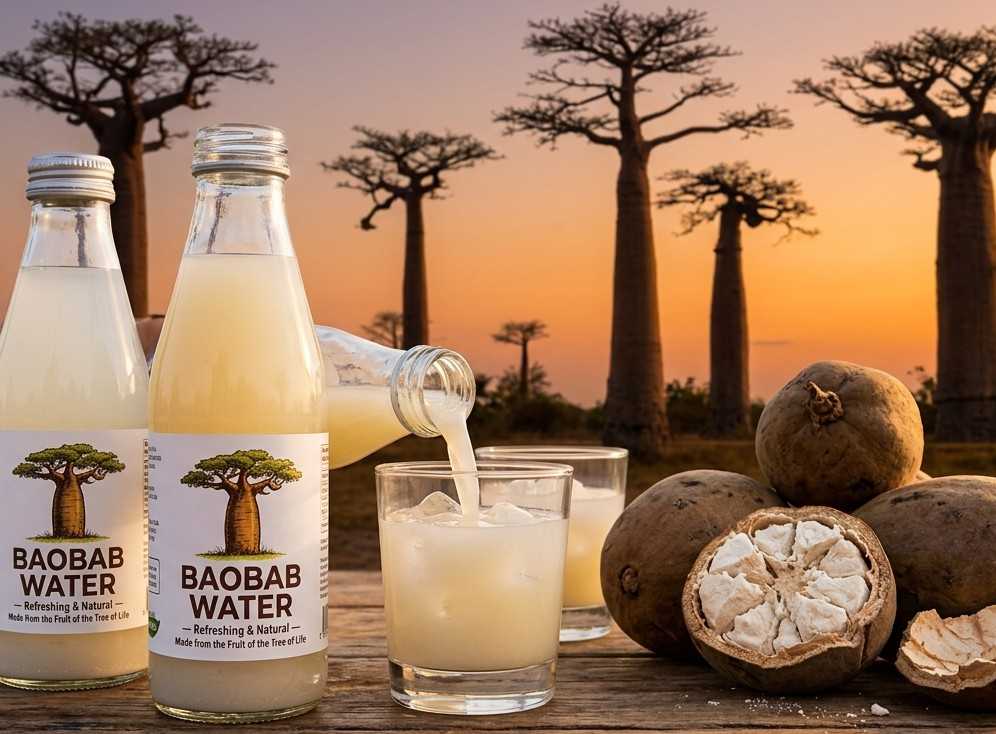
Baobab Water is a refreshing and nutrient-rich beverage made by mixing baobab fruit powder with water. Derived from the iconic baobab tree, often called the “Tree of Life,” this drink has gained popularity worldwide due to its impressive nutritional profile and potential health benefits. Native to Africa, the baobab fruit contains high levels of vitamin C, fiber, antioxidants, and essential minerals, making Baobab Water a natural wellness drink.
People consume Baobab Water for hydration, digestive support, immune health, energy, and overall well-being. Its slightly tangy citrus-like flavor makes it both enjoyable and nutritious. As interest in natural superfoods continues to grow, Baobab Water has become a favorite among health-conscious individuals seeking healthy alternatives to sugary beverages.
What is Baobab Water?
Baobab Water is a drink prepared by dissolving baobab fruit powder into water. The powder comes from the dried pulp of the baobab fruit, which naturally dehydrates while still on the tree. Unlike many fruits that require processing, baobab pulp can be simply ground into powder and mixed with water.
The resulting beverage is naturally rich in vitamin C, dietary fiber, antioxidants, potassium, magnesium, and calcium. It has a mildly sweet and tangy taste often compared to a blend of citrus fruits, pear, and grapefruit. Baobab Water is commonly consumed as a natural hydration drink, digestive aid, immune booster, and nutritional supplement.
Nutrition Facts of Baobab Water
The exact nutritional values vary depending on the amount of baobab powder used. The table below shows approximate nutrition for one serving made with 10 grams of baobab powder mixed with water.
| Nutrient | Amount Per Serving |
|---|---|
| Calories | 25–40 kcal |
| Carbohydrates | 7–9 g |
| Dietary Fiber | 4–5 g |
| Protein | 0.5–1 g |
| Fat | 0.1 g |
| Vitamin C | 80–120 mg |
| Calcium | 25–35 mg |
| Potassium | 200–300 mg |
| Magnesium | 15–25 mg |
| Iron | 0.5–1 mg |
| Antioxidants | High |
| Sodium | Very Low |
| Sugar | 2–3 g |
20 Proven Health Benefits of Baobab Water
- Supports Immune Function: The high vitamin C content helps strengthen the immune system and support the body’s natural defenses.
- Promotes Healthy Digestion: Its soluble fiber supports digestive health and encourages regular bowel movements.
- Improves Gut Microbiome: Prebiotic fibers nourish beneficial gut bacteria and promote microbial balance.
- Enhances Hydration: The mineral content may help replenish electrolytes and support hydration.
- Provides Powerful Antioxidants: Antioxidant compounds help combat oxidative stress and cellular damage.
- Supports Skin Health: Vitamin C contributes to collagen production and healthier-looking skin.
- May Aid Weight Management: Fiber promotes fullness and may reduce unnecessary snacking.
- Supports Heart Health: Potassium helps maintain healthy blood pressure and cardiovascular function.
- Helps Stabilize Blood Sugar: Fiber may slow sugar absorption and support balanced glucose levels.
- Boosts Energy Naturally: Nutrients help support energy production without relying on stimulants.
- Supports Bone Strength: Calcium and magnesium contribute to healthy bones and teeth.
- Promotes Healthy Aging: Antioxidants may help reduce age-related cellular damage.
- Supports Iron Absorption: Vitamin C enhances the body’s ability to absorb iron from foods.
- May Reduce Inflammation: Plant compounds may help support a healthy inflammatory response.
- Encourages Healthy Cholesterol Levels: Soluble fiber may help maintain balanced cholesterol levels.
- Supports Brain Function: Antioxidants and minerals contribute to cognitive health and mental performance.
- Improves Recovery After Exercise: Hydration and nutrients may support post-workout recovery.
- May Help Reduce Fatigue: Essential nutrients help maintain energy metabolism and reduce tiredness.
- Supports Healthy Metabolism: Vitamins and minerals assist numerous metabolic processes in the body.
- Promotes Overall Wellness: The combination of nutrients contributes to general health and vitality.
10 Side Effects of Baobab Water
- Digestive Discomfort: Excessive intake may cause bloating, gas, or stomach discomfort.
- Diarrhea Risk: High fiber consumption can lead to loose stools in sensitive individuals.
- Abdominal Cramping: Large servings may occasionally trigger mild stomach cramps.
- Allergic Reactions: Rare allergies to baobab fruit may occur in susceptible individuals.
- Nausea: Consuming too much at once may cause temporary nausea.
- Medication Interference: High fiber content may affect the absorption of some medications.
- Blood Sugar Changes: Individuals with diabetes should monitor blood sugar responses carefully.
- Mineral Absorption Issues: Excessive fiber may slightly reduce absorption of certain minerals.
- Dehydration from Overconsumption: Severe diarrhea from excessive intake may contribute to fluid loss.
- Sensitivity Reactions: Some individuals may experience digestive sensitivity when first introducing baobab.
How to Make Baobab Water?
Ingredients:
- 1–2 tablespoons baobab fruit powder
- 250–300 ml water
- Optional honey or natural sweetener
- Optional lemon slices
- Optional mint leaves
Instructions:
- Pour water into a glass or bottle.
- Add baobab powder.
- Stir or shake thoroughly until dissolved.
- Add honey if desired.
- Add lemon or mint for extra flavor.
- Serve immediately or chill before drinking.
The drink can also be blended with fruits for smoothies or mixed into herbal beverages.
Tips for Consuming Baobab Water
- Start with small servings if you are new to baobab.
- Drink plenty of water throughout the day.
- Use high-quality, organic baobab powder when possible.
- Avoid adding excessive sugar.
- Pair it with a balanced diet for best results.
- Consume consistently rather than in very large amounts.
- Shake well before drinking if sediment forms.
- Combine with fresh fruit for added nutrients.
- Enjoy chilled during hot weather for better hydration.
- Monitor your body’s response and adjust intake accordingly.
Other Uses of Baobab Water
Baobab Water is not limited to drinking. It has several additional uses:
- Base for smoothies and protein shakes.
- Natural ingredient in homemade sports drinks.
- Added to fruit juices for nutritional enhancement.
- Mixed into yogurt and breakfast bowls.
- Used in healthy mocktails.
- Included in detox-style beverages.
- Combined with herbal teas.
- Added to frozen popsicles.
- Used in wellness recipes and health drinks.
- Mixed into post-workout recovery beverages.
How Much Baobab Water Can You Drink in a Day?
For most healthy adults, consuming 1–2 servings daily is generally considered reasonable.
A typical serving contains:
- 1–2 tablespoons (5–15 grams) of baobab powder
- Mixed with approximately 250–300 ml of water
Beginners should start with one serving per day and gradually increase if well tolerated. Excessive consumption may increase the risk of digestive discomfort due to the high fiber content.
Best Time to Drink Baobab Water
Morning
Drinking Baobab Water in the morning may help support hydration and provide vitamin C to start the day.
Before Meals
The fiber content may help promote fullness and support appetite management.
Before Exercise
Its natural nutrients and minerals may contribute to hydration before physical activity.
After Exercise
It can support recovery by helping replenish fluids and nutrients.
Midday
A refreshing serving during the afternoon may help maintain energy and hydration.
Who Should Drink Baobab Water?
- Athletes and Active Individuals: It may support hydration, recovery, and nutrient replenishment.
- People Seeking Better Digestion: The fiber content may help support digestive regularity.
- Individuals Looking for Immune Support: Vitamin C contributes to healthy immune function.
- Those Interested in Natural Wellness Drinks: Baobab Water offers nutrients without artificial additives.
- People Managing Weight: Fiber may help support satiety and healthy eating habits.
- Individuals with Low Fruit Intake: It can help supplement certain nutrients commonly found in fruits.
- Busy Professionals: The drink provides a convenient source of vitamins and minerals.
- Health-Conscious Adults: It fits well into many balanced nutrition plans.
- Fitness Enthusiasts: The beverage can be incorporated into workout routines.
- People Seeking Antioxidants: Baobab contains naturally occurring antioxidant compounds.
Who Should Avoid Baobab Water?
- Individuals with Known Baobab Allergies: They should avoid consumption entirely.
- People Experiencing Severe Digestive Disorders: High fiber intake may worsen symptoms in some cases.
- Individuals Taking Certain Medications: Consultation with a healthcare provider may be advisable.
- People Sensitive to High-Fiber Foods: They may experience digestive discomfort.
- Children Without Medical Guidance: Intake should be supervised appropriately.
- Individuals with Chronic Gastrointestinal Conditions: Medical advice may be necessary before use.
- People Recovering from Acute Diarrhea: Additional fiber may not be appropriate temporarily.
- Individuals with Specific Dietary Restrictions: Ingredient labels should be reviewed carefully.
- People with Unexplained Food Reactions: Introduce cautiously and monitor for symptoms.
- Anyone Advised Against High-Fiber Intake: Follow healthcare recommendations.
How to Store Baobab Water?
- Refrigerate Immediately: Store prepared Baobab Water in the refrigerator after making it.
- Use an Airtight Container: This helps maintain freshness and prevent contamination.
- Consume Within 24–48 Hours: Freshly prepared beverages generally taste best during this period.
- Keep Away from Direct Sunlight: Light exposure may affect quality.
- Store at Consistent Temperatures: Avoid repeated warming and cooling cycles.
- Shake Before Drinking: Natural settling may occur over time.
- Avoid Contaminated Utensils: Always use clean spoons and containers.
- Label Homemade Batches: Mark preparation dates for safety.
- Keep Powder Dry: Store unused baobab powder in a cool, dry place.
- Check for Spoilage: Discard if odor, taste, or appearance changes significantly.
Precautions and Interactions
While Baobab Water is generally safe for most healthy adults, some precautions should be considered.
High Fiber Intake
Baobab is naturally rich in fiber. Sudden large amounts may lead to bloating, gas, or digestive discomfort. Increase intake gradually.
Medication Timing
Fiber can sometimes affect the absorption of medications. Consider consuming Baobab Water at a different time than medications unless advised otherwise by a healthcare professional.
Diabetes Management
Individuals managing blood sugar conditions should monitor their responses carefully, especially if sweeteners are added.
Pregnancy and Breastfeeding
Although baobab is commonly consumed as a food, pregnant or breastfeeding women should consult a healthcare provider before using it regularly.
Allergic Reactions
Although uncommon, allergic reactions are possible. Discontinue use and seek medical advice if symptoms occur.
Product Quality
Choose reputable brands that provide pure baobab powder without unnecessary additives or contaminants.
Conclusion
Baobab Water is a nutrient-dense beverage made from the fruit of the remarkable baobab tree. Rich in vitamin C, fiber, antioxidants, and essential minerals, it offers a variety of potential health benefits ranging from digestive support and immune health to hydration and overall wellness. Its refreshing taste and versatile uses make it an excellent addition to a balanced lifestyle.
As with any functional food or beverage, moderation is important. Starting with small servings, maintaining a balanced diet, and paying attention to individual tolerance can help you enjoy the benefits of Baobab Water safely and effectively.
FAQ’s
What does Baobab Water taste like?
Baobab Water has a mildly sweet and tangy flavor, often described as a mix of citrus fruits, pear, and grapefruit.
How long does it take for Baobab Water to work?
Some people notice improved hydration and digestive effects within a few hours, while long-term benefits may require regular consumption over several weeks.
Can Baobab Water help with digestion?
Yes, the natural fiber in baobab may help support healthy digestion, regular bowel movements, and gut health.
Is Baobab Water good for weight loss?
Baobab Water may support weight management by promoting fullness and helping reduce unnecessary snacking, but it is not a weight-loss miracle drink.
Can I drink Baobab Water every day?
Most healthy adults can enjoy Baobab Water daily in moderate amounts as part of a balanced diet.
Is Baobab Water safe for pregnant women?
Baobab is generally consumed as a food, but pregnant women should consult their healthcare provider before making it a regular part of their diet.
Is Baobab Water safe for children?
Yes, in moderate amounts, Baobab Water is generally safe for children, but parents should consult a pediatrician if they have concerns.
Does Baobab Water contain caffeine?
No, Baobab Water is naturally caffeine-free.
Can Baobab Water boost immunity?
Its high vitamin C content may help support normal immune system function.
Is Baobab Water good for the skin?
Yes, vitamin C and antioxidants in baobab may support collagen production and healthy-looking skin.
Can people with diabetes drink Baobab Water?
Many people with diabetes can consume Baobab Water, but they should monitor blood sugar levels and avoid adding excessive sweeteners.
What does Baobab Water smell like?
Baobab Water has a mild fruity aroma with slightly citrus-like and earthy notes.
Can I mix Baobab Water with other drinks?
Yes, it can be mixed with smoothies, juices, herbal teas, and flavored water for additional taste and nutrition.
Is Baobab Water a natural electrolyte drink?
Yes, it naturally contains minerals such as potassium and magnesium that may help support hydration and electrolyte balance.
What is Baobab Water good for?
Baobab Water is good for hydration, digestion, immune support, and overall wellness. Its vitamin C, fiber, antioxidants, and minerals help support gut health, healthy skin, and daily nutrition.
Also Read: