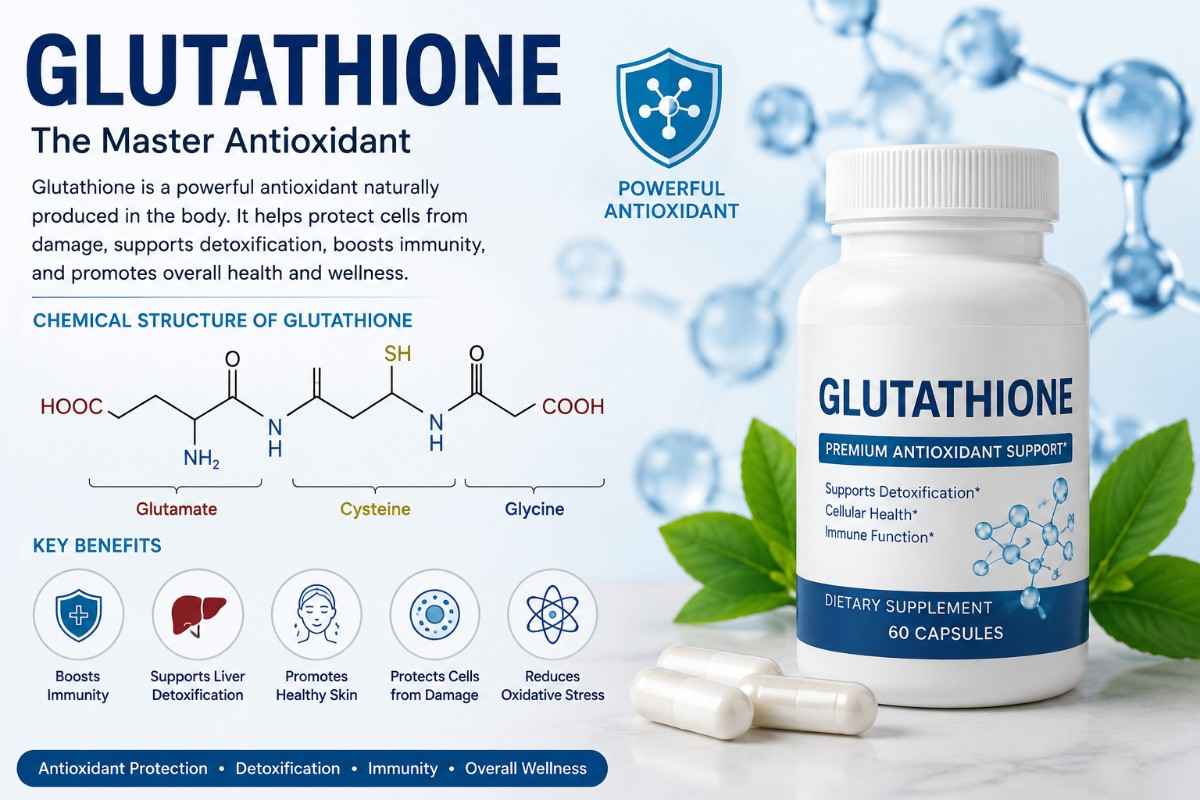
Glutathione is often called the body’s “master antioxidant” because it plays a vital role in protecting cells from oxidative stress, supporting detoxification, strengthening immunity, and promoting overall health. Naturally produced in the liver, glutathione is made from three amino acids—glutamine, glycine, and cysteine.
In recent years, glutathione supplements have gained popularity for their potential skin, liver, anti-aging, and wellness benefits. Many people also combine glutathione with nutrients such as Alpha-Lipoic Acid, Vitamin C, and N-Acetyl Cysteine (NAC) to help maintain healthy GSH levels in the body.
What is Glutathione?
Glutathione is a naturally occurring antioxidant found in almost every cell of the human body. It helps neutralize harmful free radicals, supports liver detoxification, assists immune function, and protects cells from damage caused by environmental toxins and aging.
The body produces glutathione naturally, but factors such as aging, stress, poor diet, pollution, infections, and chronic illnesses may reduce glutathione levels over time.
Glutathione Also Known As:
- L-Glutathione
- Reduced Glutathione (GSH)
- Master Antioxidant
- Cellular Antioxidant
- Endogenous Antioxidant
- Tripeptide Antioxidant
About Glutathione
| Feature | Details |
|---|---|
| Common Name | Glutathione |
| Scientific Name | L-Glutathione |
| Type | Antioxidant |
| Made From | Glutamine, Glycine, and Cysteine |
| Naturally Produced By | Liver and body cells |
| Main Function | Cellular protection and detoxification |
| Available Forms | Capsules, Tablets, Powder, Liquid, IV Injections |
| Common Supplement Uses | Antioxidant support, skin health, liver support |
| Suitable For | Adults under professional guidance |
| Found In | Fruits, vegetables, meats, and supplements |
How Does Glutathione Work?
Glutathione works by neutralizing free radicals that can damage cells and tissues. It acts as one of the body’s primary defense systems against oxidative stress.
The antioxidant also helps recycle other antioxidants such as Vitamin C and Vitamin E, improving their effectiveness. In the liver, glutathione binds to toxins and harmful compounds, making them easier for the body to eliminate through urine and bile.
Additionally, GSH supports immune cells, mitochondrial function, protein synthesis, and DNA repair, making it essential for overall health.
20 Science-Backed Benefits of Glutathione
- Powerful Antioxidant Protection: GSH helps neutralize free radicals that contribute to cellular damage and aging.
- Supports Liver Detoxification: It assists the liver in processing and removing toxins from the body.
- Boosts Immune Function: Glutathione supports healthy immune cell activity and defense mechanisms.
- May Improve Skin Appearance: It may help reduce oxidative stress that contributes to skin aging.
- Supports Healthy Aging: Higher glutathione levels are associated with better cellular health as people age.
- Helps Reduce Oxidative Stress: It protects cells from damage caused by environmental pollutants and stressors.
- Supports Brain Health: GSH may help protect nerve cells from oxidative damage.
- Promotes Heart Health: Its antioxidant properties may support healthy cardiovascular function.
- May Improve Exercise Recovery: It can help reduce exercise-induced oxidative stress.
- Supports Healthy Lung Function: Glutathione plays a role in protecting lung tissues from damage.
- Aids Cellular Repair: It assists in maintaining healthy cellular function and regeneration.
- Supports Mitochondrial Health: GSH helps protect the body’s energy-producing structures.
- May Help Manage Inflammation: It can help regulate inflammatory responses in the body.
- Supports Eye Health: Glutathione is found in high concentrations within the lens of the eye.
- Helps Maintain Healthy Blood Sugar Levels: Some research suggests antioxidant support may benefit metabolic health.
- Supports Kidney Function: It may help protect kidney tissues from oxidative stress.
- May Improve Overall Wellness: Adequate GSH levels are associated with better health outcomes.
- Supports Healthy Detox Pathways: It contributes to Phase II liver detoxification processes.
- May Enhance Nutrient Utilization: Glutathione helps optimize antioxidant recycling within the body.
- Supports Cellular Longevity: It helps maintain healthy cells and protect against premature damage.
Related Articles:
10 Side Effects of Glutathione
- Digestive Discomfort: Some users may experience nausea, bloating, or stomach upset.
- Abdominal Cramps: Mild stomach cramps can occur in sensitive individuals.
- Headaches: Certain people may experience headaches after supplementation.
- Skin Reactions: Allergic skin irritation may occur rarely.
- Gas and Bloating: Gastrointestinal symptoms are possible with higher doses.
- Allergic Reactions: Sensitive individuals may develop allergic responses.
- Breathing Difficulties: Rare respiratory symptoms have been reported with some forms.
- Lower Zinc Levels: Long-term supplementation may affect zinc balance.
- Dizziness: Some users report mild dizziness during use.
- Injection-Related Risks: IV glutathione should only be administered by qualified healthcare professionals.
Sources of Alpha-Lipoic Acid
Since Alpha-Lipoic Acid is commonly paired with glutathione supplements, the following foods naturally contain Alpha-Lipoic Acid.
| Food Source | Alpha-Lipoic Acid Content |
|---|---|
| Spinach | Moderate |
| Broccoli | Moderate |
| Tomatoes | Small Amount |
| Brussels Sprouts | Moderate |
| Peas | Small Amount |
| Potatoes | Small Amount |
| Organ Meats | High |
| Red Meat | Moderate |
| Rice Bran | Small Amount |
| Yeast | Moderate |
How to Take Glutathione?
Glutathione supplements are available in several forms:
- Capsules
- Tablets
- Powder
- Liquid formulations
- Liposomal glutathione
- Intravenous (IV) glutathione under medical supervision
For better absorption, many people combine GSH with Vitamin C because Vitamin C helps maintain glutathione in its active form.
What is the Best Time to Take Glutathione?
Many healthcare professionals recommend taking glutathione on an empty stomach, typically:
- 30–60 minutes before breakfast
- Between meals
- As directed by a healthcare provider
Consistency is generally more important than the exact timing.
Who Should Take Glutathione?
- People Seeking Antioxidant Support: Those wanting additional antioxidant protection may benefit.
- Individuals Exposed to Pollution: Environmental toxin exposure can increase oxidative stress.
- Adults Concerned About Aging: Glutathione may support healthy aging processes.
- People Looking to Support Liver Health: It plays an important role in detoxification pathways.
- Athletes and Active Individuals: Exercise increases oxidative stress that GSH may help counter.
- Individuals With Nutrient Deficiencies: Some may benefit under professional supervision.
- People Seeking Skin Health Support: GSH is commonly used in skin wellness programs.
- Those Experiencing High Stress Levels: Chronic stress may lower antioxidant reserves.
Who Should Not Take Glutathione?
- Pregnant Women Without Medical Advice: Consult a healthcare provider before use.
- Breastfeeding Mothers Without Guidance: Professional advice is recommended.
- People With Known Allergies: Avoid supplementation if allergic to ingredients.
- Children Without Medical Supervision: Pediatric use should be guided by healthcare professionals.
- Individuals Taking Multiple Medications: Potential interactions should be reviewed.
- People Undergoing Certain Treatments: Consult healthcare providers before supplementation.
- Those With Chronic Medical Conditions: Medical guidance is recommended.
- Anyone Scheduled for Surgery: Discuss supplement use with a healthcare provider beforehand.
How Much Glutathione Should You Take Daily?
There is no universally established daily requirement for glutathione supplementation.
Common supplemental ranges include:
- 250 mg daily
- 500 mg daily
- 1,000 mg daily in some cases
The appropriate dosage depends on age, health status, goals, and medical advice.
Glutathione Dosage
| Purpose | Typical Dosage Range |
|---|---|
| General Wellness | 250–500 mg daily |
| Antioxidant Support | 500–1,000 mg daily |
| Higher Therapeutic Use | As directed by a healthcare professional |
| IV Glutathione | Medical supervision required |
Other Uses of Glutathione
Glutathione is commonly used for:
- Antioxidant support
- Healthy aging programs
- Liver health support
- Exercise recovery
- Cellular health maintenance
- Wellness supplementation
- Immune support
- Skin health routines
- Detoxification support
- Overall health optimization
Tips for Consuming Glutathione
- Choose high-quality supplements from reputable brands.
- Consider pairing glutathione with Vitamin C.
- Follow dosage recommendations carefully.
- Stay hydrated throughout the day.
- Maintain a nutrient-rich diet.
- Include sulfur-rich foods such as garlic and onions.
- Avoid smoking whenever possible.
- Exercise regularly to support overall health.
- Store supplements according to manufacturer instructions.
- Consult a healthcare professional before long-term use.
Precautions and Interactions
- Medication Interactions: Discuss use with a healthcare provider if taking prescription medications.
- Pregnancy Considerations: Safety during pregnancy has not been fully established.
- Breastfeeding Concerns: Consult a healthcare professional before supplementation.
- Chronic Disease Management: Individuals with medical conditions should seek professional guidance.
- Surgical Procedures: Inform healthcare providers before surgery.
- Allergy Awareness: Check ingredient labels carefully.
- Dosage Compliance: Avoid exceeding recommended amounts.
- Supplement Quality: Choose products tested for quality and purity.
- Monitoring Side Effects: Stop use and seek medical advice if adverse reactions occur.
- Professional Supervision: IV glutathione should only be administered by qualified professionals.
Conclusion
Glutathione is one of the body’s most important antioxidants, supporting detoxification, immune function, cellular protection, and overall wellness. While the body naturally produces GSH, factors such as aging, stress, and environmental exposure may lower its levels. Through a balanced diet, healthy lifestyle, and appropriate supplementation when needed, many people can support healthy GSH levels.
FAQ’s
Is glutathione skin whitening permanent?
No, GSH skin-lightening effects are generally not considered permanent. Results may gradually fade if supplementation is discontinued, as skin pigmentation is influenced by genetics, sun exposure, hormones, and lifestyle factors.
Is glutathione good for your skin?
Yes, GSH may support skin health by helping reduce oxidative stress, protecting cells from free-radical damage, and promoting a brighter, more even-looking complexion.
Is glutathione safe to take daily?
GSH is generally considered safe for many healthy adults when taken in appropriate amounts. However, long-term use should ideally be discussed with a healthcare professional.
Which fruit is highest in glutathione?
Avocados are often considered one of the richest fruit sources of GSH. Other fruits that contain smaller amounts include watermelon, grapefruit, oranges, strawberries, and peaches.
Which food is equal to glutathione?
No single food is exactly equal to GSH supplements in concentration. However, avocados, asparagus, spinach, broccoli, and sulfur-rich foods such as garlic and onions are among the best natural dietary sources that help support glutathione levels.
Why do Koreans take glutathione?
GSH has become popular in South Korea because of its antioxidant properties and its association with skin-brightening and wellness benefits. Many people use it as part of broader skincare and healthy-aging routines, often alongside Vitamin C and other antioxidants.
What is Glutathione used for?
GSH is primarily used to support antioxidant protection, liver health, immune function, cellular repair, and overall wellness.
How long does it take for Glutathione to work?
Results vary depending on dosage, health status, diet, and goals, but some people may notice benefits within a few weeks of consistent use.
Can I take Glutathione with Vitamin C?
Yes, Vitamin C is often taken with GSH because it may help maintain glutathione in its active antioxidant form.
Is Glutathione good for the liver?
GSH plays a major role in liver detoxification and helps protect liver cells from oxidative stress.
Can Glutathione improve immunity?
GSH supports healthy immune cell function and helps the body defend against oxidative damage.
Is Glutathione safe for pregnant women?
Pregnant women should only take GSH under the guidance of a qualified healthcare professional.
Can Glutathione be taken by men and women?
Yes, GSH supplements are commonly used by both men and women for general health and antioxidant support.
What happens if Glutathione levels are low?
Low GSH levels may be associated with increased oxidative stress, reduced detoxification capacity, and weakened cellular protection.
Can athletes take Glutathione?
Athletes sometimes use GSH to support recovery and help reduce exercise-induced oxidative stress.
Is Glutathione natural?
Yes, GSH is a naturally occurring antioxidant produced by the body and found in many foods.
Can I take Glutathione before bed?
Yes, some people take GSH before bed, although many prefer taking it in the morning on an empty stomach.
What supplements work well with Glutathione?
Vitamin C, Alpha-Lipoic Acid (ALA), Selenium, and N-Acetyl Cysteine (NAC) are commonly paired with GSH supplements.
Is liposomal Glutathione better than regular Glutathione?
Liposomal GSH may offer improved absorption compared to some traditional oral forms, though results can vary between individuals.
Can Glutathione help with healthy aging?
Its antioxidant properties may help protect cells from oxidative damage associated with aging.
How should Glutathione be stored?
GSH supplements should be stored in a cool, dry place away from direct sunlight and moisture, following the manufacturer’s instructions.
Sources / References:
- National Institutes of Health (NIH) – Glutathione Research
- National Center for Biotechnology Information (NCBI) – Glutathione Overview
- Office of Dietary Supplements (ODS)
- Harvard T.H. Chan School of Public Health
- Cleveland Clinic – Antioxidants Guide
- Mayo Clinic
- World Health Organization (WHO)
- MedlinePlus
- Johns Hopkins Medicine
- PubMed Database
Also Read:
- Glycolic Acid: 15 Benefits, Side Effects, Precautions & How to Use
- Glycerin: 20 Benefits, Side Effects, Precautions & How to Use It
- Polyglutamic Acid: 20 Benefits, Side Effects, Precautions & How to Use
About the Author:
Written by: Kirti Solanki (Health Content Researcher)
Kirti Solanki is a health content researcher who specializes in evidence-based wellness, nutrition, skincare, pregnancy, and preventive health topics. She focuses on translating scientific research into clear, practical, and reader-friendly information. All articles are researched using reputable medical journals, government health organizations, and peer-reviewed scientific sources to support accuracy and trustworthiness.
Disclaimer:
This guide is for educational purposes only and does not constitute medical advice, diagnosis, or treatment. Always consult a qualified healthcare professional before starting any supplement, medication, or health program.