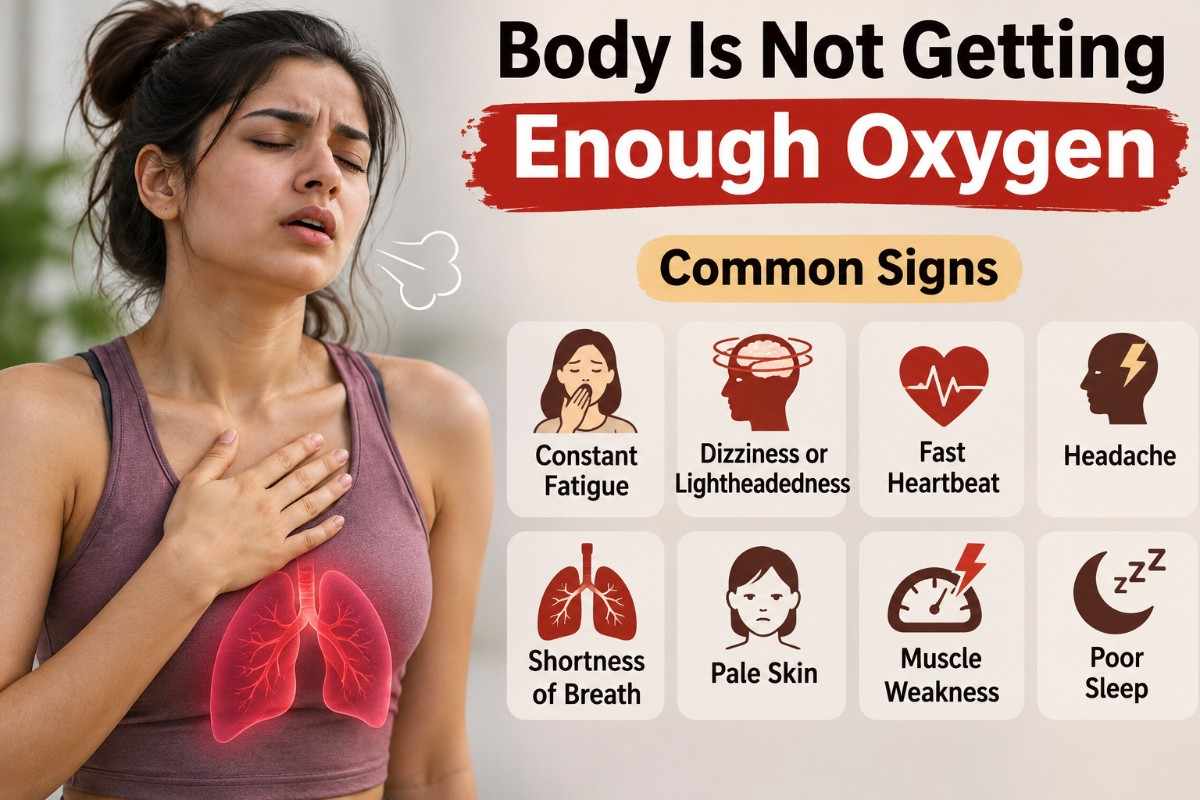
Oxygen is essential for every cell, tissue, and organ in your body. Your lungs bring oxygen into your bloodstream, and your heart pumps oxygen-rich blood throughout your body. When this process is disrupted, your organs may not receive the oxygen they need to function properly.
Low oxygen levels in the blood are medically known as hypoxemia. This condition can develop because of lung problems, heart conditions, infections, sleep-related breathing disorders, or other health issues.
Sometimes, the warning signs are noticeable, such as shortness of breath, rapid breathing, or bluish lips. In other cases, symptoms may be subtle and include unusual tiredness, headaches, confusion, or a racing heartbeat.
Recognizing these symptoms is important because severe oxygen deficiency can become life-threatening if left untreated.
In this guide, we will explore the warning signs your body may not be getting enough oxygen, possible causes, when to seek medical attention, and how oxygen levels are checked.
What Happens When Your Body Does Not Get Enough Oxygen?
Oxygen helps your cells produce the energy they need to perform everyday functions. Your brain, heart, kidneys, and other vital organs depend on a continuous supply of oxygen.
When blood oxygen levels become too low, your body may try to compensate by increasing your breathing rate and heart rate. If oxygen deficiency continues or becomes severe, organs and tissues can become damaged.
There are two related medical terms worth understanding:
- Hypoxemia: When the oxygen level in your blood is lower than normal.
- Hypoxia: When your body’s tissues and organs do not receive enough oxygen.
Hypoxemia can lead to hypoxia, but the terms do not mean exactly the same thing.
10 Warning Signs of Low Oxygen Levels in Your Body
Low oxygen levels can affect different parts of the body. Some symptoms appear in the lungs and heart, while others affect the brain, skin, and overall energy levels.
Here are 10 warning signs you should not ignore.
1. Shortness of Breath
Shortness of breath is one of the most noticeable signs of a possible oxygen-related problem. You may feel that you cannot take a deep enough breath or that you are struggling to get sufficient air into your lungs.
It may happen while walking, climbing stairs, exercising, or even resting.
If you suddenly experience severe breathlessness, do not assume it is simply due to tiredness or a lack of fitness. It can be associated with serious lung or heart problems.
2. Bluish or Grayish Lips, Fingertips, or Skin
A bluish or grayish appearance of the lips, tongue, gums, fingernails, or skin may indicate a condition called cyanosis.
It can occur when blood oxygen levels are dangerously low or when circulation is impaired.
On darker skin tones, this color change may be easier to notice around the lips, gums, inside the eyelids, palms, and soles of the feet.
Important: Sudden blue or gray discoloration of the lips, tongue, or face requires immediate medical attention, particularly when accompanied by breathing difficulties.
3. Unusual Tiredness and Weakness
Feeling tired after a busy day is normal. However, persistent or unusual exhaustion may sometimes be associated with problems involving oxygen delivery to your body’s tissues.
You might notice that:
- Everyday activities feel unusually exhausting.
- You become tired after walking a short distance.
- You feel weak even after getting enough sleep.
- You struggle to complete your usual daily activities.
Fatigue has many possible causes, including anemia, sleep problems, infections, and heart or lung conditions. It should not automatically be attributed to low oxygen.
4. Rapid Heartbeat or Heart Palpitations
When your body is not receiving enough oxygen, your heart may beat faster to help circulate oxygen-rich blood.
You might notice:
- A racing heartbeat while resting.
- A pounding sensation in your chest.
- An unusually fast pulse.
- Heart palpitations accompanied by breathlessness.
A rapid heartbeat can also occur because of dehydration, anxiety, fever, anemia, or heart rhythm problems.
If a racing heartbeat occurs with chest pain, fainting, or severe breathing difficulty, seek emergency medical care.
5. Frequent Headaches
Headaches can sometimes occur when oxygen levels are low, particularly when the problem develops during sleep or because of an underlying breathing disorder.
You may experience:
- Headaches that occur repeatedly.
- Morning headaches after waking up.
- Headaches accompanied by dizziness or confusion.
- Head discomfort along with breathing difficulties.
However, headaches are extremely common and can result from dehydration, migraines, stress, poor sleep, and many other conditions.
A persistent or unusual headache deserves medical evaluation, especially when accompanied by other concerning symptoms.
6. Confusion and Difficulty Concentrating
Your brain needs a continuous oxygen supply to function properly. When it does not receive enough oxygen, normal brain activity can be affected.
Some possible warning signs include:
- Difficulty concentrating on simple tasks.
- Forgetting familiar information.
- Feeling mentally confused.
- Unusual behavior or restlessness.
- Difficulty understanding conversations.
Sudden confusion, especially when accompanied by breathing problems, can indicate a medical emergency. Do not wait for additional symptoms to develop.
7. Rapid or Shallow Breathing
When your body detects a problem with oxygen exchange, you may start breathing faster to bring more air into your lungs.
This can make you feel as though you are breathing continuously without getting enough air.
You may notice:
- Faster breathing even while resting.
- Shallow breaths.
- Difficulty taking a satisfying deep breath.
- Increased effort while breathing.
Rapid breathing can also be caused by fever, pain, anxiety, infections, and metabolic problems. It should be assessed in the context of other symptoms.
8. Dizziness or Lightheadedness
Dizziness may occur when the brain is not receiving adequate oxygen or blood flow.
You might feel:
- Lightheaded when standing or walking.
- Unsteady while moving.
- As though you might faint.
- Weak or disoriented during physical activity.
Dizziness alone does not confirm low oxygen levels. Low blood pressure, dehydration, inner-ear disorders, and low blood sugar are other possible causes.
Sudden dizziness with chest pain, breathing difficulties, or confusion needs urgent assessment.
9. Chest Pain or Tightness
Chest discomfort can occur alongside conditions that interfere with normal breathing or oxygen delivery.
You may experience:
- Pressure or tightness in your chest.
- Discomfort while breathing.
- Chest pain during physical activity.
- A feeling that your chest is unusually heavy.
Chest pain is not a symptom to ignore. It can be associated with heart attacks, blood clots in the lungs, and other serious conditions.
Seek emergency medical attention if you develop new or severe chest pain, particularly with shortness of breath, sweating, faintness, or pain spreading to your arm, back, neck, or jaw.
10. Restlessness and Unusual Anxiety
Sometimes, inadequate oxygen supply can affect the brain and nervous system, causing restlessness or unusual agitation.
You may feel:
- Unusually restless without an obvious reason.
- Unable to relax.
- Suddenly anxious or uncomfortable.
- Unable to sit still.
- Confused or unusually irritable.
Anxiety can also cause rapid breathing and a racing heartbeat. However, new restlessness accompanied by breathing difficulties should never automatically be dismissed as anxiety.
Remember: These symptoms do not always mean that your oxygen levels are low. However, when several symptoms occur together, particularly breathing difficulties, blue or gray lips, chest pain, or confusion, prompt medical attention is important.
What Causes Your Body to Get Less Oxygen?
Several medical conditions and environmental factors can interfere with the amount of oxygen entering your bloodstream or reaching your tissues.
Common causes include:
- Asthma: Narrowed and inflamed airways can make breathing difficult and interfere with oxygen exchange during severe attacks.
- Pneumonia: Infection and inflammation in the lungs can interfere with the transfer of oxygen into the blood.
- Chronic Obstructive Pulmonary Disease (COPD): This long-term lung condition can reduce normal airflow and oxygen exchange.
- Sleep Apnea: Repeated pauses in breathing during sleep can cause oxygen levels to drop.
- Heart Failure: A weakened heart may cause fluid buildup in the lungs, interfering with oxygen exchange.
- Pulmonary Embolism: A blood clot in the lungs can block blood flow and interfere with oxygenation.
- Severe Respiratory Infections: Serious infections can affect lung function and reduce oxygen levels.
- High Altitude: Oxygen availability decreases at higher elevations, making it harder for the body to obtain sufficient oxygen.
- Lung Diseases: Conditions such as pulmonary fibrosis can damage lung tissue and interfere with oxygen transfer.
- Breathing-Suppressing Medications: Certain sedatives and opioid medicines can slow breathing and reduce oxygen levels.
Another important condition is anemia. It reduces the blood’s ability to carry oxygen because there are fewer healthy red blood cells or insufficient hemoglobin. However, anemia does not necessarily cause low oxygen saturation readings on a pulse oximeter.
How Do You Check Whether Your Body Is Getting Enough Oxygen?
The most common way to check blood oxygen saturation at home or in a healthcare setting is with a device called a pulse oximeter.
It is a small electronic device that clips onto your fingertip and estimates the percentage of hemoglobin carrying oxygen.
This measurement is called SpO2.
What Is a Normal Blood Oxygen Level?
For many healthy people at or near sea level, normal oxygen saturation is generally between 95% and 100%.
| Oxygen saturation (SpO2) | General interpretation |
|---|---|
| 95%–100% | Generally normal |
| 93%–94% | Lower than expected; seek medical advice |
| 90%–92% | Concerning; requires prompt medical assessment |
| Below 90% | Very low; emergency medical attention is needed |
These are general guideposts, not a substitute for individual medical advice. People with certain chronic lung conditions or those living at higher elevations may have different target ranges.
If you have a low reading, repeat the measurement correctly, but do not delay emergency care if you have serious symptoms.
How to Use a Pulse Oximeter Correctly?
- Sit comfortably and rest for a few minutes.
- Make sure your hands are warm.
- Remove nail polish or artificial nails if possible.
- Place the device securely on your fingertip.
- Keep your hand still while taking the measurement.
- Wait until the reading becomes steady.
- Record the result and compare it with previous readings if you are monitoring a medical condition.
Important: Pulse oximeters are not always accurate. Factors such as poor circulation, cold fingers, movement, nail products, and skin pigmentation can affect readings. A normal reading also does not rule out every serious breathing or heart problem.
When Should You Seek Medical Attention?
Low oxygen levels can sometimes become dangerous quickly. Knowing when to seek medical help can make a significant difference.
Seek emergency medical help immediately if you experience:
- Severe difficulty breathing or gasping for air.
- Blue or gray lips, tongue, or face.
- New or severe chest pain.
- Sudden confusion or loss of consciousness.
- Severe breathing difficulty accompanied by fainting.
- A very low oxygen reading, particularly below 90%.Call your local emergency number. In India, you can call 112 for emergency assistance.
You should also arrange a medical assessment if you experience persistent breathlessness, unexplained fatigue, repeated morning headaches, or worsening symptoms associated with an existing heart or lung condition.
Do not wait for a pulse oximeter reading to become abnormal before seeking help when serious symptoms are present.
How Can You Improve Your Body’s Oxygen Supply Naturally?
Maintaining healthy lungs, supporting your cardiovascular system, and managing underlying health conditions can help your body use and transport oxygen effectively.
Here are some healthy habits to consider:
- Stay Physically Active: Regular walking and appropriate exercise can support heart and lung fitness.
- Avoid Smoking: Smoking damages the lungs and interferes with normal respiratory function.
- Maintain Good Indoor Air Quality: Reduce exposure to dust, smoke, and indoor air pollutants.
- Eat a Balanced Diet: Include iron-rich foods, protein, fruits, vegetables, and other nutrient-dense foods.
- Stay Hydrated: Drink enough water to support normal circulation and overall health.
- Manage Existing Health Conditions: Follow your treatment plan if you have asthma, COPD, heart disease, or sleep apnea.
- Get Enough Sleep: Maintain a regular sleep schedule and seek evaluation if you snore heavily or experience pauses in breathing during sleep.
- Exercise Within Your Limits: Avoid pushing yourself through unusual breathlessness or chest discomfort.
- Attend Regular Health Checkups: Discuss persistent breathing difficulties, unusual tiredness, or other unexplained symptoms with your healthcare provider.
- Follow Prescribed Oxygen Therapy: If your doctor has prescribed supplemental oxygen, use it exactly as directed.
One important point: Breathing exercises, fresh air, and healthy foods cannot correct severe hypoxemia. If your oxygen levels are low, the underlying cause needs medical evaluation and appropriate treatment.
FAQ’s
What are the symptoms of low oxygen while sleeping?
Symptoms may include morning headaches, restless sleep, frequent nighttime awakenings, daytime sleepiness, and difficulty concentrating. Sleep apnea is one possible cause.
What is a normal oxygen level in the body?
For most healthy people at or near sea level, normal blood oxygen saturation (SpO2) is generally between 95% and 100%.
What oxygen level is dangerously low?
An oxygen saturation below 90% is generally considered dangerously low and requires emergency medical attention.
Can low oxygen levels cause dizziness?
Yes. Low oxygen levels can affect brain function and contribute to dizziness, lightheadedness, or confusion. However, dizziness can have several other causes.
Can low oxygen cause headaches?
Yes. Insufficient oxygen in the blood can sometimes contribute to headaches, particularly when oxygen levels drop during sleep or because of an underlying respiratory condition.
Can low oxygen levels make you feel tired and weak?
Yes. When body tissues do not receive enough oxygen, you may experience unusual fatigue, weakness, and reduced physical stamina.
Can low oxygen levels cause a fast heartbeat?
Yes. The heart may beat faster to help circulate oxygen-rich blood throughout the body. A rapid heartbeat can also have many other causes.
Can you have low oxygen without shortness of breath?
Yes. Some people experience low blood oxygen without noticeable breathing difficulties. A pulse oximeter and medical assessment can help identify the problem.
Do low oxygen levels affect the brain?
Yes. The brain needs a continuous oxygen supply. Severe oxygen deficiency can cause confusion, memory problems, loss of consciousness, and potentially permanent brain damage.
Can drinking water increase oxygen levels?
No. Drinking water does not directly increase blood oxygen saturation. However, proper hydration supports normal circulation and overall health.
What foods help improve oxygen circulation?
Iron-, vitamin B12-, and folate-rich foods support healthy red blood cell production and oxygen transport. Examples include spinach, lentils, beans, eggs, fish, and lean meat.
Can anxiety cause symptoms similar to low oxygen?
Yes. Anxiety and panic attacks can cause rapid breathing, dizziness, chest tightness, and a racing heartbeat. However, similar symptoms can occur with medical conditions, so new or severe symptoms should be evaluated.
Can a pulse oximeter detect low oxygen levels?
A pulse oximeter estimates blood oxygen saturation (SpO2). It can help identify low readings, but it is not perfectly accurate and cannot replace a medical examination.
How can I raise my oxygen level quickly?
Sit upright, rest, and avoid physical exertion. Use prescribed oxygen if directed by your doctor. Severe breathing difficulties or oxygen levels below 90% require emergency medical attention.
Can you recover from a low oxygen level?
Yes. Recovery is possible when the underlying cause is treated promptly. However, severe or prolonged oxygen deficiency can cause permanent organ damage.
What organ is affected by a lack of oxygen?
The brain and heart are especially sensitive to oxygen deprivation. Severe oxygen deficiency can also damage the kidneys, liver, and other organs.
What are the symptoms of low oxygen in the brain?
Symptoms include confusion, dizziness, memory problems, difficulty concentrating, unusual behavior, and loss of consciousness.
What medications can cause low oxygen levels?
Opioids, sedatives, sleeping pills, benzodiazepines, and certain anesthetic medicines can slow breathing and reduce oxygen levels.
What is the lowest oxygen level before death?
There is no fixed oxygen level that determines death. However, an SpO2 below 90% is dangerously low and requires emergency medical attention.
What causes low oxygen levels in old age?
Common causes include COPD, pneumonia, heart failure, sleep apnea, lung diseases, and blood clots in the lungs.
Final Thoughts
Your body needs a continuous supply of oxygen to keep your brain, heart, lungs, and other organs functioning properly. Symptoms such as shortness of breath, unusual fatigue, rapid heartbeat, confusion, and bluish lips may indicate a problem with oxygen levels or another underlying health condition.
Although some symptoms may seem minor at first, persistent or worsening breathing problems should never be ignored.
Sources / References:
Disclaimer:
This article is for educational purposes only and is not a substitute for professional medical advice, diagnosis, or treatment. Seek immediate medical attention for severe breathing difficulties or other emergency symptoms.
Also Read: