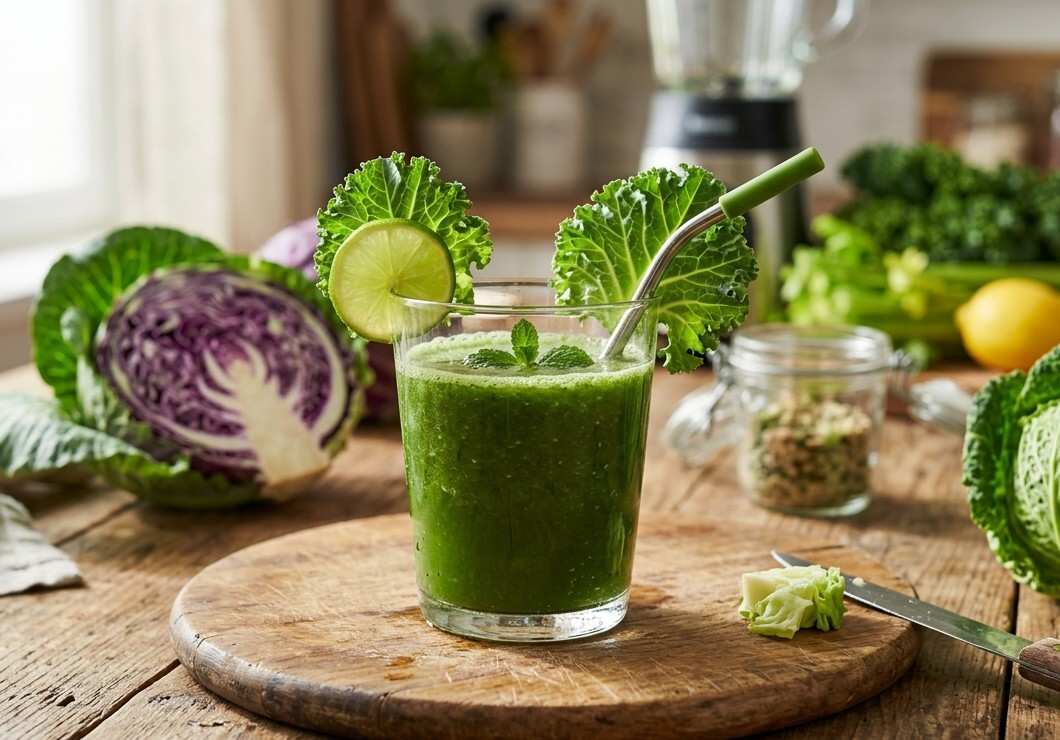
Cabbage juice has become increasingly popular among health-conscious individuals due to its impressive nutritional profile and potential health benefits. Made from fresh green, red, or purple cabbage, this low-calorie vegetable juice is packed with vitamins, minerals, antioxidants, and plant compounds that support overall wellness. While cabbage juice is not a miracle cure, research suggests that it may help promote digestive health, strengthen immunity, reduce inflammation, and contribute to heart health when consumed as part of a balanced diet.
This guide explores the nutrition, proven benefits, possible side effects, preparation methods, and safe consumption of cabbage juice based on current scientific evidence.
What is Cabbage Juice?
Cabbage juice is a beverage prepared by blending or juicing fresh cabbage leaves. It can be made from green, red, Savoy, or Napa cabbage, although green cabbage is the most commonly used variety.
Unlike cooked cabbage, fresh cabbage juice retains many heat-sensitive nutrients, including vitamin C and natural antioxidants. Some people drink cabbage juice on its own, while others combine it with apples, carrots, celery, cucumber, ginger, or lemon to improve the flavor.
Nutrition Facts of Cabbage Juice
| Nutrient | Amount (Per 240 ml) |
|---|---|
| Calories | 20–30 kcal |
| Carbohydrates | 5–6 g |
| Protein | 1–2 g |
| Fat | Less than 0.5 g |
| Fiber* | Very little (most removed during juicing) |
| Vitamin C | 50–70% Daily Value |
| Vitamin K | 60–80% Daily Value |
| Folate | 10–15% Daily Value |
| Potassium | 250–300 mg |
| Calcium | 40–50 mg |
| Magnesium | 15–20 mg |
| Vitamin B6 | Small amount |
| Manganese | Small amount |
| Antioxidants | Rich source |
*Blended cabbage retains much more fiber than strained juice.
20 Science-Backed Health Benefits of Cabbage Juice
- Rich in Vitamin C: Cabbage juice provides vitamin C that supports immune function, collagen production, and antioxidant protection.
- Supports Digestive Health: Natural plant compounds may help maintain a healthy digestive tract and support normal stomach function.
- Contains Powerful Antioxidants: Polyphenols and flavonoids help protect cells from oxidative stress.
- May Support Gut Health: Fresh cabbage contains compounds that may encourage a healthy balance of gut bacteria.
- Helps Reduce Inflammation: Antioxidants found in cabbage may help lower inflammation throughout the body.
- Supports Heart Health: Potassium and antioxidant compounds contribute to healthy blood pressure and cardiovascular wellness.
- Promotes Healthy Skin: Vitamin C helps the body produce collagen, supporting healthy skin structure.
- Supports Healthy Bones: Vitamin K plays an important role in maintaining strong bones.
- May Help Liver Function: Sulfur-containing compounds support the body’s natural detoxification processes.
- Supports Immune System: Vitamins, minerals, and antioxidants work together to strengthen immune defenses.
- May Help Maintain Healthy Cholesterol Levels: Plant compounds may contribute to improved cholesterol balance when combined with a healthy diet.
- Supports Healthy Blood Pressure: Potassium helps regulate fluid balance and supports normal blood pressure.
- Low in Calories: Cabbage juice is a nutrient-dense beverage suitable for calorie-conscious diets.
- May Support Weight Management: Drinking low-calorie vegetable juice may increase fullness while providing essential nutrients.
- Provides Natural Hydration: Fresh cabbage juice contributes fluids and electrolytes that help maintain hydration.
- Supports Healthy Vision: Small amounts of beta-carotene and other antioxidants contribute to eye health.
- May Promote Healthy Aging: Antioxidants help reduce free radical damage associated with aging.
- Supports Normal Blood Clotting: Vitamin K contributes to healthy blood clotting mechanisms.
- May Help Reduce Oxidative Stress: Natural antioxidants help neutralize harmful free radicals.
- Easy Way to Increase Vegetable Intake: Cabbage juice offers a convenient method of consuming more vegetables daily.
10 Side Effects of Cabbage Juice
- Digestive Gas: Drinking large amounts may cause gas or bloating in sensitive individuals.
- Stomach Discomfort: Excessive intake can occasionally lead to stomach cramps.
- Diarrhea: Drinking too much cabbage juice may loosen bowel movements.
- May Affect Thyroid Function: Large amounts of raw cruciferous vegetables may interfere with iodine utilization in people with iodine deficiency.
- Vitamin K Interaction: High vitamin K content may interfere with blood-thinning medications such as warfarin.
- Possible Allergic Reaction: Although rare, some people may experience an allergic response.
- Temporary Changes in Digestion: Introducing cabbage juice too quickly may upset digestion.
- May Cause Burping: Fermentable carbohydrates can increase burping in some people.
- Not a Meal Replacement: Cabbage juice lacks protein, healthy fats, and sufficient fiber for a complete meal.
- May Lower Blood Sugar Slightly: People taking diabetes medications should monitor blood sugar and consult their healthcare provider.
How to Make Cabbage Juice at Home?
Ingredients:
- 2 cups chopped fresh cabbage
- 1 cup water
- Optional: 1 apple
- Optional: ½ cucumber
- Optional: small piece of ginger
- Optional: lemon juice
Instructions:
- Wash the cabbage thoroughly.
- Chop it into small pieces.
- Add cabbage and water to a blender.
- Blend until smooth.
- Strain if you prefer clear juice.
- Add lemon or ginger for extra flavor.
- Serve immediately.
Tips for Consuming Cabbage Juice
- Start with half a cup if you’re new to cabbage juice.
- Drink freshly prepared juice whenever possible.
- Pair it with a balanced breakfast instead of drinking on an empty stomach if it causes discomfort.
- Add apple or carrot to improve taste.
- Avoid adding sugar.
- Drink in moderation as part of a healthy diet.
- Wash cabbage thoroughly before juicing.
- Choose fresh, organic cabbage whenever available.
Other Uses of Cabbage Juice
- Added to vegetable smoothies.
- Mixed into green detox drinks.
- Used as a base for vegetable soups.
- Included in healthy meal plans.
- Combined with fermented vegetable beverages.
- Used in homemade wellness shots with ginger and lemon.
How Much Cabbage Juice Can You Drink in a Day?
For most healthy adults, ½ to 1 cup (120–240 ml) of fresh cabbage juice per day is generally sufficient.
Beginners should start with smaller amounts to assess tolerance. Drinking excessive amounts offers no proven additional benefits and may increase digestive discomfort.
If you have thyroid disease, kidney disease, diabetes, or take blood-thinning medications, consult your healthcare provider before making cabbage juice a daily habit.
Best Time to Drink Cabbage Juice
Many people prefer drinking cabbage juice in the morning or between meals for better tolerance and nutrient absorption. If drinking it on an empty stomach causes discomfort, consume it alongside breakfast or a healthy snack.
Freshly prepared juice is best consumed within 15–30 minutes of preparation to preserve vitamin C and antioxidant content.
Who Should Drink Cabbage Juice?
- Health-Conscious Adults: A nutritious vegetable drink for improving overall dietary quality.
- People Looking for Low-Calorie Drinks: Offers vitamins with minimal calories.
- Individuals with Low Vegetable Intake: Helps increase daily vegetable consumption.
- Fitness Enthusiasts: Supports recovery with vitamins, minerals, and hydration.
- People Seeking Immune Support: Provides vitamin C and antioxidants.
- Older Adults: Supplies nutrients that support healthy aging.
- Busy Professionals: Offers a quick and nutritious beverage option.
Who Should Avoid Cabbage Juice?
- People Taking Blood Thinners: High vitamin K intake may interfere with medication effectiveness.
- Individuals with Thyroid Disorders: Excessive raw cabbage intake should be discussed with a healthcare provider.
- People Allergic to Cabbage: Avoid consumption if allergic reactions occur.
- Those with Severe Digestive Disorders: Raw cabbage juice may worsen symptoms in some individuals.
- People with IBS Sensitive to FODMAPs: It may increase gas and bloating.
- Individuals with Chronic Kidney Disease: Potassium intake may need medical supervision.
How to Store Cabbage Juice?
- Refrigerate Immediately: Store fresh juice within 30 minutes of preparation.
- Use an Airtight Glass Bottle: This helps preserve freshness and reduce oxidation.
- Consume Within 24–48 Hours: Fresh juice tastes best and retains more nutrients.
- Avoid Room Temperature Storage: Bacteria grow rapidly in fresh juice left out.
- Shake Before Drinking: Natural separation is normal.
- Do Not Refreeze Repeatedly: Freeze only once if necessary.
Precautions and Interactions
- Although cabbage juice is nutritious, it should not replace a balanced diet or prescribed medical treatment.
- People taking warfarin or other blood-thinning medications should maintain consistent vitamin K intake and consult their healthcare provider before regularly drinking cabbage juice.
- Individuals with thyroid disorders should avoid consuming excessive amounts of raw cabbage without medical advice.
- If you experience persistent bloating, diarrhea, abdominal pain, or allergic symptoms, discontinue use and seek medical guidance.
- Pregnant and breastfeeding women can generally consume cabbage as part of a healthy diet, but regular high intake of juice should be discussed with a qualified healthcare professional.
FAQ’s
What does Cabbage Juice taste like?
Fresh juice has a mild, earthy, slightly sweet, and peppery flavor. Mixing it with apple, carrot, ginger, or lemon can make it more enjoyable.
What does Cabbage Juice smell like?
Juice has a fresh, grassy, and slightly sulfur-like aroma due to its natural sulfur compounds.
Is Cabbage Juice safe for children?
Yes, juice can be safe for children in small amounts as part of a balanced diet. However, whole vegetables are generally a better choice because they provide more fiber.
Does cabbage juice detox the liver?
There is no scientific evidence that juice detoxifies the liver. However, it contains antioxidants and nutrients that support normal liver function as part of a healthy diet.
Does cabbage juice reduce stomach acid?
Juice does not directly reduce stomach acid. Some research suggests it may help support the stomach lining, but it is not a treatment for acid reflux or other digestive disorders.
How to make cabbage juice for ulcer treatment?
Blend 2 cups of fresh cabbage with 1 cup of water, strain if desired, and drink fresh. While some older studies suggest juice may support stomach ulcer healing, it should not replace medical treatment. Consult your healthcare provider for proper diagnosis and care.
What does cabbage juice heal?
Juice does not “heal” diseases on its own. It may support digestive health, immune function, and overall wellness due to its vitamins and antioxidants.
How long does cabbage juice take to heal an ulcer?
There is no guaranteed timeframe. Older research suggested potential benefits for stomach ulcers, but modern medical treatment remains the standard of care. Always follow your healthcare provider’s recommendations.
How long does cabbage juice take to work?
The effects vary depending on the purpose. Nutritional benefits begin as soon as the nutrients are absorbed, while any noticeable health effects may take days or weeks as part of a healthy lifestyle.
How long does cabbage juice last in the fridge?
Fresh juice is best consumed immediately but can be stored in an airtight container in the refrigerator for up to 24–48 hours.
Can I freeze cabbage juice?
Yes. juice can be frozen in airtight containers or ice cube trays for up to 2–3 months. Thaw it in the refrigerator and consume it soon after thawing for the best quality.
What is cabbage juice good for?
Juice is rich in vitamin C, vitamin K, antioxidants, and plant compounds that may support immune health, digestion, heart health, and overall wellness.
Can I drink cabbage juice every day?
Yes, most healthy adults can drink ½–1 cup (120–240 ml) daily as part of a balanced diet. Moderate intake is recommended.
Is cabbage juice good for the stomach?
Some studies suggest cabbage contains compounds that support stomach lining health, but more research is needed. It should not replace medical treatment for digestive conditions.
Does cabbage juice help with weight loss?
Juice is low in calories and may help increase vegetable intake, making it a healthy addition to a weight-management diet when combined with regular exercise and balanced nutrition.
Can cabbage juice improve skin health?
Its vitamin C and antioxidants help support collagen production and protect skin cells from oxidative stress, contributing to healthier-looking skin.
Is cabbage juice safe during pregnancy?
Fresh cabbage is generally safe during pregnancy when properly washed. However, pregnant women should consult their healthcare provider before consuming juice regularly.
Can people with diabetes drink cabbage juice?
Yes, juice is naturally low in sugar, but people with diabetes should monitor their blood sugar levels and follow their healthcare provider’s advice.
Does cabbage juice detox the body?
Your liver and kidneys naturally detoxify your body. Juice provides nutrients that support normal liver function but should not be considered a detox cure.
Can cabbage juice reduce inflammation?
Cabbage contains antioxidants and anti-inflammatory plant compounds that may help reduce inflammation as part of a healthy diet.
Is cabbage juice better than eating whole cabbage?
Whole cabbage is generally more nutritious because it contains more dietary fiber. Juice provides concentrated vitamins but removes much of the fiber.
Can cabbage juice cause gas?
Yes. Some people may experience gas, bloating, or mild digestive discomfort, especially when drinking large amounts.
Can I mix cabbage juice with other vegetables?
Yes. juice pairs well with carrot, celery, cucumber, beetroot, spinach, apple, ginger, and lemon for added flavor and nutrients.
Sources / References:
- Harvard T.H. Chan School of Public Health – Vegetables and Fruits
- U.S. Department of Agriculture FoodData Central
- National Institutes of Health – Office of Dietary Supplements (Vitamin C)
- World Health Organization – Healthy Diet
- Academy of Nutrition and Dietetics
About the Author:
Written by: Kirti Solanki (Health Content Researcher)
Kirti Solanki is a Health Content Researcher specializing in evidence-based nutrition, wellness, and healthy lifestyle topics. Her articles are created using information from reputable medical organizations and scientific literature to provide readers with practical, accurate, and easy-to-understand health information.
Disclaimer:
This guide is intended for educational and informational purposes only and should not be considered medical advice. The information provided does not replace consultation with a qualified healthcare professional. Always seek medical guidance before making significant dietary changes.
Also Read: