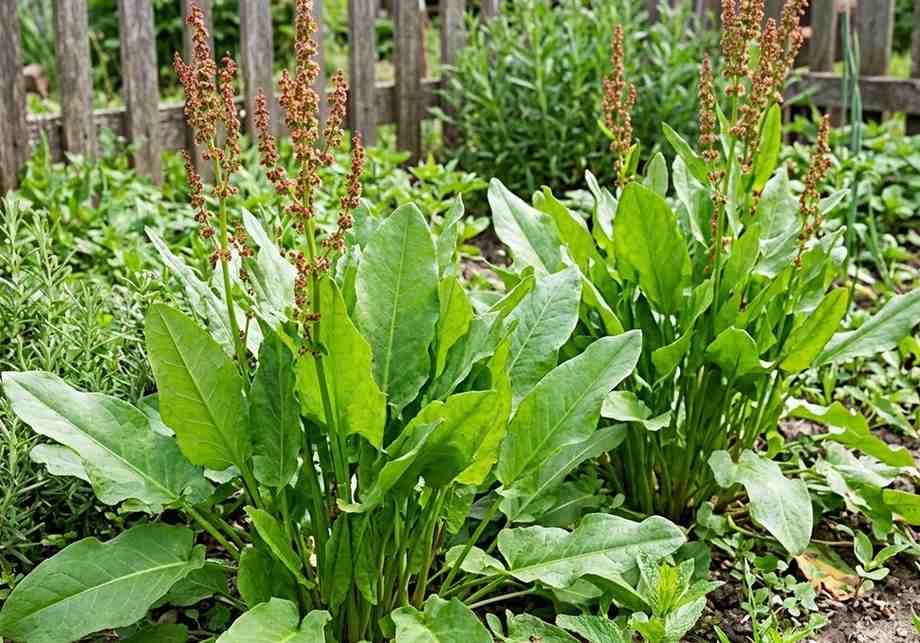
Sorrel is a vibrant green leafy herb known for its pleasantly tangy, lemon-like flavor. Although it is less common than spinach or kale in many countries, sorrel has been enjoyed for centuries in Europe, Africa, the Caribbean, Asia, and the Middle East. It is valued not only for its unique taste but also for its impressive nutritional profile and potential health benefits.
Rich in vitamins, minerals, antioxidants, and plant compounds, sorrel can be used in soups, salads, sauces, herbal teas, and many traditional dishes. Whether you’re looking to diversify your diet or explore nutrient-rich leafy greens, sorrel is a versatile ingredient worth trying. This guide explores the nutrition, health benefits, uses, side effects, dosage, and safety considerations of sorrel.
What is Sorrel?
Sorrel refers to several edible leafy plants belonging primarily to the Rumex genus, especially Rumex acetosa (common sorrel). It has bright green arrow-shaped leaves and a naturally sour taste due to its oxalic acid content.
Sorrel is commonly used as both an herb and a leafy vegetable. Different cultures prepare it in soups, stews, salads, sauces, beverages, and herbal remedies. In the Caribbean, “sorrel” often refers to the calyces of Hibiscus sabdariffa, which are used to prepare a refreshing drink. This article focuses mainly on leafy sorrel (Rumex species).
Nutrition Facts of Sorrel (Per 100 g Fresh Leaves)
| Nutrient | Amount |
|---|---|
| Calories | 22 kcal |
| Water | 93 g |
| Protein | 2 g |
| Carbohydrates | 3.2 g |
| Dietary Fiber | 2.9 g |
| Fat | 0.7 g |
| Vitamin A | High |
| Vitamin C | High |
| Vitamin K | Very High |
| Folate | Moderate |
| Potassium | Moderate |
| Magnesium | Moderate |
| Calcium | Moderate |
| Iron | Moderate |
| Manganese | Moderate |
Values are approximate and may vary by variety and growing conditions.
Types of Sorrel
There are several varieties of sorrel grown around the world, each with its own flavor, appearance, and culinary uses.
1. Common Sorrel (Rumex acetosa)
The most widely cultivated variety, common sorrel has large, arrow-shaped green leaves with a tangy, lemon-like flavor. It is commonly used in soups, salads, sauces, and cooked vegetable dishes.
2. French Sorrel (Rumex scutatus)
French sorrel has smaller, rounded leaves and a milder, less acidic taste than common sorrel. It is ideal for fresh salads, herb butter, creamy sauces, and gourmet recipes.
3. Red-Veined Sorrel (Rumex sanguineus)
Also known as bloody dock, this ornamental variety features striking green leaves with deep red veins. It has a mild tart flavor and is often used in salads, garnishes, and edible landscaping.
4. Sheep Sorrel (Rumex acetosella)
Sheep sorrel is a smaller wild variety with narrow leaves and a sharp, sour taste. It has traditionally been used in herbal remedies and can also be added sparingly to salads and soups.
5. Garden Sorrel
Garden sorrel is a cultivated form of common sorrel grown in home gardens for its tender leaves and reliable harvest. It is suitable for both fresh and cooked dishes.
6. Spinach Dock (Rumex patientia)
Also called patience dock, spinach dock has large, broad leaves with a milder flavor than common sorrel. The leaves are often cooked like spinach in stews, soups, and side dishes.
7. Broad-Leaved Sorrel
This variety produces large, smooth leaves that are tender and flavorful. It is one of the most productive types for culinary use and is commonly grown in vegetable gardens.
8. Wild Sorrel
Wild sorrel grows naturally in fields, meadows, and roadsides. While edible when correctly identified, it should only be harvested by experienced foragers to avoid confusing it with toxic look-alike plants.
9. Roselle (Caribbean Sorrel) (Hibiscus sabdariffa)
Although botanically different from true sorrel, roselle is widely known as “sorrel” in the Caribbean. Its bright red calyces are used to make refreshing beverages, jams, syrups, sauces, and herbal teas rather than being eaten as leafy greens.
10. Mountain Sorrel (Oxyria digyna)
Native to cold mountainous and Arctic regions, mountain sorrel has small, rounded leaves with a pleasantly tart flavor. It has traditionally been eaten fresh or cooked by indigenous communities.
20 Proven Health Benefits of Sorrel
- Rich in Antioxidants: Sorrel contains antioxidants that help protect cells from oxidative stress.
- Supports Immune Health: Its vitamin C content contributes to normal immune function.
- Promotes Healthy Digestion: Dietary fiber supports regular bowel movements and gut health.
- Supports Eye Health: Vitamin A helps maintain healthy vision.
- May Reduce Inflammation: Plant compounds in sorrel may help reduce inflammatory processes.
- Supports Heart Health: Potassium helps maintain healthy blood pressure.
- Promotes Bone Health: Vitamin K contributes to normal bone metabolism.
- Supports Healthy Skin: Vitamins A and C assist in collagen production and skin maintenance.
- May Improve Iron Intake: Gongura provides iron along with Vitamin C, which enhances iron absorption.
- Helps Hydration: Fresh sorrel leaves contain a high percentage of water.
- Supports Healthy Blood Clotting: Vitamin K is essential for proper blood clotting.
- May Aid Weight Management: Low in calories and high in fiber, sorrel can help increase fullness.
- Supports Healthy Metabolism: B vitamins contribute to normal energy metabolism.
- May Help Maintain Healthy Cholesterol: Fiber may contribute to healthy cholesterol levels.
- Supports Liver Function: Antioxidants may help protect liver cells from oxidative damage.
- Promotes Cellular Health: Vitamins and minerals support healthy cell function.
- Supports Healthy Aging: Antioxidants help combat free radical damage associated with aging.
- May Promote Healthy Circulation: Potassium supports cardiovascular function.
- Adds Flavor Without Excess Salt: Its tart taste can reduce reliance on added sodium.
- Provides Nutrient Diversity: Including sorrel helps diversify intake of leafy greens.
10 Side Effects of Sorrel
- High Oxalate Content: Excessive intake may increase the risk of kidney stones in susceptible individuals.
- May Reduce Calcium Absorption: Oxalates can bind with calcium.
- Digestive Discomfort: Large portions may cause stomach upset in some people.
- Possible Allergic Reactions: Rare allergic responses may occur.
- Medication Interactions: Vitamin K may affect blood-thinning medications.
- Potential Kidney Concerns: Individuals with kidney disease should consult a healthcare provider.
- May Irritate Sensitive Stomachs: Its acidity can aggravate digestive sensitivity.
- Not Suitable in Excess During Pregnancy: Large medicinal amounts are not recommended without medical advice.
- May Affect Mineral Balance: Excessive consumption may influence mineral absorption.
- Risk from Wild Plants: Wild sorrel should only be collected if correctly identified.
How to Eat Sorrel?
Sorrel is highly versatile and can be enjoyed in many ways:
- Add fresh leaves to salads.
- Blend into green smoothies.
- Stir into soups.
- Mix with spinach in cooked dishes.
- Prepare creamy sorrel sauce.
- Add to omelets.
- Mix into pesto.
- Use as a garnish.
- Blend into dips.
- Brew into herbal tea.
Tips for Consuming Sorrel
- Choose fresh, bright green leaves.
- Wash thoroughly before eating.
- Eat in moderation due to oxalate content.
- Pair with calcium-rich foods.
- Combine with other leafy greens.
- Avoid overcooking to preserve nutrients.
- Start with small portions if trying it for the first time.
- Refrigerate soon after purchase.
- Consume fresh whenever possible.
- Rotate with other vegetables for dietary variety.
How to Use Sorrel?
Sorrel can be used in numerous recipes and preparations:
- Fresh salads
- Soups
- Sauces
- Sandwiches
- Wraps
- Grain bowls
- Herbal teas
- Smoothies
- Pasta dishes
- Fish and poultry recipes
Other Uses of Sorrel
- Herbal Tea: Sorrel leaves are brewed into refreshing herbal infusions.
- Natural Flavoring: Adds a tangy flavor to sauces and dressings.
- Traditional Remedies: Used in traditional herbal practices in several cultures.
- Garden Plant: Grown as an attractive edible perennial.
- Companion Plant: Helps diversify home vegetable gardens.
- Food Garnish: Fresh leaves enhance food presentation.
- Homemade Pesto: Creates a citrusy alternative to basil pesto.
- Fermented Foods: Can be included in certain fermented vegetable recipes.
- Green Juice Ingredient: Adds freshness to vegetable juices.
- Culinary Herb: Used by chefs to brighten savory dishes.
How Much Sorrel Can You Eat in a Day?
There is no official recommended daily intake for sorrel.
For most healthy adults:
- Around ½ to 1 cup of fresh leaves is generally considered a reasonable serving.
- Consume occasionally rather than in very large quantities.
- Individuals prone to kidney stones should limit intake due to oxalates.
Typical culinary use includes:
- Fresh leaves: 30–75 grams per serving.
- Cooked sorrel: ½ cup.
- Sorrel tea: 1–2 cups daily.
- Herbal supplements should only be used according to product directions or healthcare advice.
Best Time to Eat Sorrel
Sorrel may be enjoyed:
- With lunch or dinner.
- In salads during daytime meals.
- In smoothies at breakfast.
- As soup during cooler weather.
- Whenever included as part of a balanced meal.
Who Should Eat Sorrel?
- Healthy Adults: Can enjoy sorrel as part of a varied diet.
- Vegetarians: Provides vitamins and minerals from plant sources.
- People Seeking Low-Calorie Foods: Fits well into calorie-conscious eating plans.
- Individuals Increasing Vegetable Intake: Adds nutritional variety.
- Athletes: Contributes hydration and micronutrients.
- Older Adults: Provides vitamins important for healthy aging.
- Home Gardeners: Freshly harvested Gongura is convenient and nutritious.
- People Looking for New Flavors: Offers a naturally tangy taste.
- Those Following Mediterranean-Style Diets: Complements vegetable-rich meals.
- Food Enthusiasts: Expands culinary creativity.
Who Should Avoid Sorrel?
- People with Kidney Stones: High oxalate levels may not be suitable.
- Individuals with Kidney Disease: Should consult a healthcare professional.
- People Taking Blood Thinners: Vitamin K intake should remain consistent.
- Those Allergic to Sorrel: Should avoid consumption.
- People with Severe Digestive Disorders: Acidic leaves may worsen symptoms.
- Individuals on Low-Oxalate Diets: May need to avoid Gongura.
- Pregnant Women Using Herbal Preparations: Should seek medical advice before medicinal use.
- Young Children in Large Amounts: Moderate portions are preferable.
- People with Calcium Deficiency Concerns: Avoid excessive intake.
- Anyone Unsure About Wild Plants: Avoid consuming unidentified wild sorrel.
How to Store Sorrel?
- Refrigerate Immediately: Store in the refrigerator after harvesting.
- Wrap in Paper Towels: Helps absorb excess moisture.
- Use an Airtight Container: Keeps leaves fresh longer.
- Avoid Washing Before Storage: Wash only before use.
- Freeze for Long-Term Storage: Blanch before freezing if desired.
- Keep Away from Ethylene Fruits: Prevents faster spoilage.
- Inspect Regularly: Remove wilted leaves promptly.
- Use Within One Week: Fresh sorrel tastes best when consumed quickly.
Precautions and Interactions
- Limit Excessive Intake: High oxalate intake may increase kidney stone risk.
- Consult Your Doctor: Especially if you have kidney disease.
- Be Consistent with Vitamin K Intake: Important for people taking anticoagulants.
- Avoid Self-Medicating: Herbal remedies should not replace medical treatment.
- Wash Thoroughly: Remove dirt and contaminants before eating.
- Identify Wild Plants Carefully: Avoid poisonous look-alikes.
- Consume as Part of a Balanced Diet: Variety supports better nutrition.
- Monitor Individual Tolerance: Reduce intake if digestive discomfort occurs.
- Use Supplements Carefully: Follow manufacturer instructions.
- Discuss with Healthcare Providers: Especially if taking prescription medications.
Conclusion
Sorrel is a flavorful leafy green that combines culinary versatility with impressive nutrition. Rich in vitamins A, C, and K, antioxidants, fiber, and beneficial plant compounds, it can support overall health when eaten as part of a balanced diet. From soups and salads to sauces and smoothies, Gongura offers countless ways to add freshness and nutrition to everyday meals.
While generally safe in moderate amounts, its naturally high oxalate content means individuals with kidney stones or kidney disease should consume it cautiously. Enjoyed responsibly, Gongura is an excellent addition to a healthy, plant-rich eating pattern.
FAQ’s
What does sorrel taste like?
Gongura has a fresh, tangy, citrus-like flavor due to its natural oxalic acid content, making it a popular ingredient in savory dishes.
Is sorrel good for your health?
Yes. Gongura is rich in vitamins A, C, and K, antioxidants, fiber, and minerals that support overall health when eaten in moderation.
Can you eat sorrel raw?
Yes. Young Gongura leaves can be eaten raw in salads, sandwiches, wraps, or smoothies.
Can sorrel be cooked?
Yes. Gongura can be cooked in soups, stews, sauces, omelets, pasta dishes, and stir-fries. Cooking also reduces its sharp, sour taste.
Is sorrel high in oxalates?
Yes. Gongura naturally contains oxalates, so people with kidney stones or kidney disease should consume it in moderation and consult their healthcare provider.
Is sorrel safe during pregnancy?
Gongura is generally safe in normal food amounts, but pregnant women should avoid consuming large medicinal amounts unless advised by their healthcare provider.
Can people with diabetes eat sorrel?
Yes. Gongura can be included in a diabetes-friendly diet because it is low in calories and carbohydrates. However, it should be part of an overall balanced meal plan.
Does sorrel help with weight loss?
Gongura may support weight management because it is low in calories and high in fiber, helping promote fullness when included in a healthy diet.
Is sorrel good for digestion?
Yes. The fiber in Gongura supports healthy digestion and regular bowel movements.
Is sorrel the same as spinach?
No. Although they are both leafy greens, Gongura has a distinctive sour flavor, while spinach has a milder taste and belongs to a different plant family.
What vitamins are found in sorrel?
Gongura is an excellent source of vitamins A, C, and K and also contains folate and several essential minerals.
Can sorrel lower blood pressure?
Gongura contains potassium, which supports healthy blood pressure, but it should not be used as a replacement for prescribed treatment.
Can sorrel be frozen?
Yes. Gongura can be blanched briefly and frozen to preserve it for several months.
Is sorrel good for the immune system?
Yes. Its vitamin C and antioxidant content helps support normal immune function.
Is sorrel a herb or a vegetable?
Sorrel is considered both a leafy vegetable and a culinary herb, depending on how it is used in cooking.
What is sorrel called in India?
In India, sorrel is commonly known as Gongura in Telugu, Ambadi in Marathi, Pulicha Keerai in Tamil, Pundi Palle in Kannada, and Pitwaa in some parts of North India. The name may vary depending on the region and the specific variety.
Is gongura good for fatty liver?
Gongura contains antioxidants, vitamin C, and plant compounds that may support overall liver health as part of a balanced diet. However, there is no strong clinical evidence that it can treat or reverse fatty liver disease.
Is gongura bad for kidney stones?
Gongura contains oxalates, which may increase the risk of kidney stones in susceptible individuals if consumed in large amounts. People with a history of calcium oxalate kidney stones should eat it in moderation and consult their healthcare provider.
Is gongura cold or hot for the body?
According to traditional food systems, gongura is generally considered to have a cooling effect on the body. However, these classifications are based on traditional practices rather than scientific evidence.
What are the medicinal uses of gongura?
Traditionally, gongura has been used to support digestion, boost appetite, provide antioxidants, promote immune health, and supply essential vitamins and minerals. More scientific research is needed to confirm many of these traditional uses.
Is gongura acidic or alkaline?
Fresh gongura has a naturally sour taste because it contains organic acids, including oxalic acid. Although it tastes acidic, its overall effect on the body’s pH is not considered clinically significant.
Is gongura rich in iron?
Yes. Gongura contains iron along with vitamin C, which helps improve iron absorption. While it contributes to daily iron intake, it should not be relied upon as the sole source of iron.
Is gongura good for hair?
Gongura contains vitamins A, C, iron, and antioxidants that support overall health, including healthy hair. However, eating gongura alone is unlikely to significantly improve hair growth.
Is gongura good for gastric problems?
The fiber in gongura may support healthy digestion, but its sour and acidic nature may aggravate acid reflux or gastritis in some people. Those with sensitive stomachs should consume it in moderation.
Is gongura good for bones?
Yes. Gongura contains vitamin K, calcium, and magnesium, which contribute to maintaining healthy bones when consumed as part of a balanced diet.
Can I eat sorrel every day?
Most healthy adults can eat moderate amounts of sorrel as part of a varied diet. Because it is high in oxalates, it is best not to consume very large quantities every day, especially if you are prone to kidney stones.
Is sorrel safe for children?
Yes. Gongura can be safely included in children’s diets in small, age-appropriate portions as part of a balanced meal. Large amounts should be avoided due to its oxalate content.
What is sorrel good for?
Gongura is a nutritious leafy green rich in vitamins A, C, and K, fiber, antioxidants, and minerals. It supports immune function, healthy digestion, bone health, heart health, and overall wellness when enjoyed in moderation.
Sources / References
- U.S. Department of Agriculture (USDA) FoodData Central
- National Institutes of Health (NIH) Office of Dietary Supplements
- World Health Organization (WHO)
- National Center for Biotechnology Information (NCBI)
- Academy of Nutrition and Dietetics
About the Author
Written by: Kirti Solanki (Health Content Researcher)
Kirti Solanki researches evidence-based nutrition and wellness topics, translating scientific information into practical, reader-friendly health content that emphasizes balanced eating and informed lifestyle choices.
Disclaimer
This guide is intended for educational purposes only and should not be considered medical advice. Always consult a qualified healthcare professional before making significant dietary changes or using herbs for therapeutic purposes, especially if you are pregnant, breastfeeding, have a medical condition, or take prescription medications.
Also Read: